Essential Aquarium Setup Tips And Maintenance Tricks for a Healthy Tank
Setting up a healthy aquarium isn’t just about filling a tank with water and adding fish. It’s a finely balanced ecosystem that demands planning, commitment, and routine care. Whether you’re a beginner or upgrading your setup, getting the fundamentals right ensures vibrant aquatic life and fewer headaches down the road. This guide unpacks expert-approved aquarium setup tips and long-term maintenance strategies that work.
Why Proper Aquarium Setup Is Non-Negotiable
A study by the American Veterinary Medical Association (AVMA) showed that 13% of U.S. households own freshwater fish. Yet, many novice aquarists lose fish within the first few weeks due to poor setup choices. Creating a stable and healthy environment from day one prevents fish stress, disease, and death.
1. Start With the Right Tank Size
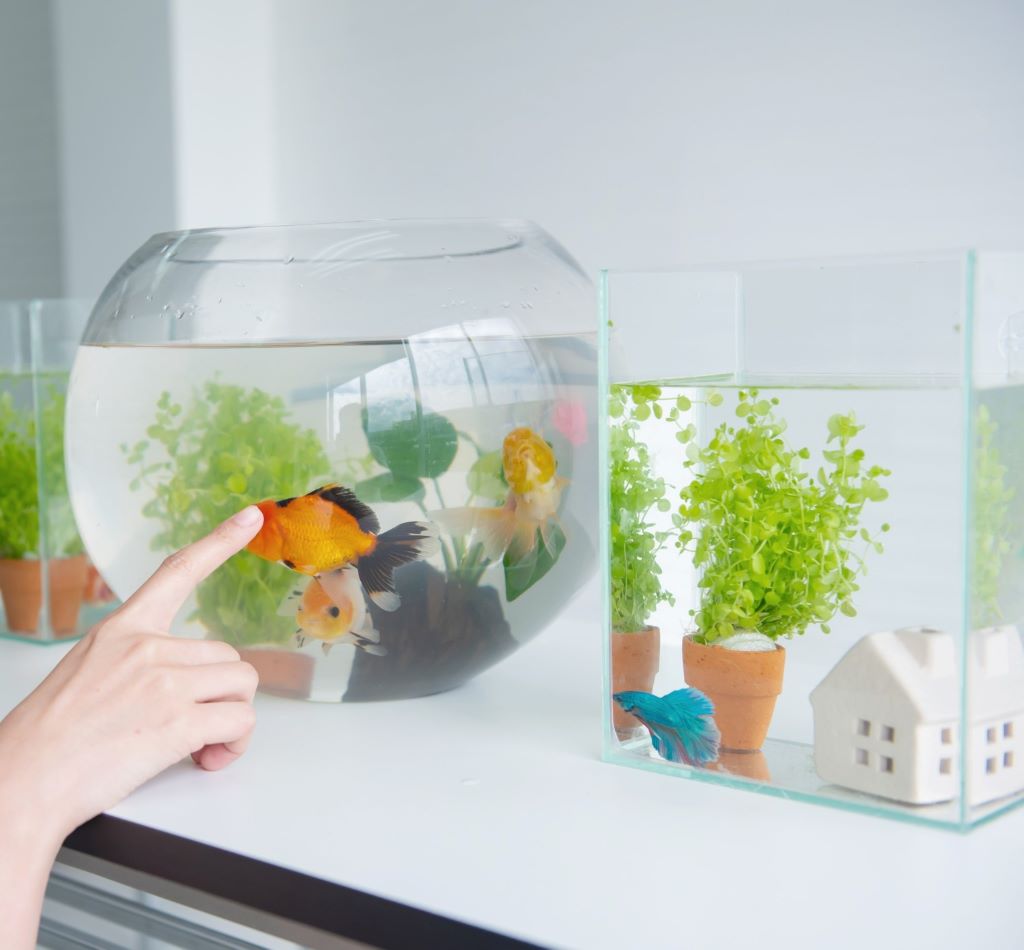
Most beginners think small tanks are easier to manage. That’s a myth. Smaller tanks experience faster water quality fluctuations. A 20-gallon tank or larger offers better stability and space for beneficial bacteria to thrive. Plus, it’s easier to install essential equipment like heaters and filters.
Professional Tip: Choose your tank based on the species you want to keep. Research their adult size and behavior before purchasing.
Choosing the Right Location for Your Tank
Place your aquarium away from direct sunlight to avoid uncontrollable algae growth. Ensure it’s on a level, sturdy surface capable of holding the tank’s weight. For reference, a filled 20-gallon tank weighs over 225 pounds. Avoid areas near vents or high-traffic zones that may stress fish.
Cycle Your Tank Before Adding Fish
Cycling the tank is arguably the most critical step in your setup. This process establishes a colony of nitrifying bacteria that convert toxic ammonia into nitrite, and then into less harmful nitrate. Without cycling, fish can suffer ammonia poisoning.
There are two methods:
-
Fishless cycling using ammonia sources
-
Fish-in cycling with hardy species like zebra danios (less recommended due to stress risks)
Use water test kits to monitor ammonia, nitrite, and nitrate levels weekly during cycling, which typically takes 4 to 6 weeks. API Master Test Kits are a reliable choice for this process.
Invest in Quality Equipment
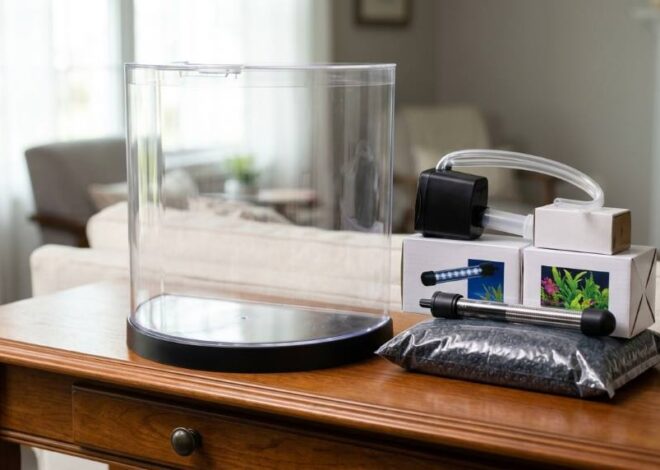
Every healthy aquarium needs four key components:
-
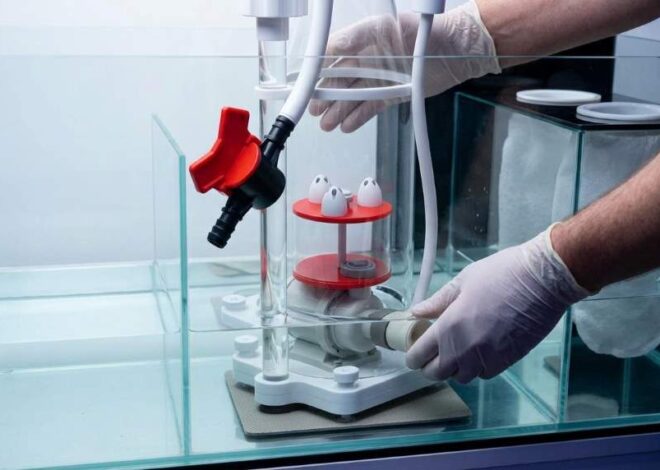
Filter: Removes physical waste and supports beneficial bacteria growth. Look for filters rated higher than your tank size for efficiency.
-
Heater: Essential for tropical fish. Aim for a steady temperature between 74°F–78°F.
-
Lighting: Simulates a natural day-night cycle. Avoid leaving lights on 24/7 to prevent algae blooms.
-
Air pump (optional): Enhances oxygen levels in larger or heavily stocked tanks.
According to FishLab, using a high-efficiency filter reduces maintenance time by up to 30% and improves fish health.
Add Substrate and Decor Thoughtfully
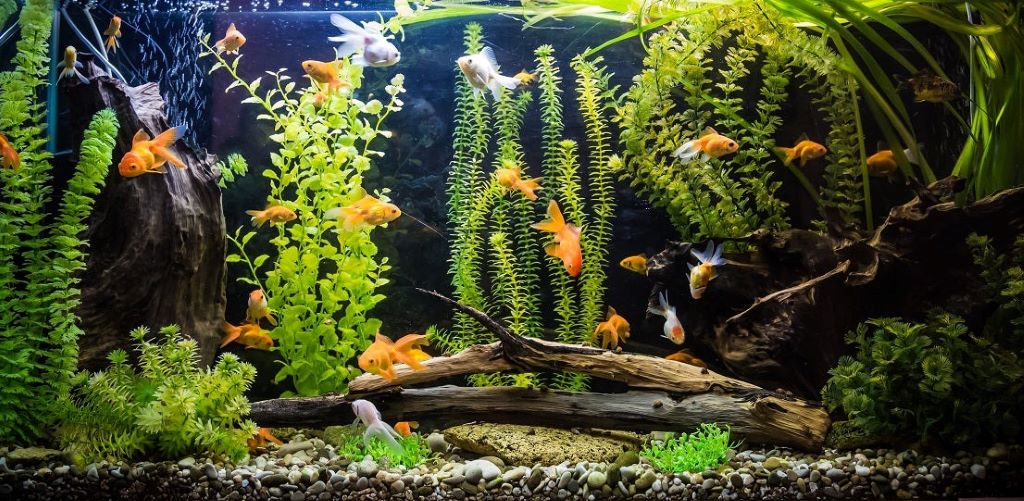
Gravel and sand aren’t just aesthetics—they impact water chemistry and filtration. For planted tanks, nutrient-rich substrates like Fluval Stratum are ideal. Use natural decor like rocks, caves, and driftwood to reduce fish stress and mimic their native habitat.
Avoid overcrowding the tank with decor, as it reduces swim space and can trap waste.
Introduce Fish Gradually
Once your tank is cycled and stable, start with a few hardy fish. Add no more than 2–3 fish per week. This gradual approach allows your filtration system to adapt to increased bioload.
Always quarantine new fish for at least 2 weeks in a separate tank to prevent introducing parasites or diseases.
Ongoing Aquarium Maintenance Tips
The setup is only the beginning. Consistent maintenance keeps your tank thriving.
Weekly Water Testing and Changes
Test water parameters every week. Key values to monitor:
-
Ammonia: 0 ppm
-
Nitrite: 0 ppm
-
Nitrate: <40 ppm
-
pH: Depends on species; usually 6.5–7.5 for freshwater tanks
Perform 20–25% water changes weekly using dechlorinated water. Gravel vacuuming removes debris that could rot and raise toxin levels.
Clean Equipment Regularly
Check your filter monthly. Rinse sponges or cartridges in tank water—not tap water—to preserve beneficial bacteria. Replace parts according to the manufacturer’s instructions.
Algae Management
Algae isn’t always bad, but too much can choke your tank. Keep light durations to 8–10 hours daily. If algae gets out of control, consider adding algae-eating species like Otocinclus or Amano shrimp.
Recognize Early Warning Signs
Fish gasping at the surface, clamped fins, or unusual swimming can indicate water quality issues or disease. Address the problem immediately by checking water parameters and isolating sick fish.
The Role of Plants in a Healthy Tank
Live plants aren’t just decorative—they naturally absorb excess nitrates, outcompete algae, and provide hiding spots. Low-maintenance options like Java Fern and Anubias thrive even in beginner setups.
According to a 2023 study in Aquatic Botany, planted tanks showed a 40% improvement in nitrate balance over non-planted tanks.
Featured Snippet:
What are the best aquarium setup and maintenance tips for a healthy tank?
A healthy aquarium starts with a properly cycled tank, suitable equipment, and consistent water quality management. Choose a tank size of at least 20 gallons for stability. Cycle your tank for 4–6 weeks before introducing fish to establish beneficial bacteria. Use a quality filter, heater, and lighting system. Perform weekly water tests and 20–25% water changes. Introduce fish gradually and always quarantine new additions. Incorporate live plants to improve water quality and reduce algae. Avoid overfeeding, as uneaten food degrades water. Spot early signs of stress or disease and act fast. Expert aquarists recommend regular gravel vacuuming and keeping a log of water parameters. These practices significantly extend your tank’s health and your fish’s lifespan.
Reviews & Real-World Success
Aquarist communities on Reddit’s r/Aquariums and FishLore.com consistently praise the long-term success of tanks that follow a methodical setup and maintenance process. Users who started with proper cycling and stable environments reported significantly lower fish deaths and algae issues.
Brands like Fluval, API, and Seachem receive high ratings for their reliable aquarium gear and water conditioners. Avoid off-brand filters or heaters; equipment failure can quickly crash your ecosystem.
FAQs
1. How long should I cycle my aquarium?
Cycle your tank for 4–6 weeks or until ammonia and nitrite read 0 ppm consistently.
2. Can I add fish immediately after setting up my tank?
No. Always complete the nitrogen cycle first to avoid fish loss.
3. How often should I clean the tank?
Perform partial water changes weekly and clean filters monthly.
4. What causes cloudy water in new tanks?
Usually bacterial bloom. It clears on its own once the tank stabilizes.
5. Do I need a heater for a freshwater tank?
Yes, for tropical fish. Maintain a steady 74°F–78°F temperature.
6. How many fish can I keep in my tank?
Follow the rule: one inch of fish per gallon—though bioload matters more than size alone.
7. Should I use real or artificial plants?
Live plants improve water quality but require more care. Artificial plants are easier but offer fewer benefits.
Sources & References:
By implementing these expert-backed aquarium setup tips and maintenance tricks, your tank will flourish with thriving aquatic life and crystal-clear water. Don’t just keep fish, build an ecosystem they’ll thrive in.