
Must-Have Aquarium Gear: Filters, Heaters More Explained
Creating a thriving aquarium ecosystem goes beyond water and fish. It requires the right gear to mimic natural habitats, ensure water stability, and promote aquatic health. Whether you’re a beginner or an experienced aquarist, selecting the right equipment is essential. The foundation lies in three key components: filters, heaters, and lighting. Yet, many overlook the impact of backup gear, test kits, and cleaning tools. Let’s break it all down to help you avoid costly mistakes and ensure your fish flourish.
Filters: The Heart of Aquarium Health
A good filter isn’t just helpful—it’s non-negotiable. Filters are your aquarium’s life support, processing waste, uneaten food, and other pollutants that can harm aquatic life. They help maintain water clarity and biological balance.
There are three main types of filtration:
-
Mechanical: Removes physical debris like uneaten food or fish waste.
-
Chemical: Removes toxins and discoloration, typically using activated carbon.
-
Biological: Houses beneficial bacteria that convert ammonia into less toxic substances.
Canister filters are ideal for larger tanks. They offer multi-stage filtration and powerful flow. Brands like Fluval and Eheim are top-rated for reliability. Hang-on-back (HOB) filters, such as the AquaClear series, are best for medium-sized tanks. They’re easy to maintain and budget-friendly.
A 2023 survey by Practical Fishkeeping found that 68% of aquarium hobbyists ranked filter performance as the priority when choosing equipment. Without proper filtration, ammonia and nitrite levels spike, leading causes of fish deaths. Therefore, invest in a high-quality filter tailored to your tank’s size and bioload.
Heaters: Keeping Temperatures Just Right
Most tropical fish need stable water temperatures between 75–80°F (24–27°C). A drop of just 2–3 degrees can stress fish, weaken their immune system, and cause illness. That’s where heaters come in.
There are two main types:
-
Submersible heaters: Fully underwater and typically more efficient.
-
In-line heaters: Installed externally and ideal for larger, complex setups.
Experts recommend 3–5 watts per gallon. So, a 20-gallon tank needs a 75–100W heater. Brands like Eheim Jäger and Fluval E-Series offer precise digital thermostats and auto-shutoff functions—features that prevent overheating and accidents.
In colder climates, dual-heater setups are gaining traction. If one fails, the second ensures continuity. Think of it like insurance for your aquatic pets.
Lighting: More Than Just Aesthetic Appeal
Lighting plays a bigger role than just highlighting your tank’s beauty. It affects fish behavior, plant growth, and algae control. Poor lighting can lead to stressed fish or algae overgrowth.
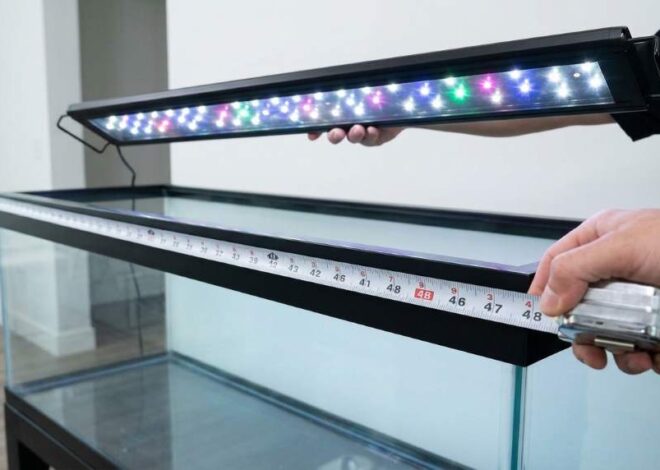
For planted tanks, full-spectrum LED lighting (such as the NICREW ClassicLED or Finnex Planted+) supports photosynthesis. On the other hand, low-tech tanks can thrive with basic white LED fixtures.
Lighting duration should mimic natural daylight—about 8 to 10 hours. A digital timer automates this and prevents algae outbreaks. It’s a small investment with huge returns.
Thermometers and Monitoring Tools
A heater alone isn’t enough—you need a reliable aquarium thermometer to ensure water stays consistent. Stick-on LCD strips are inexpensive, but digital probe thermometers offer better accuracy.
Also, water test kits are critical. API’s Freshwater Master Test Kit checks pH, ammonia, nitrites, and nitrates. This helps catch issues early, long before visible symptoms show.
Keeping your aquarium’s water parameters in check ensures fewer fish deaths and healthier environments. Regular testing is the difference between reactive and proactive fishkeeping.
Backup Power and Air Pumps
Power outages can devastate aquariums in minutes. Without filtration and aeration, oxygen levels drop rapidly. A battery-operated air pump keeps water oxygenated during emergencies.
Aquarists in hurricane-prone areas swear by backup solutions. A 2022 Reddit aquarist poll noted over 75% of serious hobbyists now own emergency power backups or at least portable air pumps.

Cleaning Tools and Maintenance Gear
Aquariums demand regular cleaning. But scrubbing with household items can harm fish. Instead, use gear made specifically for aquariums:
-
Gravel vacuums: Remove waste without full water changes.
-
Algae scrapers: Keep glass clean and clear.
-
Siphons and buckets: Aid in partial water changes.
Magnetic algae cleaners like Mag-Float are popular for their ease of use. Clean tanks not only look better—they harbor fewer pathogens and reduce stress for fish.
Featured Snippet: What Is the Most Important Aquarium Equipment?
Q: What’s the most important aquarium gear every tank must have?
A: Every successful aquarium setup must include a high-quality filter, a reliable heater, and accurate lighting. Filters handle waste and toxins, keeping the water clear and safe. Heaters ensure stable temperatures vital for tropical species. Lighting supports both aesthetic appeal and plant growth. For long-term success, you also need test kits, thermometers, and cleaning gear. Professional aquarists recommend setting up gear before adding fish, allowing the tank to cycle properly. This approach reduces stress and prevents “new tank syndrome,” a common cause of early fish deaths. For added reliability, always buy from reputable brands like Fluval, Eheim, or API.
Real Reviews and Recommendations
Online reviews consistently praise these standout products:
-
Fluval 407 Canister Filter: “Whisper quiet and crystal clear water within hours” – Amazon Review
-
Eheim Jäger Heater: “Never had a temperature spike in 3 years” – Aquarium Co-Op Forum
-
NICREW ClassicLED Light: “My plants are thriving, and the light looks natural” – YouTube Reviewer, FishTube
FAQs
1. Do I need a heater in a cold-water tank?
Not necessarily. Goldfish and white cloud minnows tolerate cooler water. But consistent temps are still key.
2. How often should I clean the filter?
Every 2–4 weeks. Avoid cleaning all media at once to preserve beneficial bacteria.
3. Can I use tap water in my aquarium?
Yes, but always use a water conditioner to neutralize chlorine and heavy metals.
4. Are test kits really necessary?
Absolutely. Without testing, you won’t detect harmful ammonia or pH imbalances early enough.
5. What size filter do I need?
Choose one rated for 1.5x your tank size. A 30-gallon tank benefits from a filter rated for 45 gallons.
6. How long should aquarium lights stay on?
8–10 hours daily. Use a timer to maintain a consistent schedule.
7. Is a backup power source essential?
If you live in areas with frequent outages, yes. Fish can die within hours without filtration or oxygen.
Final Thoughts: Build a Healthy, Low-Stress Aquarium
When starting or upgrading your tank, investing in the right aquarium gear pays off long-term. Filters, heaters, and lights aren’t luxury—they’re vital to your fish’s survival and wellbeing. Skipping quality gear may save money upfront but leads to headaches and heartache later.
By understanding the function behind each tool, you can make smarter buying decisions and foster a healthy aquatic environment. Keep learning, test often, and treat aquarium care like the rewarding science it is.