How to Set Up Vimvins Small Fish Tank
To set up a Vimvins Small Fish Tank, place it level, add rinsed substrate, install equipment, and condition the water. Then cycle the aquarium fully before adding fish, because stable water matters more than quick setup. A 3-gallon tank holds about 11.4 liters, while a 5-gallon tank holds about 18.9 liters. Therefore, even small aquariums need careful planning because water quality can change quickly.
For a practical reference, the Vimvins Small Fish Tank can suit compact freshwater setups when you match livestock carefully. This guide focuses on creating a stable environment rather than simply filling the glass and adding fish.
Key Takeaways
- Inspect the glass, seams, mat, lid, and accessories before adding water.
- Always place the tank on a firm, level surface with proper support.
- Rinse substrate and decorations without using soap or household cleaners.
- Install and prime the filter before expecting normal water circulation.
- Cycle the aquarium before introducing fish or other sensitive livestock.
- Choose livestock according to actual water volume and biological capacity.
- Test water regularly during the first several weeks of operation.

Choose the Right Setup Before Filling the Aquarium
First, identify the exact Vimvins tank size you purchased because different models require different stocking decisions. Small Vimvins aquariums commonly appear in compact sizes, including 2, 3, and 5 gallons. However, available equipment can vary between individual packages, so check every component before installation.
Do not treat a small aquarium as a miniature version of a large community tank. Smaller water volumes provide less room for mistakes, temperature swings, and accumulating waste. Consequently, a simple stocking plan usually creates a healthier and easier aquarium.
Match the Tank to Your Livestock
For a single betta, a filtered and heated 5-gallon setup provides a much more forgiving environment than an extremely small tank. Shrimp and certain snails can also work well when the aquarium has mature biological filtration.
Avoid putting goldfish into a small Vimvins aquarium because their size and waste production demand substantially more space. Likewise, avoid schooling fish unless the tank provides enough swimming space for their natural social behavior.
Inspect the Tank Before Adding Water
Before installation, remove the aquarium from its packaging and inspect every glass panel carefully. Look for chips, cracks, loose silicone, damaged corners, or any visible manufacturing defect.
Pay particular attention to the bottom edges because rimless glass requires careful handling during placement. If you discover damage, do not fill the aquarium and hope the problem remains harmless.
Check Every Included Component
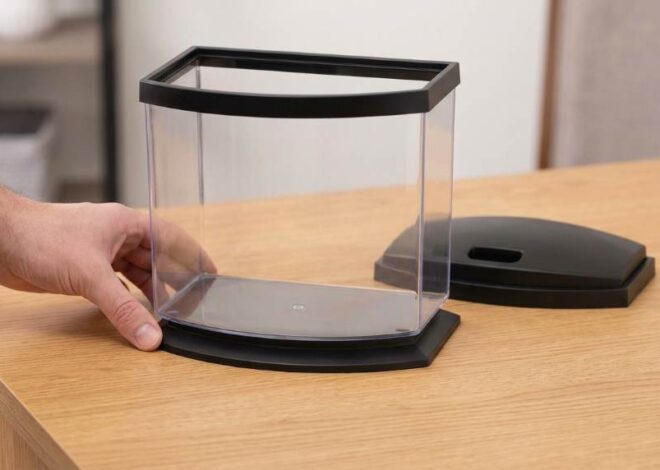
Lay the equipment beside the aquarium and compare each item against the included instructions. Separate the filter, light, lid, accessories, tubing, media, and other supplied parts before assembly.
This simple step prevents confusion later, especially when several small components perform different functions. It also helps you identify missing parts before the aquarium becomes wet and difficult to rearrange.
Choose a Safe Location
Place the aquarium on a sturdy surface that can safely support its filled weight. Water alone weighs about 8.34 pounds per gallon, excluding glass, substrate, decorations, and equipment.
For that reason, avoid unstable shelves, narrow furniture, or surfaces that flex under pressure. Keep the aquarium away from direct sunlight, heating vents, exterior doors, and locations with frequent temperature changes.
Use the supplied aquarium mat when the model includes one because it helps distribute pressure beneath the glass. Before filling, verify that the tank sits level without rocking or twisting.
Clean the Aquarium and Accessories
Clean the empty aquarium with plain water before adding substrate or decorations. Never use dish soap, bleach residue, glass cleaner, or scented household products inside the aquarium.
Rinse gravel, sand, rocks, and decorations separately until the water becomes reasonably clear. However, avoid aggressively washing biological filter media because beneficial bacteria can colonize those surfaces later.
Prepare the Substrate
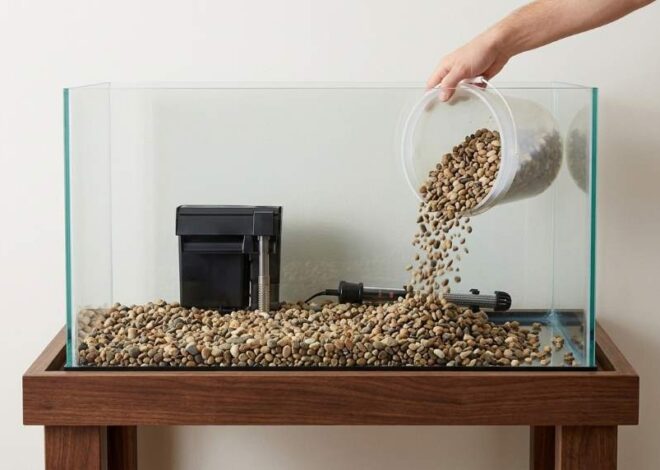
Add enough substrate to create a stable base without burying equipment or blocking filter intakes. A modest layer works well for many simple freshwater layouts.
If you plan to grow rooted plants, choose substrate according to the plants you want rather than appearance alone. Meanwhile, smooth gravel can provide a straightforward option for beginners who prefer easy maintenance.
Install the Filter Correctly
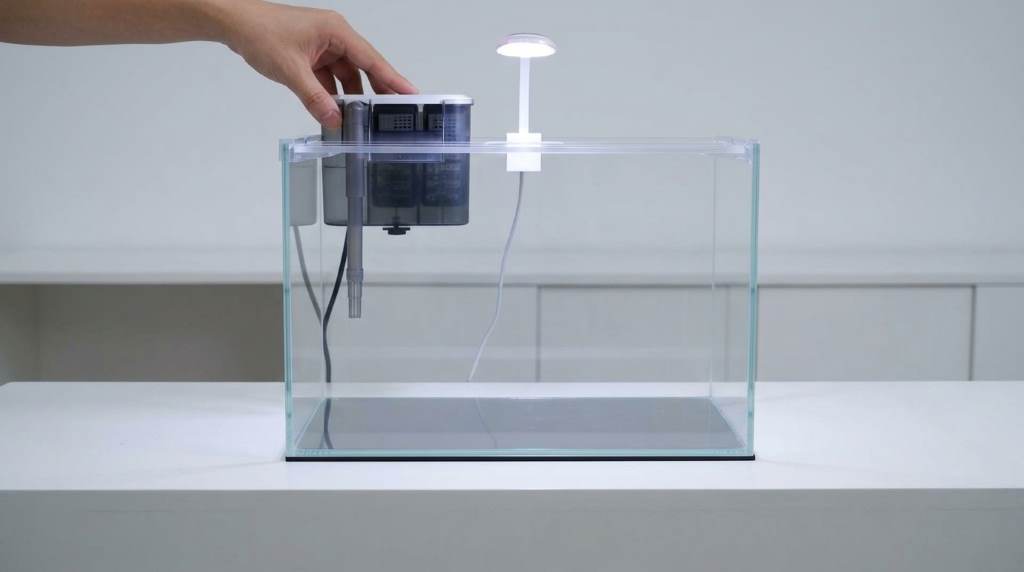
Install the Vimvins filter according to the configuration supplied with your specific tank. Keep the intake unobstructed and position the outlet so water circulates across the aquarium.
Before switching the filter on, make sure the pump and required filter components have adequate water around them. Never allow an aquarium pump designed for submerged operation to run dry.
Prime the Filter Before Running It
Fill or prime the filter as its design requires before connecting power. Then switch it on and watch the water movement for several minutes.
Check whether the filter produces consistent flow without unusual rattling or excessive vibration. If bubbles appear initially, allow the system time to purge trapped air before changing anything.
Set Up the Aquarium Light
Position the Vimvins light securely above the aquarium without allowing electrical connections to sit where water can reach them. Keep cords arranged with a drip loop below the outlet connection.
Use moderate lighting rather than leaving the aquarium illuminated continuously. Excessive lighting can encourage algae growth, especially when the tank contains few plants.
If you keep live plants, select lighting duration according to plant requirements and algae response. Start conservatively, then increase exposure only when the aquarium remains balanced.
Add Decorations and Plants
Arrange decorations before filling the aquarium completely because underwater adjustments become harder and messier. Create open swimming space while providing sheltered areas where appropriate.
Inspect rocks and ornaments for sharp edges that could injure fish. Secure unstable decorations because digging, swimming, or routine maintenance can accidentally move loose objects.
Use Beginner-Friendly Plants
Hardy plants can make a small aquarium more natural while helping consume available nutrients. Anubias, Java fern, and certain mosses can suit beginner-friendly freshwater layouts.
Attach rhizome plants correctly instead of burying their thick horizontal stems beneath substrate. Healthy plant growth also depends on suitable lighting, nutrients, water conditions, and maintenance.
Fill the Tank With Conditioned Water
Slowly add water after positioning the substrate and decorations. Pour water onto a small plate or plastic bag to prevent strong currents from disturbing the layout.
Always use an appropriate aquarium water conditioner when your tap water contains chlorine or chloramine. Follow the conditioner manufacturer’s dosage rather than estimating the required amount.
Leave enough space near the top for equipment, surface movement, and safe water displacement. Then check the aquarium from several angles for leaks or unusual stress.
Set the Correct Temperature
Temperature requirements depend on the species you plan to keep, so choose equipment after deciding on livestock. Many tropical freshwater fish require warmer water than ordinary room temperature provides.
For tropical species, use a properly sized adjustable heater with an independent thermometer when appropriate. Position the heater where water movement can distribute warmth throughout the aquarium.
Never rely on the heater’s setting alone because equipment can malfunction or temperatures can vary around the tank. Check the actual water temperature before introducing livestock.
Cycle the Aquarium Before Adding Fish
The most important step after filling the tank involves establishing beneficial bacteria. This process, called the nitrogen cycle, helps convert toxic fish waste into less harmful compounds.
Do not add fish immediately simply because the water looks clear. Clear water can still contain dangerous ammonia or nitrite levels.
How to Know When Cycling Has Progressed
Use a reliable aquarium test kit to monitor ammonia, nitrite, and nitrate during cycling. Record the results so you can recognize trends instead of judging water quality by appearance.
A properly established biological filter should process ammonia and nitrite effectively. Before stocking, confirm stable test results appropriate for the species you intend to keep.
Patience here prevents many common beginner problems, including unexplained fish stress and repeated emergency water changes. Cycling also gives the aquarium time to stabilize before livestock adds a new biological load.
Introduce Fish Safely
Once the aquarium has cycled, introduce livestock gradually rather than filling the tank immediately. A small biological load gives the filter more time to adjust to new waste production.
Acclimate new fish carefully because temperature and water chemistry differences can cause unnecessary stress. Float the transport container if appropriate, then gradually introduce aquarium water according to the fish’s needs.
Keep Stocking Conservative
Small aquariums reward restraint because every additional animal increases waste production and biological demand. Choose one suitable centerpiece fish or an appropriate invertebrate setup rather than overcrowding the tank.
Research adult size, temperament, temperature, filtration needs, and social behavior before purchasing additional livestock. Never use appearance alone as the deciding factor for stocking.
Test and Maintain the Aquarium
Check water parameters more frequently during the first few weeks after adding livestock. Ammonia and nitrite deserve particular attention whenever the biological load changes.
Perform partial water changes when testing or maintenance indicates they are necessary. Match replacement water temperature closely and condition it before adding it to the aquarium.
Clean algae from the glass with an aquarium-safe scraper or pad. Remove uneaten food and visible waste promptly because small tanks can accumulate pollutants quickly.
Maintain the Filter Without Destroying Beneficial Bacteria
Do not replace every filter component simultaneously unless the manufacturer specifically requires it. Biological media can house beneficial bacteria that support the aquarium’s nitrogen cycle.
When cleaning reusable media, gently rinse it with removed aquarium water rather than untreated tap water. This approach helps preserve established bacteria while removing accumulated debris.
Common Vimvins Setup Mistakes to Avoid
- Adding fish immediately: Always establish the biological cycle before stocking.
- Using soap: Household cleaning products can leave harmful residues inside aquariums.
- Ignoring tank damage: Never fill an aquarium with cracked or chipped glass.
- Overstocking: Small tanks cannot safely support unlimited fish simply because they fit physically.
- Skipping water tests: Invisible ammonia and nitrite can harm fish without changing water clarity.
- Overfeeding: Excess food decomposes and increases the aquarium’s waste burden.
- Overcleaning: Excessive cleaning can disrupt beneficial biological communities.
- Blocking filter flow: Keep intake and outlet areas clear for reliable circulation.
A Simple First-Week Setup Schedule
| Stage | What To Do | What To Check |
|---|---|---|
| Day 1 | Inspect, clean, position, and assemble the aquarium. | Glass, seams, level surface, equipment |
| Day 1 | Add substrate, decorations, conditioned water, and equipment. | Leaks, circulation, temperature |
| Days 2 to 7 | Run equipment and begin biological cycling. | Ammonia, nitrite, temperature |
| Following weeks | Continue cycling and monitor water chemistry. | Ammonia, nitrite, nitrate |
| After cycling | Introduce suitable livestock gradually. | Behavior, appetite, water parameters |
How to Make a Small Vimvins Aquarium Easier to Manage
Keep the layout simple if this is your first aquarium because simpler systems make problems easier to identify. Leave enough open space around equipment so routine maintenance remains convenient.
Store water conditioner, test supplies, a dedicated aquarium bucket, and basic cleaning tools nearby. Consequently, routine maintenance becomes a quick habit instead of an occasional emergency.
Feed only what your fish can consume within a short period. Remove leftover food promptly when you notice it settling on the substrate.
When Your Aquarium Needs Attention
Cloudy water does not automatically mean the aquarium needs a complete teardown. Instead, test the water first and investigate feeding, cycling, filtration, and stocking.
Watch fish for unusual hiding, rapid breathing, loss of appetite, clamped fins, or persistent surface gasping. These signs can indicate water-quality, temperature, oxygenation, or health problems.
If something suddenly changes, test the water before making several changes simultaneously. A measured response usually produces better results than repeatedly replacing equipment or adding random treatments.
Frequently Asked Questions
How long should I cycle a Vimvins fish tank?
Allow the aquarium to cycle fully and confirm suitable ammonia and nitrite results before adding fish.
Can I put a betta in a Vimvins small fish tank?
Yes, but a filtered, heated 5-gallon setup generally provides a better environment than smaller volumes.
Should I wash the Vimvins tank with soap?
No, rinse the aquarium with clean water and avoid household cleaning chemicals.
Does a small aquarium need a heater?
Tropical fish usually need stable warm water, so use an appropriately sized heater when their species requires it.
How often should I test a new aquarium?
Test frequently during cycling and after introducing livestock, then adjust testing based on aquarium stability.
Final Thoughts
Setting up a Vimvins aquarium successfully requires more than assembling the equipment and filling the glass. A level foundation, conditioned water, effective filtration, stable temperature, and completed nitrogen cycle create the essential foundation.
Start with conservative stocking and monitor water chemistry instead of relying on appearance alone. If you follow these steps carefully, your compact aquarium can become easier to maintain and healthier for its inhabitants.
Before adding your first fish, review the tank size, equipment, livestock requirements, and test results one final time. Then introduce suitable inhabitants gradually and build your maintenance routine around consistent observation.