
Aquarium Maintenance Routine After Introducing New Fish
Adding new fish to your aquarium creates excitement and beauty in your underwater ecosystem. However, this introduction also demands careful attention to water quality and tank conditions. Proper maintenance during the first few weeks determines whether your new fish thrive or struggle in their environment.
Why New Fish Require Special Maintenance Attention
New fish introduce additional bioload to your aquarium system. Their waste products increase ammonia and nitrite levels faster than established tanks. Additionally, stress from transportation and acclimation weakens their immune systems temporarily.
The first 30 days prove critical for new fish survival. Therefore, enhanced monitoring and maintenance prevent common problems like disease outbreaks and water quality crashes. Your existing fish also benefit from this increased attention to tank conditions.
Daily Monitoring During the First Week
The initial seven days require vigilant observation and testing. Check water temperature twice daily to ensure heater stability. Temperature fluctuations stress new fish and compromise their health.
Observe all fish during feeding times for unusual behavior. New fish may hide initially, but they should begin exploring within 48 hours. Moreover, watch for signs of aggression from established tank inhabitants toward newcomers.
Count your fish each morning and evening. Missing fish could indicate death, escape, or excessive hiding due to bullying. Additionally, remove any uneaten food after five minutes to prevent water quality deterioration.
Test ammonia and nitrite levels daily for the first week. Even slight elevations indicate your biological filter struggles with increased waste. Nitrate levels should also be monitored every other day during this period.
Water Testing Schedule for Weeks Two Through Four
After the critical first week, adjust testing frequency based on observed parameters. Continue testing ammonia and nitrite every two to three days. These readings should remain at zero in established, healthy aquariums.
Test nitrate levels twice weekly during weeks two through four. Nitrate accumulation indicates proper nitrogen cycle function but requires management through water changes. Levels above 20 ppm necessitate immediate partial water changes.
Check pH levels weekly to ensure stability. Sudden pH swings stress both new and established fish populations. Therefore, consistent pH matters more than achieving perfect numbers for most community tanks.
Monitor water hardness bi-weekly if keeping species with specific requirements. Additionally, test phosphate levels if algae growth increases noticeably after adding new fish. Elevated phosphates often accompany increased feeding amounts.
Enhanced Water Change Protocol
Standard maintenance typically involves 25 percent water changes bi-weekly. However, new fish additions require more frequent changes initially. Perform 15-20 percent water changes twice weekly for the first month.
These smaller, more frequent changes maintain stable water parameters better than large weekly changes. Moreover, they remove accumulated waste products before reaching harmful concentrations. Use dechlorinated water matched to tank temperature within two degrees.
Vacuum substrate thoroughly during each water change. New fish waste settles into gravel or sand, creating anaerobic pockets if ignored. Therefore, focus on high-traffic areas and beneath decorations where waste accumulates.
Clean tank glass weekly to monitor fish clearly and maintain aesthetic appeal. Algae growth often increases with higher nutrient levels from additional fish. However, leave some algae on back and side walls as natural food sources.
According to the Spruce Pets, regular water changes remain the single most important maintenance task for aquarium health.
Filter Maintenance Adjustments
Avoid cleaning biological filter media during the first month after adding fish. This media houses beneficial bacteria processing fish waste. Disturbing it during bioload adjustment risks beneficial bacteria die-off and ammonia spikes.
Rinse mechanical filter media weekly in old tank water during water changes. This removes trapped debris without killing beneficial bacteria. Replace disposable cartridges only when water flow decreases noticeably or media disintegrates.
Check filter intake tubes and impellers bi-weekly for debris blockages. Reduced flow rates stress your biological filtration system. Additionally, ensure output nozzles direct water flow across the entire tank surface.
Consider adding supplemental filtration if ammonia or nitrite readings remain elevated after two weeks. Sponge filters provide additional biological filtration without strong currents that stress some fish species. Moreover, they protect fry and small fish from intake suction.

Feeding Adjustments and Waste Management
Resist overfeeding new fish despite their apparent hunger. Feed only what fish consume within two to three minutes twice daily. Overfeeding creates the primary cause of water quality problems in aquariums.
New fish may eat less initially due to stress and unfamiliar surroundings. Therefore, reduce total feeding amounts by 25 percent for the first week. Gradually increase portions as new fish develop normal eating patterns.
Observe whether new fish compete successfully for food with established residents. Shy or slower fish may require separate feeding areas or sinking foods. Additionally, nighttime feeding helps nocturnal species receive adequate nutrition.
Remove any uneaten food immediately after feeding sessions. Decaying food releases ammonia rapidly and encourages harmful bacterial growth. Therefore, a small aquarium net dedicated to food removal proves invaluable.
Disease Prevention and Early Detection
Quarantine new fish in separate tanks for two to four weeks before introduction when possible. This practice prevents disease transmission to established populations. However, many hobbyists lack quarantine facilities and must monitor carefully instead.
Examine all fish daily for physical abnormalities like white spots, fuzzy patches, or torn fins. Early disease detection allows treatment before entire tank populations become infected. Moreover, stressed new fish often develop ich within the first week.
Watch for behavioral changes indicating illness or stress. Clamped fins, rapid breathing, and bottom-sitting suggest problems requiring investigation. Additionally, fish scratching against objects may indicate parasites even before visible symptoms appear.
Maintain a hospital tank ready for isolating sick fish immediately. A simple 10-gallon setup with sponge filter and heater suffices for most situations. Therefore, you can treat individuals without medicating the entire display tank.
Nitrogen Cycle Monitoring
The nitrogen cycle converts toxic ammonia through nitrite into less harmful nitrate. Adding fish increases ammonia production, potentially overwhelming beneficial bacteria populations. Consequently, careful monitoring prevents dangerous spikes during bacterial colony expansion.
Ammonia levels above 0.25 ppm require immediate action. Perform emergency 50 percent water changes and cease feeding for 24 hours. Additionally, consider adding bottled beneficial bacteria to accelerate colony growth.
Nitrite spikes typically follow ammonia elevations by several days. Nitrite prevents oxygen absorption in fish blood, causing suffocation despite adequate dissolved oxygen. Therefore, maintain nitrite at zero through water changes and reduced feeding.
According to National Geographic, understanding the nitrogen cycle remains fundamental to successful fishkeeping and prevents most common beginner mistakes.
Algae Management Strategies
New fish mean more waste nutrients feeding algae growth. Some algae growth indicates healthy tank conditions, but excessive amounts suggest imbalanced parameters. Therefore, address underlying causes rather than just removing visible algae.
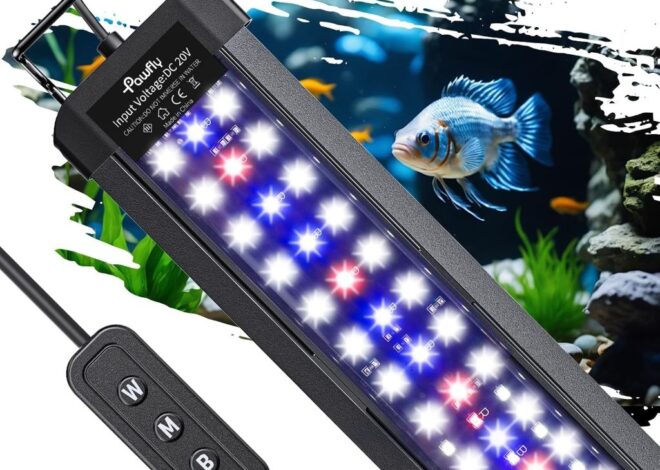
Reduce lighting duration to eight hours daily if algae blooms occur. Excessive light combined with high nutrients creates perfect algae conditions. Additionally, ensure lights are not receiving direct sunlight supplementation through windows.
Introduce algae-eating species only after new fish fully acclimate. Otocinclus catfish, nerite snails, and certain plecos consume various algae types. However, ensure adequate food sources exist or provide supplemental algae wafers.
Manual algae removal during water changes controls growth effectively. Scrape glass with appropriate tools and remove dying plant leaves promptly. Moreover, reduce feeding amounts if algae persists despite other control measures.
Acclimation Period Support
New fish require several weeks to fully adjust to tank conditions and establish territories. Minimize tank disturbances during this period beyond necessary maintenance. Loud noises, bright room lights, and frequent tank moves create unnecessary stress.
Maintain consistent feeding schedules to help new fish develop routines. Feed at the same times daily, preferably when room activity remains low. Additionally, turn off overhead room lights 30 minutes before tank lights to prevent startling fish.
Avoid adding more new fish for at least one month after the previous introduction. This waiting period allows biological filtration to stabilize and territorial behaviors to settle. Therefore, patience prevents overcrowding problems and stressed fish.
Provide adequate hiding places for shy species to retreat when stressed. Caves, plants, and decorations create security and reduce aggression. Moreover, proper territorialization prevents constant chasing and fin damage.
Equipment Check and Optimization
Verify all equipment functions properly under increased bioload. Heaters must maintain stable temperatures despite higher waste heat production. Check heater accuracy with separate thermometers placed at different tank levels.
Ensure adequate water circulation reaches all tank areas. Dead spots allow waste accumulation and create low-oxygen zones. Therefore, adjust filter outputs or add circulation pumps if needed.
Test air pumps and airstones if using supplemental aeration. Increased fish populations demand higher dissolved oxygen levels, especially in warmer water. Additionally, surface agitation from aeration helps gas exchange efficiency.
Inspect all electrical connections and cords for damage or water exposure. Increased maintenance frequency means more opportunity for water splashes on equipment. Moreover, ground fault circuit interrupters prevent dangerous electrical shocks.
Long-Term Maintenance Transition
After one month of enhanced maintenance, gradually transition to standard schedules if parameters remain stable. Continue weekly water changes but reduce frequency from twice to once weekly if testing supports this change.
Reduce testing frequency to weekly for ammonia and nitrite if readings consistently show zero. Continue monitoring nitrates weekly and perform water changes when levels exceed 20 ppm. However, remain vigilant for any parameter changes indicating problems.
Maintain detailed maintenance logs documenting all tests, water changes, and observations. These records help identify patterns and predict potential problems. Additionally, logs prove invaluable when troubleshooting unexplained issues later.
Schedule monthly deep cleaning sessions addressing filter media, substrate, and decorations. These thorough maintenance days prevent long-term buildup while maintaining beneficial bacteria populations. Therefore, rotate cleaning different tank sections monthly rather than everything simultaneously.
Conclusion
Successfully maintaining aquariums after introducing new fish requires dedication and attention to detail. Enhanced monitoring during the first 30 days prevents common problems and ensures healthy fish populations. Daily observations, increased water testing, and more frequent water changes create optimal conditions for new fish acclimation. Therefore, following these protocols helps both new and established fish thrive together. Remember that patience and consistency in maintenance routines produce the best long-term results for your aquatic ecosystem.
Frequently Asked Questions
How often should I test water after adding new fish to my aquarium?
Test ammonia and nitrite daily for the first week, then every 2-3 days during weeks two through four. Test nitrates twice weekly and pH weekly during the first month. After stable readings for 30 days, reduce to weekly testing.
When can I return to my normal water change schedule after adding new fish?
Maintain increased water changes (15-20 percent twice weekly) for the first month. If ammonia and nitrite remain at zero and nitrates stay below 20 ppm, gradually return to your standard schedule after 30 days.
Should I clean my filter after introducing new fish?
Avoid cleaning biological filter media for at least one month after adding fish. Only rinse mechanical filter media weekly in old tank water if flow decreases. Your beneficial bacteria need stability during bioload adjustment.
How much should I feed my aquarium after adding new fish?
Reduce feeding by 25 percent during the first week as new fish may eat less due to stress. Feed only what all fish consume in 2-3 minutes twice daily. Gradually increase portions as new fish establish normal eating patterns.
What should I do if ammonia levels rise after adding new fish?
Perform immediate 50 percent water changes if ammonia exceeds 0.25 ppm. Stop feeding for 24 hours and test daily. Add bottled beneficial bacteria and continue daily water changes until readings return to zero.
Related Topics:
Essential Aquarium Setup Tips And Maintenance Tricks for a Healthy Tank
Sumpless Saltwater Aquariums: Benefits & Drawbacks You Need to Know