Sumpless Saltwater Aquariums: Benefits & Drawbacks You Need to Know
Saltwater aquariums have fascinated hobbyists for decades, offering a vibrant glimpse into ocean ecosystems. Among the many setups, the sumpless saltwater aquarium stands out. But what exactly is it, and why is it gaining traction? This article dives into sumpless saltwater aquariums: benefits & drawbacks you need to know, highlighting expert opinions and real-world insights to help you decide if this innovative design fits your marine passion.
What is a Sumpless Saltwater Aquarium?
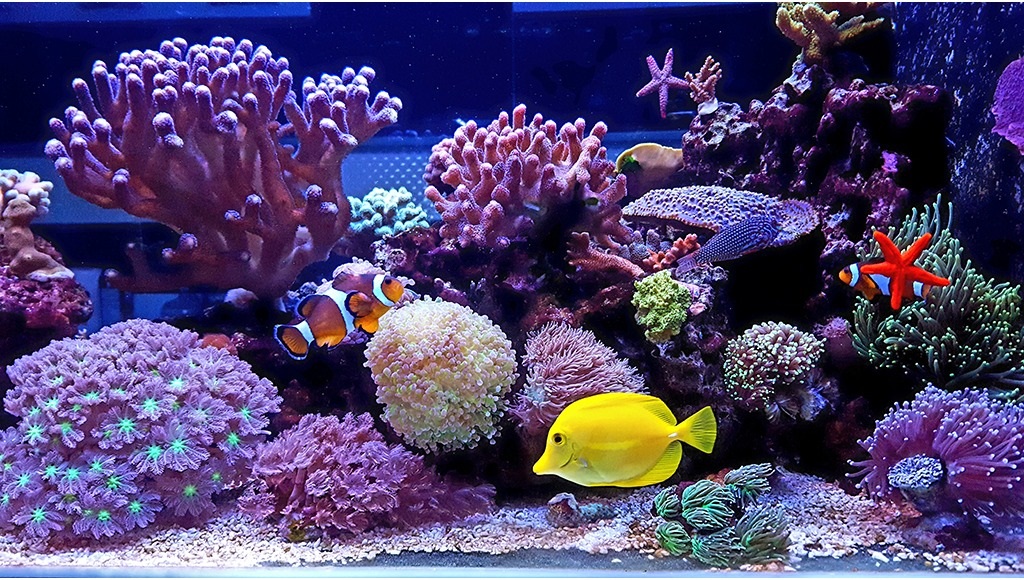
Image Source
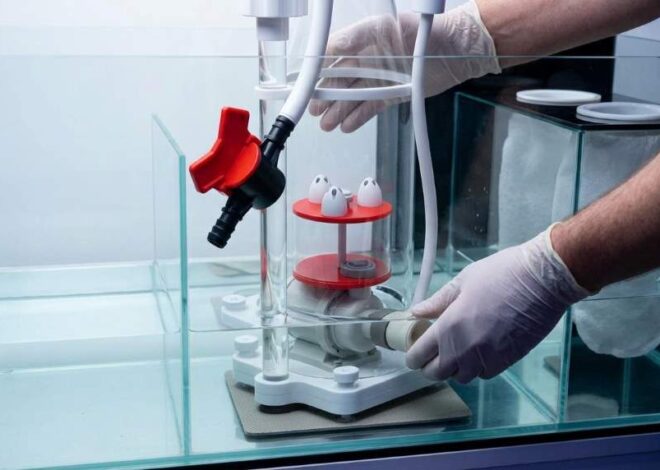
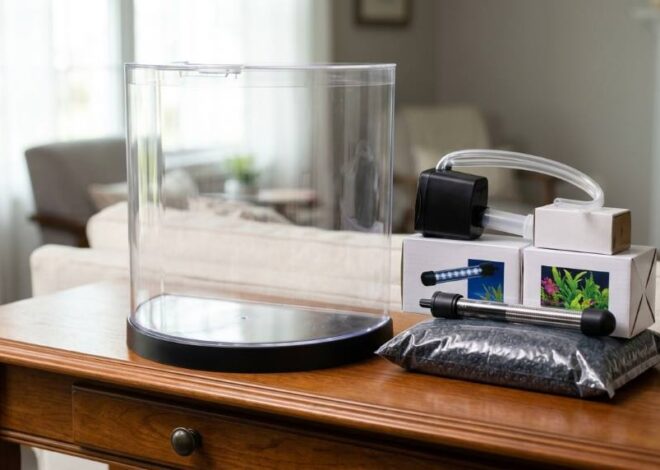
A sumpless saltwater aquarium is a reef tank or marine setup without the traditional sump system. Typically, sumps act as reservoirs underneath the main tank to house equipment like protein skimmers, heaters, and filters. Sumpless designs remove this secondary tank, consolidating all equipment within or adjacent to the display aquarium.
The appeal lies in minimalism and aesthetics. By eliminating the sump, aquarists can showcase a cleaner, more streamlined setup. However, this design isn’t without trade-offs.
The Benefits of Sumpless Saltwater Aquariums
-
Streamlined Aesthetic Appeal
One of the most significant draws is the visual simplicity. Without a bulky sump, the aquarium setup looks sleek, which appeals to hobbyists prioritizing decor integration. According to a survey by Reef Builders, over 60% of hobbyists appreciate the clean look sumpless tanks offer, making it an aesthetic game-changer.
-
Space-Saving Design
Sumpless aquariums reduce the overall footprint, which suits hobbyists with limited room. Traditional sumps can take up a large cabinet space beneath or beside the aquarium. Therefore, the sumpless approach offers a compact alternative, especially for urban dwellers or those with small rooms.
-
Fewer Water Changes and Equipment Complexity
By removing the sump, water circulation is simplified. There are fewer hoses, connections, and potential leak points. This design can reduce maintenance time, appealing to beginners overwhelmed by sump complexity. Some marine experts note that sumpless tanks can be easier to set up for those who want straightforward aquarium management.
-
Lower Initial Setup Cost
While high-quality sumps can be pricey, eliminating this component lowers startup costs. This financial advantage encourages beginners to venture into saltwater tanks without a massive upfront investment.
The Drawbacks of Sumpless Saltwater Aquariums
-
Reduced Water Volume and Stability
One of the critical drawbacks of sumpless saltwater aquariums is the reduction in total water volume. Sumps often add 20-40% more water to the system, increasing stability. The absence of a sump means less water to buffer against sudden changes, making the aquarium more vulnerable to temperature and chemical fluctuations. Marine biologist Dr. Mark Rojas emphasizes, “Water volume is a critical factor in maintaining water chemistry balance, especially in saltwater tanks.”
-
Limited Equipment Flexibility
Without a sump, accommodating equipment inside the main tank or cabinet becomes challenging. Protein skimmers, reactors, and heaters must fit within the display or attached compartments. This can limit the ability to upgrade or customize equipment over time.
-
Increased Noise and Visibility of Equipment
Sumpless tanks often have pumps and filters inside the display or in visible compartments. This setup increases noise levels and can detract from the natural beauty of the aquarium. Reef hobbyist forums frequently cite noise pollution as a top complaint among sumpless tank owners.
-
Difficulties with Water Quality Management
Sumps facilitate effective mechanical and biological filtration. Without one, hobbyists must rely on alternative filtration methods inside the tank. This can challenge maintaining optimal water parameters, increasing the risk of algae blooms or fish stress.
Expert Opinions: A Balanced Perspective
Saltwater aquarists are divided on sumpless systems. Experts like Marine Aquarium Society’s president Sarah Jensen advocate for sumpless tanks in small, well-planned setups, stating, “For nano reefs or compact builds, sumpless aquariums offer simplicity and elegance without sacrificing too much stability.”
Conversely, veteran aquarists with larger setups warn, “Sumpless tanks increase risks due to reduced water volume and less equipment flexibility,” says John Pritchard, a long-time reef keeper.
Statistics from Practical Fishkeeping magazine show that 70% of experienced reef keepers prefer traditional sump systems for tanks over 50 gallons, citing enhanced water quality control and ease of maintenance.
Real-World Solutions for Sumpless Tanks
Despite drawbacks, several solutions can optimize sumpless saltwater aquariums:
- Use Efficient Filtration Systems: Advanced hang-on-back protein skimmers or external reactors can mitigate filtration challenges.
- Incorporate Automated Systems: Automated top-off systems and heaters help stabilize water parameters despite lower volumes.
- Select Hardy Species: Stock fish and corals tolerant of slightly fluctuating conditions to minimize stress.
- Invest in Quality Pumps: Quiet, energy-efficient pumps reduce noise, improving the tank’s ambiance.
Additionally, regular water testing becomes essential to monitor changes proactively. Many hobbyists use apps or digital sensors to maintain ideal conditions.
Featured Snippet
What Are Sumpless Saltwater Aquariums, and Should You Choose One?
Sumpless saltwater aquariums operate without a traditional sump system, integrating all equipment within or beside the main display tank. They offer space-saving benefits, a sleek aesthetic, and simpler setups, ideal for smaller tanks or beginners. However, they reduce total water volume, limit equipment flexibility, and can increase noise levels. Experts recommend sumpless systems for compact setups but caution that larger tanks benefit from sump stability. To optimize a sumpless tank, use efficient filtration and automation to maintain water quality and minimize stress on marine life.
Frequently Asked Questions (FAQs)
Are sumpless saltwater aquariums easier to maintain?
They can be simpler for beginners due to fewer parts but may require more frequent water testing.
Is a sumpless system suitable for large reef tanks?
Generally no. Larger tanks benefit from the stability and equipment capacity of sumps.
Can I use a protein skimmer in a sumpless aquarium?
Yes, but choose hang-on-back or compact models designed for sumpless setups.
How does the lack of a sump affect water quality?
Less water volume means quicker changes in water parameters, requiring vigilant maintenance.
Do sumpless tanks cost less to set up?
Typically, yes, since you skip the sump and related plumbing.
Are sumpless aquariums noisier?
They can be, due to visible pumps and equipment inside the main tank.
Can I convert a sumpless tank to a sump system later?
In most cases, yes, but it depends on tank size and cabinet space.
Read More Also: Aquarium Hacks: Maintenance Tips And Problem-Solving Strategies
Final Thought
Sumpless saltwater aquariums present an exciting option for marine hobbyists who value simplicity and aesthetics. While they offer space-saving benefits and cost efficiency, they also introduce challenges related to water stability and equipment capacity. Understanding these trade-offs is crucial before diving in. Whether you choose a sumpless or sump system, regular maintenance, quality equipment, and proper stocking remain the keys to a thriving marine ecosystem.