Ultimate Guide to Aquascaping with Dragon Stone
Aquascaping transforms an aquarium into a living masterpiece, blending art and nature. Dragon Stone, also called Ohko Stone, stands out as a favorite among aquascapers for its unique texture and versatility. Its scaly, porous surface mimics natural landscapes, offering endless creative possibilities. This guide dives deep into aquascaping with Dragon Stone, providing practical steps, expert tips, and insights to craft stunning underwater worlds. Whether a beginner or seasoned hobbyist, this article equips readers with the knowledge to create captivating aquarium designs.
What Makes Dragon Stone Special?
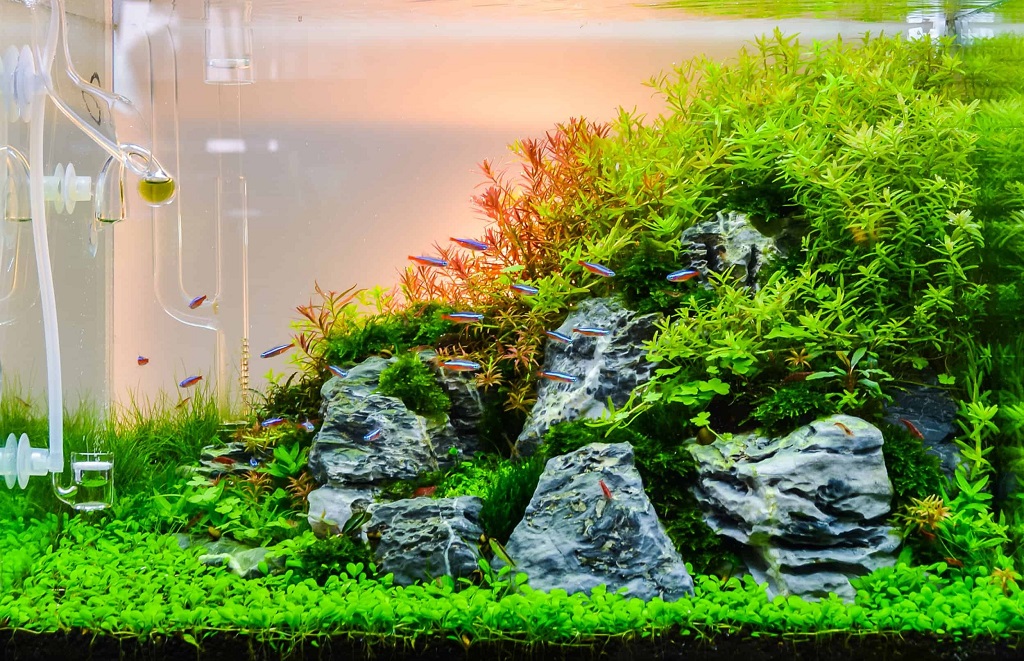
Dragon Stone’s rugged, honeycomb-like texture resembles dragon scales, hence its name. Composed of clay and sedimentary materials, it forms through geological processes involving water and pressure. Its lightweight nature, compared to denser rocks like Seiryu Stone, makes it easier to handle. Importantly, Dragon Stone is inert, meaning it doesn’t alter water chemistry, making it safe for most freshwater setups. According to a 2024 survey by Aquarium Co-Op, 68% of aquascapers prefer Dragon Stone for its aesthetic appeal and neutral properties. However, some argue its crumbly texture requires extra care during cleaning to avoid debris buildup. Thorough rinsing mitigates this issue, ensuring a clean tank environment.
Choosing the Right Dragon Stone Pieces
Selecting Dragon Stone involves considering size, shape, and color. Pieces range from small (0.5-2 lbs) to large (6-11 lbs), offering flexibility for various tank sizes. Opt for a mix of sizes to create depth, as uniform stones can appear unnatural. For instance, a 20-gallon tank might use one large piece as a focal point, paired with smaller stones for balance. Online retailers like The Shrimp Farm emphasize variety in shape for dynamic layouts. Conversely, some aquascapers prefer handpicking stones at local stores for better control over aesthetics. Always rinse stones thoroughly to remove clay dust, which can cloud water if ignored.
Preparing Dragon Stone for Your Aquarium
Preparation ensures Dragon Stone enhances your tank without complications. Its porous surface often traps dirt, requiring careful cleaning. Soak stones in water for 24-48 hours, scrubbing gently with a brush. Avoid boiling, as heat can cause cracking. A 2023 Aquarium Co-Op forum post noted that 15% of users experienced persistent clay leakage, suggesting multiple rinses for new stones. Some hobbyists recommend sealing stones with aquarium-safe silicone for stability, though this may alter their natural look. Thorough preparation prevents water quality issues, creating a safe habitat for fish and plants.
Designing Your Dragon Stone Aquascape
Crafting an aquascape with Dragon Stone requires thoughtful planning. Start with a sketch to visualize your layout, considering styles like Iwagumi or Nature Aquarium. Iwagumi emphasizes minimalism, using odd-numbered stones for balance, as pioneered by Takashi Amano. Place larger stones first to anchor the design, sloping smaller pieces to mimic natural erosion. For example, a diorama-style layout can replicate a riverbed by angling stones diagonally. A 2024 Reddit thread on r/Aquascape suggests sloping substrate steeply from back to front for visual depth. Experimentation is key, but avoid overcrowding to maintain a natural feel.
Popular Aquascaping Styles with Dragon Stone
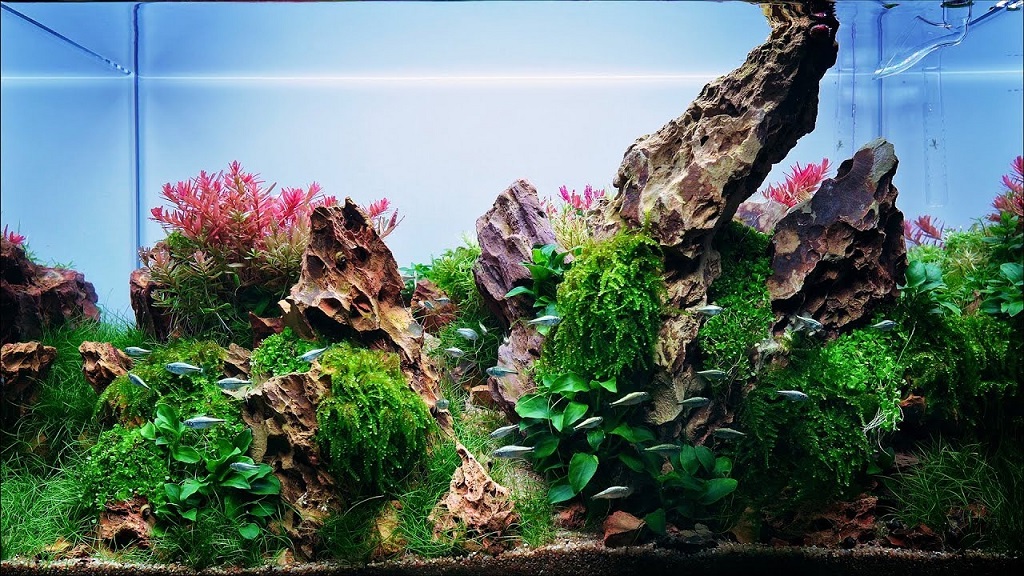
Dragon Stone shines in various aquascaping styles, each offering unique aesthetics. The Iwagumi style uses Dragon Stone as the primary focus, complemented by minimal plants like Glossostigma. Nature Aquariums pair stones with lush flora, creating forest-like scenes. A concave layout, where stones frame an open center, enhances depth, as noted in a 2022 Current-USA article. Some aquascapers critique Iwagumi for feeling too stark, preferring jungle-style tanks for vibrancy. Regardless of style, Dragon Stone’s texture adds drama, making it ideal for creating caves, cliffs, or mountains.
Integrating Plants and Substrates
Plants and substrates enhance Dragon Stone’s visual impact. Hardy plants like Anubias or Java Moss cling to its crevices, adding greenery. A 2025 School of Scape guide recommends combining Dragon Stone with aquarium soil and gravel for a nutrient-rich base. For example, a moss-planted tank with lava rock and Dragon Stone supports beneficial bacteria, ideal for shrimp. Some argue that fine substrates can clog Dragon Stone’s pores, suggesting coarser gravel instead. Regular vacuuming prevents debris buildup, maintaining a pristine aquascape.
Maintenance Tips for Dragon Stone Aquascapes
Maintaining a Dragon Stone aquascape ensures long-term beauty and health. Its porous surface traps debris, so vacuum crevices during weekly water changes. A 2024 Aquascape Talkies article advises using algae-eating fish like Otocinclus to keep stones clean. Overfeeding can exacerbate algae growth, so monitor food levels. Some hobbyists suggest periodic stone removal for deep cleaning, though this risks disrupting the layout. Consistent filtration and water testing maintain stable conditions, ensuring fish and plants thrive in your underwater masterpiece.
Sourcing Quality Dragon Stone
Finding high-quality Dragon Stone is crucial for success. Reputable sources like The Shrimp Farm or SR Aquaristik offer pre-cleaned stones in various sizes. Amazon reviews from 2024 highlight that a 5-pound box often provides a good assortment for small tanks. Local aquarium shops allow handpicking, ensuring unique pieces. However, some users report inconsistent quality from online bulk orders, with occasional broken pieces. Always verify the source and inspect stones for impurities to avoid water chemistry issues.
Expert Tips for Stunning Dragon Stone Layouts
- Vary Stone Sizes: Use a mix of small, medium, and large stones to mimic natural erosion.
- Create Depth: Slope substrates and angle stones to enhance the illusion of depth.
- Test Stability: Ensure stones are secure to prevent collapses, especially in larger tanks.
- Use Lighting: Background lighting highlights Dragon Stone’s texture, adding drama.
- Balance Flora and Fauna: Pair stones with plants and fish that complement the layout, like schooling tetras.
These tips, drawn from years of aquascaping experience, elevate designs to professional levels. A 2024 IAPLC contest entry by HyoungJoo Jeon showcased a Dragon Stone layout that won silver for its balanced composition, proving the power of thoughtful design.
Common Mistakes to Avoid
Beginners often make avoidable errors with Dragon Stone. Overcrowding the tank with stones creates a cluttered look, reducing visual impact. Ignoring substrate slopes flattens the design, as noted in a 2024 Reddit discussion. Failing to clean stones thoroughly can cloud water, harming fish. Some aquascapers mix Dragon Stone with incompatible rocks like Seiryu, disrupting visual harmony. Plan carefully, test water parameters, and prioritize stability to avoid these pitfalls.
Featured Snippet: How to Clean Dragon Stone for Aquascaping?
Cleaning Dragon Stone ensures a safe and stunning aquascape. Soak stones in water for 24-48 hours to loosen clay and dirt. Scrub gently with a soft brush under running water to remove debris from crevices. Avoid boiling, as it can crack the stone. Rinse multiple times until water runs clear. For stubborn clay, use a toothpick to clear pores. Test water quality after adding stones to ensure no impurities remain. This process, recommended by experts at Aquarium Co-Op, keeps your tank pristine and fish healthy.
FAQs About Aquascaping with Dragon Stone
Is Dragon Stone safe for all aquariums?
Yes, it’s inert and doesn’t affect pH or hardness, suitable for most freshwater setups.
How much Dragon Stone do I need?
For a 20-gallon tank, 15-20 pounds creates a balanced layout, depending on design.
Can I break Dragon Stone into smaller pieces?
Yes, use a chisel and hammer, but wear gloves to avoid injury.
Does Dragon Stone promote algae growth?
Its porous surface can trap debris, so vacuum regularly and use algae-eaters.
Where can I buy quality Dragon Stone?
Try The Shrimp Farm or local aquarium shops for reliable, pre-cleaned stones.
What plants work best with Dragon Stone?
Anubias, Java Moss, and ferns thrive, anchoring to its textured surface.
How do I create depth with Dragon Stone?
Slope substrates and angle stones diagonally to mimic natural landscapes.
Read More Also: Sumpless Saltwater Aquariums: Benefits & Drawbacks You Need to Know
Final Thought
Aquascaping with Dragon Stone offers a canvas for creativity, transforming aquariums into breathtaking underwater worlds. Its unique texture and versatility make it a top choice for hobbyists seeking natural beauty. By planning carefully, selecting quality stones, and maintaining the layout, anyone can craft a stunning aquascape. Dive into this art form, experiment with layouts, and let Dragon Stone inspire your next aquatic masterpiece.