
How to Set Up Your First Freshwater Aquarium – A Step-by-Step Guide
Setting up your first freshwater aquarium can be an exciting journey. How to set up first freshwater aquarium is more than just adding water and fish—it’s about creating a thriving aquatic ecosystem. This guide will walk you through each essential step, from choosing the right tank to maintaining a balanced aquatic environment. With over 12 million American households owning aquariums (APPA, 2023), it’s clear that this hobby has captured hearts for good reason.
Step 1: Choose the Right Aquarium Size
Many beginners make the mistake of starting with a small tank, assuming it’s easier to manage. In truth, smaller tanks are less forgiving. Even minor changes in water chemistry can harm fish in a 5-gallon tank. Experts recommend starting with a 20 to 30-gallon tank, which offers more stability and room for mistakes.
Glass tanks are more scratch-resistant, while acrylic tanks are lighter and clearer but prone to scratches. Consider your space, budget, and the type of fish you want to keep. Remember, a larger tank allows for a wider variety of species and reduces aggression among territorial fish.
Step 2: Pick the Perfect Location
An aquarium needs a stable, quiet location away from direct sunlight and drafts. Sunlight can promote algae growth, while temperature fluctuations can stress fish. Ensure the floor or furniture can support the weight—a filled 30-gallon tank can weigh over 300 pounds.
Avoid placing the tank near loudspeakers or high-traffic areas. Vibrations and noise can cause chronic stress in fish, weakening their immune systems and reducing lifespan.
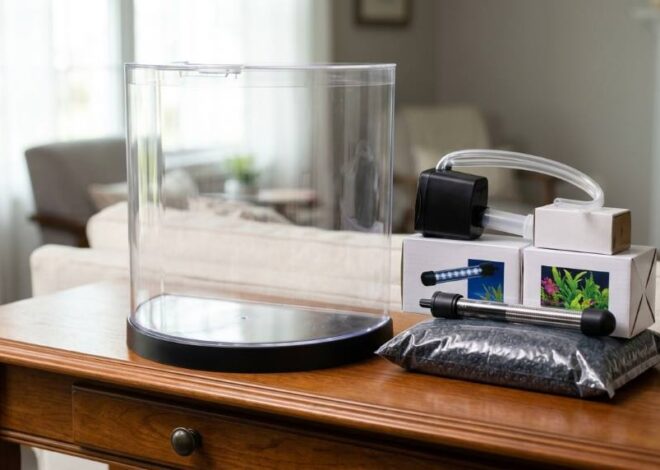
Step 3: Install the Right Equipment
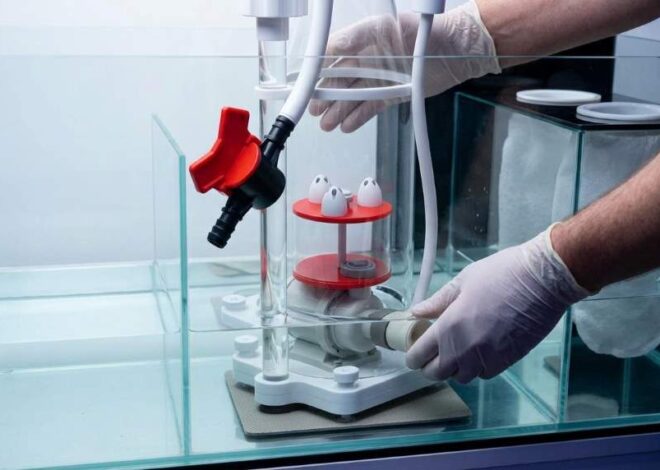
Proper filtration is the backbone of any healthy freshwater aquarium. Choose a filter rated for your tank size, preferably one with three-stage filtration—mechanical, chemical, and biological. Brands like Fluval and AquaClear consistently rank high in performance (source: Aquarium Co-Op).
You’ll also need:
- Heater: Tropical fish need stable temperatures (typically 75–80°F).
- Thermometer: Choose digital or stick-on thermometers for easy monitoring.
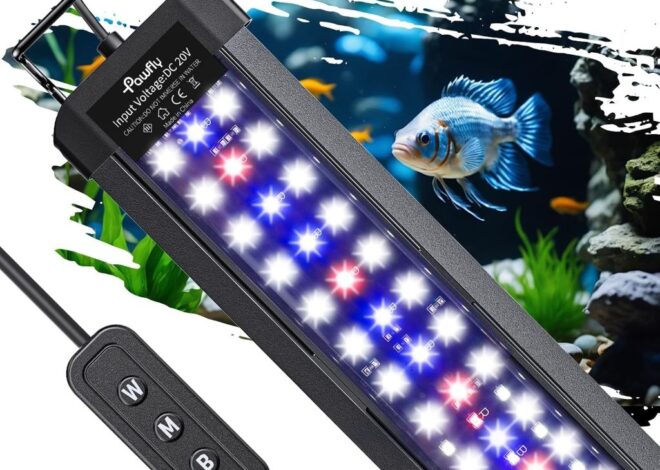
- Lighting: LED lights are energy-efficient and enhance the tank’s appearance.
- Substrate: Gravel or sand can influence pH and biological balance.
Test your setup dry first to check for leaks and proper equipment function. Water flow should circulate well without creating strong currents.
Step 4: Add Substrate and Decor Thoughtfully
Rinse all substrate before adding it to avoid cloudiness. Aim for a depth of 2 to 3 inches to anchor plants and support beneficial bacteria. Natural decor, such as driftwood and rocks, enhances aesthetics and gives fish hiding places. Avoid sharp-edged items that could injure delicate fins.
Live plants not only beautify your tank but also absorb nitrates and oxygenate the water, supporting better health for your fish. Java fern, anubias, and hornwort are beginner-friendly options.
Step 5: Cycle Your Tank (Don’t Skip This!)
Cycling your tank establishes the nitrogen cycle—a process where beneficial bacteria convert toxic ammonia into nitrites, then nitrates. This takes 4 to 6 weeks. Skipping this step often leads to “new tank syndrome,” causing massive fish die-offs.
Use a test kit like API Freshwater Master Test Kit to monitor ammonia, nitrite, and nitrate levels. Add bottled bacteria (like Seachem Stability) to jumpstart the cycle. Introduce a small amount of fish food or pure ammonia to feed the bacteria.
Water tests should show:
- Ammonia: 0 ppm
- Nitrite: 0 ppm
- Nitrate: < 40 ppm
Once these conditions stabilize, you’re ready for fish.
Step 6: Choose Compatible Fish Wisely
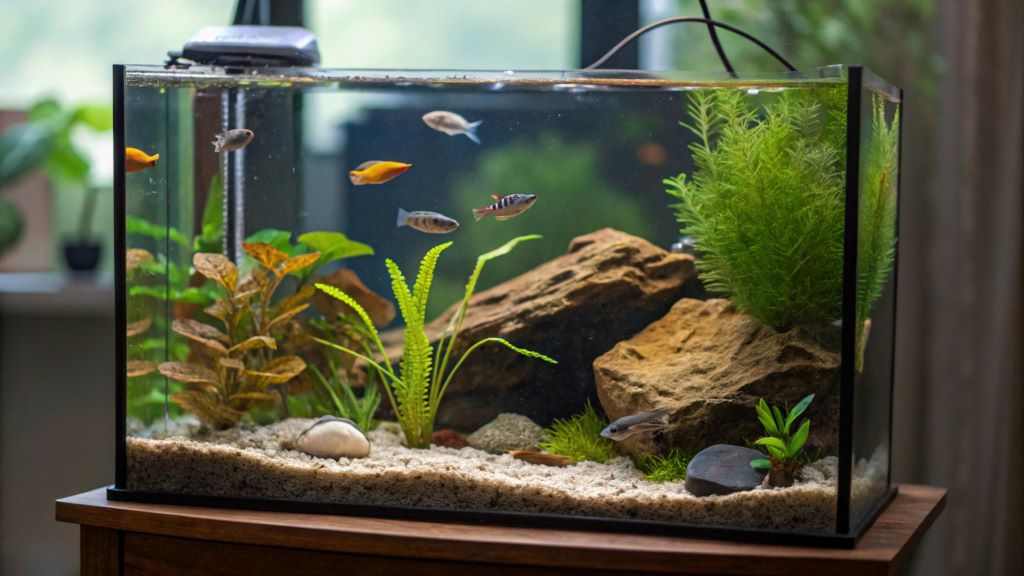
Not all freshwater fish coexist peacefully. Some, like tiger barbs, can be fin-nippers. Others, like bettas, prefer solitude. Beginners often succeed with peaceful, hardy species such as:
- Neon Tetras
- Corydoras Catfish
- Guppies
- Platies
Research each species’ adult size, diet, and behavior. Overstocking your tank or mixing incompatible species can lead to stress, disease, and aggression.
Introduce fish gradually—start with 2-3 at a time. This prevents ammonia spikes and allows your filter to adjust.
Step 7: Perform Regular Maintenance
Freshwater aquariums aren’t “set it and forget it.” Weekly maintenance keeps your ecosystem healthy. Change 15–25% of the water every week to remove toxins. Use a gravel vacuum to clean waste from the substrate.
Also:
- Test water weekly
- Clean algae with a magnetic scraper
- Rinse filter media monthly in old tank water (not tap water)
Neglecting maintenance leads to murky water, algae blooms, and sick fish. Consistency is the secret to success.
Step 8: Monitor and Adjust
Keep a log of test results, water changes, and fish behavior. Sudden changes—like clamped fins or reduced appetite—signal issues. Use apps or journals to track your aquarium’s performance.
Adding too many fish, overfeeding, or ignoring early signs of illness often leads to problems. Observe your tank daily for clues to its health.
Real-Life Examples and Insights
Aquarist communities online, such as those on Reddit and Fishlore, often share the same lesson: patience pays off. Rushing the process almost always ends in disappointment.
For example, a user on Fishlore reported losing 10 tetras after skipping the cycling process, despite crystal-clear water. The invisible toxins killed the fish. This shows why clear water isn’t always clean water.
Frequently Asked Questions
- How long does it take to cycle a freshwater aquarium?
It usually takes 4–6 weeks, depending on the method and temperature. Using bottled bacteria can speed up the process. - Can I use tap water in my aquarium?
Yes, but you must treat it with a dechlorinator like Seachem Prime to remove harmful chlorine and chloramines. - How many fish can I put in my tank?
Follow the one-inch-per-gallon rule as a starting point, but consider fish activity levels and waste output too. - Why is my water cloudy after setup?
This is often due to substrate dust or a bacterial bloom. It usually clears on its own within a week. - Do I need an air pump?
Not always. If your filter causes surface agitation, that usually provides enough oxygen. - What’s the best filter for beginners?
Hang-on-back filters are easy to maintain and efficient for most beginner tanks. Look for models with adjustable flow. - Are live plants necessary?
Not required, but highly beneficial. They improve water quality and reduce algae by competing for nutrients.
Final Thought
Learning how to set up your first freshwater aquarium – a step-by-step guide can be the difference between thriving fish and constant frustration. Take your time. Research thoroughly. Test often. The payoff is a peaceful underwater world that offers joy, relaxation, and beauty every day.
For beginners, the key is not just buying the right gear, but building knowledge and habits that sustain a vibrant aquatic life. Start slow, observe regularly, and you’ll soon have a living masterpiece in your home.
References:
Let your first tank be the beginning of a rewarding hobby—not a lesson in frustration. Dive in smart, and your aquarium will flourish.
Read More:
Beginner-Friendly Fish Species And How to Care for Them
Essential Aquarium Setup Tips And Maintenance Tricks for a Healthy Tank