Aquarium Water Parameters: Monitoring And Adjustment Tips
Maintaining the right aquarium water parameters is essential for creating a healthy environment for aquatic life. Many aquarium enthusiasts overlook the importance of precise monitoring and adjustment, leading to stressed fish, algae blooms, or even tank crashes. This comprehensive guide explores key water parameters, the best ways to monitor them, and expert tips on making effective adjustments. Understanding these elements ensures your aquatic ecosystem remains balanced, vibrant, and sustainable.
Why Aquarium Water Parameters Matter
Aquarium water parameters directly influence fish health, plant growth, and overall ecosystem stability. Parameters like pH, ammonia, nitrite, nitrate, temperature, and hardness impact biological functions. For instance, ammonia and nitrite levels must stay near zero since both are toxic even at low concentrations. According to the National Oceanic and Atmospheric Administration (NOAA), even small fluctuations in pH can stress fish, making them susceptible to disease.
Fish species also have distinct preferences; discus fish thrive in soft, acidic water (pH 6.0-6.5), while African cichlids prefer hard, alkaline water (pH 7.8-8.5). Ignoring these needs leads to poor fish health and shortened lifespans. Therefore, understanding and maintaining ideal parameters is fundamental.
Key Aquarium Water Parameters to Monitor
-
pH (Acidity/Alkalinity):
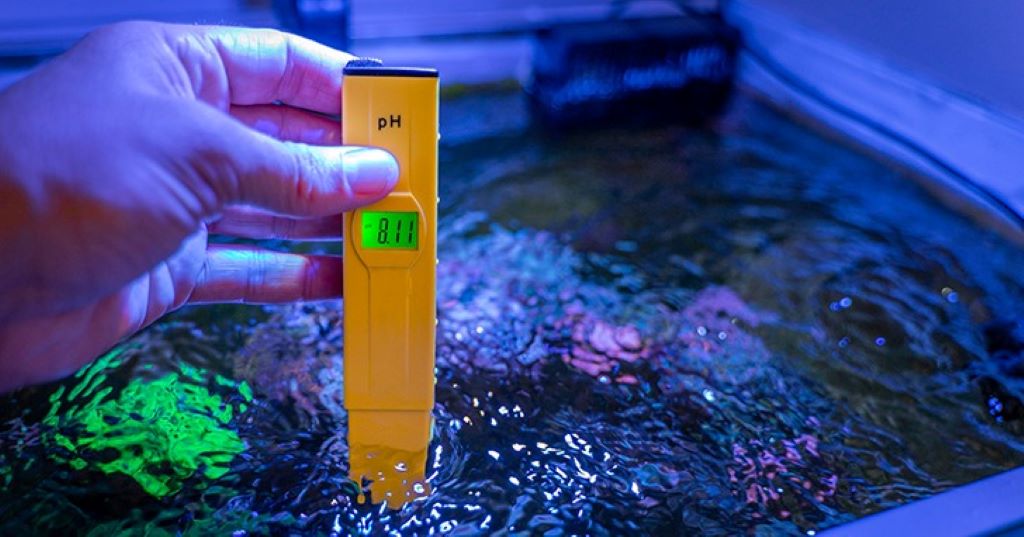
The pH level measures water acidity, ranging from 0 (acidic) to 14 (alkaline). Most freshwater tanks thrive between 6.5 and 7.5, but it depends on the species. Fluctuations can cause stress; hence, stable pH is better than sudden changes. Use a reliable digital pH meter for accuracy. Avoid test strips as they often yield inconsistent results.
-
Ammonia (NH3):
Produced from fish waste and decomposing organic matter, ammonia is highly toxic. Levels must remain at zero. Ammonia spikes commonly occur in new tanks due to incomplete cycling. Frequent water changes and using beneficial bacteria supplements can reduce ammonia effectively.
-
Nitrite (NO2-):
Nitrite forms from ammonia breakdown and is equally toxic. A cycled aquarium has zero nitrites. Monitoring kits are essential; test kits like API’s Nitrite Test Kit provide precise readings.
-
Nitrate (NO3-):
Nitrate is less toxic but can accumulate, promoting algae growth. Keeping nitrates below 20 ppm is advisable. Regular water changes and live plants can help keep nitrate levels in check.
-
Temperature:
Fish species require specific temperature ranges. Tropical fish usually thrive between 75-80°F. Use a high-quality aquarium heater with a thermostat and a digital thermometer to maintain stability. Sudden temperature changes can lead to stress and disease outbreaks.
-
Hardness (GH and KH):
General hardness (GH) measures dissolved minerals like calcium and magnesium, influencing fish health and reproduction. Carbonate hardness (KH) buffers pH levels, preventing rapid fluctuations. Ideal GH and KH values vary with fish species, so research is vital.
Expert Monitoring Tips
Investing in quality testing kits and meters is crucial. For pH and temperature, digital tools offer accuracy and convenience. Ammonia, nitrite, and nitrate testing require chemical kits, but automated devices are emerging on the market. Test water weekly, or more often if issues arise. Track data in a journal or spreadsheet to identify trends.
Additionally, observe fish behavior and appearance as an indirect parameter check. Lethargic movement or gasping at the surface may indicate poor water quality. Combine physical tests with observation for comprehensive monitoring.
Proven Adjustment Strategies
When parameters drift, corrective actions depend on the specific issue:
- pH Adjustment: Use natural buffers like crushed coral or commercial pH stabilizers. Avoid abrupt pH changes; aim for slow, gradual adjustments.
- Ammonia/Nitrite Spikes: Perform partial water changes immediately. Adding nitrifying bacteria supplements accelerates the nitrogen cycle.
- High Nitrate: Increase water changes frequency and add fast-growing plants like hornwort or water sprite to absorb nitrates naturally.
- Temperature Fluctuations: Ensure stable room temperature, check heaters regularly, and avoid placing tanks near windows or heating vents.
Debunking Common Opinions
Some hobbyists believe frequent water changes are unnecessary once the tank cycles. However, studies show that regular water changes remove toxins and replenish minerals essential for fish health. A 2018 survey by Practical Fishkeeping found that tanks with weekly 20% water changes had 30% fewer disease incidents.
Others advocate drastic chemical treatments for quick fixes, but these often cause more harm than good. Experts recommend balancing natural biological processes over chemical dependency to maintain a stable ecosystem.
Real-Life Case: The Importance of Monitoring
A hobbyist experienced recurring fish deaths despite following generic advice. After proper testing, they discovered elevated nitrite levels, often overlooked without testing kits. By adjusting water changes and adding live plants, fish health dramatically improved. This example underscores the importance of precise, routine monitoring and tailored adjustments.
Useful Tools and Resources
- API Freshwater Master Test Kit
- Digital pH meter (e.g., Apera Instruments)
- Aquarium heater with thermostat
- Books like “The Simple Guide to Freshwater Aquariums” by David E. Boruchowitz provide detailed insights.
For further reading on water chemistry and fish health, NOAA’s Aquarium Chemistry Guide offers authoritative information.
Featured Snippet: What Are the Best Practices for Aquarium Water Parameters Monitoring and Adjustment?
Maintaining stable aquarium water parameters is vital for aquatic life. Experts recommend weekly testing for pH, ammonia, nitrite, nitrate, and temperature using accurate digital meters and chemical test kits. Monitor fish behavior for signs of distress. For adjustments, apply gradual changes: use natural pH buffers, perform partial water changes to reduce toxins, and add live plants to manage nitrates. Avoid harsh chemicals and maintain consistent temperature using a reliable heater. Regular monitoring combined with proper adjustment ensures a healthy, thriving aquarium environment.
FAQs: Aquarium Water Parameters: Monitoring & Adjustment Tips
- How often should I test my aquarium water?
Test weekly, or more frequently during new setups or when fish show stress signs. - What is the ideal pH for freshwater fish?
Most freshwater fish thrive between 6.5 and 7.5, but species-specific research is important. - Can I use tap water for water changes?
Yes, but treat it with a dechlorinator to remove harmful chlorine and chloramine. - What causes sudden ammonia spikes?
Overfeeding, decaying plants, or an incomplete nitrogen cycle typically cause spikes. - How can I lower high nitrate levels naturally?
Increase water changes and add fast-growing live plants to absorb nitrates. - Is it safe to adjust pH quickly?
No, sudden pH changes stress fish. Adjust gradually over days. - Which tools are best for accurate water parameter testing?
Digital pH meters and API chemical test kits are reliable and widely recommended.
Maintaining perfect aquarium water parameters demands consistent effort and attention. However, mastering this skill ensures your aquatic pets flourish and your tank becomes a stunning centerpiece. Use science-backed strategies, monitor diligently, and adjust thoughtfully to create a thriving underwater world.
Read More: Aquarium Hacks: Maintenance Tips And Problem-Solving Strategies