
How to Care for Aquarium Plants in Low Light Tanks
Growing aquarium plants in low light conditions can seem challenging at first. However, with the right approach and plant selection, you can create a thriving underwater garden without investing in expensive lighting systems. Many aquarium enthusiasts successfully maintain beautiful planted tanks using only basic lighting setups.
Low light tanks offer several advantages for beginners and experienced hobbyists alike. They require less maintenance, produce fewer algae problems, and cost less to operate. Additionally, these setups allow you to focus on learning fundamental plant care skills before advancing to more demanding species.
Understanding Low Light Conditions
Low light in aquariums typically means less than 1.5 watts per gallon for traditional lighting or under 30 PAR (Photosynthetically Active Radiation) for LED systems. These conditions occur naturally in many home aquariums with standard hood lighting. Furthermore, tanks placed away from windows or using single light bulbs often fall into this category.
The key to success lies in matching your plants to available light levels. Plants adapted to shaded forest streams and slow-moving rivers naturally thrive in these environments. Therefore, selecting appropriate species becomes your first important decision.
Choosing the Right Plants for Low Light
Several hardy plant species flourish in low light conditions. Java fern stands out as one of the most reliable options for beginners. This plant attaches to rocks and driftwood, creating natural-looking displays without substrate requirements.
Anubias varieties represent another excellent choice for dim tanks. These slow-growing plants feature thick, leathery leaves that resist algae and fish nibbling. Moreover, they tolerate a wide range of water parameters, making them forgiving for new aquarists.
Cryptocoryne species, commonly called crypts, offer diverse shapes and colors for low light setups. These plants root in substrate and spread gradually over time. However, they may experience “crypt melt” when first introduced, which is a normal adjustment period.
Java moss provides fantastic ground cover and spawning sites for fish. This adaptable plant grows on virtually any surface and requires minimal care. Additionally, it helps absorb excess nutrients that might otherwise fuel algae growth.
Other suitable options include Amazon swords, water sprite, and hornwort. Each brings unique characteristics to your aquarium while remaining undemanding regarding light intensity.
Essential Substrate and Nutrients
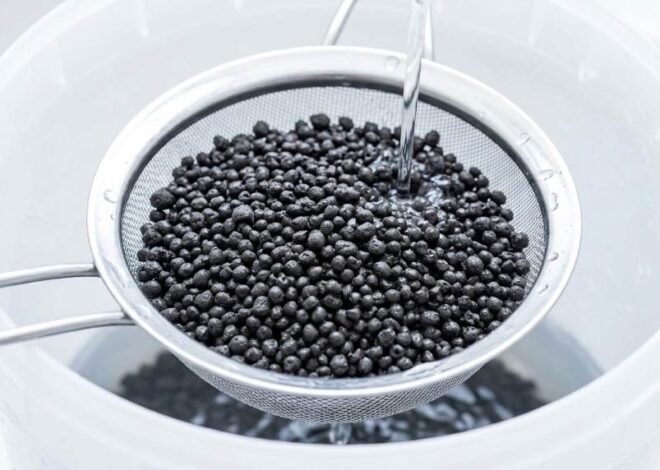
Proper substrate selection significantly impacts plant health in low light tanks. While plants grow more slowly in dim conditions, they still need access to essential nutrients. A nutrient-rich substrate provides a solid foundation for root-feeding species.
Quality aquarium soil or planted tank substrate contains organic matter and minerals that support plant growth. These products release nutrients gradually over time. However, plain gravel works acceptably when combined with root tabs for individual plants.
Root tabs are compressed nutrient tablets inserted into substrate near plant roots. They supply iron, potassium, and other essential elements directly where plants need them. Therefore, using root tabs every three to four months helps maintain healthy growth in low light conditions.
Liquid fertilizers complement substrate nutrition by providing nutrients through the water column. Plants like Java fern and Anubias, which don’t root in substrate, absorb nutrients primarily from surrounding water. According to aquarium experts at Aquarium Co-Op, balanced liquid fertilizers should be dosed weekly following package instructions.
Water Parameters and Maintenance
Maintaining stable water parameters helps low light plants thrive. Most species prefer temperatures between 72 and 78 degrees Fahrenheit. Additionally, pH levels between 6.5 and 7.5 suit the majority of common aquarium plants.
Regular water changes remain crucial for planted tank success. Changing 25 to 30 percent of water weekly removes accumulated waste while replenishing minerals. Furthermore, this practice prevents harmful compound buildup that can stress both plants and fish.
Carbon dioxide supplementation is optional in low light setups. While CO2 injection accelerates growth in high light tanks, low light plants generally obtain sufficient carbon from fish respiration and organic decomposition. Therefore, most hobbyists skip this expense for basic setups.
Water circulation affects plant health indirectly by distributing nutrients and preventing dead spots. Gentle flow from filters helps, but avoid strong currents that damage delicate leaves. Consequently, adjusting filter output often improves plant condition noticeably.

Proper Planting Techniques
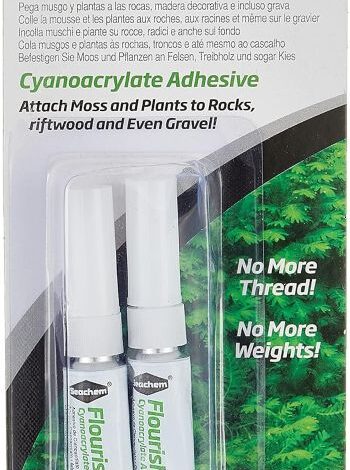
Correct planting methods set your aquarium garden up for long-term success. Rhizome plants like Java fern and Anubias should never have their rhizomes buried in substrate. Instead, attach them to hardscape materials using fishing line or super glue gel.
When planting stem plants, remove any damaged leaves and plant stems about two inches deep. Space them adequately to allow light penetration and water flow. Moreover, planting in groups of three to five stems creates more natural-looking arrangements.
For rosette plants like crypts and Amazon swords, ensure the crown sits just above substrate level. Burying the crown too deeply causes rot, while exposing roots leads to poor anchoring. Therefore, finding the right depth takes practice but becomes intuitive over time.
Floating plants like water sprite can provide shade and nutrient competition against algae. However, keep them thinned so lower plants receive adequate light. Additionally, floating plants absorb nitrates efficiently, improving overall water quality.
Dealing with Common Challenges
Algae problems can arise even in low light tanks. Green spot algae on glass and leaves indicates low phosphate levels. Adding a comprehensive fertilizer typically resolves this issue. Conversely, excessive nutrients combined with long lighting periods encourages nuisance algae.
Lighting duration matters more than intensity in preventing algae. Keep lights on for eight to ten hours daily using a timer for consistency. Longer periods don’t benefit low light plants significantly but do promote algae growth.
Yellowing leaves often signal nutrient deficiencies. Yellow leaves with green veins suggest iron deficiency, while overall yellowing indicates nitrogen shortage. Therefore, adjusting your fertilization routine addresses most discoloration problems.
Plant melting after introduction usually represents acclimation rather than serious problems. Many plants transition between emersed and submersed growth forms when moving to aquariums. Simply maintain good water quality and wait for new underwater leaves to emerge.
Pruning and Propagation
Regular pruning maintains attractive plant shapes and encourages bushier growth. Remove dead or dying leaves promptly to prevent decay. Stem plants can be trimmed and replanted to create fuller displays.
Many low light plants propagate easily through division or cuttings. Java fern produces baby plants on leaf edges that can be separated once roots develop. Similarly, Anubias rhizomes can be cut into sections, with each piece becoming a new plant.
Cryptocoryne species spread through runners that produce daughter plants. Once these have established roots, you can separate and replant them elsewhere. Therefore, a few initial plants often multiply into enough to fill an entire tank.
Long-Term Success Strategies
Patience proves essential when maintaining low light planted tanks. Plants grow slowly in dim conditions, sometimes taking months to show significant progress. However, this slower pace also means less frequent trimming and easier maintenance overall.
Monitoring plant health through regular observation helps catch problems early. According to the Smithsonian’s National Zoo, watching for changes in color, growth rate, and leaf condition provides valuable feedback about tank conditions.
Keeping a simple maintenance log helps track fertilizer dosing, water changes, and plant additions. This record becomes invaluable for troubleshooting issues or replicating success in future tanks. Additionally, photographs document your aquascape’s evolution over time.
Conclusion
Caring for aquarium plants in low light tanks requires selecting appropriate species, providing basic nutrients, and maintaining stable water conditions. While these plants grow more slowly than high-light varieties, they offer beginners an accessible entry into planted aquariums. Success comes from understanding plant needs, exercising patience, and making gradual adjustments based on observation. With consistent care and realistic expectations, low light tanks can become stunning underwater landscapes that bring lasting enjoyment.
Frequently Asked Questions
Can I grow carpet plants in a low light tank?
Most carpet plants require moderate to high light levels. However, some species like dwarf sagittaria and Java moss can create carpet-like effects in low light conditions, though growth will be slower compared to high-light setups.
How long should I keep lights on in a low light planted tank?
Eight to ten hours of lighting per day works best for low light tanks. Using a timer ensures consistency, which helps prevent algae problems while giving plants adequate light for photosynthesis.
Do I need CO2 injection for low light aquarium plants?
CO2 injection is not necessary for low light plants. These species grow successfully with the carbon dioxide produced naturally by fish and biological processes in the aquarium, making them more economical to maintain.
Why are my low light plants growing so slowly?
Slow growth is normal and expected in low light conditions. These plants naturally grow at a leisurely pace, which actually benefits aquarists by requiring less frequent pruning and maintenance compared to faster-growing species.
Can I use cheap LED lights for a low light planted tank?
Yes, inexpensive LED lights often work perfectly for low light setups. Basic aquarium LEDs or even desk lamps with appropriate color temperature can successfully grow hardy species like Java fern, Anubias, and crypts.
Related Topics:
Aquarium Plants And Aquascaping: Design Tips And Plant Care
Best Low-Light Aquarium Plants for Beginners: The Ultimate Guide