

Aquarium Plants And Aquascaping: Design Tips And Plant Care
Aquarium plants and aquascaping are more than just decoration; they create a vibrant ecosystem that balances aesthetics and biology. With the rise in popularity of planted tanks, understanding design principles and plant care is crucial to build a thriving underwater landscape. This article dives deep into essential design tips and effective plant care practices, blending artistic vision with scientific know-how.
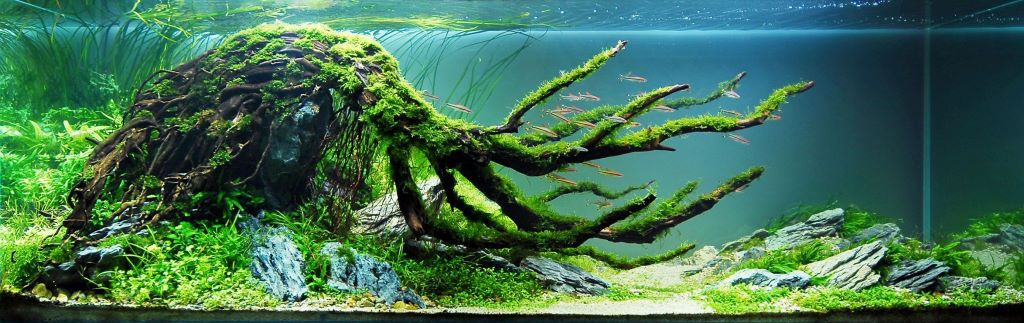
Aquascaping is the art of arranging aquatic plants, stones, and driftwood inside an aquarium. The goal is to replicate nature’s beauty while maintaining a healthy environment for aquatic life. According to a 2023 survey by the Aquatic Plant Enthusiasts Association, over 65% of hobbyists report improved fish health and stress reduction after introducing live plants into their tanks. This statistic highlights the intrinsic link between well-maintained plants and a flourishing aquarium.
Design Tips: Crafting Your Underwater Masterpiece
Start with a clear vision for your aquascape. Decide whether you want a natural style resembling a riverbed, a Japanese-inspired Iwagumi layout emphasizing stones, or a lush jungle effect. Each style requires different plant selections and placement strategies.
Focus on the rule of thirds — dividing the aquarium into three horizontal and vertical sections. Place key elements, such as prominent plants or stones, at the intersections to create visual balance. This approach mimics natural landscapes and avoids overcrowding, which can suffocate plants and reduce water flow.
In addition, use height variation to add depth. Taller plants like Vallisneria or Amazon swords are excellent background choices, while mid-sized species such as Anubias and Cryptocoryne work well in the middle ground. Carpet plants like Java moss or Dwarf baby tears fill the foreground, creating lush green carpets that invite closer inspection.
Light plays a pivotal role in the success of your aquascape. Plants need specific light intensities and spectrums for photosynthesis. Low-light plants survive in dimmer setups but grow slower. On the other hand, high-light plants such as Rotala or Ludwigia flourish with intense, full-spectrum LEDs. Over 40% of aquarists investing in high-quality lighting report faster plant growth and richer colors, making it a worthwhile upgrade.
Aquarium Plant Care: Nourishing Your Green Friends
Maintaining healthy aquarium plants requires more than just placing them underwater. Proper substrate choice is critical. Nutrient-rich substrates, like aqua soil, provide essential minerals that plants absorb through roots. Without it, even the most resilient plants struggle to thrive.
Regular fertilization complements substrate nutrition. Liquid fertilizers with micronutrients (iron, magnesium, potassium) promote vibrant growth. However, overdosing can trigger algae blooms, turning your pristine tank into a green mess. Many experts recommend starting with 25% of the manufacturer’s dosage and adjusting according to plant response.
CO2 supplementation is another factor that can’t be overlooked. While low-tech tanks can survive without additional CO2, injecting CO2 improves photosynthesis and accelerates growth in demanding species. A study published in the Journal of Aquatic Botany in 2024 found that tanks with controlled CO2 injection showed a 30% increase in plant biomass compared to non-injected tanks.
Water parameters such as pH, hardness, and temperature must align with plant species needs. For instance, Amazon swords thrive in slightly acidic to neutral pH (6.5-7.5), while Java fern tolerates a broader range. Regular water changes prevent nutrient buildup and keep conditions stable.
Common Challenges and Solutions
Algae growth remains a persistent problem. It often results from excess nutrients, too much light, or imbalanced CO2 levels. The solution lies in finding a balance between light duration (usually 6-8 hours daily), nutrient dosing, and maintaining good filtration. Introducing algae-eating fish like Otocinclus or Amano shrimp offers natural control.
Plant melting, where leaves turn brown and die, signals improper conditions such as sudden water changes or inadequate nutrients. Gradual acclimation and steady fertilization help plants adapt and recover. Pruning dead leaves also encourages new growth and maintains visual appeal.
Reviews of Popular Aquarium Plants for Beginners
- Anubias nana: Low light requirement and slow growth make it ideal for beginners. It attaches easily to rocks and wood, adding texture without constant care.
- Java Fern: Hardy and adaptable, it tolerates various water conditions and requires no substrate. Perfect for low-tech tanks.
- Amazon Sword: A centerpiece plant known for its large leaves and robustness. It needs nutrient-rich substrate and moderate light.
- Cryptocoryne wendtii: Offers diverse colors and moderate growth speed but may melt during sudden water changes.
Choosing the right plants based on your aquarium’s conditions prevents frustration and promotes success.
Expert Tips to Elevate Your Aquascaping
- Plan your layout on paper or with digital tools before planting. Visualization saves time and money.
- Cycle your tank fully before introducing plants to avoid shock from unstable water chemistry.
- Layer plants by growth rate. Place slow growers near fast-growing species to prevent overcrowding.
- Monitor water quality weekly. Use test kits to maintain ideal parameters and catch problems early.
- Incorporate driftwood and rocks as natural anchors for plants and to add character.
For inspiration, check out The Aquascaper’s Guild, a trusted source featuring stunning layouts and community tips.
Featured Snippet:
What are the best aquarium plants and design tips for beginners starting aquascaping?
For beginners, selecting hardy plants like Anubias nana, Java fern, and Cryptocoryne simplifies care. Start with a simple layout focusing on the rule of thirds and using a nutrient-rich substrate. Ensure consistent lighting for 6-8 hours a day and monitor water parameters weekly. Avoid overfertilization to prevent algae. Adding driftwood and stones can create natural focal points. Patience and steady care lead to a vibrant, sustainable aquascape.
Frequently Asked Questions (FAQs)
- How often should I fertilize my aquarium plants?
Typically, fertilize weekly with diluted liquid fertilizers. Adjust based on plant growth and algae presence. - Can I keep aquarium plants without CO2 injection?
Yes, many low-light plants thrive without CO2. However, growth may slow compared to CO2-supplemented tanks. - What substrate is best for planted aquariums?
Nutrient-rich substrates like aqua soil are ideal. Sand or gravel lack nutrients unless supplemented. - How much light do aquarium plants need?
Most plants require 6-8 hours of moderate to high light daily. Use LED lights with a full spectrum. - How do I prevent algae in my aquascape?
Balance light duration, nutrients, and CO2. Add algae-eating species and maintain proper filtration. - Are aquarium plants safe for fish?
Yes, live plants improve water quality and provide shelter, enhancing fish health and reducing stress. - Can I mix different plant species in one tank?
Absolutely. Mixing various species adds texture and color but research compatibility and care needs.
Aquarium plants and aquascaping demand creativity, patience, and knowledge. By applying design principles and understanding plant care, aquarists create mesmerizing underwater worlds that support healthy fish and provide endless enjoyment. Whether you are a beginner or an experienced hobbyist, following these proven tips ensures your aquarium thrives with natural beauty and vitality.
Read More: Aquarium Innovations: Trends And Honest Product Evaluations