Top-Rated Aquarium Gear Reviewed: What You Need to Know
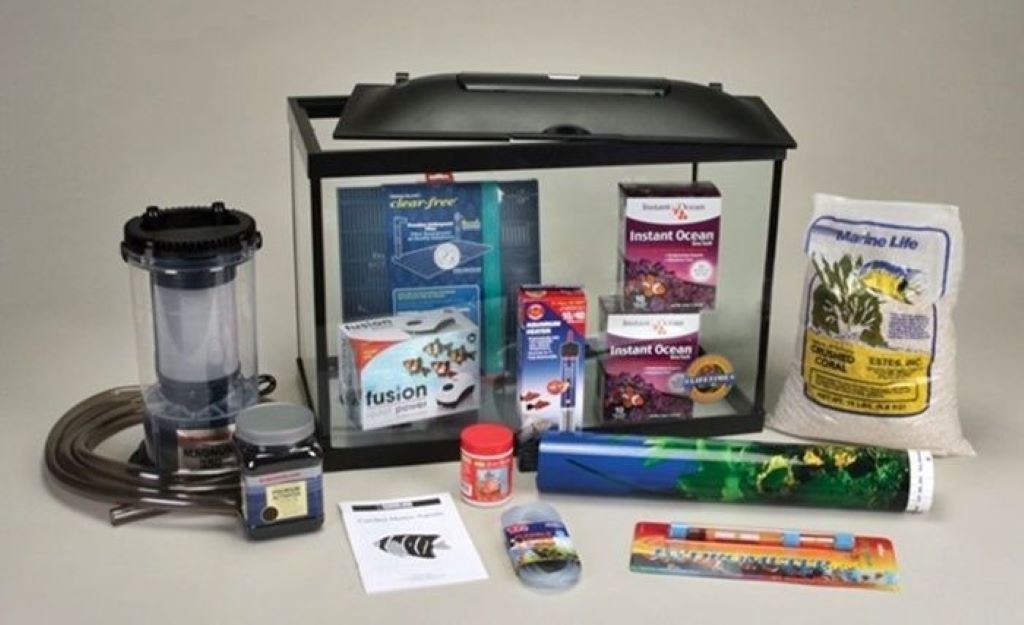
Aquarium keeping has evolved far beyond simple glass tanks and a handful of fish. Today’s aquarists demand technology and gear that ensure health, vibrancy, and longevity for their underwater ecosystems. However, choosing the right equipment can overwhelm even seasoned hobbyists. This article reviews top-rated aquarium gear, providing detailed insights and practical advice to guide your choices confidently.
Aquarium gear not only sustains life but enhances the visual appeal and ease of maintenance. According to a 2024 report by the Pet Industry Joint Advisory Council, aquarium product sales surged 15% last year, reflecting growing interest in quality gear. This surge makes understanding the best equipment essential to avoid costly mistakes and frustration.
Why Aquarium Gear Matters
Aquariums replicate delicate natural habitats. Poor equipment risks fish stress, algae outbreaks, and water imbalances. A high-quality filter, for instance, maintains water clarity and removes toxins like ammonia and nitrites. However, choosing the right filter depends on tank size, fish species, and bioload.
Many aquarists underestimate the impact of lighting. Proper lighting not only accentuates colors but supports plant photosynthesis and fish behavior. LED lights, increasingly popular, offer energy efficiency and customizable spectrums. A 2023 study by Aquatic Science Journal highlighted that aquariums with LED lighting saw 30% healthier plant growth compared to traditional fluorescent bulbs.
Top-Rated Filters: What to Choose
Mechanical, biological, and chemical filtration form the filtration trifecta. Canister filters, such as those from Fluval and Eheim, consistently receive high praise for quiet operation and robust filtration capacity. Experts often recommend canisters for tanks over 30 gallons due to their efficiency and versatility.
Hang-on-back filters (HOB) are a favorite for smaller tanks because of ease of installation and maintenance. However, they can sometimes lack the power needed for heavily stocked tanks. Sponge filters appeal to breeders and fry tanks, offering gentle filtration without strong currents.
Choosing a filter should involve calculating your tank’s turnover rate. Experts advise a turnover rate of 4 to 6 times the tank volume per hour for freshwater setups, while saltwater tanks might require more. Ignoring this can lead to poor water quality, risking fish health.
Lighting: More Than Aesthetic Appeal
Modern aquariums use lighting to simulate day-night cycles, essential for fish well-being. Premium LED systems, like the NICREW ClassicLED, allow for spectrum adjustments promoting both coral growth and fish coloration.
On the other hand, budget lights might save money upfront but often fail to deliver the intensity or spectrum variety needed, especially for planted tanks. Moreover, using lighting timers helps maintain consistent photoperiods, reducing algae growth and stress on aquatic life.
Some aquarists prefer natural sunlight but risk temperature fluctuations and algae blooms. Therefore, investing in reliable artificial lighting is a smart move for stability.
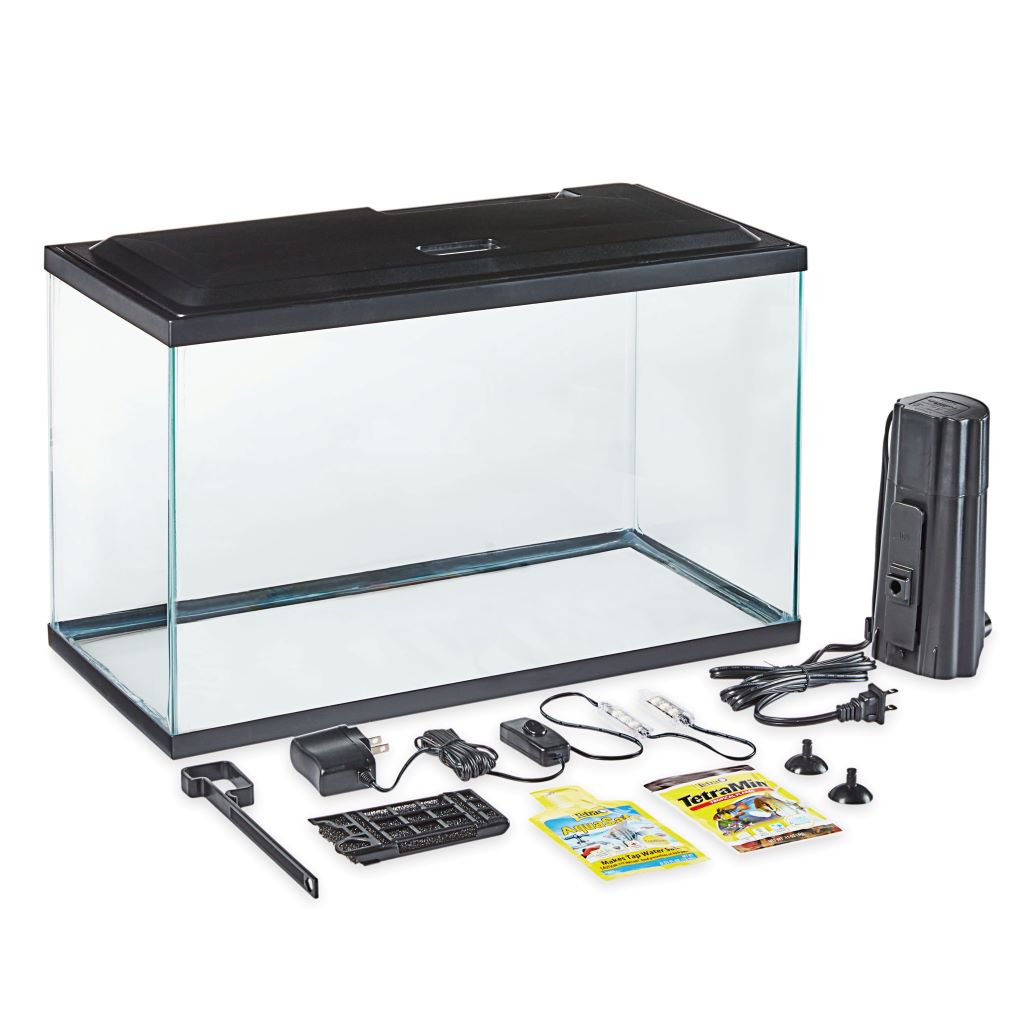
Heaters: Stability is Key
Aquarium heaters maintain stable water temperatures critical for tropical fish. Among top-rated brands, Eheim and Aqueon offer models with precise thermostats and shatterproof glass.
Inconsistent temperature causes fish stress and weakens immune systems, increasing susceptibility to diseases. Experts recommend choosing heaters with wattage appropriate for tank size and using external thermostats for added control.
For example, a 50-gallon tank typically requires a 100-150 watt heater to maintain stable 78°F-82°F, depending on ambient room temperature.
Substrate and Decorations: More Than Just Looks
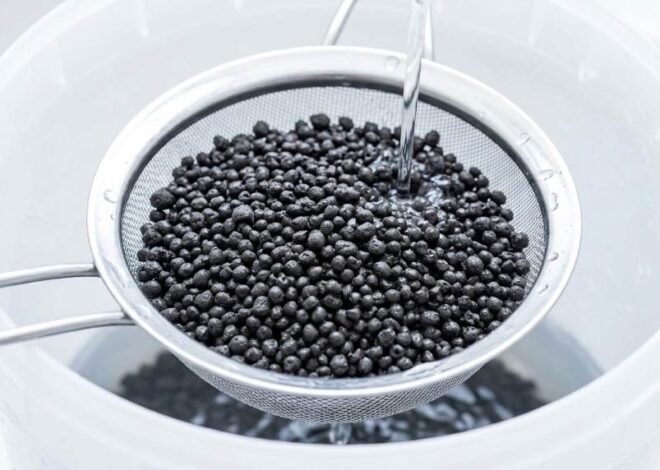
Substrate choice impacts water chemistry and fish comfort. For planted tanks, nutrient-rich substrates like ADA Aqua Soil encourage root growth and enhance plant health. Conversely, inert substrates like sand or gravel work well for cichlid tanks where substrate chemistry matters less.
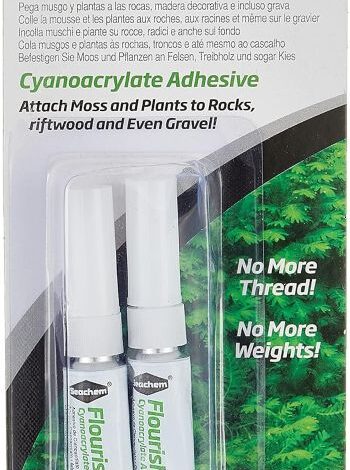
Natural decorations like driftwood and live plants also contribute to water quality by providing hiding places and reducing nitrate levels. However, they require maintenance and sometimes pre-treatment to prevent toxins leaching into the water.
Automation: The Future of Aquarium Maintenance
Smart aquarium gear, such as automated feeders and dosing pumps, revolutionizes tank management. According to a 2025 market forecast by Aquarium Industry News, smart gear sales are expected to grow 25% annually, showing a clear trend.
Automated feeders ensure regular feeding times, reducing overfeeding and waste. Dosing pumps help maintain consistent water parameters by delivering essential nutrients or chemicals in measured amounts.
Wi-Fi-enabled controllers allow monitoring and adjusting conditions remotely, perfect for busy or travel-prone aquarists. These tools not only save time but also improve stability and fish health.
Featured Snippet: What Are the Most Important Aquarium Gear Items to Invest In?
The essential aquarium gear includes a high-quality filter, reliable heater, and proper lighting system. Filters maintain water clarity and toxin removal, heaters keep stable temperatures crucial for tropical fish, and lighting supports plant growth and fish coloration. Additionally, automated feeders and dosing systems help maintain consistent care. Choosing gear depends on tank size, species kept, and personal maintenance preferences. Investing in proven brands like Fluval, Eheim, and NICREW ensures durability and performance. Professional tip: calculate your tank’s turnover rate for filtration and match heater wattage precisely to tank size for optimal results.
Frequently Asked Questions (FAQs)
- What filter type is best for a 40-gallon freshwater tank?
Canister filters often provide the best balance of filtration power and quiet operation for tanks of this size. - Are LED lights better than fluorescent for planted tanks?
Yes, LED lights offer customizable spectrums and better energy efficiency, promoting healthier plant growth. - How do I choose the right heater wattage?
A good rule is 3-5 watts per gallon. Also, consider ambient room temperature fluctuations. - Can I use natural decorations without harming water quality?
Yes, but pre-treat driftwood or rocks to avoid releasing toxins or altering pH drastically. - Is automation worth the investment?
For frequent travelers or busy hobbyists, automation improves consistency and reduces maintenance stress. - How often should I replace filter media?
Mechanical media can be cleaned weekly; biological media should be replaced sparingly to preserve beneficial bacteria. - What’s the impact of substrate choice on fish health?
Substrate affects water chemistry and comfort. For example, soft sand suits bottom dwellers, while planted tanks benefit from nutrient-rich soil.
Selecting top-rated aquarium gear requires understanding how each piece contributes to a balanced ecosystem. Beyond aesthetics, quality gear ensures your aquatic pets thrive. By investing wisely and maintaining equipment properly, you create a breathtaking underwater world that stays healthy for years.
With the right tools, your aquarium journey transforms from trial and error into a rewarding, visually stunning hobby.
Read More: Aquarium Plants And Aquascaping: Design Tips And Plant Care