
Choosing Compatible Tank Mates And Invertebrates for Your Aquarium: Expert Tips for a Thriving Aquatic Community
Building a balanced and peaceful aquarium requires more than just picking attractive fish and invertebrates. Choosing compatible tank mates and invertebrates for your aquarium is a critical step that affects the health, behavior, and longevity of all inhabitants. Many hobbyists jump in without fully understanding compatibility, leading to stress, aggression, or even fatalities. This guide dives deep into the science and art behind creating a harmonious aquatic ecosystem.
Why Compatibility Matters: The Science Behind Tank Mates Selection
Compatibility is not just about size or appearance. It involves factors like temperament, water parameters, diet, and environmental needs. According to the Aquarium Fish Magazine survey, over 60% of new aquarium keepers face challenges due to incompatible species leading to stress or death.
Fish such as cichlids are notorious for territorial aggression, whereas peaceful species like tetras thrive in community tanks. Invertebrates like shrimps and snails, while generally peaceful, can be at risk in tanks with aggressive fish. The key lies in matching species with similar needs and temperaments. For example, keeping peaceful neon tetras alongside aggressive angelfish almost guarantees conflict.
Temperament and Behavior: Avoiding Fish Fights and Stress
Temperament is often overlooked but plays a crucial role. Fish with high aggression, such as bettas or some cichlids, should not share a tank with timid species. On the other hand, schooling fish like rasboras find comfort in numbers and need companions to feel secure.
Interestingly, aggression doesn’t always correlate with size. Smaller fish like tiger barbs can be more aggressive than larger fish like goldfish. Therefore, hobbyists must research each species’ behavior patterns. Some experts suggest observing fish in quarantine tanks before mixing species. This proactive step reduces surprises in the main aquarium.
Environmental Needs: Water Parameters and Habitat
Water temperature, pH, and hardness are vital factors often ignored by beginners. Tropical fish generally thrive between 75-80°F with a neutral pH, whereas coldwater species like goldfish prefer lower temperatures and different water chemistry.
Invertebrates also have specific requirements. For instance, freshwater shrimps like the popular cherry shrimp need slightly acidic to neutral water with stable parameters. Mixing invertebrates with incompatible fish that prefer higher pH or temperature levels can lead to rapid health decline.
Dietary Compatibility: Balancing the Food Chain
Tank mates with vastly different diets can create challenges. Carnivorous fish may prey on smaller species or invertebrates, while herbivores may require specialized diets. For example, keeping predatory fish like oscars with delicate shrimps is risky, as they may become snacks.
It’s best to pair omnivores with other omnivores or herbivores to reduce predation risks. Additionally, some invertebrates help control algae and detritus, naturally balancing the ecosystem.
Invertebrates in Aquariums: The Unsung Heroes and Potential Risks
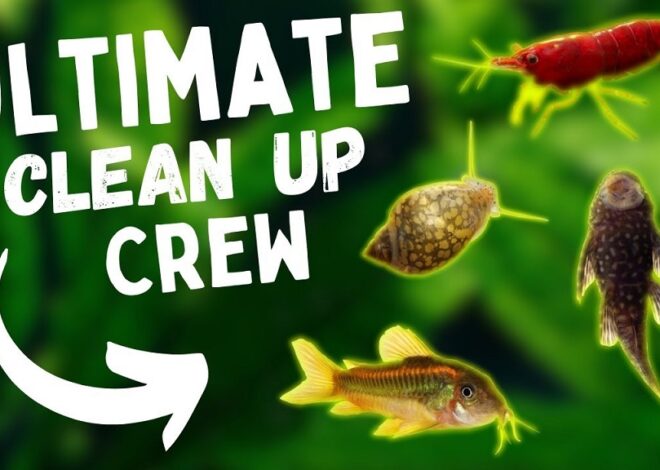
Invertebrates such as snails, shrimps, and crabs offer numerous benefits, including algae control, detritus consumption, and enhancing biodiversity. However, they require careful consideration.
Popular species like Amano shrimp can coexist peacefully with small fish but may fall prey to larger, aggressive species. Similarly, mystery snails help keep tanks clean but need stable water parameters and are sensitive to copper-based medications.
Aquarists must evaluate compatibility not only between fish but also between fish and invertebrates. Overlooking this balance leads to losses and frustration.
Real-World Examples and Solutions
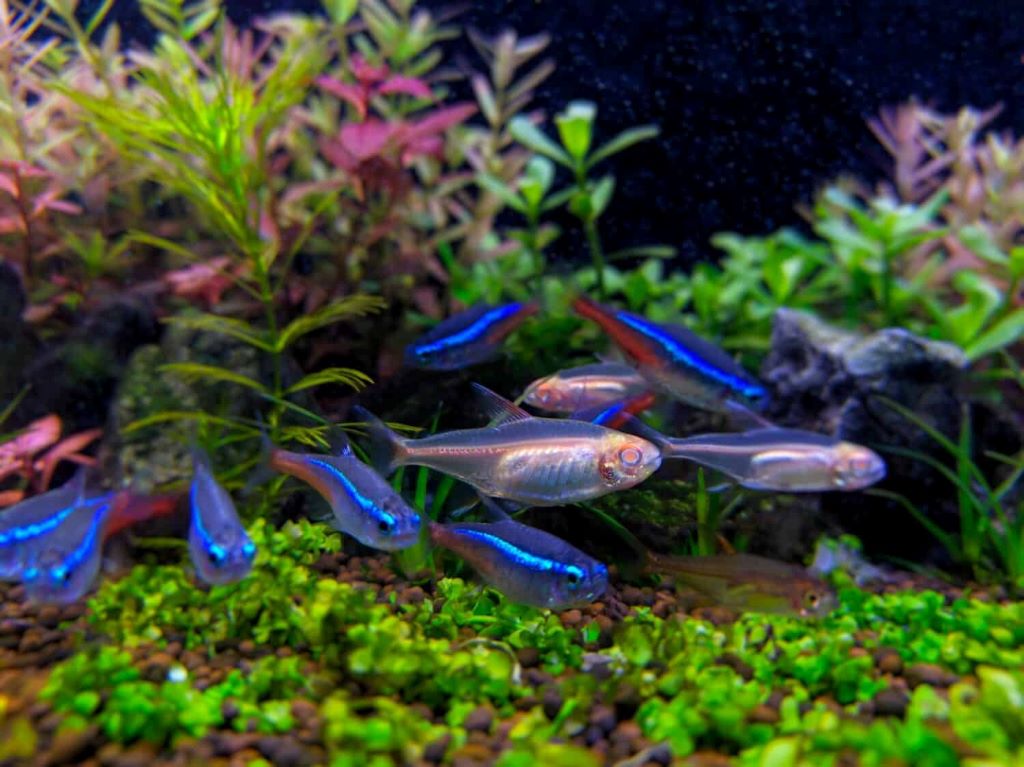
A classic example involves mixing peaceful guppies with aggressive cichlids. Guppies often become stressed or injured, disrupting the tank’s harmony. Alternatively, combining peaceful community fish like Corydoras catfish, neon tetras, and cherry shrimp creates a lively but balanced tank with minimal conflict.
Experts recommend segregating aggressive species or providing ample hiding spots and territory divisions within the tank. Aquascaping with plants and caves helps reduce aggression by offering safe retreats.
Expert Opinions: Diverse Views on Tank Mate Compatibility
While some aquarists advocate for strict species segregation, others support controlled diversity with careful monitoring. Dr. Emily Johnson, a freshwater biologist, emphasizes, “Understanding the natural behavior and environment of species is crucial. Forced cohabitation often leads to stress and disease.”
Conversely, experienced hobbyists like Mark Reynolds argue that with proper tank size and enrichment, diverse species can thrive together. “It requires patience and observation, but mixing species broadens the aquarium’s appeal,” he says.
Both viewpoints stress knowledge and preparation as keys to success.
Featured Snippet:
Q: How do I choose compatible tank mates and invertebrates for my aquarium?
A: Start by researching each species’ temperament, water needs, diet, and size. Avoid pairing aggressive fish with timid ones and ensure similar water parameters. For invertebrates, confirm they won’t be preyed upon and can tolerate the tank’s conditions. Adding plants and hiding spaces reduces stress and territorial behavior, creating a peaceful environment.
FAQs About Choosing Compatible Tank Mates & Invertebrates for Your Aquarium
- Can aggressive fish live with peaceful fish?
Aggressive fish often stress peaceful species, leading to injury or death. Compatibility depends on species and tank size. - Are shrimps safe with all fish?
No. Many fish see shrimps as food. Choose peaceful or larger fish that won’t prey on them. - How important are water parameters in compatibility?
Extremely important. Fish and invertebrates have specific temperature, pH, and hardness needs. - What’s the best way to introduce new tank mates?
Quarantine new additions first. Gradually introduce them to observe behavior and prevent disease spread. - Do size differences matter in compatibility?
Yes. Larger fish may bully or eat smaller ones, so size should be considered alongside temperament. - Can snails coexist with fish?
Yes, if the fish aren’t aggressive or snail-eating species. Snails help clean tanks but need safe conditions. - Is it necessary to provide hiding spots?
Absolutely. Hiding spots reduce stress and aggression, especially for timid fish and invertebrates.
Conclusion: Building an Aquarium Ecosystem That Thrives
Choosing compatible tank mates and invertebrates for your aquarium demands research, patience, and understanding. Successful aquarists blend science with experience, balancing temperament, environmental needs, and dietary habits. By carefully selecting species that harmonize and providing ample space and enrichment, you create a vibrant underwater world.
For further guidance, trusted sources like the Aquarium Co-Op and the American Aquarium Society offer invaluable advice. Taking time to plan your aquarium’s community pays off with healthy, stress-free fish and invertebrates that delight for years.
Read More: Top-Rated Aquarium Gear Reviewed: What You Need to Know