
How to Choose the Best Tank Mates for a Freshwater Aquarium (Complete Compatibility Guide)
Building a peaceful aquarium is not just about picking beautiful fish. It is about choosing species that can live together without stress or conflict. Many beginners struggle with this, and studies from the National Oceanic and Atmospheric Administration show that poor species compatibility is one of the leading causes of fish loss in home aquariums. In addition, research from aquatic veterinary journals highlights that stress from aggressive tank mates can weaken fish immunity and shorten lifespan.
That is why selecting the right tank mates for freshwater aquarium is essential. This guide will walk you through everything you need to know in a simple and practical way.
Why Compatibility Matters in Freshwater Aquariums
Fish are not just decorations. They have behaviors, territories, and social needs. When you mix incompatible species, problems appear quickly.

Key risks of poor compatibility
- Aggression and fin nipping
- Competition for food
- Stress related illness
- Hiding behavior and reduced activity
- Death in severe cases
On the other hand, a well balanced aquarium creates a calm environment where fish display natural behavior and vibrant colors.
Understanding Fish Behavior Types
Before choosing tank mates, you must understand how fish behave. This step helps you predict compatibility more accurately.
Peaceful Fish
These species rarely show aggression and are ideal for community tanks. Examples include guppies, neon tetras, and corydoras.
Semi Aggressive Fish
These fish can coexist with others but may show dominance if crowded. Examples include angelfish and gouramis.
Aggressive Fish
These species defend territory and may attack other fish. Examples include cichlids and bettas in certain setups.
Bottom Dwellers
They live near the substrate and help clean leftover food. Examples include plecos and loaches.
Key Factors to Consider When Choosing Tank Mates
1. Tank Size
Space plays a major role in reducing conflict. A crowded tank increases stress and aggression.
- Small tanks limit species options
- Larger tanks allow more diversity
- Always leave swimming space
2. Water Parameters
Fish must share similar needs.
- Temperature range
- pH level
- Water hardness
Mixing species with different requirements leads to long term health issues.
3. Temperament Matching
Always group fish with similar behavior patterns.
- Peaceful with peaceful
- Semi aggressive with similar sized fish
- Avoid mixing aggressive species with calm fish
4. Size Compatibility
Large fish may see smaller fish as food.
- Avoid big size differences
- Ensure all fish can defend themselves
- Research adult size, not current size
5. Feeding Habits
Different species eat differently.
- Surface feeders
- Mid level feeders
- Bottom feeders
Balanced feeding zones reduce competition.
Best Community Fish Combinations
Beginner Friendly Combinations
These setups work well for most aquarists.
- Guppies + neon tetras + corydoras
- Mollies + platies + swordtails
- Zebra danios + rasboras + shrimp
Intermediate Combinations
These require some experience.
- Angelfish + tetras + bottom feeders
- Gouramis + peaceful barbs + loaches
Advanced Combinations
These setups need careful monitoring.
- Cichlid community tanks
- Mixed semi aggressive species tanks
Fish You Should Avoid Mixing
Common Bad Combinations
- Betta with fin nipping fish like tiger barbs
- Goldfish with tropical fish
- Aggressive cichlids with small schooling fish
Why These Fail
- Temperature mismatch
- Aggression imbalance
- Feeding conflicts
Role of Invertebrates in Tank Compatibility
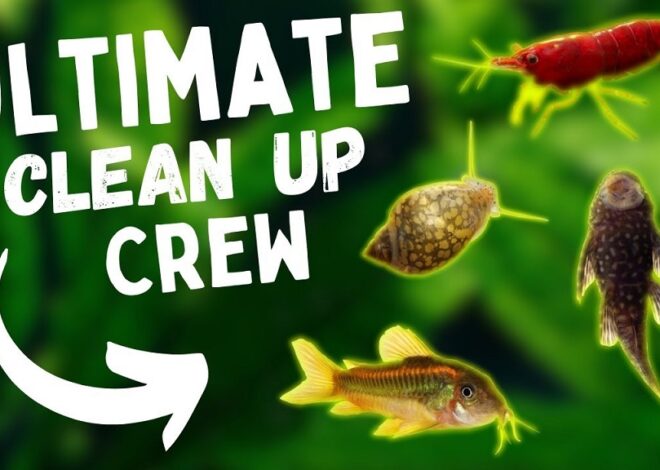
Invertebrates add balance and help maintain cleanliness.
Popular Choices
- Shrimp for algae control
- Snails for waste cleanup
Benefits
- Improve water quality
- Reduce algae growth
- Add diversity
However, avoid placing them with aggressive fish that may eat them.
Importance of Schooling Fish
Some fish need groups to feel safe.
Examples of Schooling Fish
- Neon tetras
- Rasboras
- Danios
Benefits of Schooling
- Reduced stress
- Natural swimming patterns
- Improved visual appeal
Keep at least six fish in a group for best results.
Creating a Balanced Aquarium Ecosystem
Step by Step Approach
- Start with peaceful base species
- Add mid level swimmers
- Introduce bottom dwellers
- Monitor behavior closely
Aquascaping Tips
- Add plants for hiding spots
- Use rocks and driftwood for territory
- Create open swimming areas
Signs Your Tank Mates Are Compatible
Positive Signs
- Fish swim freely
- No visible injuries
- Balanced feeding behavior
- Active and colorful appearance
Warning Signs
- Chasing and biting
- Hiding constantly
- Torn fins
- Loss of appetite
Act quickly if you notice these issues.
Common Mistakes to Avoid
- Adding too many fish at once
- Ignoring adult fish size
- Skipping research
- Mixing incompatible species
- Overcrowding the tank
Avoiding these mistakes improves success significantly.
Real Example of a Perfect Community Tank
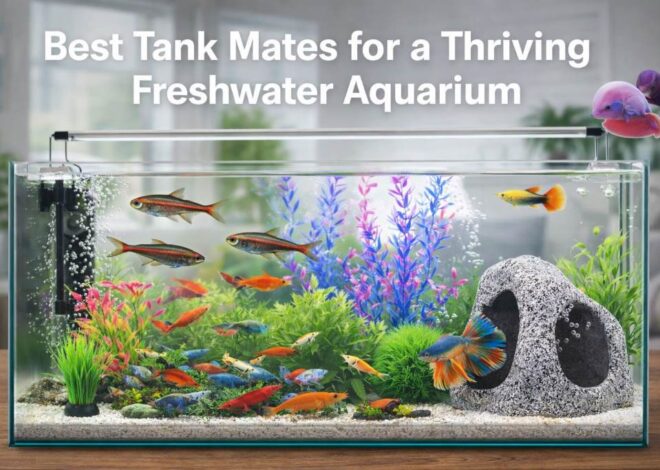
A 20 gallon aquarium setup could include:
- Top level: guppies
- Mid level: neon tetras
- Bottom level: corydoras
- Add ons: shrimp and snails
This setup works because all species share similar needs and behavior.
Conclusion
Choosing the right fish is not about looks alone. It is about creating a balanced environment where every species can thrive. Focus on temperament, size, water conditions, and feeding habits. Take time to research each species before adding it to your tank.
Start small, observe closely, and adjust when needed. A well planned aquarium becomes a peaceful ecosystem that rewards you every day. Begin building your ideal community today and enjoy the beauty of a truly harmonious freshwater aquarium.
FAQs
What are the best beginner tank mates for freshwater aquariums
Peaceful fish like guppies, neon tetras, and corydoras are ideal. They adapt easily and rarely show aggression.
Can aggressive fish live with peaceful fish
This combination usually fails. Aggressive species stress or harm peaceful fish, so avoid mixing them.
How many fish should I keep together
Follow the rule of adequate space. Keep small groups of compatible fish and avoid overcrowding.
Are shrimp safe with all fish
No. Many fish eat shrimp. Keep them with peaceful species only.
How do I know if my fish are stressed
Look for hiding, reduced eating, faded color, or erratic swimming. These are common stress signs.