How to Set Up a Reef Aquarium Starter Kit for Beginners Step by Step Guide
A reef aquarium brings a slice of the ocean into your home. It looks stunning, yet it also needs careful setup and patience. Studies from the National Oceanic and Atmospheric Administration show that coral ecosystems support nearly 25 percent of marine life, which explains why balance is so important in a reef tank. If you are new, starting with a proper reef aquarium starter kit can make the process easier and more predictable. In this guide, you will learn how to build a healthy reef tank step by step using simple, practical methods.
Right from the start, choosing the right reef aquarium starter kit helps avoid costly mistakes and keeps your system stable.
What Is a Reef Aquarium Starter Kit
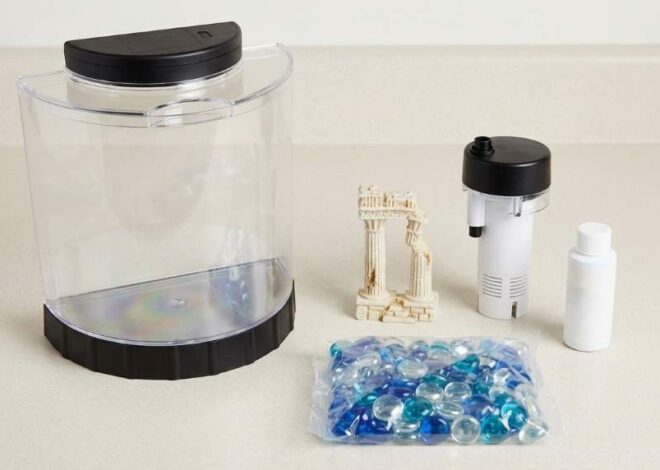
A reef aquarium starter kit includes all essential tools needed to build a saltwater ecosystem. It saves time and ensures compatibility between components. Most kits include a tank, filtration system, lighting, and basic accessories.
Key Components Inside a Starter Kit
A beginner kit usually contains:
- Glass or acrylic tank
- LED lighting system
- Filtration unit such as a sump or hang on filter
- Protein skimmer
- Water pump and circulation system
- Heater and thermometer
Some advanced kits also include test kits and auto top off systems. These tools help maintain stable water conditions.
Why Beginners Should Start with a Kit
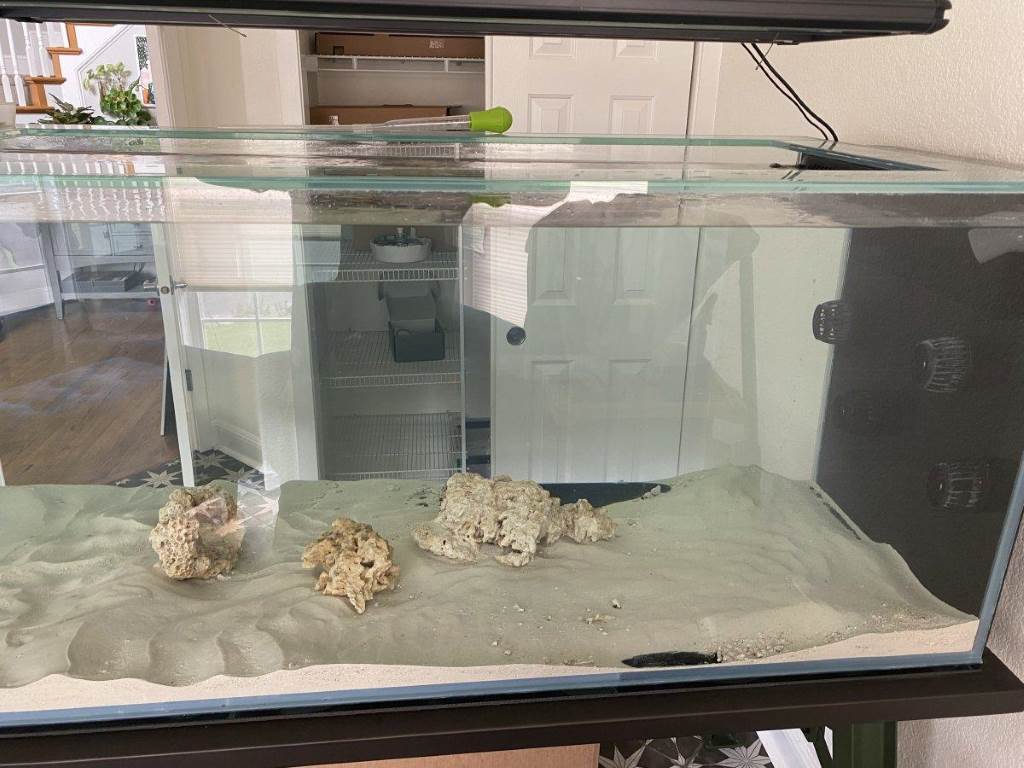
Starting from scratch can feel overwhelming. A kit simplifies decisions and reduces errors.
Benefits You Get Immediately
- Equipment compatibility is already tested
- Setup becomes faster and more structured
- Maintenance becomes easier to manage
- Less risk of imbalance in water chemistry
As a result, beginners can focus more on learning and less on fixing mistakes.
Step 1 Choose the Right Tank Size
Tank size directly affects stability. Larger tanks are more forgiving because they dilute changes in water chemistry.
Recommended Sizes for Beginners
- 20 to 40 gallons for manageable care
- 50 plus gallons for more stability
- Nano tanks under 20 gallons need careful monitoring
A medium sized tank offers the best balance between control and maintenance.
Step 2 Select the Right Location
Placement affects temperature, algae growth, and overall stability.
Where to Place Your Aquarium
- Keep away from direct sunlight
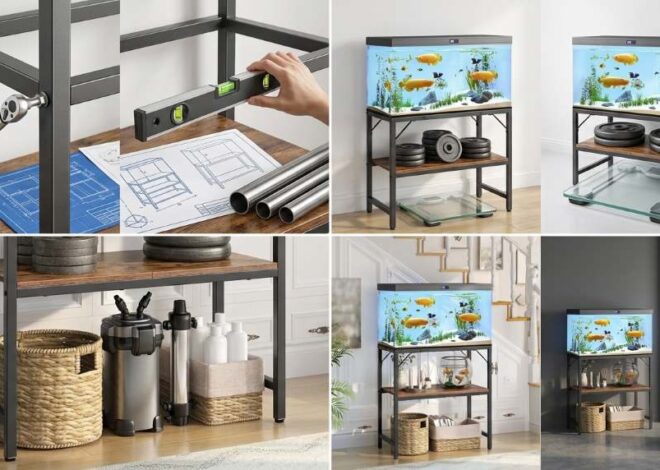
- Place on a strong, level stand
- Ensure access to power outlets
- Leave space for maintenance
A stable environment reduces stress on marine life.
Step 3 Install Equipment Properly
Now you begin assembling your reef aquarium starter kit.
Setup Order Matters
- Place the tank and stand securely
- Install filtration system
- Set up heater and thermometer
- Add lighting system
- Position water pumps
Always check manufacturer guidelines to ensure correct installation.
Step 4 Add Substrate and Live Rock
Substrate and live rock form the foundation of your reef ecosystem.
Types of Substrate
- Aragonite sand for natural buffering
- Crushed coral for better water flow
Why Live Rock Is Essential
Live rock contains beneficial bacteria. These bacteria help break down waste and keep water clean.
Step 5 Prepare Saltwater Correctly
Freshwater will not work for reef tanks. You must create saltwater using marine salt mix.
How to Mix Saltwater
- Use reverse osmosis water
- Add marine salt gradually
- Mix until salinity reaches 1.023 to 1.025
- Let water circulate for 24 hours
Consistency in salinity is critical for coral health.
Step 6 Start the Nitrogen Cycle
Cycling builds beneficial bacteria that process waste.
Understanding the Cycle
Fish waste produces ammonia. Bacteria convert ammonia into nitrite, then into nitrate.
How to Cycle Your Tank
- Add live rock or bacteria starter
- Test ammonia, nitrite, and nitrate levels
- Wait 3 to 6 weeks before adding fish
According to research from the Environmental Protection Agency, stable nitrogen cycles are essential for aquatic ecosystems.
Step 7 Install Lighting for Coral Growth
Lighting plays a vital role in coral health.
Best Lighting Practices
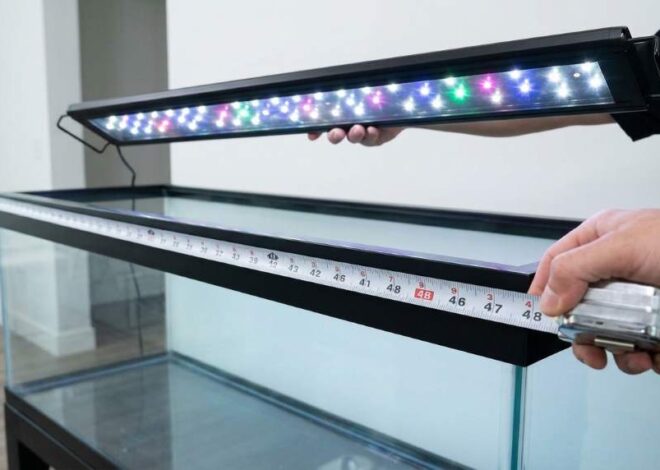
- Use LED reef lights
- Maintain 8 to 10 hours light cycle
- Adjust intensity gradually
Corals rely on light for photosynthesis, so proper lighting ensures growth.
Step 8 Add Clean Up Crew First
Before fish, introduce organisms that maintain cleanliness.
Common Clean Up Crew Members
- Snails for algae control
- Hermit crabs for debris
- Shrimp for waste removal
These creatures help keep your tank balanced naturally.
Step 9 Introduce Fish Slowly
Adding fish too quickly can disrupt the ecosystem.
Beginner Friendly Fish Options
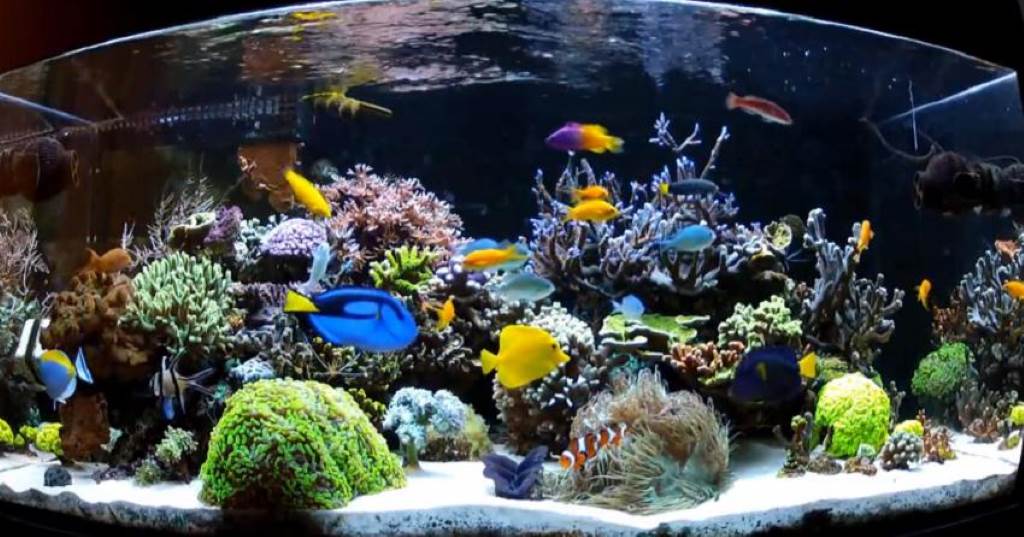
- Clownfish
- Gobies
- Blennies
Add fish one at a time. Wait at least one week between additions.
Step 10 Add Corals Gradually
Corals require stable conditions. Do not rush this step.
Easy Corals for Beginners
- Soft corals such as mushrooms
- Zoanthids
- Leather corals
Start with hardy species before trying advanced ones.
Step 11 Monitor Water Parameters Regularly
Consistent testing keeps your reef healthy.
Key Parameters to Track
- Salinity
- pH levels
- Ammonia and nitrate
- Calcium and alkalinity
Regular checks prevent sudden issues.
Step 12 Perform Routine Maintenance
Maintenance ensures long term success.
Weekly Tasks
- Water changes of 10 to 20 percent
- Clean glass and remove algae
- Check equipment performance
Monthly Tasks
- Replace filter media
- Inspect pumps and lights
Routine care keeps your system stable and thriving.
Common Mistakes Beginners Should Avoid
Even with a reef aquarium starter kit, mistakes can happen.
Watch Out for These Errors
- Overfeeding fish
- Adding too many fish too quickly
- Ignoring water testing
- Using tap water instead of purified water
Avoiding these mistakes saves time and effort.
Pro Tips to Improve Your Reef Tank
Small adjustments can make a big difference.
Practical Tips
- Keep a log of water tests
- Maintain stable temperature around 24 to 26 degrees Celsius
- Use auto top off systems for consistency
- Research each species before adding
These habits help create a thriving ecosystem.
Conclusion
Setting up a reef aquarium starter kit may seem complex at first, yet a step by step approach makes it manageable. From choosing the right tank to maintaining water quality, each step plays a key role in success. When you stay patient and consistent, your reef tank will grow into a vibrant underwater world. Start your journey today, follow these steps carefully, and build a reef aquarium that thrives for years.
FAQs
What is the best size for a beginner reef aquarium
A tank between 20 and 40 gallons works best. It offers stability while remaining easy to maintain.
How long does it take to set up a reef aquarium
Initial setup takes a few hours, but the cycling process requires 3 to 6 weeks before adding fish.
Can I use tap water for my reef tank
Tap water often contains impurities. Use purified water like reverse osmosis for better results.
How often should I change water in a reef tank
Change 10 to 20 percent of water weekly to maintain healthy conditions.
What fish are best for beginners in a reef tank
Clownfish, gobies, and blennies are hardy and easy to care for.
Image ALT Texts
- Beginner reef aquarium starter kit setup with corals and fish
- Adding live rock and substrate in reef aquarium tank
- Clownfish swimming in a colorful reef aquarium setup