How to Choose the Right Reef Aquarium Lighting for Healthy Coral Growth
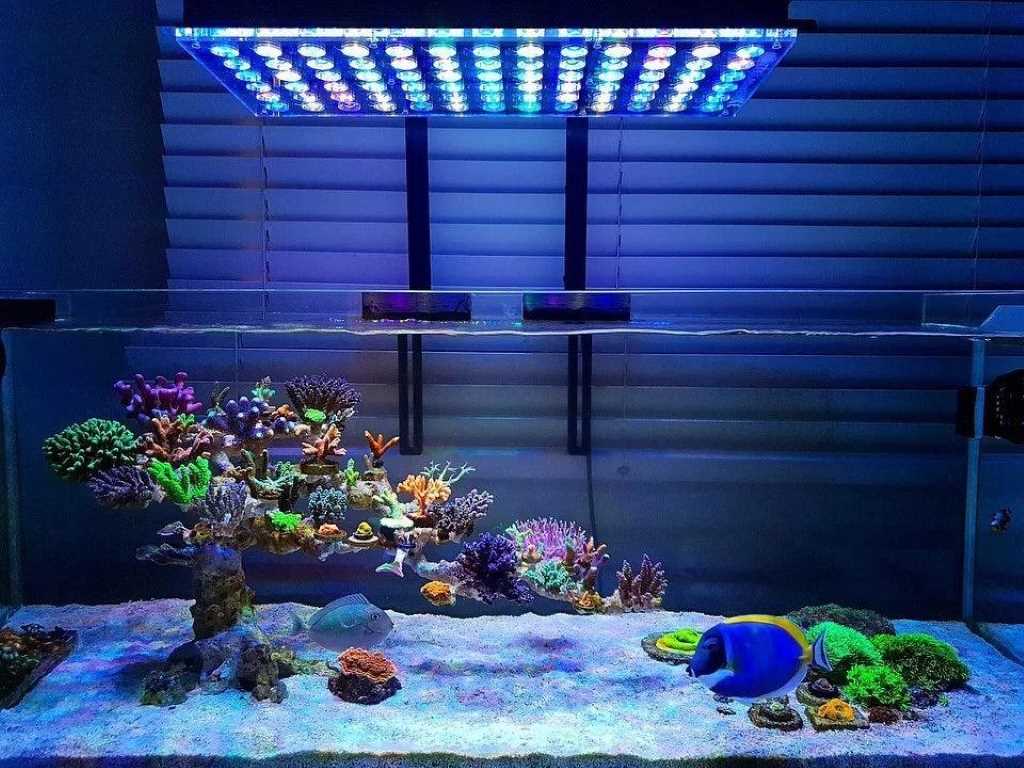
Choosing the right reef aquarium lighting can make or break your coral health. Light is not just for viewing beauty. It drives coral growth, color, and survival through photosynthesis. In fact, studies from NOAA show that over 90 percent of reef building corals depend on light driven symbiotic algae for energy. Another marine research report confirms that proper lighting improves coral growth rates by up to 50 percent in controlled tanks. If you want vibrant corals and a thriving reef system, understanding the reef aquarium lighting is essential. This guide explains everything in simple terms so you can make the right decision with confidence.
If you are exploring options, you can check detailed picks for reef aquarium lighting to compare modern solutions.
Why Lighting Matters for Coral Growth
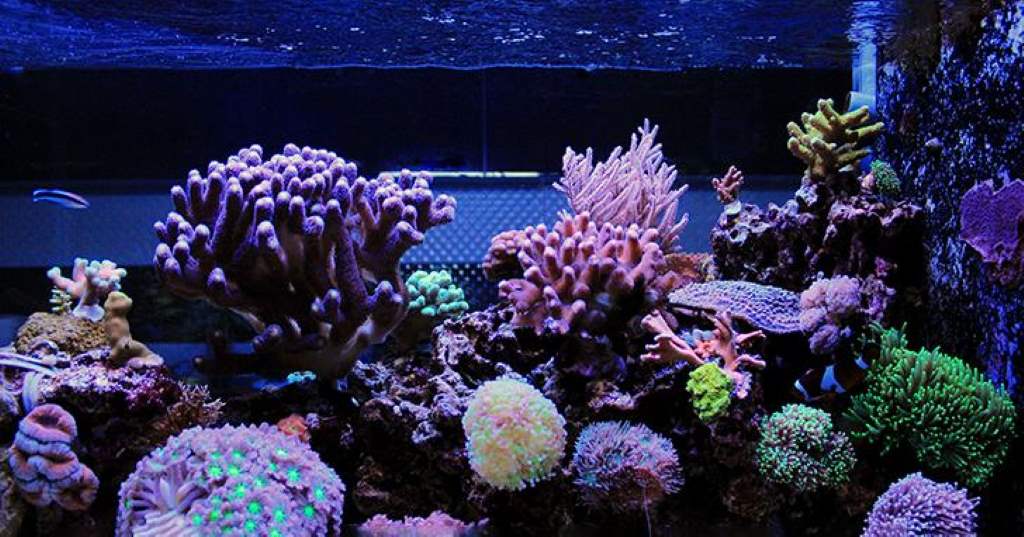
Corals are living animals that host tiny algae called zooxanthellae. These algae use light to produce energy. As a result, your lighting directly affects coral health, color, and growth speed.
Without proper lighting, corals will fade, stop growing, or even die. On the other hand, balanced lighting helps them thrive and display bright colors.
Key Benefits of Proper Lighting
- Supports photosynthesis in coral tissue
- Enhances coral coloration
- Promotes faster growth
- Maintains overall tank balance
Therefore, lighting is not just a feature. It is a core life support system for your reef tank.
Types of Reef Aquarium Lighting
Different lighting systems offer different benefits. Understanding each type helps you choose wisely.
LED Lighting
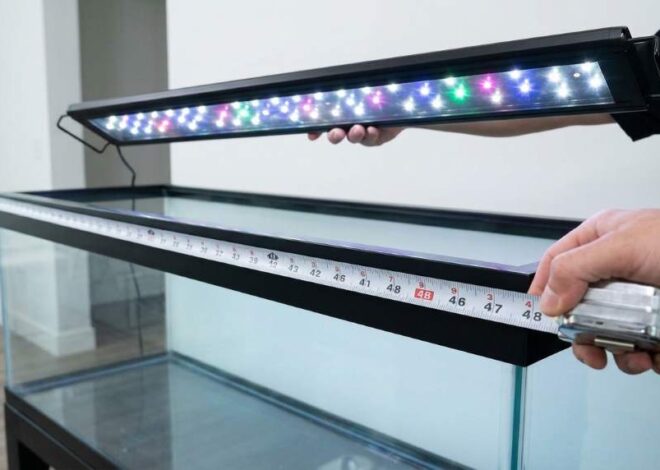
LED lights are the most popular choice today. They are energy efficient and highly customizable.
Advantages
- Adjustable color spectrum
- Low heat output
- Long lifespan
- Energy efficient
Most importantly, LEDs allow you to mimic natural sunlight cycles. This makes them ideal for beginners and advanced hobbyists alike.
T5 Fluorescent Lighting
T5 lights provide even light spread across the tank. They are known for consistency.
Advantages
- Uniform coverage
- Reliable performance
- Great for mixed reefs
However, they consume more power than LEDs and need regular bulb replacement.
Metal Halide Lighting
Metal halide lights are powerful and intense. They were once the gold standard.
Advantages
- Strong light penetration
- Ideal for deep tanks
- Excellent coral growth
Still, they generate a lot of heat and require more maintenance.
Understanding Light Spectrum for Corals
Light spectrum plays a huge role in coral health. Corals respond best to specific wavelengths.
Important Spectrum Ranges
- Blue light between 400 and 500 nm supports photosynthesis
- White light helps overall balance
- UV light enhances coral coloration
Blue light is especially important. It penetrates water deeply and supports energy production.
How to Balance Spectrum
- Use more blue than white
- Avoid excessive red light
- Adjust intensity gradually
This balance helps corals grow while maintaining vibrant colors.
Light Intensity and PAR Explained
PAR stands for Photosynthetically Active Radiation. It measures the usable light for corals.
Ideal PAR Levels
- Soft corals: 50 to 150 PAR
- LPS corals: 100 to 200 PAR
- SPS corals: 200 to 400 PAR
Too little light slows growth. Too much light can bleach corals. Therefore, you must match intensity to coral type.
Tips for Managing Intensity
- Start with low intensity
- Increase slowly over weeks
- Monitor coral response
Consistency matters more than sudden changes.
Choosing the Right Lighting for Your Tank
Selecting the right lighting depends on several factors. Each tank is unique.
Tank Size and Depth
Deeper tanks need stronger lighting. Light weakens as it travels through water.
- Shallow tanks need moderate intensity
- Deep tanks require high output lighting
Coral Type
Different corals have different needs.
- Soft corals prefer low to moderate light
- LPS corals need moderate light
- SPS corals require strong lighting
Tank Placement
Room lighting can affect your setup. If your tank gets natural sunlight, you may need to adjust artificial lighting.
Lighting Duration and Schedule
Lighting duration is just as important as intensity. Corals need a stable day and night cycle.
Recommended Schedule
- 8 to 10 hours of full lighting
- 2 to 3 hours of ramp up and ramp down
Using timers or smart controllers helps maintain consistency.
Why Consistency Matters
Stable lighting reduces stress. It also prevents algae overgrowth and supports coral health.
Common Mistakes to Avoid
Even experienced hobbyists make mistakes with lighting. Avoid these common issues.
Frequent Errors
- Using too much light too quickly
- Ignoring PAR measurements
- Choosing the wrong spectrum
- Changing settings too often
Instead, make gradual adjustments and observe your corals closely.
Advanced Lighting Features to Consider
Modern lighting systems offer smart features that improve results.
Useful Features
- Programmable schedules
- Wireless control
- Sunrise and sunset simulation
- Cloud effects
These features help mimic natural conditions. As a result, corals experience less stress and grow better.
Real World Example
A reef hobbyist switched from basic fluorescent lights to a programmable LED system. Within three months, coral color improved significantly. Growth rates also increased. This shows how the right lighting choice directly impacts success.
Conclusion
Choosing the right reef aquarium lighting is one of the most important decisions for your reef tank. It affects coral growth, color, and long term health. Focus on spectrum, intensity, and consistency. Match your lighting to your tank size and coral type. Avoid quick changes and monitor results carefully.
Start with a reliable system, adjust gradually, and observe your corals. With the right approach, you will build a thriving and vibrant reef aquarium.
FAQs
What is the best lighting for beginners?
LED lighting is the best choice for beginners because it is easy to control, energy efficient, and versatile.
How many hours should reef lights stay on?
Most reef tanks need 8 to 10 hours of full light daily with gradual transitions.
Can too much light harm corals?
Yes, excessive light can cause coral bleaching and stress.
Do all corals need the same lighting?
No, different corals require different light intensity and spectrum levels.
How do I know if my lighting is correct?
Healthy coral color, steady growth, and open polyps indicate proper lighting.