How to Use a Reef Aquarium Test Kit to Maintain Perfect Water Parameters
Keeping a reef tank stable is not guesswork. It is precise, science-based care. Corals and marine life depend on tightly controlled water chemistry. Even small shifts can lead to stress, bleaching, or loss. According to research from the National Oceanic and Atmospheric Administration, coral ecosystems are highly sensitive to changes in pH and temperature. Another study from Smithsonian Institution shows that stable alkalinity and calcium levels directly impact coral growth.
That is where a reliable reef aquarium test kit becomes essential. It helps you measure, track, and correct water parameters before problems arise. In this guide, you will learn exactly how to use it effectively and maintain a healthy reef system.
Why Water Testing Matters in a Reef Aquarium
Reef tanks are far less forgiving than freshwater systems. Marine organisms rely on stable chemical conditions to survive. Even a small imbalance can trigger serious issues.
Key reasons to test regularly
- Corals require consistent calcium, alkalinity, and magnesium
- Fish health depends on low ammonia and nitrite levels
- pH fluctuations can stress or kill sensitive species
- Nutrient spikes lead to algae outbreaks
Testing allows early detection. Therefore, you fix issues before they escalate. Consistency is the real goal.
What Parameters Should You Test
A reef aquarium test kit typically measures several critical elements. Each plays a role in maintaining balance.
Core parameters to monitor
- pH: Ideal range is 8.1 to 8.4
- Ammonia: Must remain at zero
- Nitrite: Also should be zero
- Nitrate: Keep below 10 ppm for reefs
- Alkalinity: Stable range supports coral growth
- Calcium: Needed for skeleton formation
- Magnesium: Helps stabilize calcium and alkalinity
Advanced parameters
- Phosphate
- Salinity
- Temperature
Testing all these regularly creates a full picture of your tank health.
Types of Reef Aquarium Test Kits
Not all kits work the same. Choosing the right type improves accuracy and ease of use.
1. Liquid test kits
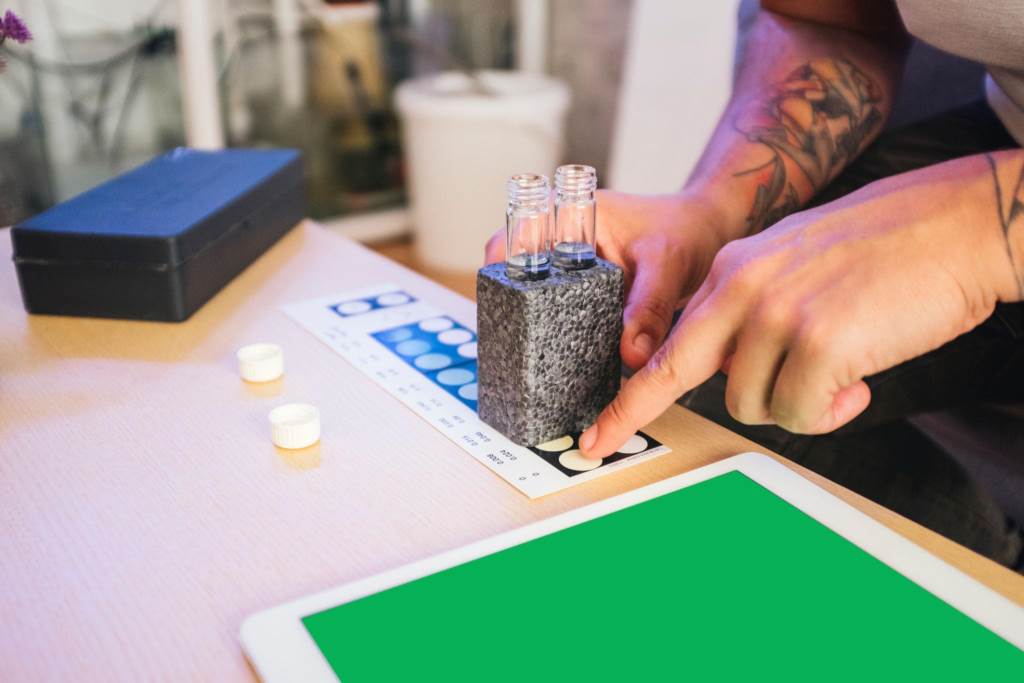
These are the most common. You mix reagents with water samples. Then you compare color changes.
Pros:
- Accurate
- Affordable
- Widely available
Cons:
- Takes more time
- Requires careful measurement
2. Test strips
Dip the strip into water and compare colors.
Pros:
- Quick
- Easy to use
Cons:
- Less precise
- Limited parameters
3. Digital testers
These use sensors for readings.
Pros:
- Highly accurate
- Fast results
Cons:
- Higher cost
- Requires calibration
Each option works, but liquid kits often provide the best balance of accuracy and control.
Step by Step Guide to Using a Reef Aquarium Test Kit
Using your test kit correctly ensures reliable results. Follow these steps carefully.
Step 1: Prepare your tools
Gather everything before starting. This includes:
- Test vials
- Reagents
- Clean water sample
- Timer
Make sure all equipment is clean. Contamination affects readings.
Step 2: Collect a proper water sample
Take water from mid tank, not the surface. Avoid debris or bubbles. Use a clean container.
Step 3: Follow instructions precisely
Each kit has specific steps. Always:
- Add exact number of drops
- Shake gently if required
- Wait for the correct reaction time
Even small mistakes can distort results.
Step 4: Compare results
Match the color to the provided chart. Do this under good lighting. Natural light works best.
Step 5: Record your readings
Keep a logbook or app. Tracking trends helps identify patterns early.
Interpreting Test Results Correctly
Testing is only useful if you understand the results.
What stable readings look like
- Zero ammonia and nitrite
- Low nitrate
- Consistent pH
- Balanced calcium and alkalinity
Warning signs
- Rising nitrate indicates waste buildup
- Low calcium slows coral growth
- High phosphate leads to algae blooms
Therefore, always act on unusual results quickly.
How Often Should You Test
Frequency depends on your tank maturity and livestock.
Recommended schedule
- Daily: During new tank setup
- Weekly: For established tanks
- Before and after adding livestock
- After dosing supplements
Consistency matters more than frequency. Regular testing builds stability.
Common Mistakes to Avoid
Even experienced hobbyists make errors. Avoid these common issues.
Mistakes that affect accuracy
- Using expired reagents
- Skipping instructions
- Testing at inconsistent times
- Not cleaning test vials
Behavioral mistakes
- Ignoring small changes
- Overcorrecting parameters
- Testing too infrequently
Small habits make a big difference over time.
Adjusting Water Parameters Safely
Once you detect an imbalance, correct it carefully.
Safe adjustment tips
- Make gradual changes
- Use high quality supplements
- Test again after adjustments
- Avoid multiple changes at once
For example, if calcium is low, dose slowly over several days. Rapid changes stress corals.
Building a Testing Routine That Works
A consistent routine simplifies reef care.
Sample weekly routine
- Test all major parameters
- Record results
- Compare with previous data
- Adjust if needed
- Clean testing equipment
Over time, this routine becomes second nature.
Real Example: Stabilizing a Reef Tank
Consider a hobbyist struggling with coral growth. Testing revealed low alkalinity and calcium.
Actions taken
- Increased calcium dosing slowly
- Adjusted alkalinity buffer
- Monitored levels daily
Within weeks, coral growth improved. This shows how proper testing leads to real results.
Tools That Improve Accuracy
Beyond a reef aquarium test kit, some tools enhance reliability.
Helpful additions
- Refractometer for salinity
- Digital thermometer
- Auto dosing systems
- Log tracking apps
These tools support precision and consistency.
Signs Your Water Parameters Are Perfect
You will notice visible improvements when everything is balanced.
Positive indicators
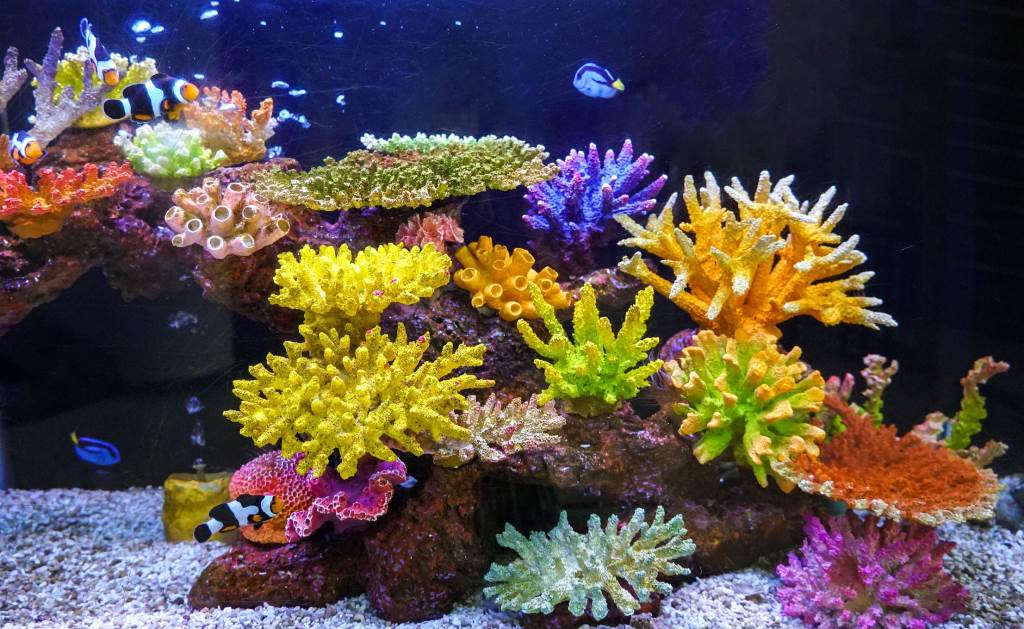
- Vibrant coral colors
- Active fish behavior
- Clear water
- Minimal algae growth
These signs confirm your testing routine is working.
Conclusion
Maintaining a reef tank is both art and science. A reef aquarium test kit gives you the control needed to keep conditions stable. Regular testing, accurate interpretation, and careful adjustments are the foundation of success. When you stay consistent, your tank thrives. Start building a routine today and track your progress closely. Your corals and fish will reward you with vibrant growth and long term health.
FAQs
What is the most important parameter to test in a reef tank
Calcium and alkalinity are critical for coral growth. However, ammonia and nitrite must always remain at zero for safety.
Can I rely only on test strips
Test strips are convenient but less accurate. Liquid kits or digital testers provide better precision for reef tanks.
How long does it take to see results after adjusting parameters
Most changes show effects within a few days. Coral growth improvements may take a few weeks.
Should I test at the same time every day
Yes. Testing at consistent times ensures reliable comparisons and reduces variability.
What happens if I stop testing regularly
Water conditions can drift without warning. This increases the risk of coral stress, algae growth, and fish health issues.