How to Choose Aquarium Plant Fertilizer in Washington for Healthy Growth
Creating a thriving planted aquarium is both an art and a science. While lighting and CO2 play crucial roles, the right fertilizer is the secret to lush, vibrant plants. Without proper nutrients, even the most carefully chosen plants can struggle, leading to poor growth, algae outbreaks, and an unhealthy tank.
Washington’s unique aquatic community offers a wide range of options for aquarium enthusiasts, from local fish stores to online retailers. However, choosing the right fertilizer can be overwhelming, especially with so many products and methods available. Whether you’re a beginner or an experienced aquascaper, understanding your plants’ needs and the local resources available will help you achieve stunning results.
If you’re searching for the best aquarium plant fertilizer in Washington, you’re already on the right path to a healthier, more beautiful aquarium.
Why Fertilizer Matters for Aquarium Plants
Aquarium plants, like all living organisms, need a balanced diet to grow. In nature, they absorb nutrients from the water and substrate. In a closed aquarium, these nutrients are quickly depleted, especially in heavily planted tanks. Without supplementation, plants can become stunted, discolored, or even die.
According to a 2023 study published in the Journal of Aquatic Plant Biology, over 70% of aquarium plant deficiencies are due to insufficient macronutrients like nitrogen, phosphorus, and potassium. Micronutrients, such as iron, magnesium, and trace elements, are also essential for vibrant color and robust growth.
I learned this lesson early in my aquascaping journey. My first planted tank suffered from persistent algae and weak plant growth. After testing my water and adding a comprehensive liquid fertilizer, the transformation was dramatic. Within weeks, my plants were thriving, and the algae had nearly disappeared.
Fertilizers provide the essential nutrients that plants need to photosynthesize, grow, and compete with algae. They also help maintain a stable environment, which is crucial for the health of your fish and invertebrates.
Types of Aquarium Plant Fertilizers
1. Liquid Fertilizers
Liquid fertilizers are the most popular choice for beginners and experienced aquascapers alike. They’re easy to dose and provide immediate nutrients to the water column, where plants can absorb them quickly. Liquid fertilizers come in two main types:
- All-in-One Fertilizers: These contain a balanced mix of macronutrients (nitrogen, phosphorus, potassium) and micronutrients (iron, magnesium, trace elements). Brands like Seachem Flourish and Easy Green by Aquarium Co-Op are popular for their simplicity and effectiveness.
- Individual Nutrient Supplements: These allow you to target specific deficiencies. For example, Seachem Iron or Potassium can be added separately if your plants show signs of a particular nutrient lack.
Liquid fertilizers are ideal for low-tech tanks or tanks with fast-growing plants that consume nutrients rapidly.
2. Root Tabs and Substrate Fertilizers
Root tabs and substrate fertilizers are designed to nourish plants at the root level. They’re placed directly into the substrate, where they slowly release nutrients over time. This method is especially effective for heavy root feeders like Amazon swords, crypts, and vallisneria.
- Root Tabs: Small, nutrient-rich tablets that are buried near plant roots. Brands like Seachem Flourish Tabs and NilocG ThriveCaps are widely used.
- Substrate Additives: These are mixed into the substrate during tank setup. Products like Seachem Flourite and ADA Aqua Soil contain built-in nutrients that support plant growth for months.
Root tabs are a great option for tanks with nutrient-rich substrates or for plants that primarily feed through their roots.
3. Dry Fertilizers
Dry fertilizers are a cost-effective alternative to liquid fertilizers. They’re typically sold as powdered mixes that you dissolve in water before dosing. Dry fertilizers allow for precise control over nutrient levels, making them a favorite among advanced aquascapers.
- Macronutrient Mixes: Provide nitrogen, phosphorus, and potassium. Examples include NilocG Thrive and Green Leaf Aquariums’ dry fertilizer kits.
- Micronutrient Mixes: Supply iron, manganese, and other trace elements. These are often sold separately or as part of a comprehensive dry fertilizer kit.
Dry fertilizers require more effort to prepare but are often more affordable in the long run.
4. CO2 Supplements
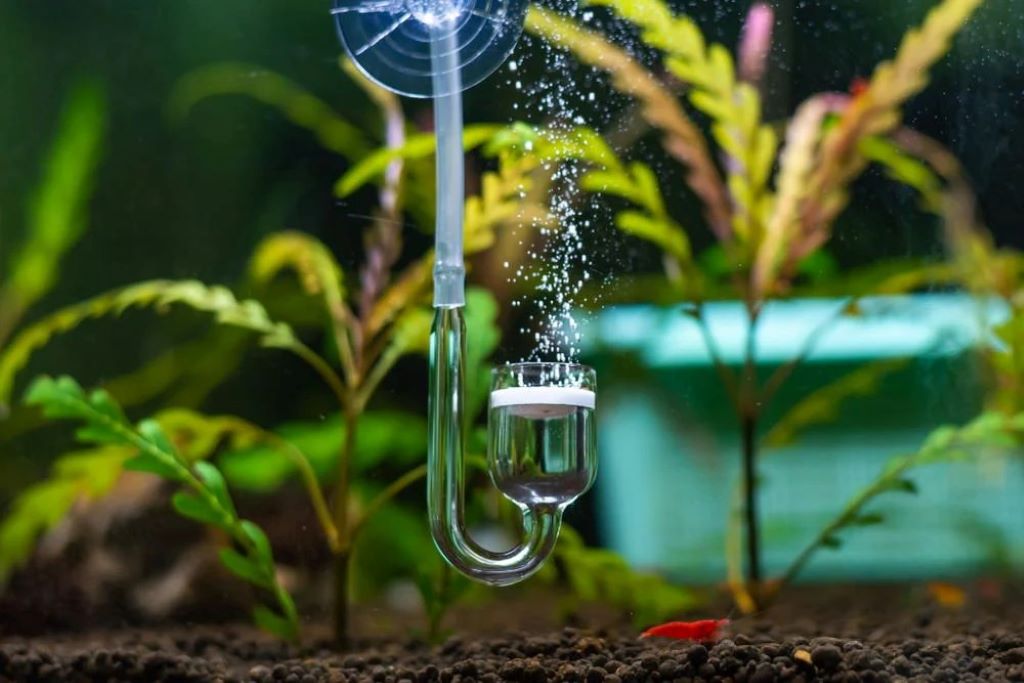
While not a traditional fertilizer, CO2 is a critical nutrient for aquarium plants. It’s often supplemented alongside liquid or dry fertilizers to promote faster growth and prevent algae. CO2 can be added via pressurized systems, liquid carbon supplements (like Seachem Excel), or DIY yeast-based setups.

How to Choose the Right Fertilizer for Your Tank
1. Assess Your Tank’s Needs
The first step in choosing a fertilizer is understanding your tank’s specific requirements. Consider the following factors:
- Plant Types: Heavy root feeders (e.g., Amazon swords, crypts) benefit from root tabs or substrate fertilizers, while stem plants and floating plants absorb nutrients primarily from the water column.
- Lighting: High-light tanks consume nutrients more quickly and may require more frequent dosing.
- Fish Load: Heavily stocked tanks produce more waste, which can supply some nutrients naturally. Lightly stocked or plant-heavy tanks may need additional supplementation.
- Substrate: Inert substrates like sand or gravel require more frequent fertilization, while nutrient-rich substrates (e.g., ADA Aqua Soil) may need less.
2. Test Your Water
Regular water testing helps you identify nutrient deficiencies or imbalances. Test kits for nitrogen (nitrate), phosphorus (phosphate), potassium, and iron are widely available and easy to use. If your plants show signs of deficiency (e.g., yellowing leaves, stunted growth), a test kit can help pinpoint the issue.
3. Start with an All-in-One Fertilizer
For beginners, an all-in-one liquid fertilizer is the easiest way to provide balanced nutrition. These products are formulated to meet the needs of most planted tanks and eliminate the guesswork of dosing individual nutrients. Follow the manufacturer’s instructions for dosing, and adjust based on your plants’ response.
4. Consider Dry Fertilizers for Advanced Control
If you’re comfortable with more precise dosing, dry fertilizers offer greater flexibility and cost savings. You can customize the nutrient mix to match your tank’s specific needs and adjust doses as your plants grow. Many aquascapers use the Estimative Index (EI) method, which involves dosing excess nutrients and performing regular water changes to maintain balance.
5. Combine Methods for Best Results
Many successful aquascapers use a combination of liquid fertilizers, root tabs, and CO2 supplementation. For example, you might dose a liquid fertilizer weekly, add root tabs every few months, and inject CO2 daily. This approach ensures that all plants receive the nutrients they need, regardless of their feeding habits.
Where to Buy Aquarium Plant Fertilizer in Washington
Washington is home to a thriving aquarium community, with plenty of local and online options for purchasing fertilizers. Here are some of the best places to shop:
Local Fish Stores (LFS)
Local fish stores are a fantastic resource for aquarium fertilizers, especially if you’re new to planted tanks. Staff can offer personalized advice and help you choose the right products for your setup. Some top-rated LFS in Washington include:
- Aquarium Zen (Seattle): Known for its wide selection of planted tank supplies and expert staff.
- The Wet Spot Tropical Fish (Portland, OR, but ships to WA): A favorite among Pacific Northwest aquascapers for its extensive inventory.
- Olympic Aquarium (Bremerton): Offers a variety of fertilizers and planted tank essentials.
Online Retailers
Online shopping provides access to a broader range of products, often at competitive prices. Popular online retailers for aquarium fertilizers include:
- Aquarium Co-Op: Offers a curated selection of fertilizers, including their popular Easy Green all-in-one liquid fertilizer.
- NilocG: Specializes in dry fertilizers and comprehensive nutrient kits.
- Amazon: A convenient option for widely available brands like Seachem and API.
Aquarium Clubs and Swaps
Washington has several active aquarium clubs and Facebook groups where members buy, sell, and trade plants and fertilizers. These communities are a great place to find deals, get advice, and connect with fellow hobbyists. Some notable groups include:
- Seattle Aquarium Society
- Puget Sound Aquarium Society
- Washington Aquatic Plant Enthusiasts (Facebook group)
How to Dose Fertilizers Safely and Effectively
1. Follow the Instructions
Always start with the manufacturer’s recommended dosage. Overdosing can lead to algae outbreaks, while underdosing may result in poor plant growth. If you’re unsure, start with a lower dose and gradually increase it based on your plants’ response.
2. Dose Consistently
Consistency is key to maintaining stable nutrient levels. Set a regular dosing schedule (e.g., weekly for liquid fertilizers, monthly for root tabs) and stick to it. Use a calendar or reminder app to keep track of your dosing routine.
3. Monitor Plant Health
Pay attention to how your plants respond to fertilization. Healthy plants should exhibit vibrant colors, steady growth, and minimal algae. If you notice signs of deficiency (e.g., yellow leaves, slow growth) or excess (e.g., algae blooms), adjust your dosing accordingly.
4. Perform Regular Water Changes
Water changes help remove excess nutrients and maintain a balanced environment. Aim for weekly water changes of 20–30%, especially in high-tech tanks with CO2 injection and heavy fertilization.
5. Test Water Parameters
Regular testing ensures that nutrient levels remain within the ideal range. Test for nitrates, phosphates, potassium, and iron at least once a month, and adjust your fertilization routine as needed.
Common Mistakes to Avoid
1. Overdosing Fertilizers
More fertilizer isn’t always better. Overdosing can lead to algae outbreaks, poor water quality, and stress for your fish. Stick to the recommended dosage and increase gradually if needed.
2. Ignoring Micronutrients
While macronutrients (nitrogen, phosphorus, potassium) are essential, micronutrients (iron, magnesium, trace elements) are equally important. A lack of micronutrients can cause yellowing leaves, poor growth, and increased algae.
3. Neglecting Water Changes
Fertilizers add nutrients to your tank, but they don’t remove waste. Regular water changes are crucial for maintaining a healthy balance and preventing nutrient buildup.
4. Using the Wrong Fertilizer for Your Plants
Not all plants have the same nutrient requirements. Heavy root feeders need substrate fertilizers, while stem plants and floating plants absorb nutrients from the water column. Choose a fertilizer that matches your plants’ feeding habits.
5. Skipping Water Tests
Without testing, it’s impossible to know if your tank has the right nutrient balance. Invest in a reliable test kit and use it regularly to guide your fertilization routine.
FAQs About Aquarium Plant Fertilizers
How often should I fertilize my planted tank?
Most planted tanks benefit from weekly liquid fertilizer dosing and monthly root tab additions. Adjust the frequency based on your plants’ growth and water test results.
Can I use garden fertilizers in my aquarium?
No, garden fertilizers often contain chemicals and additives that are harmful to fish and aquatic plants. Always use fertilizers specifically designed for aquariums.
What’s the difference between liquid and dry fertilizers?
Liquid fertilizers are pre-mixed and easy to dose, while dry fertilizers require mixing but offer more precise control and cost savings. Both can be effective, depending on your needs.
Do I need CO2 if I use fertilizers?
While fertilizers provide essential nutrients, CO2 is also critical for plant growth. In low-tech tanks, liquid carbon supplements can help, but high-tech tanks benefit from pressurized CO2 systems.
Can I mix different fertilizer brands?
Yes, but be cautious of overdosing. Stick to one comprehensive fertilizer (e.g., all-in-one liquid) and supplement with individual nutrients only if needed.
Conclusion
Choosing the right aquarium plant fertilizer in Washington is the key to a thriving, beautiful planted tank. By understanding your plants’ needs, testing your water, and selecting the right type of fertilizer, you can create an environment where your aquatic plants flourish.
Whether you’re a beginner or an experienced aquascaper, Washington’s local and online resources make it easy to find the perfect fertilizer for your setup. Share your favorite fertilization tips or ask questions in the comments below—let’s help each other grow stunning planted tanks!