
How to Keep Colorful Aquarium Fish in Nano Aquariums
Nano aquariums are small tanks, usually holding between 5 and 20 gallons of water. They are popular with beginners and experienced fish keepers alike. These compact tanks can fit on a desk, a shelf, or a countertop. However, keeping colorful fish in such a small space requires planning and care. If you do things right, a nano aquarium can become a stunning piece of living art in your home.
Many people assume that small tanks are easier to maintain. In reality, they require just as much attention as larger ones. Water quality can change quickly in a small volume. Therefore, understanding the basics before you begin is very important. This guide will help you set up and maintain a thriving nano aquarium filled with vibrant, colorful fish.
What Is a Nano Aquarium?
A nano aquarium is generally any tank that holds 20 gallons or less. Some hobbyists define it even more strictly, referring only to tanks under 10 gallons. These tanks are compact, affordable, and visually appealing. Additionally, they take up very little space, which makes them ideal for small apartments and offices.
Despite their small size, nano aquariums can house a surprising variety of fish and plants. The key is choosing species that are well-suited to limited space. Not every fish can live comfortably in a nano tank. However, with the right selection, you can create a beautiful and healthy aquatic environment.
Nano tanks come in many shapes. Cube tanks, bow-front tanks, and rimless tanks are all popular options. Each has its own aesthetic appeal. Therefore, choosing the right shape depends on your personal style and where you plan to place the tank.
Choosing the Right Fish for a Nano Aquarium
Fish selection is the most important decision you will make. The wrong fish can quickly become stressed, aggressive, or too large for a small tank. Therefore, always research a species before buying it. Focus on fish that stay small, prefer calm water, and are known for their peaceful nature.
Best Colorful Fish for Nano Tanks
There are many beautiful fish that thrive in nano aquariums. Here are some of the most popular and visually striking options:
- Neon Tetras: These tiny fish have bright blue and red stripes. They are peaceful and do well in groups of six or more.
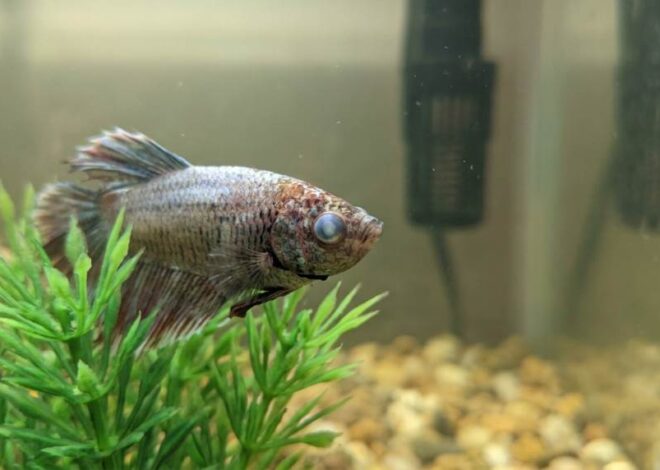
- Betta Fish: Bettas are stunning fish with flowing fins and vivid colors. However, male Bettas must be kept alone or with very peaceful tank mates.
- Chili Rasboras: These are very small fish with deep red and black coloring. They are perfect for tanks as small as 5 gallons.
- Endler Guppies: These fish are small, colorful, and easy to care for. Males display brilliant neon patterns.
- Dwarf Pea Puffers: These tiny puffers are full of personality. They show a bright yellow and green coloration and thrive in small planted tanks.
- Scarlet Badis: This is a jewel-like fish with red and blue scales. It is small, rare, and very beautiful.
Additionally, small schooling fish like Ember Tetras and Celestial Pearl Danios add movement and color to a nano tank. Always try to keep schooling species in groups of at least six. This reduces stress and encourages natural behavior.
Fish to Avoid in Nano Tanks
Some fish are simply not suitable for nano aquariums. Goldfish, for example, produce a lot of waste and grow too large. Cichlids are often too aggressive. Additionally, many catfish species grow far bigger than their juvenile size suggests. Therefore, always check the adult size of a fish before purchasing it.
As a general rule, avoid fish that grow longer than two inches in a nano tank. Also avoid species that require large open swimming spaces. Fast, active swimmers will become stressed in a small tank. This stress leads to disease and a shorter lifespan.
Setting Up Your Nano Aquarium
Setting up a nano aquarium takes time and care. Rushing the process often leads to problems down the line. Therefore, plan each step carefully before adding any fish.
Choosing the Right Tank Size
For keeping colorful fish, a tank of at least 10 gallons is recommended. Smaller tanks of 5 gallons can work, but they limit your options. The bigger the nano tank, the more stable the water conditions will be. Stability is key to healthy, vibrant fish.
A 10 to 15 gallon tank gives you room for a small school of fish, live plants, and decorations. Additionally, it allows for better filtration and water volume. This makes the tank easier to manage over time.
Filtration and Water Flow
Good filtration is essential in a nano aquarium. Because the water volume is small, waste builds up quickly. A quality filter removes harmful toxins and keeps the water clean. However, too much water flow can stress small fish. Therefore, choose a filter with an adjustable flow rate.
Sponge filters are a popular choice for nano tanks. They are gentle, affordable, and easy to clean. Hang-on-back filters also work well and provide good mechanical and biological filtration. Whichever filter you choose, make sure it is rated for the size of your tank.
Lighting for Color and Plant Growth
Lighting plays a big role in how colorful your fish appear. Good lighting enhances the natural colors of fish and supports live plant growth. For a nano tank, a small LED light is the best option. LED lights are energy-efficient, long-lasting, and available in different color spectrums.
A light with a color temperature between 6500K and 7000K is ideal for most planted nano tanks. This range brings out the best colors in both fish and plants. Additionally, a timer helps maintain a consistent light cycle of 8 to 10 hours per day. Consistent lighting reduces stress in fish and keeps algae under control.
Substrate and Decoration
The substrate is the material that lines the bottom of your tank. For a colorful nano aquarium, a dark substrate tends to make fish colors pop more vividly. Fine gravel or aqua soil are both excellent choices. Aqua soil also provides nutrients for live plants.
Decorations add visual interest and provide hiding spots for fish. Driftwood, smooth river stones, and small caves are all popular choices. However, make sure any decoration you add does not take up too much swimming space. Fish need room to move freely.

Cycling Your Nano Aquarium Before Adding Fish
Before adding any fish, you must cycle your tank. Cycling means establishing beneficial bacteria in the filter and substrate. These bacteria break down fish waste into less harmful substances. Skipping this step is one of the most common mistakes beginners make.
The cycling process takes two to four weeks. During this time, ammonia levels rise, then nitrite levels rise, and finally nitrate levels appear. Once ammonia and nitrite levels read zero, the tank is cycled and safe for fish. You can speed up the process by using a commercial bacteria starter or adding a piece of filter media from an established tank.
Therefore, patience is essential at this stage. Adding fish too early will expose them to toxic water conditions. This causes stress, illness, and often death. Testing your water with a liquid test kit every few days will help you track the cycling progress accurately.
Water Quality and Maintenance
Maintaining water quality is the most ongoing responsibility of a nano aquarium keeper. In a small tank, water parameters can shift rapidly. A single missed water change can lead to a spike in ammonia or nitrite. Therefore, a regular maintenance routine is non-negotiable.
Regular Water Changes
Perform a 20 to 30 percent water change every week. This removes waste, excess nutrients, and other pollutants that build up over time. Use a gravel vacuum to clean the substrate during each water change. Additionally, always treat tap water with a water conditioner before adding it to the tank. Chlorine and chloramine in tap water are harmful to fish.
Consistency is more important than perfection. Even small, regular water changes keep the environment stable for your fish. Skipping water changes, however, leads to deteriorating water quality and unhealthy fish.
Monitoring Water Parameters
Test your water regularly using a liquid test kit. The key parameters to monitor are ammonia, nitrite, nitrate, pH, and temperature. For most colorful nano fish, the ideal conditions are as follows:
- Ammonia: 0 ppm (parts per million)
- Nitrite: 0 ppm
- Nitrate: Below 20 ppm
- pH: Between 6.5 and 7.5 for most species
- Temperature: Between 72°F and 78°F (22°C to 26°C) for tropical fish
If any of these values fall outside the safe range, take action immediately. A partial water change is often the quickest solution. Additionally, check your filter and look for any dead fish or decaying plant matter that may be contributing to the problem.
Feeding Colorful Fish in a Nano Tank
Feeding is another area where nano tank keepers must be careful. Overfeeding is one of the leading causes of poor water quality in small tanks. Uneaten food breaks down quickly and releases ammonia into the water.
Feed your fish small amounts once or twice a day. Only give them what they can eat within two to three minutes. Remove any uneaten food with a small net or turkey baster afterward. Additionally, vary the diet to ensure your fish receive all the nutrients they need.
High-quality flake food is a good base diet for most small fish. However, supplement this with micro pellets, frozen foods, and live foods such as baby brine shrimp or daphnia. These foods enhance the natural color of your fish. Therefore, a varied diet contributes directly to the vibrancy of your nano aquarium.
Adding Live Plants to Your Nano Aquarium
Live plants make a nano aquarium look more natural and beautiful. They also benefit the fish by absorbing excess nutrients, producing oxygen, and providing shelter. Additionally, plants help control algae by competing for the same nutrients.
Some of the best plants for nano aquariums include Java Moss, Anubias Nana, Bucephalandra, and Dwarf Sagittaria. These plants stay small and do not require high-intensity lighting or CO2 injection. Therefore, they are ideal for beginners and experienced aquarists alike.
Floating plants such as Salvinia and Frogbit are also excellent choices. They diffuse light, reduce surface glare, and provide shade for fish that prefer softer lighting. Furthermore, many small fish love to hide and breed among floating plants.
Common Problems and How to Solve Them
Even well-maintained nano aquariums can experience problems. Knowing how to identify and address these issues quickly will save your fish and keep your tank looking its best.
- Algae outbreaks: Reduce lighting duration, increase plant density, and perform more frequent water changes.
- Cloudy water: This often indicates a bacterial bloom. Improve filtration, reduce feeding, and perform a water change.
- Fish hiding or not eating: Check water parameters immediately. Stress is usually the cause and is often linked to poor water quality.
- White spots on fish: This is likely Ich, a common parasite. Raise the tank temperature slightly and use an appropriate aquarium medication.
- Aggressive behavior: Re-evaluate your fish selection. Some fish become territorial in small spaces. Adding more hiding spots can also help.
Additionally, quarantine new fish for two weeks before adding them to your main tank. This prevents the introduction of diseases and parasites. A small separate quarantine tank is a worthwhile investment for any fish keeper.
Conclusion
Keeping colorful aquarium fish in a nano aquarium is a rewarding and enjoyable hobby. It requires careful planning, consistent maintenance, and a thoughtful approach to fish selection. However, the results are truly spectacular. A well-maintained nano tank is a living piece of art that brings color, movement, and life to any space.
Start by choosing the right tank size and selecting peaceful, small fish species. Set up your filtration, lighting, and substrate carefully. Cycle the tank fully before adding any fish. Then maintain water quality through regular testing and weekly water changes.
Additionally, add live plants to create a natural and healthy environment. Feed your fish a varied diet in small amounts. Address any problems quickly and always quarantine new additions. Therefore, by following these steps, you will enjoy a vibrant and thriving nano aquarium for many years to come.
Frequently Asked Questions
1. How many fish can I keep in a nano aquarium?
A common guideline is one inch of adult fish per gallon of water. For a 10-gallon nano tank, this means you could keep around 8 to 10 small fish that grow to about one inch each. However, this is just a starting point. The type of fish, their activity level, and your filtration system all play a role. Therefore, it is always better to understock than to overcrowd your tank.
2. Can I keep a Betta fish in a nano aquarium?
Yes, Betta fish are well-suited to nano tanks of 5 gallons or more. They prefer calm water with minimal current. A 10-gallon tank gives a Betta plenty of space to swim and explore. However, male Bettas are aggressive toward other males and some bright-colored fish. Therefore, choose tank mates carefully or keep the Betta on its own.
3. How often should I change the water in a nano aquarium?
You should perform a 20 to 30 percent water change every week. In a nano tank, waste accumulates faster than in larger aquariums. Regular water changes are the single most effective way to maintain good water quality. Additionally, always use a dechlorinator when adding fresh tap water to the tank.
4. Do I need live plants in a nano aquarium?
Live plants are not strictly necessary, but they offer many benefits. They help absorb toxins, produce oxygen, and create a more natural environment for fish. Additionally, they reduce algae growth and provide hiding spots. For beginners, hardy low-maintenance plants like Java Fern or Anubias are easy to grow and highly recommended.
5. Why are my fish losing color in my nano tank?
Color loss in fish is usually a sign of stress or poor health. Common causes include poor water quality, incorrect temperature, inadequate diet, or incompatible tank mates. Check your water parameters first and perform a water change if needed. Additionally, review your feeding routine and make sure your fish are receiving a varied and nutritious diet. Once the underlying issue is resolved, fish colors typically return within a few weeks.
Related Topics:
Beginner-Friendly Fish Species And How to Care for Them