
Naturally Iridescent Freshwater Aquarium Fish
Iridescent fish bring magic to any aquarium. Their shimmering scales catch light in mesmerizing ways. These colors shift and change as the fish move through the water. Additionally, these natural displays rival even the most carefully bred color morphs.
Many aquarium enthusiasts seek out these stunning species. However, understanding their needs is essential for success. This guide explores the most popular iridescent freshwater fish and how to care for them properly.
Understanding Natural Iridescence in Fish
Iridescence differs from regular pigmentation. Instead of color pigments, specialized cells called iridophores create the effect. These cells contain guanine crystals that reflect and refract light. Therefore, the colors appear to change depending on the viewing angle.
This phenomenon occurs naturally in many freshwater species. The effect serves various purposes in the wild. Some fish use it for camouflage, while others employ it for communication. Moreover, it often plays a role in attracting mates during breeding season.
The intensity of iridescence varies among species. Environmental factors also influence how vibrant these colors appear. Proper lighting in your aquarium can enhance these natural displays significantly.
Popular Iridescent Freshwater Aquarium Fish
Neon Tetra
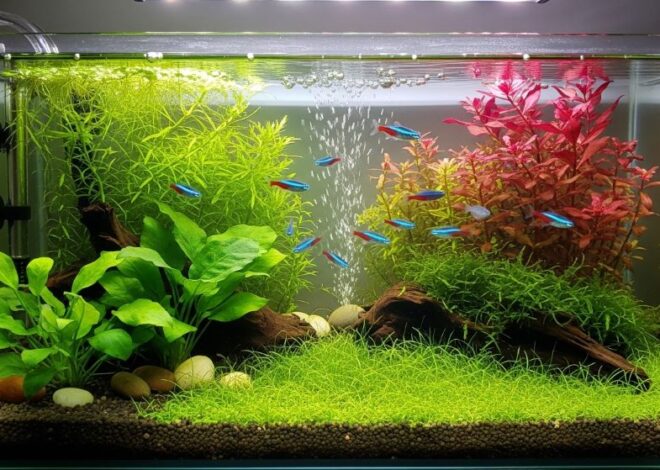
The neon tetra remains one of the most beloved aquarium fish. Its electric blue stripe runs from nose to tail. This stripe contains iridescent cells that glow brilliantly under aquarium lights. Additionally, a red patch near the tail provides beautiful contrast.
These small fish grow to about 1.5 inches long. They thrive in groups of six or more. Their peaceful nature makes them perfect for community tanks. However, they prefer soft, slightly acidic water conditions.
Temperature should stay between 70 and 81 degrees Fahrenheit. They accept most quality fish foods readily. Their stunning appearance and easy care make them ideal for beginners.
Cardinal Tetra
Cardinal tetras closely resemble neon tetras. However, their red coloration extends further along the body. The iridescent blue stripe appears even more vibrant. These fish originate from blackwater streams in South America.
They grow slightly larger than neon tetras, reaching two inches. Cardinals prefer warmer water between 73 and 81 degrees. They also enjoy dimmer lighting conditions. Therefore, floating plants make excellent additions to their tanks.
These fish display their best colors in established aquariums. Stable water parameters help maintain their iridescent sheen. A school of twenty or more creates a breathtaking display.
Harlequin Rasbora
Harlequin rasboras feature subtle but beautiful iridescence. Their copper-orange bodies shimmer with purple and blue highlights. A distinctive black triangular patch adorns their rear half. This species originates from Southeast Asian waters.
These hardy fish adapt well to various water conditions. They grow to approximately two inches in length. Their peaceful temperament suits community aquariums perfectly. Additionally, they school tightly when kept in groups.
Harlequin rasboras accept most foods enthusiastically. They breed relatively easily in home aquariums. Their resilience and beauty make them excellent choices for new fishkeepers.
Congo Tetra
Congo tetras showcase spectacular iridescence among larger tetras. Males display brilliant blue, gold, and orange shimmer. Their flowing fins add elegance to their appearance. These African natives require more space than smaller tetras.
They reach lengths of three to four inches. A group needs at least a 30-gallon aquarium. Therefore, planning adequate space proves essential. They prefer slightly acidic to neutral water conditions.
Good filtration and regular water changes maintain their colors. High-quality foods enhance their natural iridescence. According to Smithsonian Magazine, structural coloration like that found in these fish creates some of nature’s most brilliant displays.
Pearl Gourami
Pearl gouramis exhibit elegant pearlescent patterns. Their bodies appear dusted with luminous spots. These spots shimmer with blue and purple iridescence. Males develop orange coloring on their throat and chest.
These peaceful fish grow to four or five inches. They appreciate calm aquarium environments. Additionally, they possess a labyrinth organ for breathing surface air. This adaptation allows them to survive in oxygen-poor waters.
Pearl gouramis prefer temperatures between 77 and 82 degrees. They enjoy planted aquariums with gentle filtration. Their graceful movements and stunning appearance make them centerpiece fish.
Boeseman’s Rainbowfish
Boeseman’s rainbowfish features dramatic two-toned coloration. The front half displays brilliant blue iridescence. The rear half shows vibrant orange-red coloring. This striking contrast makes them highly sought after.
Males develop more intense colors than females. They reach lengths of four to five inches. These active fish need spacious aquariums of 30 gallons minimum. However, larger tanks allow them to display natural behaviors better.
They prefer slightly alkaline water conditions. Regular water changes maintain their health and coloration. Their energetic swimming patterns add life to any aquarium.
Celebes Rainbowfish
Celebes rainbowfish possess delicate, translucent bodies. Their scales shimmer with blue and green iridescence. Yellow fins with black edges provide elegant contrast. These peaceful fish hail from Sulawesi, Indonesia.
They remain relatively small at three inches. Their slender build gives them a graceful appearance. Therefore, they work well in moderately sized community tanks. They prefer hard, alkaline water conditions.
These fish school loosely in open water. They appreciate swimming space and moderate current. Their subtle beauty rewards patient observers.

Creating the Perfect Environment for Iridescent Fish
Proper lighting enhances natural iridescence significantly. LED lights with adjustable spectrum work best. They allow you to highlight your fish’s colors without overheating. Additionally, dimmer switches help create natural day-night cycles.
Water quality directly affects how vibrant fish appear. Regular testing prevents parameter fluctuations. Ammonia and nitrite should always read zero. Nitrates should stay below 20 parts per million.
Filtration appropriate for tank size maintains clarity. Clean water allows light to penetrate better. Therefore, the iridescent effect appears more pronounced. Weekly water changes of 25 to 30 percent help maintain stability.
The background color influences how colors appear. Dark backgrounds make iridescent colors pop dramatically. Black or dark blue backgrounds work particularly well. However, some aquarists prefer natural planted backgrounds.
Nutrition for Optimal Coloration
Quality nutrition supports natural iridescence development. Varied diets provide necessary nutrients for healthy scales. High-quality flake foods form a good base. Additionally, supplement with frozen or live foods regularly.
Spirulina and other algae-based foods enhance colors naturally. Astaxanthin-rich foods boost red and orange hues. Small crustaceans provide this beneficial pigment. Therefore, frozen bloodworms, brine shrimp, and daphnia make excellent choices.
Feed small amounts multiple times daily. This mimics natural feeding patterns better. It also prevents water quality issues from uneaten food. Moreover, varied feeding times keep fish actively displaying their colors.
Tank Mates for Iridescent Species
Most iridescent freshwater fish exhibit peaceful temperaments. They coexist well with similarly sized, calm species. However, avoid housing them with aggressive or fin-nipping fish. Compatibility research prevents future problems.
Bottom-dwelling species like corydoras catfish work wonderfully. They occupy different tank zones than mid-water swimmers. Additionally, peaceful plecos help maintain algae levels. Snails and shrimp also make good additions to community tanks.
Consider adult sizes when selecting tank mates. Overcrowding stresses fish and dulls their colors. Therefore, stock conservatively based on your aquarium size. The general rule suggests one inch of fish per gallon.
Health Considerations
Stress reduces iridescent intensity noticeably. Stable water parameters minimize stress significantly. Avoid sudden temperature or chemistry changes. Additionally, maintain consistent feeding schedules.
Diseases affect coloration and overall appearance. Ich, velvet, and bacterial infections require prompt treatment. Quarantine new fish for two to three weeks. This practice prevents introducing diseases to established tanks.
According to National Geographic, maintaining proper environmental conditions helps fish display their natural colors and behaviors optimally.
Watch for behavioral changes indicating health problems. Clamped fins, loss of appetite, or lethargy warrant attention. Early intervention often prevents serious complications. Moreover, healthy fish display their most brilliant iridescence.
Conclusion
Naturally iridescent freshwater fish create stunning focal points in aquariums. These species showcase nature’s incredible ability to manipulate light. Their shimmering scales change color with every movement. Additionally, proper care ensures they display their full potential.
Success requires understanding each species’ specific needs. Water quality, nutrition, and compatible tank mates all play crucial roles. However, the reward of watching these living jewels makes the effort worthwhile. Whether choosing small tetras or larger gouramis, iridescent fish bring unmatched beauty to home aquariums.
Frequently Asked Questions
What causes iridescence in freshwater fish?
Iridescence results from specialized cells called iridophores containing guanine crystals. These crystals reflect and refract light at different angles. This creates the color-shifting effect rather than using pigments like regular coloration.
Do iridescent fish need special lighting?
While not strictly necessary, appropriate lighting enhances their natural shimmer. LED lights with adjustable color temperature work best. They highlight iridescent colors without overheating the aquarium water.
Can diet improve my fish’s iridescence?
Yes, quality nutrition significantly impacts color intensity. Foods rich in carotenoids and astaxanthin enhance natural colors. Varied diets including spirulina, frozen foods, and high-quality flakes produce the best results.
Are iridescent fish harder to keep than regular fish?
Not necessarily. Most iridescent species have similar care requirements to their non-iridescent relatives. Maintaining stable water parameters and good nutrition keeps them healthy and colorful. Many species like neon tetras are actually quite hardy.
Will iridescent colors fade over time?
Colors may fade due to age, stress, or poor conditions. However, healthy fish in proper environments maintain their iridescence throughout life. Stress reduction and quality care preserve their natural beauty.
Related Topics:
Beginner-Friendly Fish Species And How to Care for Them