
Beginner-Friendly Fish Species And How to Care for Them
Starting an aquarium can be exciting yet overwhelming. Selecting the right fish species is crucial for beginners. Some species demand complex care, while others thrive with minimal attention. This guide highlights the best beginner-friendly fish species and how to care for them effectively, helping novices enjoy their aquatic journey without frustration.
Why Choose Beginner-Friendly Fish Species?
Many beginners dive into fishkeeping with enthusiasm but quickly face challenges. According to a 2023 study by the National Aquarium Society, nearly 60% of new aquarists give up within the first year, often due to improper species choice or care. Beginner-friendly fish reduce stress by being hardy, adaptable, and tolerant of minor mistakes. These species survive temperature fluctuations, varying pH levels, and basic water quality, making them ideal for novices.
Experts emphasize that fish that tolerate a wider range of conditions let beginners focus on learning aquarium basics like filtration, feeding, and tank maintenance. Additionally, selecting beginner species can prevent costly mistakes and keep fish healthier longer.
Top Beginner-Friendly Fish Species
-
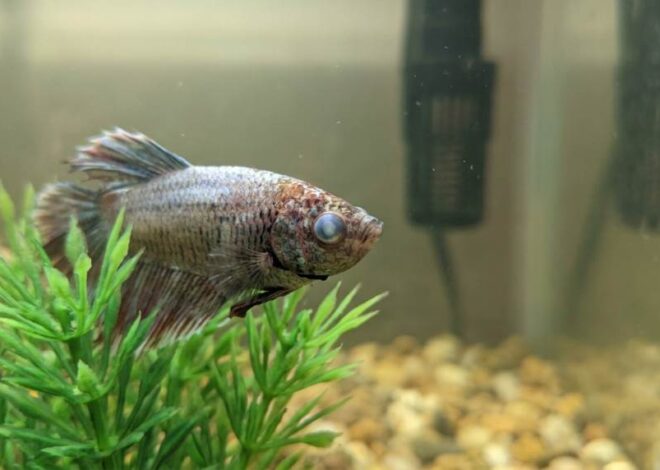
Betta Fish (Betta splendens)
Betta fish rank as one of the easiest species for beginners. Their ability to breathe atmospheric air via a labyrinth organ allows survival in lower-oxygen environments. Bettas require minimal space—around 5 gallons is ideal—and tolerate a range of temperatures between 75–80°F (24–27°C). They thrive on a diet of pellets and occasional live or frozen food.
However, Bettas are aggressive toward other males and some fin-nipping species, so careful tankmate selection is vital. Many aquarists recommend keeping them singly or with peaceful species like snails.
-
Guppies (Poecilia reticulata)
Guppies are vibrant, lively fish that adapt well to different water conditions. Their hardy nature allows survival in temperatures ranging from 72–82°F (22–28°C). Guppies breed easily, providing beginners with fascinating insights into fish reproduction.
They eat a varied diet, including flakes, pellets, and live food. One downside is their high reproduction rate, which can overwhelm a small tank. Therefore, managing population growth is essential.
-
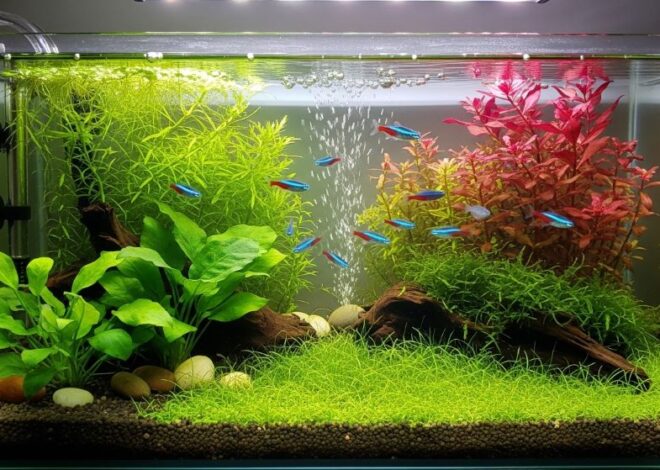
Neon Tetras (Paracheirodon innesi)
Neon tetras are popular for their bright blue and red stripes. They thrive in schools of six or more and prefer slightly acidic water with stable temperatures between 70–81°F (21–27°C). While a bit more sensitive to water quality, regular maintenance keeps them healthy.
Neons are peaceful community fish, making them excellent companions in mixed tanks with other small, non-aggressive fish.
-
Corydoras Catfish (Corydoras spp.)
Corydoras catfish are bottom dwellers known for their friendly behavior and ease of care. They help clean leftover food from the substrate, improving tank hygiene. Corydoras prefer soft, slightly acidic to neutral water and temperatures between 72–79°F (22–26°C).
They require a soft substrate like sand to avoid damaging their barbels. Keeping them in groups of at least three enhances their social behavior.
-
Zebra Danios (Danio rerio)
Zebra danios are resilient fish that tolerate a wide temperature range (64–75°F or 18–24°C). Their active nature and striking horizontal stripes make them a favorite beginner choice. They require minimal care and adapt well to community tanks.
Due to their high activity level, they need ample swimming space and tank mates that match their energy.

How to Care for Beginner-Friendly Fish Species
Tank Setup and Maintenance
Setting up an aquarium requires a balanced environment. For most beginner fish, a 10-gallon tank or larger is ideal. Smaller tanks often lead to unstable water conditions, stressing fish. Investing in a reliable filtration system is crucial, as it helps maintain water quality by removing waste and toxins.
Regular water changes (about 25% weekly) prevent nitrate buildup, which is harmful to fish. Testing water parameters, including pH, ammonia, nitrite, and nitrate levels, ensures a healthy environment.
Feeding Basics
Overfeeding is a common beginner mistake. Fish generally need feeding once or twice a day, in quantities they can consume within two minutes. Excess food decomposes and pollutes water. Offering a balanced diet with species-specific flakes, pellets, or live food ensures optimal health.
Temperature and Lighting
Most beginner fish thrive in tropical temperatures, typically 72–80°F (22–27°C). Using an aquarium heater with a thermostat maintains steady temperatures. Lighting should mimic natural day-night cycles to reduce stress and support fish behavior.
Choosing Tankmates Wisely
Compatibility matters. Aggressive fish can harm peaceful beginners, leading to stress and injuries. Researching species compatibility before purchasing prevents conflicts. Peaceful species like guppies and Corydoras coexist well, while aggressive Bettas should be housed alone.
Expert Opinions on Beginner Fish Care
Dr. Samantha Lee, a professional ichthyologist, highlights the importance of understanding fish behavior. “Beginners should select species with clear care guidelines and observe their fish daily. Behavioral changes often signal health issues,” she advises.
Contrarily, some hobbyists believe that even hardy fish can suffer if neglected. “A beginner fish isn’t a free pass for sloppy care,” notes Aquarist Mike Jennings. “Regular maintenance and learning aquarium chemistry are non-negotiable.”
Both perspectives underscore that while beginner fish reduce risks, proper care remains essential.
Conclusion
Choosing beginner-friendly fish species and providing proper care lays the foundation for a rewarding aquarium experience. Species like Betta fish, Guppies, and Neon tetras combine beauty and resilience, perfect for novices. Proper tank setup, feeding, and maintenance help these fish thrive, ensuring years of enjoyment.
By investing time in research and observing your fish, you transform simple tanks into vibrant underwater ecosystems. For further detailed guidance, resources like The Spruce Pets and Fishkeeping World offer expert articles and community advice.
Featured Snippet: What Are the Best Beginner-Friendly Fish Species & How to Care for Them?
For beginners, fish like Betta, Guppies, Neon tetras, Corydoras catfish, and Zebra danios are ideal. These species tolerate a range of water conditions and require minimal maintenance. To care for them, maintain stable water parameters, feed balanced diets once daily, and ensure appropriate tank size. Avoid overfeeding and perform regular water changes. Compatibility with tankmates is also crucial to prevent stress and aggression. Starting with hardy species allows beginners to learn essential aquarium skills without facing frequent fish health problems.
FAQs About Beginner-Friendly Fish Species & How to Care for Them
- What size tank do beginners need?
A minimum of 10 gallons is recommended to ensure stable water conditions. - How often should I feed beginner fish?
Feed once or twice daily, only what fish can eat within two minutes. - Can beginner fish live with other species?
Yes, but choose peaceful species compatible with your fish. - How often should I change the aquarium water?
Perform a 25% water change weekly for optimal water quality. - Are live plants necessary for beginner tanks?
Not necessary but beneficial for water quality and fish health. - What water temperature is best for beginner fish?
Most thrive between 72–80°F (22–27°C), depending on the species. - How can I prevent fish diseases?
Maintain clean water, avoid overfeeding, quarantine new fish, and observe behavior closely.
This comprehensive guide equips you with the knowledge to confidently start your aquarium hobby. Choose the right fish, care for them diligently, and watch your underwater world flourish.