
Beginner-Friendly Fish: 7 Species That Thrive in Small Tanks
Starting an aquarium is an exciting journey, especially for beginners. A small tank, often less intimidating and more budget-friendly, is a great place to begin. However, not all fish adapt well to confined spaces. Selecting the right species is crucial to maintaining a healthy, thriving aquatic environment.
The good news? Many beautiful, hardy fish species are beginner-friendly and perfect for small tanks. Let’s explore seven top picks, backed by expert insights and real-life aquarium success stories.
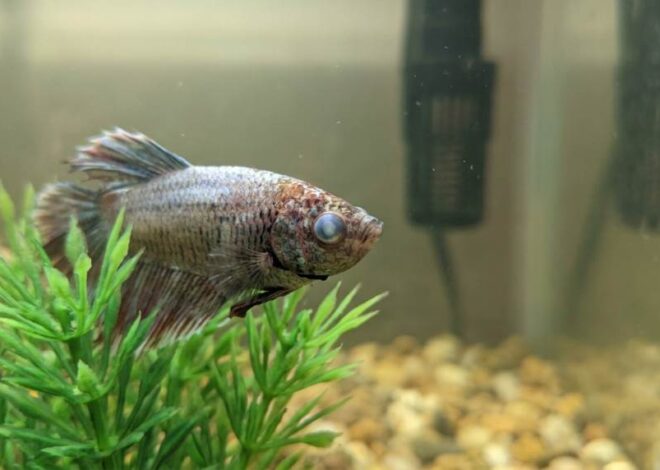
1. Betta Fish (Betta splendens)
Bettas are a top choice for beginners, and it’s easy to see why. Their vivid colors and long, flowing fins make them incredibly eye-catching. Bettas are also known for their hardiness and adaptability to smaller environments, often thriving in tanks as small as 5 gallons.
Males should be housed alone due to their territorial nature, while females can sometimes coexist in sororities if the tank is larger than 10 gallons. Betta fish require warm water, ideally between 76°F to 81°F. They breathe atmospheric air thanks to their labyrinth organ, making them more tolerant of lower oxygen levels.
According to a PetMD guide, bettas are among the most popular beginner fish worldwide due to their low maintenance and stunning appearance.
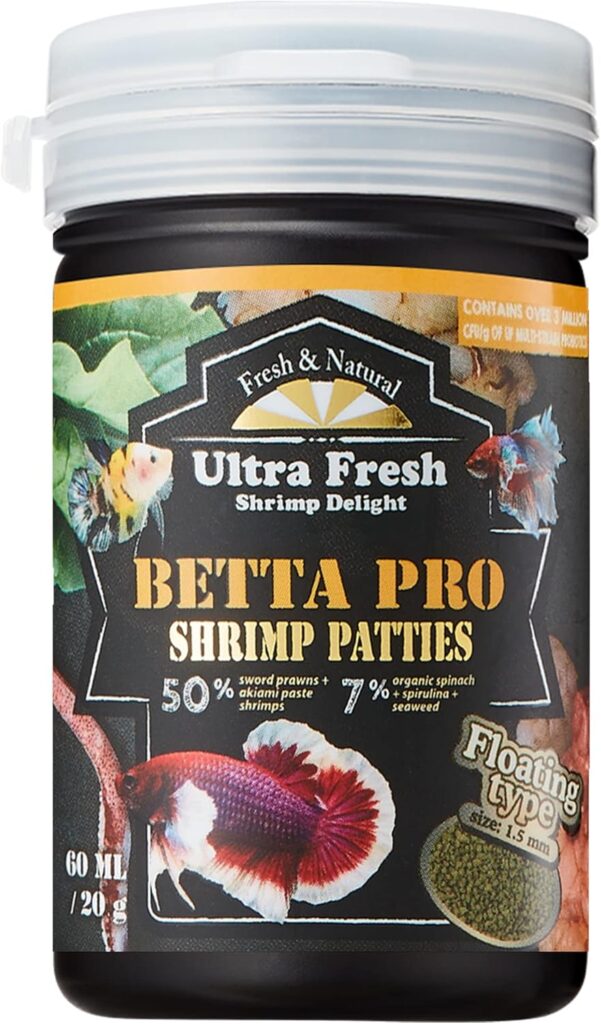
Ultra Fresh Betta Fish Food
2. Zebra Danios (Danio rerio)
Zebra Danios are energetic, striped beauties that bring life to any aquarium. Native to South Asia, they’re incredibly resilient and tolerant of a wide range of water conditions.
Unlike bettas, zebra danios are social and do best in groups of at least five. A 10-gallon tank is ideal for a small school. They prefer temperatures between 64°F to 75°F, making them one of the few tropical fish that thrive without a heater in mild climates.
Their playful swimming patterns provide constant movement, which adds visual appeal and entertainment. As reported by Fishkeeping World, danios are highly recommended for first-time fishkeepers thanks to their adaptability and peaceful nature.
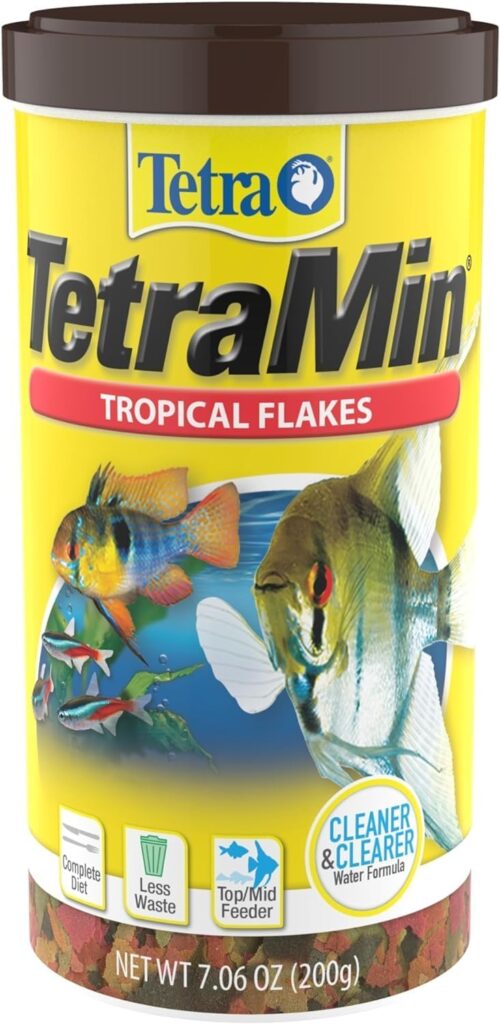
TetraMin Nutritionally Balanced Tropical Flake Food for Tropical Fish
3. Neon Tetras (Paracheirodon innesi)
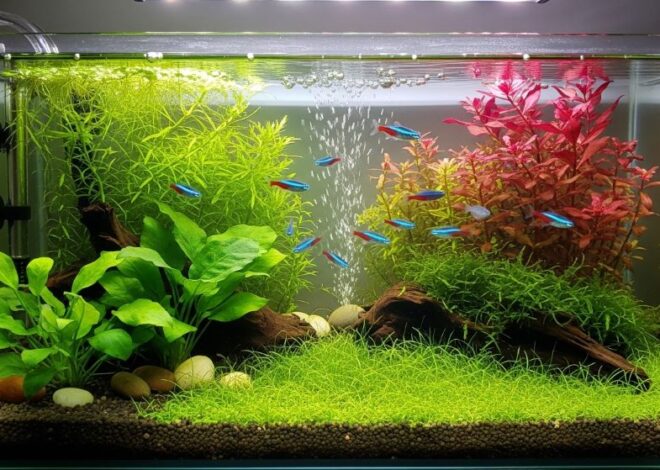
With their glowing blue and red stripes, neon tetras are among the most stunning small-tank fish. These South American natives grow only about 1.5 inches and need minimal space, though they do better in groups of six or more.
Neon tetras are peaceful and thrive in community tanks. A 10-gallon setup works well, but larger schools benefit from slightly more room. Water temperatures should range between 70°F to 81°F, and the pH should be kept mildly acidic (around 6.0–7.0).
Tetras are known to be a bit sensitive to fluctuations, so consistent water quality is essential. Their popularity is also backed by retailers like Aquarium Co-Op, which lists them as one of the best beginner schooling fish.
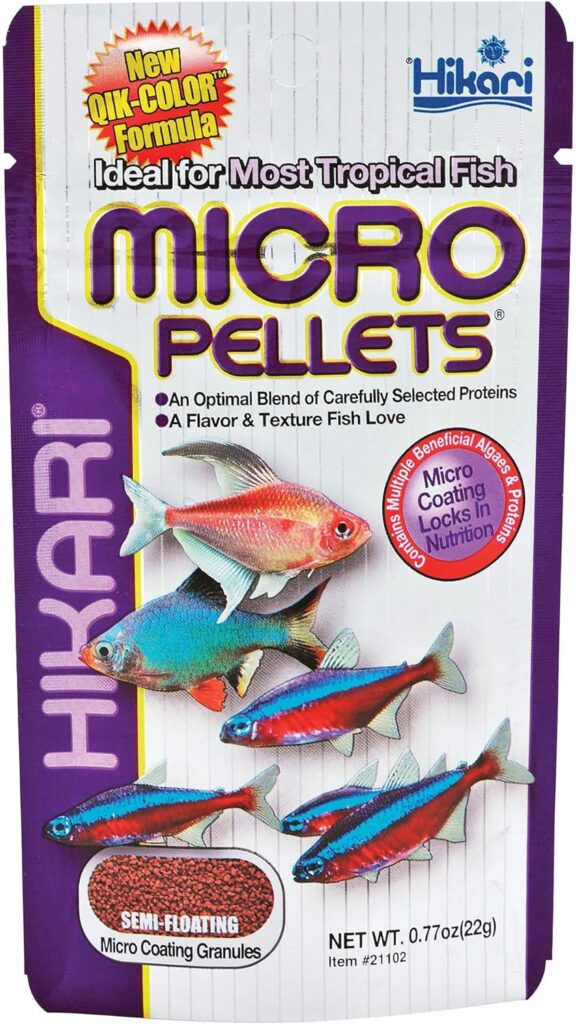
Hikari Tropical Semi-Floating Micro Pellets Fish Food

4. Guppies (Poecilia reticulata)
Guppies are colorful, active, and endlessly charming. These livebearers are beginner favorites, largely due to their ability to adapt to different environments and their prolific breeding habits.
A trio of guppies can live comfortably in a 5-gallon tank, though 10 gallons allows more space for swimming and population control. Guppies prefer temperatures between 74°F to 82°F and slightly alkaline water (pH 7.0–8.0).
One downside? Without separating males and females, you’ll soon have dozens of babies. While fun for some, it’s overwhelming for others. Still, their beauty, resilience, and energy make guppies ideal for new aquarists.
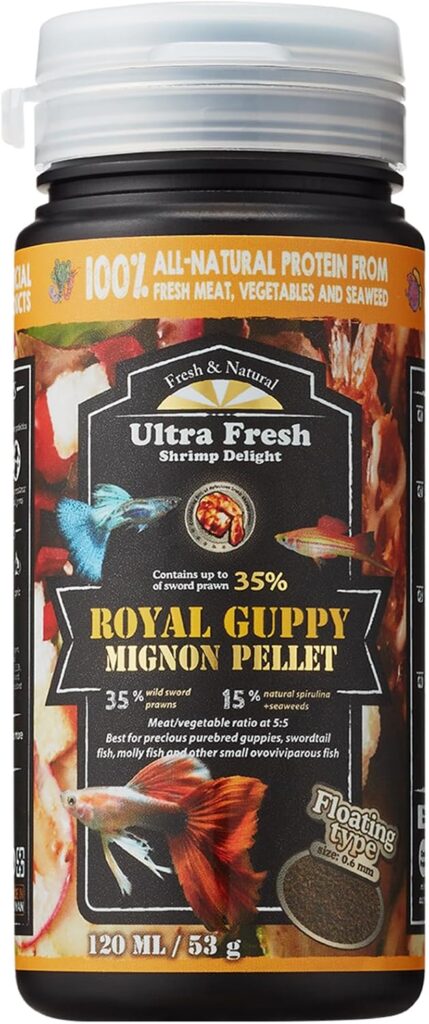
Ultra Fresh Royal Guppy Mignon Pellet Natural Guppy Food
5. Corydoras Catfish (Corydoras spp.)
These bottom dwellers are peaceful, social, and excellent tank cleaners. Corydoras catfish come in various species, with pygmy corys being the best fit for small tanks.
Corydoras thrive in groups of at least four to six and need a soft substrate to avoid damaging their barbels. A 10-gallon tank is suitable for a small group. They enjoy temperatures between 72°F to 78°F and prefer well-oxygenated water.
Unlike more delicate species, corys are surprisingly hardy and have long lifespans when cared for properly. Many aquarists on The Spruce Pets praise their gentle behavior and algae-cleaning capabilities, making them invaluable in any beginner setup.
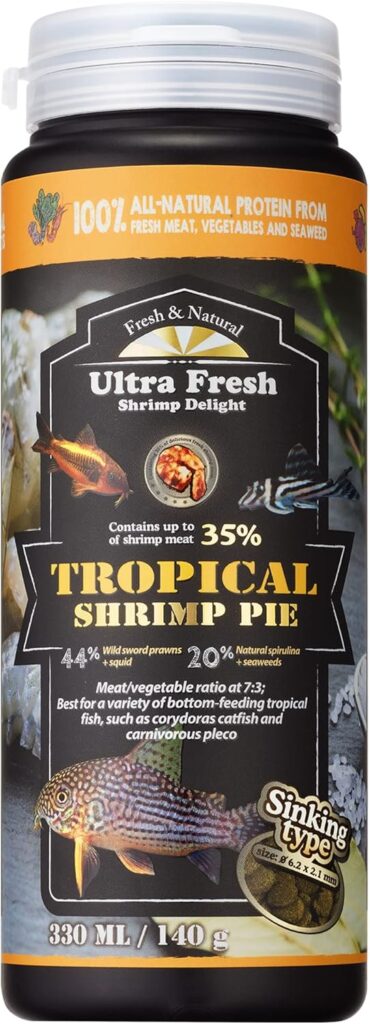
Corydoras Catfish Natural Protein, Balanced Diet
6. Cherry Shrimp (Neocaridina davidi)
While not technically fish, cherry shrimp make a colorful, low-maintenance addition to small tanks. These invertebrates help keep tanks clean by consuming algae and uneaten food.
They require at least a 5-gallon tank, ideally heavily planted to offer hiding spots and support molting. Cherry shrimp thrive in temperatures from 65°F to 80°F and prefer neutral to slightly alkaline pH.
Their peaceful nature and helpful cleaning habits make them excellent tank mates for nano fish. Aquarium Source highlights them as perfect for planted tanks and beginner setups due to their easy care and striking red coloration.
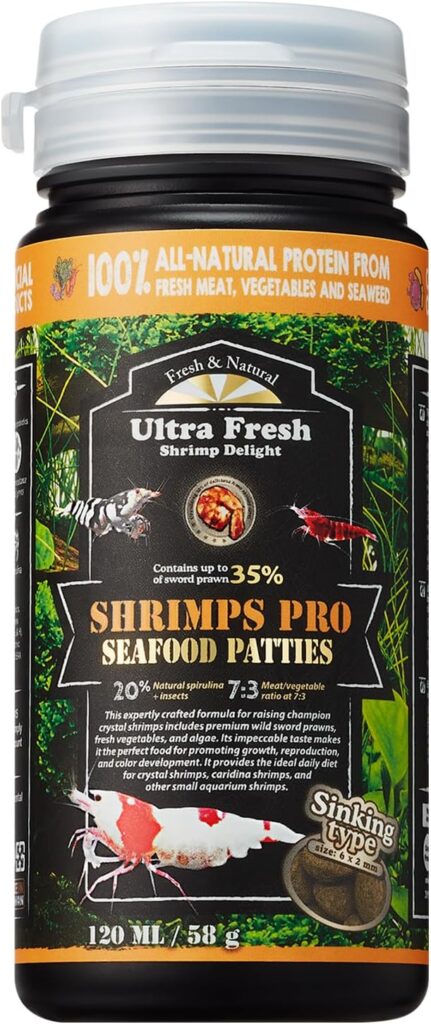
Ultra Fresh Cherry Shrimp Food, High Protein, Rich in Vitamins for Crystal
7. Endler’s Livebearers (Poecilia wingei)
Endler’s livebearers are closely related to guppies but are smaller, hardier, and just as colorful. They’re ideal for nano tanks and adapt easily to changing water conditions.
A 5-gallon tank can support a small group of Endlers. They do best in stable water temperatures between 72°F to 82°F. Like guppies, they reproduce quickly, so separating sexes might be necessary.
Their high activity level, tolerance, and vibrant colors make them a must-have for beginners. Many aquarists regard them as even better suited to small tanks than guppies due to their compact size. Also read: Beginner-Friendly Fish Species And How to Care for Them
Featured Snippet: What Is the Easiest Fish to Keep in a Small Tank?
Betta fish are widely regarded as the easiest fish to keep in a small tank. They require minimal space (as little as 5 gallons), tolerate variable water conditions, and don’t need aeration due to their labyrinth organ. With consistent feeding, clean water, and a heater to maintain temperatures around 78°F, they thrive even in beginner setups. Bettas are also interactive and visually stunning, often recognizing their owners and showing curiosity. However, it’s crucial to house males alone and avoid overcrowding. This combination of beauty and resilience makes bettas ideal for first-time aquarists.
Expert Tips for Success in Small Tanks
Choose quality over quantity. Overstocking causes stress and poor water quality. Prioritize fewer fish with optimal care.
Use live plants. They improve oxygenation and create natural hiding spots, reducing fish stress.
Invest in a reliable filter. Even small tanks benefit from good filtration to maintain ammonia and nitrite levels.
Test the water regularly. Sudden pH or ammonia spikes can be deadly, especially in nano setups.
Acclimate new fish slowly. Use drip acclimation to prevent shock when introducing fish to a new tank.
Frequently Asked Questions
1. Can I keep multiple species in one small tank?
Yes, but only if they are compatible in temperament and water parameters. Always research before mixing species.
2. Do small tanks need filters?
Absolutely. Even small volumes accumulate waste quickly. A sponge filter works well in small tanks.
3. How often should I clean a small tank?
Perform partial water changes weekly—20% to 30%—and check water parameters regularly.
4. What’s the minimum tank size for beginners?
A 5 to 10-gallon tank is manageable and allows more stability than a 1 or 2-gallon setup.
5. Can I keep goldfish in a small tank?
No. Goldfish produce a lot of waste and need at least 20 gallons per fish for proper growth.
6. Are heaters necessary in all small tanks?
Tropical fish require heaters. Room temperature may suffice for cold-water species like white cloud minnows.
7. How many fish can I put in a 5-gallon tank?
A general rule is one inch of fish per gallon. But always consider bioload and fish behavior, not just size.
Final Thought
Choosing the right beginner-friendly fish for a small tank sets the foundation for a successful aquarium journey. While small tanks limit options, these seven species offer color, personality, and low-maintenance care. Prioritize water quality, compatibility, and fish needs over impulse buying. With a bit of planning and care, even a tiny tank can become a thriving underwater paradise.