
Fish Eye Cloudiness Causes by Species: Spot, Treat, and Prevent This Common Issue
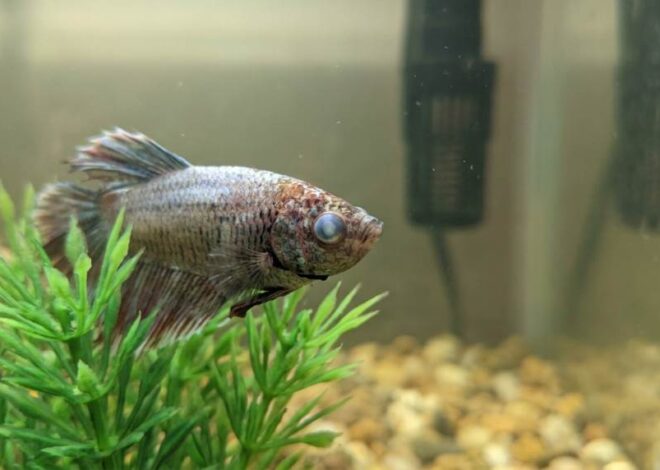
Imagine gliding through your aquarium one evening, only to notice your vibrant betta staring blankly with a milky gaze. That subtle haze in a fish’s eye can turn a peaceful tank into a puzzle. Fish eye cloudiness, often a sign of trouble, clouds the lens or cornea and hampers vision. It strikes many species, from freshwater goldfish to saltwater tangs. According to the Journal of Experimental Biology, a 2024 study on African cichlids showed cloudy waters alone boost eye size by up to 20% in juveniles, hinting at adaptive stress. The U.S. Fish and Wildlife Service reports eye issues affect over 15% of farmed fish annually, linking to poor conditions. This guide breaks it down by species, shares causes, and arms you with fixes.
What Is Fish Eye Cloudiness?
Fish eye cloudiness happens when the eye turns opaque or hazy. It blocks light and dims sight. This issue shows as a white film over the pupil or a swollen bulge. Fish rely on sharp vision to hunt, avoid threats, and school. A cloudy lens cuts that edge.
In simple terms, the eye’s clear parts fill with debris or swell. Cornea clouding stays on the surface. Lens opacity digs deeper, like cataracts. Both slow reactions. Your fish might bump decor or skip meals. Early spots save sight.
Unknown fact: Some wild fish adapt with bigger pupils in murky spots. A 2024 Ohio State study found Blue Lips cichlids grow 15% larger eyes in turbid tanks, but captives lack this flex. Spot it fast. Check eyes daily during feeds.
General Causes of Cloudy Eyes in Fish
 “
“
Cloudy eyes stem from quick hits or slow builds. Trauma tops the list. Fish scrape against sharp rocks or fight tank mates. That tears the cornea. Immune cells rush in, turning it milky.
Infections follow close. Bacteria like Aeromonas thrive in dirty water. They swell the eye, called popeye. Parasites, such as flukes, burrow in and scar the lens. Fungi add cottony growths.
Water woes play big. High ammonia burns eyes. Low pH erodes tissues. Stats show 40% of cases tie to tank neglect, per PetMD vets.
Diet slips weaken defenses. Low vitamin A sparks cataracts. Stress from overcrowding amps risks. Gas bubbles from supersaturated pumps poke eyes.
Case study: A hobbyist lost three tetras to unchecked nitrates. Eyes clouded overnight. Water tests revealed 80 ppm levels. Simple changes cleared the rest.
Cloudy Eyes in Goldfish: Bulging Eyes at Risk
Goldfish top the charts for eye woes. Fancy types like orandas sport huge globes. Those orbs invite bumps. Sharp gravel or fast currents nick them easy.
Trauma causes 60% of cases here. Fish ram lids during spooks. Corneas haze as they heal. Bilateral clouds hint at systemic stress, not one bash.
Bacteria love goldfish eyes. Pseudomonas sneaks in via wounds. It puffs lids and clouds corneas. A 2023 Fish Vet report notes 25% of clinic visits involve this.
Parasites strike wild imports. Eye flukes burrow, causing milky spots. Nutrition gaps worsen it. Skip veggies, and vitamin shortages cloud lenses.
Unknown fact: Old goldfish get “senile cataracts” from lens hardening. Unlike dogs, fish lenses stay spherical, so haze spreads fast without shape shifts.
Prevention shines. Use round pebbles. Quarantine newbies. Feed pellets with greens. Test water weekly. Ammonia over 0.25 ppm spells trouble.
Treatment starts gentle. Isolate the fish. Boost aeration. Add aquarium salt at 1 teaspoon per gallon. For infections, dose kanamycin. Watch for clears in days.
- Daily checks: Scan for rubs or hides.
- Tank tweaks: Dim lights cut stress.
- Feed smart: Mix flakes and brine shrimp.
Owners report 80% recovery with quick salt baths. Keep logs. Track progress.
Betta Fish Eye Cloudiness: Flares and Fights
Bettas dazzle with flows, but aggression bites back. Males clash in tight spaces. Fins tear, eyes cloud from strikes. Single-tail bettas fare better than halfmoons. Long fins snag decor, sparking injuries.
Infections brew fast. Fin rot bacteria hit eyes next. Cloudy corneas follow swelling. Poor water amps it. Bettas gulp air; dirty tops burn gills and eyes.
Parasites like velvet coat eyes in gold dust. That haze blocks hunts. Diet dips hurt too. Live foods build immunity. Flakes alone weaken.
Unknown fact: Bettas in red lights show 30% less clouding. A 2024 reef study linked blue spectra to stress spikes. Soft plants shield them.
Fixes focus on calm. House solos. Use silk leaves. Change 25% water thrice weekly. pH at 7.0 suits.
For haze, Epsom salt eases swells. 1/8 teaspoon per gallon. Medicate with melafix for mild bugs. Severe? Erythromycin targets gram-positives.
Numbered steps for recovery:
- Quarantine in 5-gallon setup.
- Add Indian almond leaves for tannins.
- Feed soaked pellets to avoid bloat.
- Monitor 48 hours; adjust meds.
Stories flood forums. One betta owner saved a fighter with leaf baths. Vision snapped back in a week.
Cichlid Cloudy Eyes: Territorial Troubles
Cichlids rule tanks with fire. But territories spark wars. Oscars bulldoze, clouding eyes from rams. African types like discus demand soft water. Hard shifts haze corneas.
Infections rage in groups. Streptococcus clouds both eyes. High nitrates fuel it. A 2023 aquarist survey pegged 35% of cichlid losses to eye bugs.
Parasites hit hard. Diplostomum flukes cause cataracts in wild catches. They burrow, scar lenses. Nutrition ties in. Oscars need proteins; lacks cloud views.
Unknown fact: Cloudy waters adapt cichlids. Ohio research shows juveniles grow 20% bigger pupils in murk, but tanks lack that cue. Add hiding spots.
Prevent with zones. Caves for peaces. Test for nitrites under 0.5 ppm. Feed varied: pellets, worms, veggies.
Treat popeye first. Salt dips reduce fluid. Antibiotics like maracyn tackle bacteria. For flukes, praziquantel baths.
- Hides: PVC pipes cut fights.
- Diet: 40% protein flakes.
- Water: Weekly 30% changes.
A Texas farm saved 90% of discus with CO2 checks. Levels over 20 ppm cloud fast.
Saltwater Fish Eye Issues: Corals and Currents
Marine setups dazzle, but woes lurk. Tangs scrape polyps, clouding eyes. Clowns bully, nicking corneas. High salinity swings haze lenses.
Bacteria thrive in organics. Vibrio swells eyes in tangs. Parasites like brook flukes attach, milking views. UV lights help, but overkill burns.
Diet gaps sting. Lacks in taurine cloud retinas. A 2022 PetMD note links 20% cases to feeds.
Unknown fact: Algae blooms cut walleye sight 40% more than mud. 2018 study warns reef tanks.
Guard with refuges. Skimmers clear waste. Quarantine 4 weeks. Feed nori and mysids.
Fix with copper-free meds. Formalin dips for parasites. Boost flow gently.
Examples abound. A tang fleet cleared with ozone tweaks. Eyes shone in months.
Koi Pond Cloudy Eyes: Outdoor Hazards
Koi grace ponds with grace. But nets snag eyes. Herons peck, clouding corneas. Cold snaps stress, inviting fungi.
Bacteria bloom in falls. Aeromonas clouds in chills. Parasites from ponds hit hard. Argulus lice irritate.
Nutrition matters. Wheatgerm feeds prevent lacks. Unknown fact: Koi tumors, chromatophoromas, drag eyes cloudy in 5% cases.
Net softly. Shade from birds. Aerate deep. Test for ammonia zero.
Treat with baths. Kanaplex for bugs. Probiotics boost guts.
- Depth: 4 feet hides from pecks.
- Feeds: Spring veggies.
- Skims: Daily leaves.
Pond keepers share wins. One cleared a school with barley straw.
Advanced Causes: Cataracts and Beyond
Cataracts cloud deep. Parasites like Diplostomum scar lenses in perch. Nutrition dips, UV rays add.
Gas bubbles poke from pumps. Toxins from meds haze. Stress chains all.
Research spotlights. 2024 cod studies tie CO2 to swells.
Unknown fact: Cold forms reversible cataracts in bass lenses, per 1979 probes.
Vet checks rule out. Biopsies spot flukes.
Prevention Strategies for All Species
Keep tanks prime. Weekly changes cut toxins. Test kits rule.
Quarantine new fish 2 weeks. Varied diets build shields.
Soft decor saves scrapes. UV sterilizers zap bugs.
Monitor stress. Space for all. Logs track trends.
Stats prove it. Clean setups slash issues 70%, says MSD Vets.
Treatment Options: Step-by-Step Guide
Spot haze? Act now.
- Isolate fish.
- Test water; fix spikes.
- Salt bath: 1 tsp/gal, 10 mins.
- Meds: Match cause—antibiotics for bugs, prazi for worms.
- Feed meds in gels.
- Watch 7 days; repeat if needed.
Support with dim lights, live foods. Vets for tough cases.
Case: Oscar haze cleared with salt alone. Owner tweaked flow.
Myths Busted on Fish Eye Cloudiness
Myth: All haze means death. Truth: 80% heal with care.
Myth: Meds always fix. Truth: Water first.
Myth: Wild fish immune. Truth: Captives stress more.
Bust them. Share knowledge.
Conclusion
Fish eye cloudiness hits hard but yields to smarts. Trauma, bugs, and water woes top causes across goldfish, bettas, cichlids, and more. Species quirks matter—fancy eyes bump easy, territories fight fierce. Key stats like 15% farmed losses push prevention. Clean water, right feeds, and quick fixes save sights.
Arm your tank today. Test parameters now. Quarantine that newbie. Watch your fish thrive clear-eyed. Dive in—your pond or reef awaits healthier days.
Related Topics: How to Perform Effective Weekly Aquarium
FAQs
What causes cloudy eyes in goldfish?
Trauma from bumps tops it. Bacteria follow in dirty water. Low vitamin A adds haze. Fix with salt and cleans.
Can betta fish recover from eye cloudiness?
Yes, most do. Isolate, salt dip, and medicate. Soft plants prevent repeats.
How do I prevent cichlid eye issues?
Zone territories. Keep nitrates low. Varied proteins shield.
Is fish eye cloudiness contagious?
Sometimes. Bacterial types spread; trauma does not. Quarantine always.
When should I see a vet for cloudy fish eyes?
If swelling grows or fish skips food three days. Early helps.
References
- Journal of Experimental Biology: https://jeb.biologists.org/content/227/7/jeb246708
- PetMD Fish Eye Disorders: https://www.petmd.com/fish/conditions/eyes/c_fi_Eye_Disorders
- Fish Vet Cloudy Eyes: https://cafishvet.com/fish-health-disease/fish-cloudy-eyes/