

How to Choose the Best Aquarium Floating Plants for a Healthy Tank
Creating a thriving aquarium is about more than just fish and decorations. The right plants can transform your tank into a balanced, natural ecosystem. Among the most beneficial and easy-to-care-for options are aquarium floating plants. These plants not only add beauty but also improve water quality, provide shelter for fish, and help control algae. Whether you’re a beginner or an experienced aquarist, choosing the best floating plants can make a world of difference in your tank’s health and appearance.
Why Aquarium Floating Plants Are Essential
Floating plants are a game-changer for any aquarium. They absorb excess nutrients like nitrates and phosphates, which helps prevent algae blooms and keeps the water clean. According to recent studies, introducing floating plants can reduce nitrate levels by 40-60% in established tanks, making them a natural filtration system. Additionally, they provide shade, which is crucial for light-sensitive fish and helps regulate temperature. For anyone looking to enhance their tank, aquarium floating plants are a must-have.
Top Benefits of Adding Floating Plants to Your Tank
Natural Water Filtration
Floating plants act like tiny water purifiers. They absorb harmful substances such as ammonia, nitrites, and nitrates, which are common in aquariums and can be toxic to fish. By doing so, they reduce the need for frequent water changes and help maintain a stable environment. This is especially beneficial for sensitive fish species that require pristine water conditions.
Algae Control
One of the biggest challenges in aquarium maintenance is controlling algae growth. Floating plants compete with algae for nutrients and light, effectively starving algae and keeping it at bay. Their shade also limits the amount of light that reaches the bottom of the tank, further reducing algae proliferation.
Shelter and Security for Fish
Many fish species, especially fry and small fish, seek shelter among floating plants. These plants provide a safe haven from predators and a comfortable space to rest. They also encourage natural behaviors, such as breeding, as many fish prefer to lay their eggs on or near floating plants.
Aesthetic Appeal
Beyond their functional benefits, floating plants add a touch of natural beauty to your aquarium. They create a lush, green canopy that enhances the visual appeal of your tank. Whether you prefer a wild, overgrown look or a neatly trimmed surface, floating plants can be tailored to fit your aquascaping style.
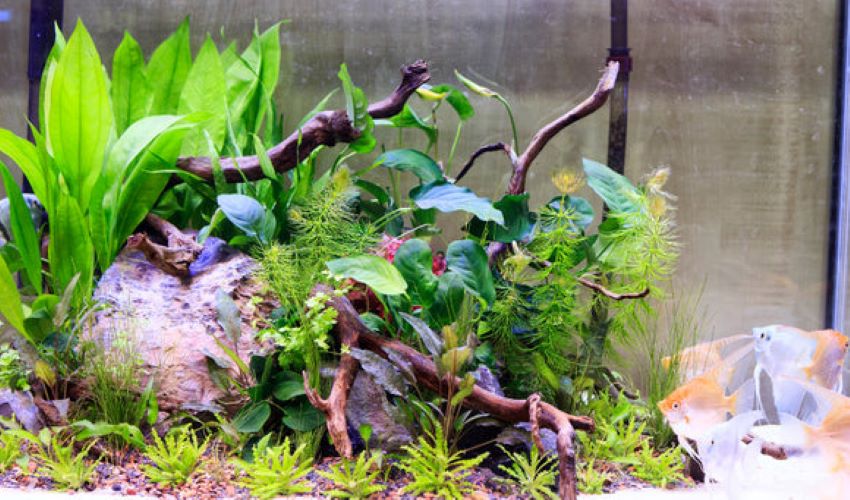
How to Choose the Right Floating Plants for Your Aquarium
Consider Your Tank’s Lighting
Floating plants generally thrive under moderate to high lighting. However, some species, like Salvinia minima, can adapt to lower light conditions. If your tank has strong lighting, you’ll have a wider variety of plants to choose from. For low-light setups, opt for hardy species that don’t require intense illumination.
Match Plants to Your Tank’s Size
The size of your aquarium plays a significant role in selecting the right floating plants. Larger tanks can accommodate fast-growing plants like Water Lettuce or Amazon Frogbit, which spread quickly and provide ample coverage. Smaller tanks may benefit from slower-growing or smaller plants, such as Duckweed or Red Root Floaters, to avoid overcrowding.
Evaluate Maintenance Requirements
Some floating plants are low-maintenance and perfect for beginners, while others require more attention. For example, Duckweed is notoriously easy to grow and can even become invasive if not managed properly. On the other hand, plants like Water Sprite may need occasional trimming to prevent them from taking over the tank. Choose plants that match your willingness and ability to maintain them.
Personal Experience: Transforming My Tank with Floating Plants
A few years ago, I struggled with persistent algae issues in my community tank. No matter how often I cleaned the tank or changed the water, the algae kept coming back. On a friend’s recommendation, I introduced a mix of Amazon Frogbit and Water Lettuce. Within weeks, the water became clearer, and the algae growth slowed dramatically. The plants also provided a cozy hiding spot for my guppies, which started breeding shortly after. This experience taught me the incredible impact that floating plants can have on an aquarium’s health and vibrancy.
Best Floating Plants for Different Aquarium Setups
For Beginners: Easy-to-Grow Options
If you’re new to aquarium plants, start with hardy and forgiving species. Duckweed is almost impossible to kill and grows rapidly, making it ideal for beginners. Amazon Frogbit is another excellent choice, with its broad leaves providing ample shade and its roots offering shelter for fish.
For Advanced Aquarists: Unique and Challenging Species
For those with more experience, consider adding Red Root Floaters or Water Hyacinth. These plants require specific conditions to thrive but reward you with stunning visuals and exceptional water-cleaning abilities. Red Root Floaters, for example, develop striking red roots under high lighting, adding a pop of color to your tank.
For Breeding Tanks: Safe Havens for Fry
Floating plants are a breeding tank’s best friend. They provide a safe space for fish to lay eggs and for fry to hide. Java Moss, although not a true floating plant, can be left to float and offers excellent coverage for fry. Amazon Frogbit and Water Lettuce are also popular choices for breeding setups due to their dense root systems.
Maintenance Tips for Healthy Floating Plants
Regular Trimming
Floating plants can grow quickly, so regular trimming is essential to prevent them from overrunning your tank. Use a net or your hands to remove excess growth, and consider sharing the trimmings with fellow aquarists.
Balanced Lighting and Nutrients
Ensure your plants receive the right amount of light and nutrients. Too little light can cause plants to wither, while too much can lead to algae growth. Use a full-spectrum LED light designed for aquarium plants, and consider adding liquid fertilizers if your plants show signs of nutrient deficiency.
Water Flow and Surface Agitation
Floating plants prefer calm water surfaces. High water flow or surface agitation can make it difficult for them to stay in place and absorb nutrients. If your tank has strong currents, consider reducing the flow or creating a calm area for your floating plants.
FAQs About Aquarium Floating Plants
What are the easiest floating plants for beginners?
Duckweed and Amazon Frogbit are among the easiest floating plants for beginners. They require minimal care and adapt well to various tank conditions.
How do floating plants help with algae control?
Floating plants absorb excess nutrients like nitrates and phosphates, which algae need to grow. They also provide shade, reducing the light available for algae to thrive.
Can floating plants harm my fish?
Floating plants are generally safe for fish. However, some species, like Duckweed, can grow rapidly and cover the entire water surface, potentially blocking light and oxygen exchange. Regular trimming can prevent this issue.
Do floating plants need special lighting?
Most floating plants do well under moderate to high lighting. Some species, like Salvinia minima, can adapt to lower light conditions, making them suitable for a wider range of setups.
How often should I trim my floating plants?
The frequency of trimming depends on the plant species and your tank’s conditions. Fast-growing plants like Duckweed may need weekly trimming, while slower-growing species can be trimmed every few weeks.
Conclusion
Adding floating plants to your aquarium is a simple yet powerful way to enhance water quality, control algae, and create a natural, beautiful environment for your fish. By choosing the right species for your tank’s size, lighting, and maintenance level, you can enjoy the many benefits these plants offer. Whether you’re a beginner or an experienced aquarist, floating plants are a valuable addition to any aquarium setup.
Call to Action: Have you tried adding floating plants to your aquarium? Share your experiences or ask questions in the comments below! Don’t forget to share this article with fellow aquarists who might find it helpful.