
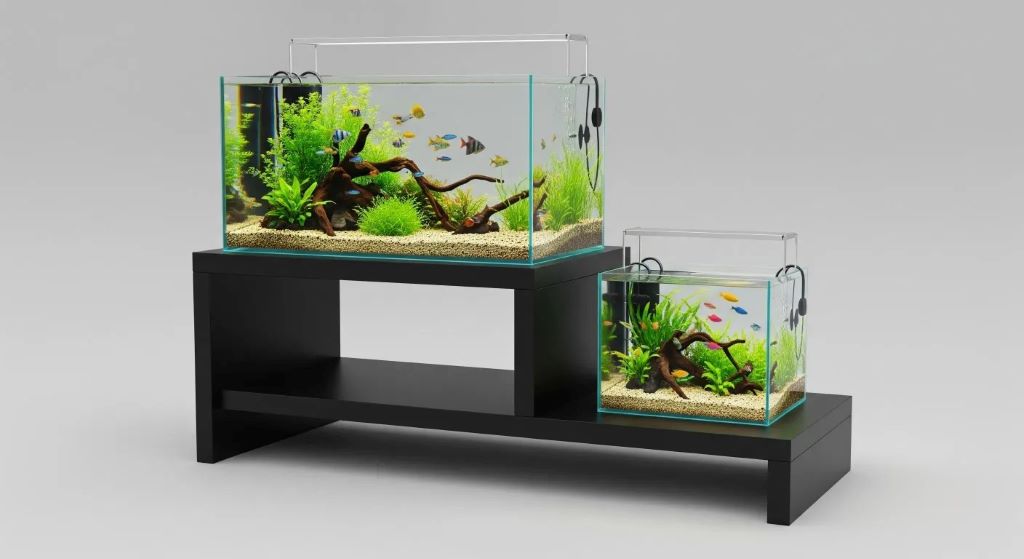
How to Select the Right Reef Aquarium Stand for Stability and Style
Setting up a reef aquarium is an exciting journey, but it comes with important decisions—especially when choosing the right stand. A reef aquarium stand is more than just a piece of furniture; it’s the foundation that supports hundreds of pounds of water, glass, and equipment. The wrong stand can lead to disastrous leaks, structural failures, or even injury. With the reef aquarium market growing rapidly, it’s crucial to select a stand that combines stability, functionality, and style. This guide will help you make an informed choice, ensuring your tank remains safe and visually appealing for years to come.
Why Your Reef Aquarium Stand Matters More Than You Think
A reef aquarium stand is the backbone of your setup. It must support the weight of your tank, which can exceed 10 pounds per gallon of water. For example, a 125-gallon tank can weigh over 1,400 pounds when filled. A poorly chosen stand can bow, crack, or collapse under this pressure, risking damage to your home and harm to your aquatic life. Additionally, a well-designed reef aquarium stand enhances the overall look of your aquarium, turning it into a stunning centerpiece for any room.
Key Factors to Consider When Choosing a Reef Aquarium Stand
Weight Capacity and Structural Integrity
The most critical factor is the stand’s weight capacity. Always choose a stand rated for at least 1.5 times the total weight of your filled tank and equipment. For instance, a 75-gallon tank can weigh around 850 pounds, so your stand should support at least 1,275 pounds. Look for stands made from sturdy materials like reinforced steel, solid wood, or high-quality plywood. Avoid particleboard or MDF, as these materials can weaken when exposed to moisture.
Material and Durability
The material of your stand affects both its strength and longevity. Metal stands, especially those made from powder-coated steel, offer excellent durability and resistance to moisture. Wood stands, particularly those constructed from hardwoods like oak or maple, provide a classic look but require proper sealing to prevent warping. For added stability, consider stands with adjustable feet to ensure your tank remains level, even on uneven floors.
Size and Fit
Your stand must match the exact dimensions of your aquarium. Measure your tank’s length, width, and height, and ensure the stand can accommodate these measurements. Additionally, consider the space needed for equipment like sumps, protein skimmers, and filtration systems. A stand with built-in storage or open shelving can help keep your setup organized and accessible.
Style and Aesthetics
While stability is paramount, style also plays a significant role. Your stand should complement your home decor and personal taste. Modern metal stands offer a sleek, industrial look, while wooden stands provide a warm, natural feel. Some stands even come with customizable finishes, allowing you to match your existing furniture. Choose a design that not only supports your tank but also enhances the visual appeal of your space.
Personal Experience: Learning the Hard Way
When I first set up my reef aquarium, I underestimated the importance of a high-quality stand. I opted for a budget-friendly option that looked stylish but lacked the necessary support. Within months, the stand began to bow under the weight of my 90-gallon tank. I quickly replaced it with a reinforced steel stand, which not only restored my peace of mind but also improved the overall stability of my setup. This experience taught me that investing in a durable stand is just as important as selecting the right tank or equipment.
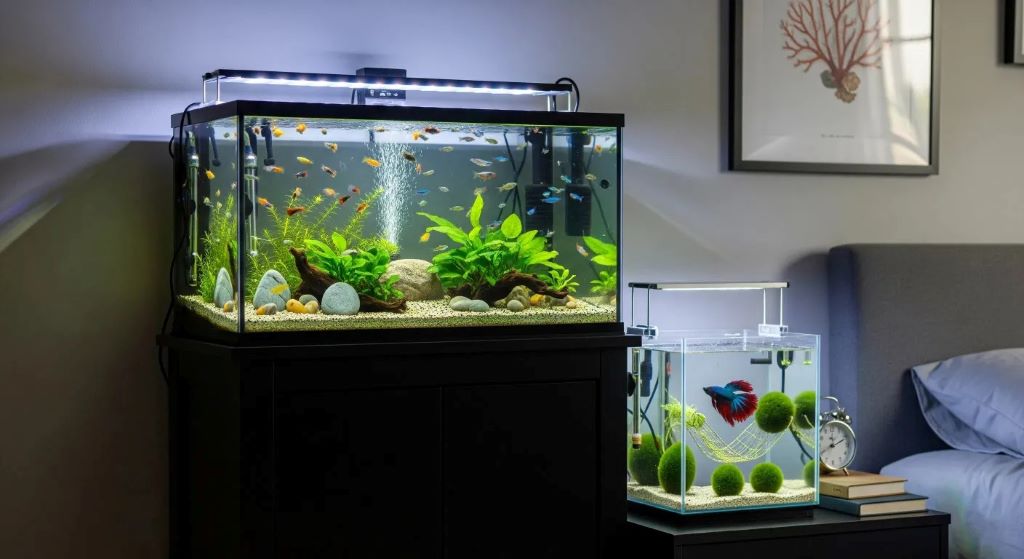
How to Ensure Your Stand is Safe and Secure
Leveling Your Stand
A level stand is essential for the safety and longevity of your aquarium. Even a slight tilt can cause uneven pressure on the tank, leading to cracks or leaks. Use a carpenter’s level to check the stand’s alignment before placing your tank. Adjustable feet or shims can help correct any imbalances, ensuring your tank sits perfectly flat.
Protecting Your Floors
The weight of a reef aquarium can also damage your flooring over time. Place a sturdy mat or rubber pad under the stand to distribute the weight evenly and prevent scratches or dents. If your tank is particularly large, consider reinforcing the floor or placing the stand near a load-bearing wall for added support.
Regular Maintenance and Inspections
Over time, even the best stands can show signs of wear. Regularly inspect your stand for any signs of warping, rust, or structural damage. Tighten screws and bolts as needed, and address any issues immediately to prevent accidents. Keeping your stand in top condition ensures the safety of your aquarium and its inhabitants.
Top Reef Aquarium Stand Options for Every Budget
Budget-Friendly Stands
For those on a tight budget, there are affordable stands that don’t compromise on safety. Look for models made from powder-coated steel or sealed plywood, which offer durability at a lower cost. These stands may lack advanced features, but they provide the essential support your tank needs.
Mid-Range Stands
Mid-range stands offer a balance of affordability and quality. They often include additional features like built-in storage, cable management, and adjustable shelving. These stands are ideal for hobbyists who want both functionality and style without breaking the bank.
Premium Stands
If budget is not a concern, premium stands provide the ultimate in stability and design. These stands are typically custom-built to fit your tank perfectly and are constructed from high-end materials like stainless steel or solid hardwood. They often include advanced features like integrated lighting, sump compartments, and decorative finishes, making them a true statement piece for your home.
FAQs About Reef Aquarium Stands
How do I know if my stand can support my tank’s weight?
Always check the stand’s weight capacity and compare it to the total weight of your filled tank and equipment. A good rule of thumb is to choose a stand rated for at least 1.5 times your tank’s total weight.
What materials are best for a reef aquarium stand?
The best materials for a reef aquarium stand are reinforced steel, solid hardwood, or high-quality plywood. These materials offer the strength and durability needed to support a heavy tank.
Can I build my own reef aquarium stand?
Yes, you can build your own stand if you have the necessary woodworking or metalworking skills. However, ensure your design meets the weight requirements and is properly sealed to prevent moisture damage.
How often should I inspect my stand for damage?
Inspect your stand at least once every three months for signs of wear, rust, or structural damage. Address any issues immediately to maintain the stand’s integrity.
What should I do if my stand is not level?
If your stand is not level, use adjustable feet or shims to correct the imbalance. A carpenter’s level can help you ensure the stand is perfectly flat before placing your tank.
Conclusion
Selecting the right reef aquarium stand is a crucial step in creating a safe and beautiful aquarium setup. By considering factors like weight capacity, material, size, and style, you can choose a stand that not only supports your tank but also enhances your home’s decor. Remember, investing in a high-quality stand is an investment in the health and longevity of your reef aquarium.
Call to Action: Have you recently chosen a stand for your reef aquarium? Share your experiences or ask questions in the comments below! Don’t forget to share this article with fellow aquarists who might find it helpful.