
Freshwater Invertebrates That Clean Your Tank Naturally
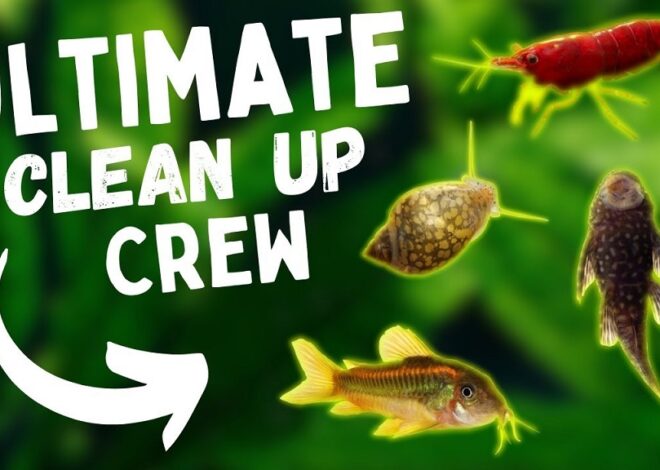
Maintaining a clean freshwater aquarium can be a relentless challenge. Algae, decaying plant matter, uneaten food, and fish waste accumulate quickly. While filters help, they don’t solve everything. Nature, however, offers a brilliant solution—freshwater invertebrates that clean your tank naturally. These small creatures not only reduce waste and algae but also add biodiversity and visual interest to your setup.
Why Choose Natural Cleaners?
Using invertebrates is a sustainable, cost-effective, and low-maintenance method for aquarium upkeep. Unlike chemical treatments, they pose no risk to fish or plants. Additionally, they continuously work around the clock, even in hidden corners filters miss. According to a 2022 study by Aquatic Sciences Journal, tanks that include scavenger species have 38% less bio-waste buildup over time.
-
Amano Shrimp (Caridina multidentata)
Amano shrimp are among the most efficient algae eaters in freshwater tanks. Introduced to the aquarium trade by aquarist Takashi Amano, these shrimp are natural scavengers. They consume soft algae, leftover food, and even detritus that could pollute your tank.
- Tank Size Recommendation: 10 gallons or more
- Best Use: Combating string algae and leftover food particles
- Compatibility: Peaceful community tanks
They do require stable water conditions. However, their cleaning abilities outweigh the effort. Aquarists often report seeing visibly clearer tanks within days of introducing a group.
-
Malaysian Trumpet Snails (Melanoides tuberculata)
Though often overlooked, Malaysian Trumpet Snails are excellent substrate cleaners. They burrow through the substrate, aerating it and preventing harmful gas pockets.
- Tank Size Recommendation: Any size
- Best Use: Cleaning substrate and consuming uneaten food
- Compatibility: Most peaceful tank mates
These snails reproduce quickly, which can be a downside if the tank is overfed. However, their presence often signals overfeeding, which itself is a helpful indicator.
-
Nerite Snails (Neritina spp.)
Nerite snails are revered for their algae-eating skills. They can clean glass, driftwood, rocks, and decorations, leaving no slimy trails behind.
- Tank Size Recommendation: 5 gallons or more
- Best Use: Removing algae without harming plants
- Compatibility: Perfect for planted aquariums
What sets nerites apart is that they don’t reproduce in freshwater. This means they won’t overrun your tank, unlike many other snail species.
-
Cherry Shrimp (Neocaridina davidi)
Cherry shrimp aren’t just colorful—they’re also diligent cleaners. They feed on biofilm, detritus, and decaying plant matter, helping maintain water clarity.
- Tank Size Recommendation: 5 gallons or more
- Best Use: Removing micro-debris and algae from plants
- Compatibility: Best with peaceful tank mates
These shrimp breed in freshwater, offering a continuous line of cleaners. However, they are vulnerable to larger, aggressive fish, so tank compatibility is essential.
-
Ghost Shrimp (Palaemonetes paludosus)
Often used as feeder shrimp, ghost shrimp serve a dual purpose. While inexpensive, they are fantastic scavengers that tirelessly clean up food remnants and waste.
- Tank Size Recommendation: 10 gallons or more
- Best Use: Consuming uneaten food
- Compatibility: Best in a community tank with small fish
Ghost shrimp don’t live long, but their low cost and cleaning efficiency make them a favorite for many hobbyists.
-
Assassin Snails (Clea helena)

If you’re overrun with pest snails, assassin snails offer a unique cleaning solution. They control snail populations and eat leftover food and detritus.
- Tank Size Recommendation: 10 gallons or more
- Best Use: Controlling pest snails and cleaning up
- Compatibility: Generally peaceful, but predatory toward other snails
Their population remains manageable, and they bring balance to tanks plagued by snail overgrowth.
-
Freshwater Clams (Corbicula fluminea)
Though more specialized, freshwater clams are filter feeders. They absorb micro-particles and organic material from the water column.
- Tank Size Recommendation: 20 gallons or more
- Best Use: Polishing water and reducing micro-waste
- Compatibility: Peaceful environments with steady current
Clams require clean, oxygen-rich water and can die unnoticed, which affects water quality. However, in mature tanks with stable parameters, they can contribute significantly to cleanliness.
What the Experts Say
Many aquarists advocate for a blend of invertebrates to achieve balance. According to the American Aquarium Society, using a variety of scavengers—like shrimp and snails—can improve tank hygiene by up to 45%. This synergy maximizes their efficiency across different tank zones, from substrate to glass.
However, experts caution against overstocking. Too many invertebrates can lead to nutrient imbalances and waste buildup, ironically causing the very problem they were introduced to fix.
External Support
The reliability of freshwater invertebrates has been documented in several leading aquarium publications:
- Practical Fishkeeping explores how shrimp and snails contribute to low-maintenance aquascapes.
- The Spruce Pets offers in-depth care guides that support the use of these invertebrates for natural cleaning.
Frequently Asked Questions
- How many invertebrates should I add to my tank?
Start with 1-2 per 5 gallons. Observe their effectiveness before increasing. - Do I still need a filter if I use these invertebrates?
Yes. Invertebrates assist in cleaning, but they don’t replace mechanical filtration. - Will my fish eat the invertebrates?
Avoid mixing aggressive fish like cichlids with small shrimp or snails. Use peaceful species instead. - Can invertebrates overpopulate my tank?
Some, like Malaysian Trumpet Snails, can. Control food amounts and remove excess manually. - What happens if an invertebrate dies?
Remove it quickly to prevent ammonia spikes, especially in smaller tanks. - Are invertebrates sensitive to water parameters?
Yes. Most require stable pH, temperature, and ammonia-free environments. - Can I mix different types of invertebrates?
Absolutely. Just ensure their needs and temperaments are compatible.
Final Thought
Choosing freshwater invertebrates that clean your tank naturally is a smart, sustainable move for aquarists who want a cleaner, balanced ecosystem. These organisms work quietly but efficiently, targeting algae, detritus, and uneaten food around the clock. From the diligent Amano shrimp to the unassuming freshwater clam, every invertebrate has its place in nature’s cleanup crew.
However, success depends on thoughtful planning. Don’t treat these creatures as a magic bullet. Monitor water quality, avoid overfeeding, and respect their habitat requirements. If integrated properly, freshwater invertebrates won’t just clean your tank—they’ll transform it into a thriving, self-sustaining aquatic haven.
By letting nature take its course, you invite balance, beauty, and biodiversity into your aquarium—naturally.
References:
- The Spruce Pets. https://www.thesprucepets.com
- Practical Fishkeeping. https://www.practicalfishkeeping.co.uk
Read More:
Choosing Compatible Tank Mates And Invertebrates for Your Aquarium