How to Choose the Best Aquarium Pump for Efficient Water Circulation
A thriving aquarium relies on more than just clean water and healthy fish—it requires efficient water circulation to mimic the natural currents found in oceans, lakes, and rivers. Proper water circulation is essential for distributing oxygen, nutrients, and heat evenly throughout the tank, while also preventing the buildup of waste and debris. Without adequate circulation, your aquarium can develop dead spots, where waste accumulates and harmful bacteria thrive, leading to poor water quality and stressed fish.
Choosing the right aquarium pump is crucial for maintaining a healthy and vibrant aquatic environment. In this guide, you’ll learn how to select the best aquarium pump for efficient water circulation. We’ll cover everything from understanding the role of water circulation in your tank to comparing different types of pumps and their features. By the end, you’ll be equipped with the knowledge to make an informed decision and create an optimal environment for your fish and plants.
Why Efficient Water Circulation is Essential for Your Aquarium
Efficient water circulation is vital for the health and well-being of your aquarium inhabitants. In nature, water is constantly moving due to currents, waves, and tides, which help distribute oxygen, nutrients, and heat. In an aquarium, a pump replicates these natural conditions, ensuring that water flows evenly throughout the tank.
According to a study published in the Journal of Fish Biology, poor water circulation can lead to a range of issues, including low oxygen levels, uneven temperature distribution, and the accumulation of waste and toxins. These conditions can stress your fish, inhibit plant growth, and even promote the growth of harmful algae. Proper circulation helps prevent these problems by keeping the water well-oxygenated, distributing nutrients to plants and coral, and removing waste from the substrate and decorations.
Additionally, efficient water circulation helps mimic the natural habitats of your fish and plants, reducing stress and encouraging natural behaviors. For example, many fish species thrive in environments with gentle currents, while coral and plants benefit from the consistent movement of water, which helps deliver essential nutrients and remove metabolic waste.
Understanding the Role of an Aquarium Pump
An aquarium pump is designed to create water movement within your tank, ensuring that water circulates efficiently and uniformly. Pumps come in various types and sizes, each suited to different aquarium setups and requirements. The primary functions of an aquarium pump include:
Water Circulation
The main purpose of an aquarium pump is to circulate water throughout the tank. This circulation helps distribute oxygen, nutrients, and heat, while also preventing the formation of dead spots where waste can accumulate. Proper circulation is especially important in reef aquariums, where coral and other invertebrates rely on water movement to deliver food and remove waste.
Filtration Support
Many aquarium pumps work in conjunction with filtration systems to enhance their effectiveness. By circulating water through the filter, pumps help remove debris, toxins, and excess nutrients, improving overall water quality. Some pumps are designed specifically for use with canister filters, hang-on-back (HOB) filters, or sump systems, where they play a critical role in maintaining efficient filtration.
Aeration
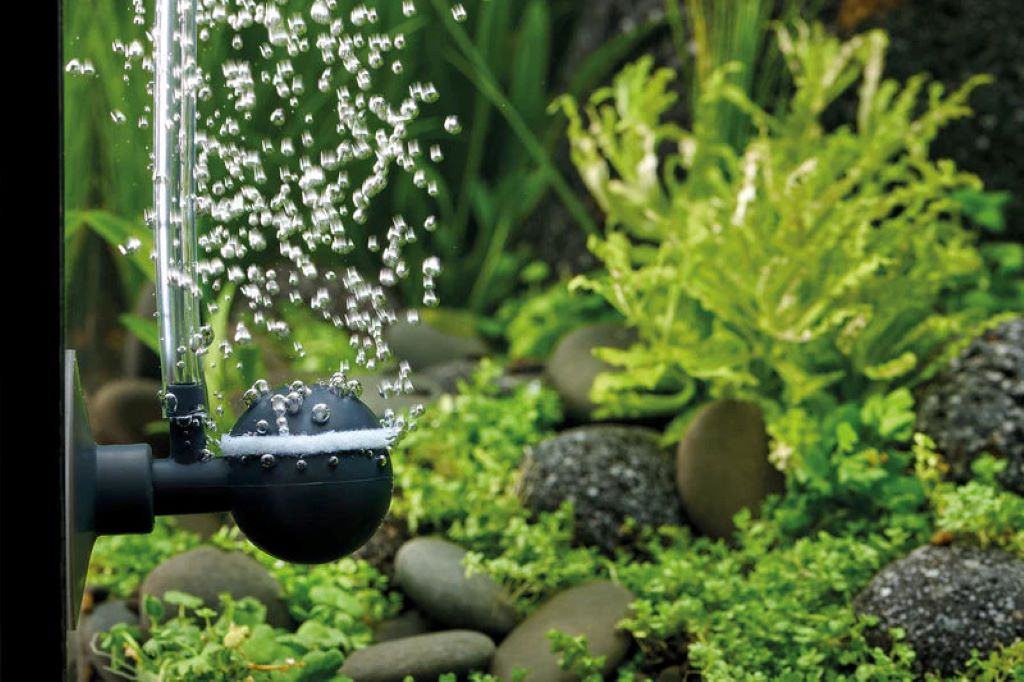
In addition to circulating water, some aquarium pumps also provide aeration by agitating the water surface. This agitation increases gas exchange, allowing more oxygen to dissolve into the water and carbon dioxide to escape. Adequate aeration is essential for the health of your fish and plants, particularly in tanks with high stocking levels or limited surface agitation.
Wave and Current Simulation
Advanced aquarium pumps can simulate natural waves and currents, creating a more dynamic and realistic environment for your aquatic inhabitants. These pumps are often used in reef aquariums, where coral and other invertebrates benefit from the gentle, consistent movement of water. Wave-making pumps can also help prevent sediment buildup and promote the health of your tank’s ecosystem.
Types of Aquarium Pumps
Aquarium pumps come in various types, each designed for specific applications and tank setups. Understanding the different types of pumps will help you choose the best option for your aquarium’s needs.
Submersible Pumps
Submersible pumps are designed to be fully submerged in water, making them a versatile and popular choice for aquariums. These pumps are typically used for water circulation, filtration support, and powering protein skimmers or other equipment. Submersible pumps are available in a range of sizes and flow rates, making them suitable for both small and large aquariums.
Pros:
- Easy to install and hide within the tank or sump.
- Quiet operation, as they are submerged in water.
- Suitable for both freshwater and saltwater aquariums.
Cons:
- Requires regular cleaning to prevent clogging and maintain efficiency.
- May generate heat, which can affect water temperature in smaller tanks.
External Pumps
External pumps are installed outside the aquarium, typically in a sump or canister filter system. These pumps are powerful and efficient, making them ideal for larger aquariums or setups that require strong water circulation, such as reef tanks. External pumps are often used in conjunction with sumps, where they help move water through various filtration stages.
Pros:
- High flow rates and efficiency, suitable for large or heavily stocked tanks.
- Easier to maintain and clean, as they are located outside the tank.
- Less likely to overheat the water, as they are not submerged.
Cons:
- More complex to install, often requiring plumbing and additional equipment.
- Can be noisier than submersible pumps, depending on the model and setup.
Powerhead Pumps
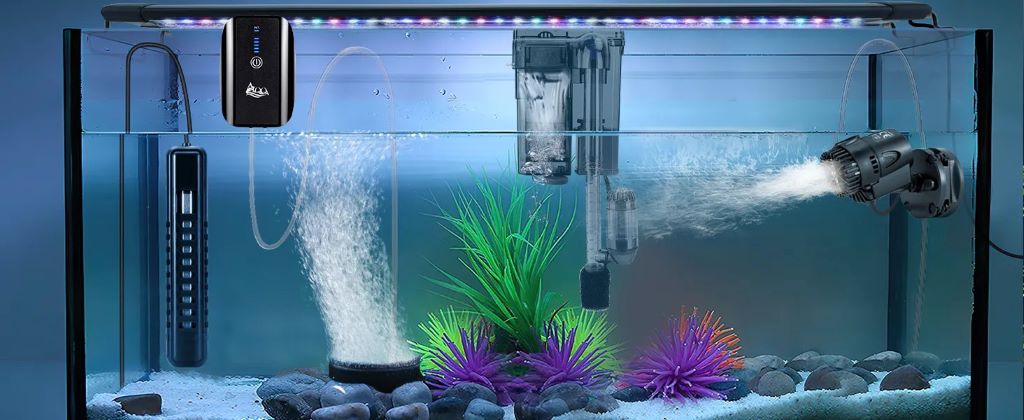
Powerhead pumps are compact, submersible pumps designed to create targeted water movement within the aquarium. These pumps are often used to enhance circulation in specific areas of the tank, such as behind decorations or in corners where water flow may be limited. Powerheads are popular in reef aquariums, where they help simulate natural currents and deliver nutrients to coral.
Pros:
- Small and easy to position within the tank.
- Provides localized water movement, ideal for targeting dead spots.
- Often adjustable, allowing you to control the flow rate and direction.
Cons:
- May require frequent cleaning to prevent clogging.
- Can be less efficient for overall tank circulation compared to larger pumps.
Wave Makers and Circulation Pumps
Wave makers and circulation pumps are designed to create gentle, consistent water movement that mimics natural waves and currents. These pumps are often used in reef aquariums, where coral and other invertebrates benefit from the dynamic flow of water. Wave makers can be programmed to create varying flow patterns, enhancing the natural feel of the aquarium.
Pros:
- Simulates natural water movement, promoting the health of coral and fish.
- Can be programmed to create custom flow patterns and wave effects.
- Enhances oxygenation and nutrient distribution throughout the tank.
Cons:
- More expensive than basic submersible or powerhead pumps.
- May require additional equipment or controllers for programming.
Key Features to Consider When Choosing an Aquarium Pump
When selecting an aquarium pump, consider the following key features to ensure you choose the best option for your tank’s needs:
Flow Rate
The flow rate of an aquarium pump is measured in gallons per hour (GPH) and indicates how much water the pump can move within an hour. The ideal flow rate for your aquarium depends on the tank size, type of inhabitants, and specific circulation needs. As a general rule, your pump should circulate the entire volume of your tank at least 4–10 times per hour. For example, a 50-gallon tank would require a pump with a flow rate of 200–500 GPH.
Adjustability
An adjustable pump allows you to control the flow rate and direction of water movement, making it easier to customize the circulation in your tank. Adjustable pumps are particularly useful in reef aquariums, where different coral species may require varying levels of water flow. Look for pumps with multiple speed settings or programmable features that allow you to create custom flow patterns.
Energy Efficiency
Energy-efficient pumps consume less electricity, reducing your long-term operating costs and environmental impact. Look for pumps with energy-saving features, such as low-wattage motors or automatic shut-off timers. Additionally, consider the pump’s noise level, as quieter models are more pleasant to live with and less likely to stress your fish.
Durability and Maintenance
A durable aquarium pump is built to withstand the demands of continuous use in a wet environment. Look for pumps made from high-quality, corrosion-resistant materials, such as ceramic or stainless steel. Additionally, consider the ease of maintenance—pumps with removable impellers or easy-to-clean designs will save you time and effort in the long run.
Compatibility
Ensure the pump you choose is compatible with your aquarium setup. For example, submersible pumps should be safe for use in both freshwater and saltwater environments, while external pumps may require specific plumbing or sump configurations. Additionally, consider whether the pump is suitable for use with other equipment, such as protein skimmers, canister filters, or UV sterilizers.
How to Choose the Right Aquarium Pump for Your Tank
Selecting the right aquarium pump depends on several factors, including your tank size, the type of inhabitants, and your specific circulation needs. Here are some tips to help you make the best choice:
Determine Your Tank’s Circulation Needs
The circulation needs of your aquarium depend on the type of tank and its inhabitants. For example:
- Freshwater Tanks: Freshwater tanks with fish and plants typically require moderate water circulation to distribute oxygen and nutrients. A submersible or powerhead pump with a flow rate of 4–6 times the tank volume per hour is usually sufficient.
- Reef Tanks: Reef aquariums with coral and other invertebrates require stronger and more dynamic water circulation to mimic natural ocean currents. Wave makers or circulation pumps with adjustable flow rates are ideal for these setups.
- Planted Tanks: Planted aquariums benefit from gentle water movement that delivers nutrients to the plants without disturbing the substrate. A submersible pump with a low to moderate flow rate is often the best choice.
Consider Your Tank Size
The size of your aquarium will influence the type and size of pump you need. Larger tanks require more powerful pumps with higher flow rates to ensure adequate circulation. As a general guideline, choose a pump that can circulate the entire volume of your tank at least 4–10 times per hour. For example, a 100-gallon tank would need a pump with a flow rate of 400–1000 GPH.
Evaluate Your Budget
Aquarium pumps vary widely in price, from affordable basic models to high-end, feature-rich options. Set a budget that balances your needs and financial constraints, keeping in mind that investing in a high-quality pump can save you money in the long run by reducing energy costs and maintenance requirements.
Research and Compare
Before making a purchase, research different brands and models to compare their features, performance, and price. Read reviews from other aquarium hobbyists and consult with experts to get recommendations based on your specific needs. Pay attention to factors like flow rate, adjustability, energy efficiency, and durability to ensure you choose a pump that meets your requirements.
Plan for Future Growth
As your aquarium matures, your circulation needs may change. Consider choosing a pump that offers room for growth, such as a model with adjustable flow rates or the ability to connect to additional equipment. This will allow you to expand and enhance your aquarium as your skills and interests evolve.
Personal Experience: Finding the Perfect Aquarium Pump for My Reef Tank
When I first set up my reef aquarium, I underestimated the importance of water circulation. I started with a basic submersible pump, thinking it would be sufficient for my small tank. However, I quickly noticed that my coral wasn’t thriving as I had hoped. The colors were dull, and growth was slow. After testing the water, I realized that the flow rate was insufficient, leading to poor oxygenation and nutrient distribution.
Determined to improve the health of my aquarium, I invested in a high-quality wave maker with adjustable flow rates. The difference was remarkable. My coral began to display vibrant colors, and growth accelerated significantly. The dynamic water movement also helped reduce algae buildup and created a more natural environment for my fish. This experience taught me the importance of choosing the right aquarium pump for optimal water circulation and coral health.
Since then, I’ve experimented with different types of pumps and found that a combination of a wave maker and a submersible pump works best for my reef tank. This setup provides both strong, dynamic circulation and targeted water movement, ensuring that every corner of the tank receives adequate flow.
Tips for Maintaining Your Aquarium Pump
Proper maintenance of your aquarium pump is essential for ensuring its longevity and performance. Here are some tips to keep your pump in top condition:
- Regular Cleaning: Clean your pump regularly to remove debris, algae, and mineral deposits that can clog the impeller and reduce efficiency. Use a soft brush or toothbrush to clean the impeller and housing, and rinse the pump with fresh water after each cleaning.
- Inspect for Wear and Tear: Regularly inspect your pump for signs of wear, such as cracks, leaks, or frayed wires. Replace any damaged components promptly to avoid equipment failure or electrical hazards.
- Lubricate Moving Parts: If your pump has moving parts that require lubrication, use a food-grade silicone lubricant to keep them running smoothly. Avoid using petroleum-based lubricants, as they can contaminate your aquarium water.
- Check for Proper Function: Periodically test your pump to ensure it is functioning correctly. Listen for unusual noises, such as grinding or rattling, which may indicate a problem with the impeller or motor.
- Follow Manufacturer Guidelines: Adhere to the manufacturer’s guidelines for maintenance, replacement intervals, and usage. This will help you get the most out of your pump and avoid potential issues.
By taking proper care of your aquarium pump, you’ll ensure it continues to provide efficient water circulation and a healthy environment for your fish and plants.
Frequently Asked Questions
What is the best type of aquarium pump for a reef tank?
The best type of aquarium pump for a reef tank is a wave maker or circulation pump with adjustable flow rates. These pumps simulate natural ocean currents, promoting the health of coral and other invertebrates. Look for models with programmable features that allow you to create custom flow patterns.
How do I determine the right flow rate for my aquarium pump?
The right flow rate for your aquarium pump depends on your tank size and the type of inhabitants. As a general rule, your pump should circulate the entire volume of your tank at least 4–10 times per hour. For example, a 50-gallon tank would require a pump with a flow rate of 200–500 GPH.
Can I use a submersible pump in a saltwater aquarium?
Yes, you can use a submersible pump in a saltwater aquarium, but it’s important to choose a model designed for saltwater use. Saltwater can be corrosive, so look for pumps made from corrosion-resistant materials, such as ceramic or stainless steel.
How often should I clean my aquarium pump?
You should clean your aquarium pump at least once a month to remove debris and prevent clogging. If you notice reduced flow or unusual noises, clean the pump more frequently. Regular maintenance will extend the lifespan of your pump and ensure it operates efficiently.
What should I do if my aquarium pump stops working?
If your aquarium pump stops working, first check for clogs or debris in the impeller or housing. Clean the pump thoroughly and ensure it is properly assembled. If the pump still doesn’t work, check the power supply and wiring for any issues. If the problem persists, contact the manufacturer for support or consider replacing the pump.
Conclusion
Choosing the best aquarium pump is essential for maintaining efficient water circulation and creating a healthy, thriving environment for your fish and plants. By understanding the role of water circulation in your aquarium, comparing different types of pumps, and considering key features like flow rate, adjustability, and energy efficiency, you can select a pump that meets your tank’s specific needs.
A high-quality aquarium pump not only enhances the health and appearance of your aquarium but also reduces maintenance requirements and creates a more enjoyable hobby experience. Whether you’re a beginner or an experienced hobbyist, investing in the right aquarium pump will help you achieve the vibrant and dynamic tank of your dreams.
Now that you’re equipped with the knowledge to choose the perfect aquarium pump, it’s time to enhance the circulation in your tank and enjoy a healthier, more beautiful aquarium!
What’s your favorite aquarium pump? Share your experiences or ask any questions in the comments below!