
10 Common Aquarium Maintenance Mistakes That Could Kill Your Fish—And How to Avoid Them
Maintaining an aquarium isn’t just about feeding fish and watching them swim. It’s an ecosystem that demands precision and care. Many hobbyists—especially beginners—unintentionally harm their aquatic pets by overlooking crucial maintenance tasks. This guide breaks down the 10 common aquarium maintenance mistakes that can turn a thriving tank into a toxic trap.
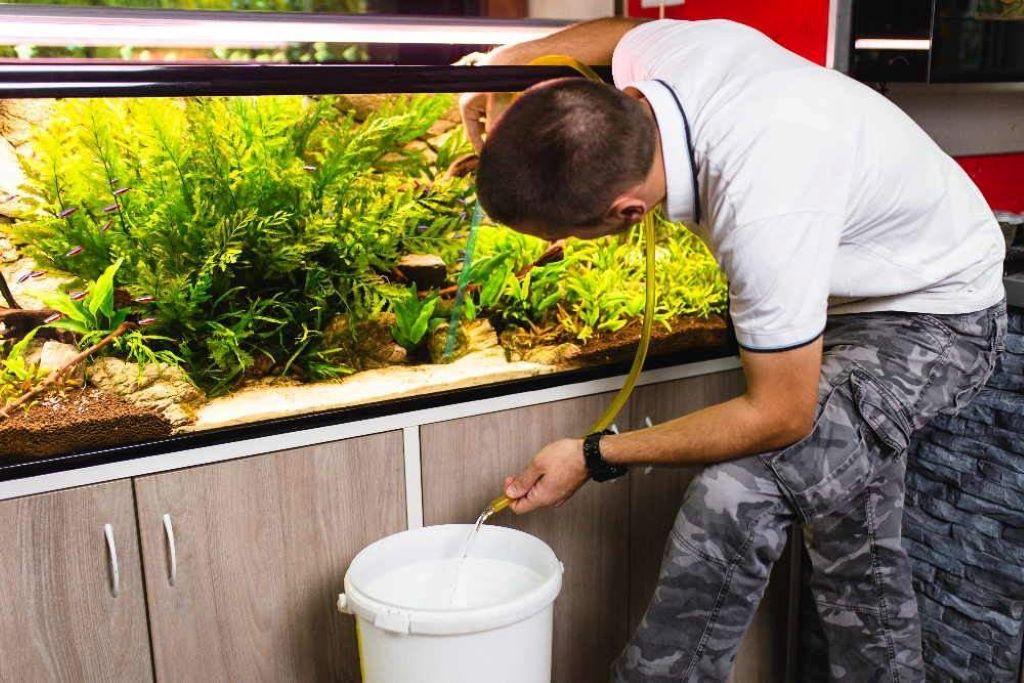
1. Skipping Regular Water Changes
Many beginners believe water changes are optional. They’re not. Fish waste, uneaten food, and decaying plants create toxins like ammonia and nitrate. These pollutants build up quickly, even if the water looks clean.
Studies show that poor water quality is the top cause of fish death in home aquariums (Source: National Geographic). Experts recommend changing 10–20% of the water weekly. Skipping this step invites algae blooms and diseases. A clean tank isn’t just about clarity—it’s about chemistry.
2. Overfeeding the Fish
Fish don’t need food every time they swim to the surface. Yet, many hobbyists overfeed, thinking it shows love. Unfortunately, uneaten food sinks, rots, and increases ammonia levels.
The rule of thumb: Feed only what fish can consume in 2 minutes. Excess food promotes harmful bacteria and throws off the nitrogen cycle. According to the American Aquarium Products site, overfeeding is the root of most tank issues.
3. Ignoring Water Testing
If you’re not testing your water regularly, you’re flying blind. Clear water doesn’t mean safe water. Parameters like pH, ammonia, nitrite, and nitrate shift quickly, especially in small tanks.
Test kits are affordable and easy to use. Test weekly, especially after water changes or adding new fish. Many experienced aquarists rely on API Freshwater Master Test Kits for consistent results.
4. Cleaning the Filter Too Often—or Not Enough
A common misconception is that a filter should be squeaky clean. But over-cleaning destroys beneficial bacteria that handle waste conversion. On the flip side, neglecting the filter leads to clogs and reduced water flow.
The balance? Rinse filter media in old tank water once every 2–4 weeks. Never use tap water, as chlorine kills good bacteria instantly.
5. Using Tap Water Without Conditioning
Straight tap water contains chlorine and chloramine, both deadly to fish. Some cities even adjust water treatment seasonally, spiking chemical levels.
Always treat new water with a quality dechlorinator like Seachem Prime. This neutralizes harmful compounds and protects gill function. Ignoring this step can lead to sudden fish deaths within hours of a water change.
6. Adding Too Many Fish Too Soon
Aquariums need time to establish a stable nitrogen cycle. This biological balance can take 4–6 weeks. Adding fish too quickly overwhelms the system, resulting in ammonia spikes.
Start with a few hardy fish and let the tank cycle. Use bottled bacteria to speed up the process. Many aquarists recommend the “fishless cycle” to avoid animal stress altogether.
7. Not Quarantining New Fish
New fish may look healthy but could carry parasites or infections. Introducing them directly into the main tank risks the entire population.
Set up a small quarantine tank for at least 2 weeks. Watch for signs of stress, ich, or fin rot. It’s a minor inconvenience that can save an entire aquarium from catastrophe.
8. Inconsistent Lighting Schedules
Light is crucial for plants and fish—but balance is key. Too much light causes algae explosions, while too little affects plant growth and fish activity.
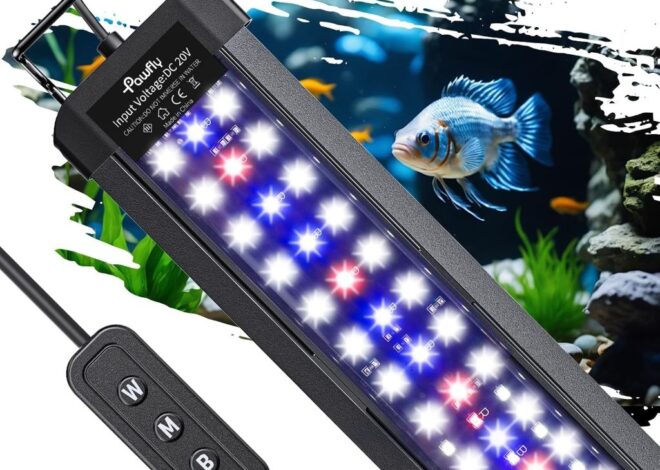
Use a timer to provide 8–10 hours of consistent light daily. Sudden lighting changes stress fish, especially nocturnal species. LEDs are energy-efficient and allow better control over intensity and spectrum.
9. Poor Tank Placement
The location of your tank affects everything—from temperature to fish behavior. Placing it near windows exposes it to direct sunlight, which boosts algae growth. Near vents or heaters? Expect temperature swings that stress aquatic life.
Place your tank in a stable, shaded spot away from foot traffic. Vibrations and sudden shadows can spook fish and cause injuries.
10. Using the Wrong Cleaning Tools
Scrubbing with household sponges or using soaps in the tank is a recipe for disaster. Many cleaning tools contain chemicals that are toxic to fish.
Always use aquarium-specific scrubbers and avoid cleaners unless labeled “fish safe.” For stubborn algae, magnetic scrapers and algae pads are ideal. Vinegar can be used safely for cleaning tank glass—never bleach.
FAQs About Aquarium Maintenance
1. How often should I clean my aquarium?
You should perform partial water changes weekly and deep cleaning every 3–4 weeks.
2. Can I use soap to clean aquarium decorations?
Never. Soap residues can be toxic. Use hot water or aquarium-safe cleaning agents only.
3. Why do my fish keep dying after a water change?
Sudden temperature or pH changes, or failure to use a water conditioner, can shock or poison fish.
4. Is cloudy water a sign of poor maintenance?
Yes. Cloudy water usually signals bacterial blooms or waste buildup—both linked to maintenance issues.
5. How long should I wait before adding fish to a new tank?
Wait at least 4 weeks, or until ammonia and nitrite levels test at zero.
6. Do live plants help with aquarium maintenance?
Absolutely. They absorb nitrates and offer oxygen, improving overall water quality naturally.
7. What’s the best way to reduce algae growth?
Control light exposure, avoid overfeeding, and maintain regular water changes to reduce nutrient buildup.
Final Thought
Avoiding these 10 common aquarium maintenance mistakes doesn’t just improve aesthetics—it safeguards the lives of your aquatic pets. A thriving aquarium reflects consistent care, smart planning, and informed decision-making. Regular testing, gradual changes, and proper equipment make all the difference.
Whether you’re just starting or have kept tanks for years, reevaluating your maintenance habits can lead to healthier fish and a more vibrant aquarium. Don’t let simple errors undo months of effort—stay informed, stay vigilant, and enjoy the beauty of your underwater world.
Read More: How to Set Up Your First Freshwater Aquarium – A Step-by-Step Guide