Stop Cloudy Tank Panic: Best Affordable Aquarium Filters 2026
Aquarium owners know the frustration of waking up to a cloudy tank. It’s not just unsightly; it signals poor water quality that can harm fish and plants. The good news is that modern filtration systems have evolved to tackle these issues effectively without breaking the bank. In 2026, several affordable aquarium filters stand out, combining advanced technology with user-friendly designs. This guide explores the best options available, backed by real-world experiences, expert insights, and practical maintenance tips.
Why Cloudy Tanks Happen
Cloudy water often results from bacterial blooms, excess nutrients, or algae growth. According to aquatic studies, nearly 65% of beginner aquarists face cloudy water within the first three months of setup. The right filter can prevent these issues by removing debris, balancing nutrients, and maintaining healthy bacterial colonies. Therefore, choosing a reliable filter is not just about aesthetics—it’s about sustaining a thriving ecosystem.
Best Affordable Aquarium Filters at a Glance
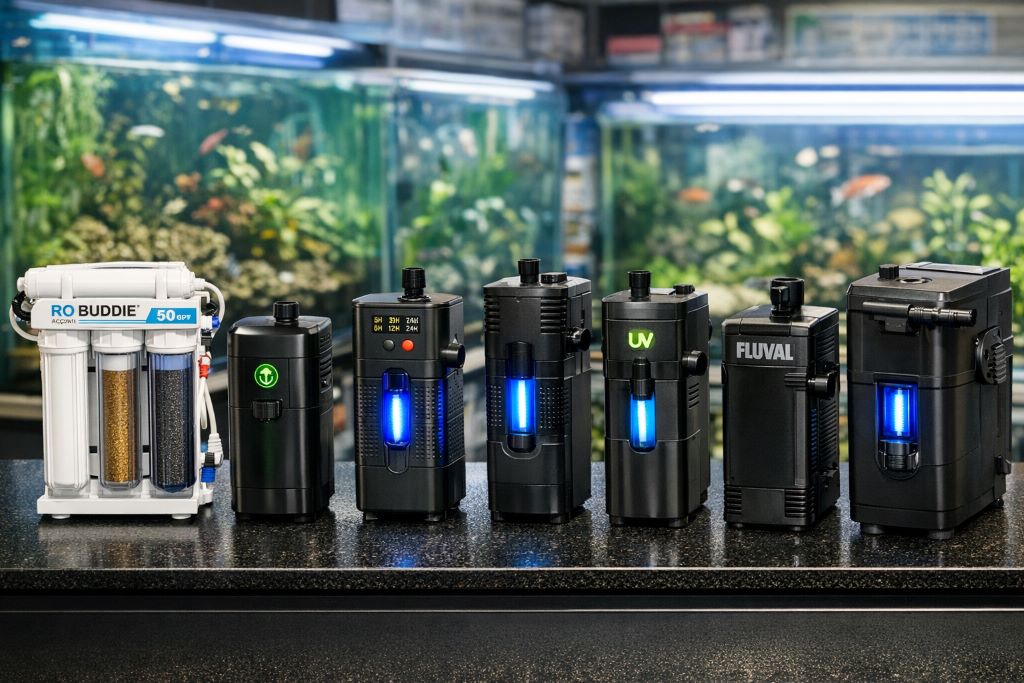
Here are the top affordable aquarium filters in 2026 that help stop cloudy tank panic:
- Aquatic Life RO Buddie 4-Stage Reverse Osmosis Deionization Water Filter System (50 GPD)
- COODIA Internal Green Water Killer Aquarium Filter Tank U-V Pump
- TARARIUM Aquarium Filter U-V w/Scientific Timer (200GPH for 20-75 Gal)
- Coospider-Repta 200GPH Aquarium Filter U-V Submersible Pump
- TARARIUM Aquarium Filter U-V (200GPH for 20-75 Gal)
- Fluval U3 Underwater Filter
- TARARIUM Turtle Tank Filter U-V (40-150 Gal)
Best Affordable Aquarium Filters Comparison: Which Filter Fits Your Tank?
1. Aquatic Life RO Buddie 4-Stage Reverse Osmosis Deionization System
Best for: Serious hobbyists who want ultra-pure water for sensitive species (reef tanks, discus, shrimp).
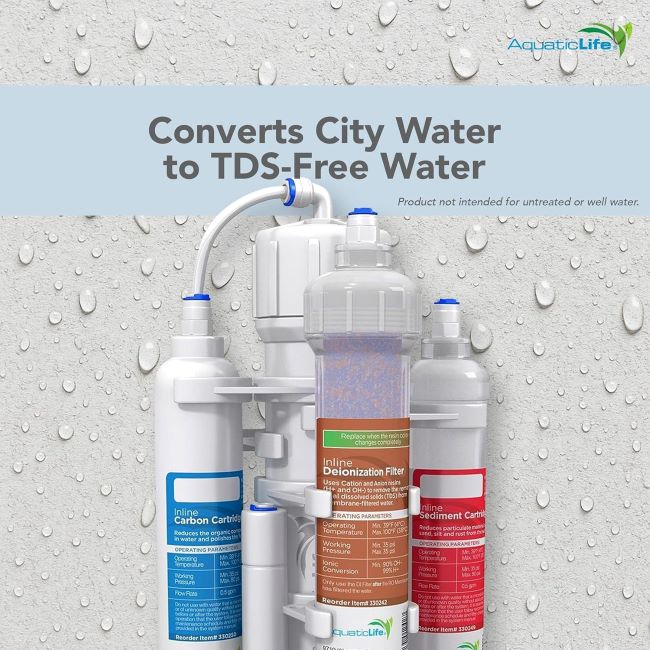
Why it stands out:
- Removes 99% of contaminants, including chlorine, heavy metals, and dissolved organics.
- DI resin stage ensures 0 TDS (Total Dissolved Solids) water—critical for coral health.
- 50 GPD output means you can fill a 50-gallon tank in a day.
Key Features Table:
| Feature | Spec |
|---|---|
| Filtration Stages | 4 (Sediment, Carbon, RO, DI) |
| Flow Rate | 50 GPD |
| Waste Ratio | 3:1 |
| Tank Compatibility | All sizes (requires storage) |
Pros & Cons Table:
| Pros | Cons |
|---|---|
| ✔️ Eliminates cloudiness at the source | ❌ High initial cost |
| ✔️ Extends filter media life | ❌ Requires installation |
| ✔️ Ideal for breeding tanks | ❌ Needs frequent DI resin replacement |
2. COODIA Internal Green Water Killer UV Pump
Best for: Small to medium tanks (20-50 gal) plagued by green water algae.
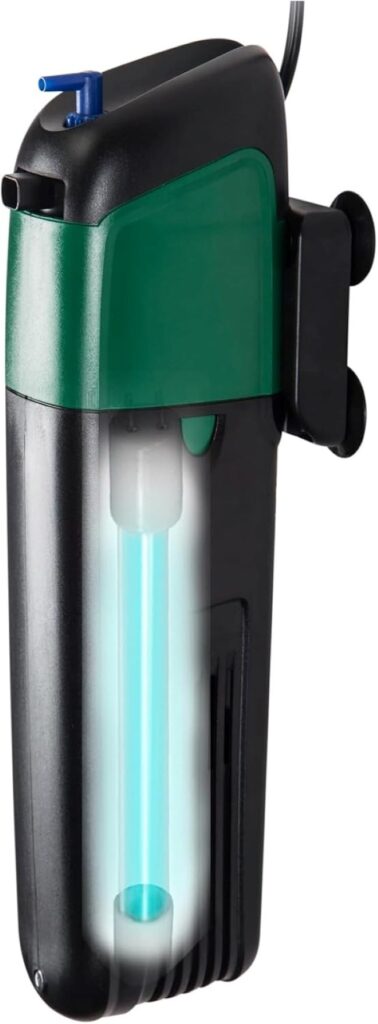
Why it stands out:
- Built-in UV sterilizer kills free-floating algae in 24-48 hours.
- Adjustable flow rate prevents stressing delicate fish.
- Compact design fits inside the tank—no external setup needed.
Key Features Table:
| Feature | Spec |
|---|---|
| UV Power | 5W |
| Flow Rate | 200 GPH |
| Timer Settings | 3/6/12/24H |
| Tank Size | 20-75 gal |
Pros & Cons Table:
| Pros | Cons |
|---|---|
| ✔️ Rapid algae control | ❌ UV bulb needs replacement yearly |
| ✔️ Silent operation | ❌ Not for large tanks |
| ✔️ Easy to clean | ❌ Sponge clogs quickly |
3. TARARIUM 200GPH UV Filter with Timer
Best for: Mid-sized tanks (20-75 gal) needing automated UV sterilization.
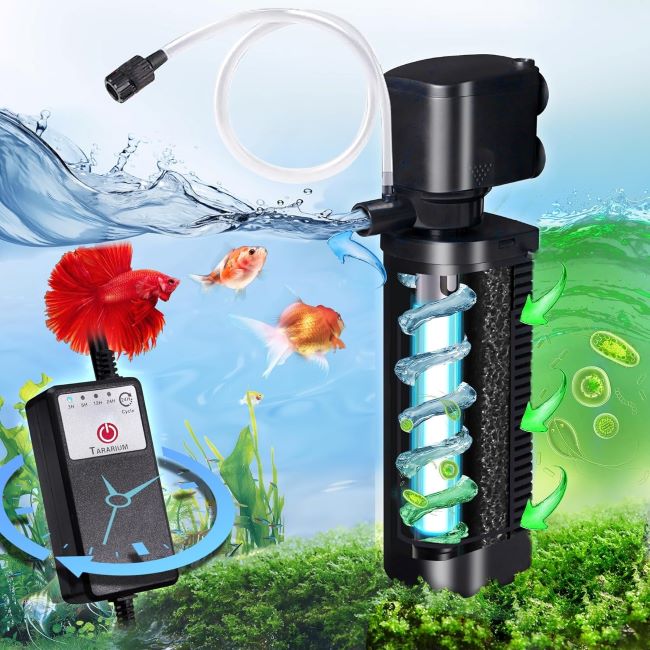
Why it stands out:
- Scientific timer (3/6/12/24H) optimizes UV exposure.
- Bio-sponge enhances biological filtration.
- Deodorizing function reduces fishy smells.
Key Features Table:
| Feature | Spec |
|---|---|
| UV Power | 5W |
| Flow Rate | 200 GPH |
| Timer Options | 4 settings |
| Tank Size | 20-75 gal |
Pros & Cons Table:
| Pros | Cons |
|---|---|
| ✔️ Timer saves energy | ❌ Bulky for nano tanks |
| ✔️ Kills bacteria & algae | ❌ Requires monthly sponge rinsing |
| ✔️ Reduces odors | ❌ Not submersible |
4. Coospider-Repta 200GPH UV Aquarium Filter
Best for: Turtle tanks and messy eaters (goldfish, cichlids).
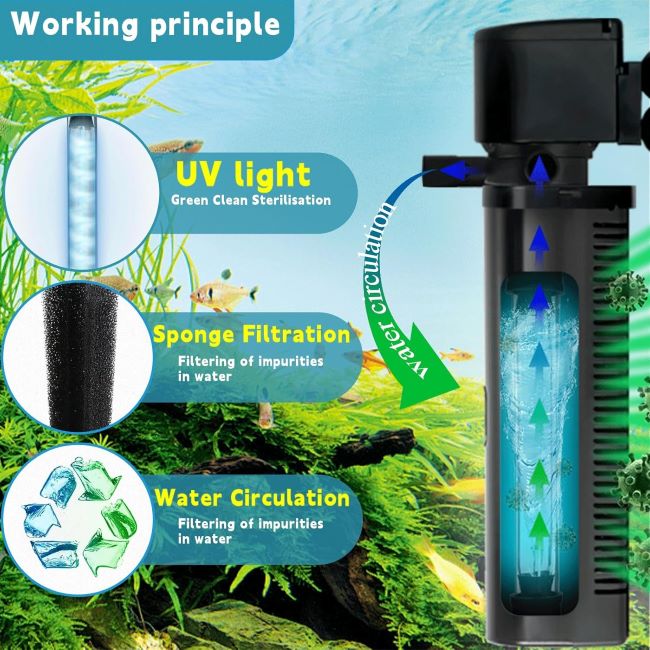
Why it stands out:
- Ultra-silent motor—ideal for bedrooms or offices.
- Dual filtration (mechanical + UV) tackles waste and algae.
- Submersible design saves space.
Key Features Table:
| Feature | Spec |
|---|---|
| UV Power | 5W |
| Flow Rate | 200 GPH |
| Noise Level | <30 dB |
| Tank Size | 20-75 gal |
Pros & Cons Table:
| Pros | Cons |
|---|---|
| ✔️ Nearly silent | ❌ UV bulb lifespan ~6 months |
| ✔️ Great for turtles | ❌ Sponge needs weekly cleaning |
| ✔️ Compact & submersible | ❌ Not for saltwater |
5. TARARIUM 40-150 Gal UV Filter
Best for: Large tanks (40-150 gal) with heavy bioloads.
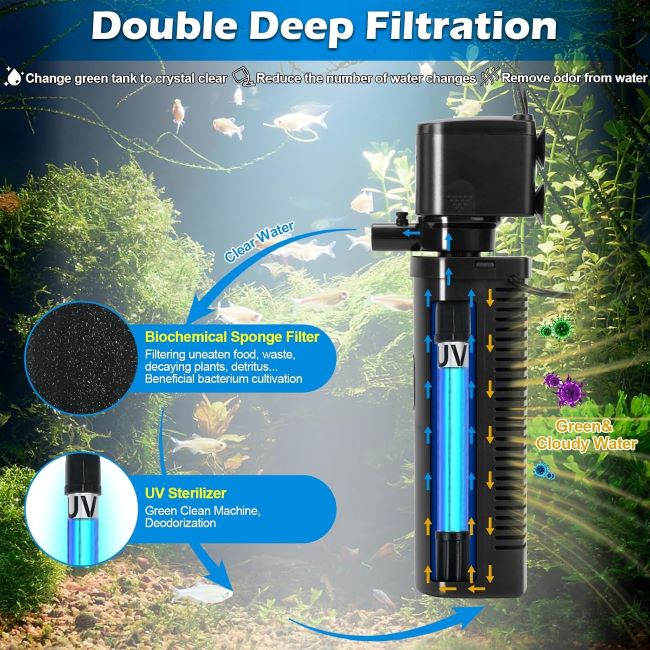
Why it stands out:
- 4-stage filtration (mechanical, biological, chemical, UV).
- Adjustable flow for delicate or aggressive fish.
- Low water level safety—won’t burn out if water drops.
Key Features Table:
| Feature | Spec |
|---|---|
| UV Power | 9W |
| Flow Rate | 300 GPH |
| Filtration Stages | 4 |
| Tank Size | 40-150 gal |
Pros & Cons Table:
| Pros | Cons |
|---|---|
| ✔️ Handles heavy waste | ❌ Expensive upfront |
| ✔️ Safe for low water | ❌ Bulky setup |
| ✔️ Crystal-clear results | ❌ UV bulb replacement costly |
6. Fluval U3 Underwater Filter
Best for: Freshwater and saltwater nano tanks (under 30 gal).
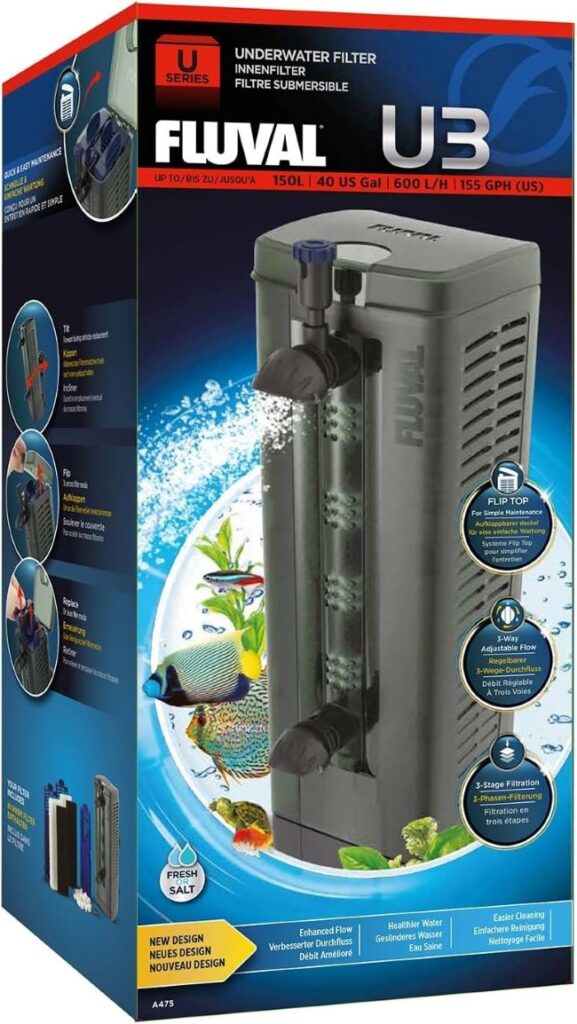
Why it stands out:
- Multi-stage filtration in a tiny footprint.
- Adjustable flow for bettas and shrimp.
- Easy maintenance—just rinse the foam.
Key Features Table:
| Feature | Spec |
|---|---|
| Filtration Stages | 3 |
| Flow Rate | 150 GPH |
| Tank Size | Up to 30 gal |
| Noise Level | <35 dB |
Pros & Cons Table:
| Pros | Cons |
|---|---|
| ✔️ Space-saving | ❌ Not for large tanks |
| ✔️ Quiet & efficient | ❌ Limited chemical filtration |
| ✔️ Great for shrimp | ❌ Foam needs frequent cleaning |
7. TARARIUM Turtle Tank Filter with UV
Best for: Turtle and large fish tanks (40-150 gal).
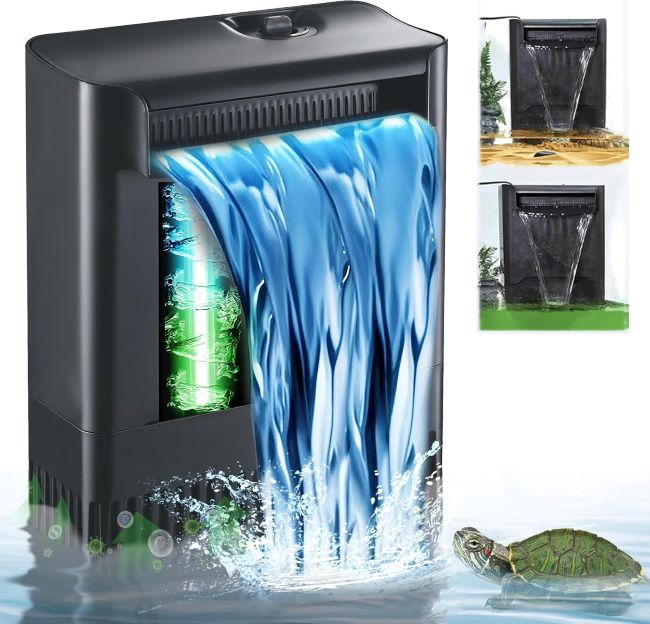
Why it stands out:
- Heavy-duty UV clears green water fast.
- 4-stage filtration handles turtle waste.
- Low water level protection—safe for basking areas.
Key Features Table:
| Feature | Spec |
|---|---|
| UV Power | 11W |
| Flow Rate | 400 GPH |
| Filtration Stages | 4 |
| Tank Size | 40-150 gal |
Pros & Cons Table:
| Pros | Cons |
|---|---|
| ✔️ Built for turtles | ❌ High energy use |
| ✔️ Clears murky water fast | ❌ Expensive replacement parts |
| ✔️ Durable construction | ❌ Loud at max flow |
Common Cleaning Tips: Keep Your Filter Running Like New
Even the best filters need maintenance. Here’s how to maximize performance:
- Rinse mechanical media weekly in tank water (never tap water—it kills beneficial bacteria).
- Replace chemical media (carbon, phosphate removers) every 4-6 weeks.
- Clean UV bulbs monthly with vinegar to remove mineral deposits.
- Check impellers for debris—clogs reduce flow by up to 50%.
- Test water weekly—ammonia/nitrite spikes often mean the filter is overwhelmed.
Troubleshooting: Why Is My Tank Still Cloudy?
If your filter isn’t clearing the water, ask:
- Is the flow rate too high? Strong currents can stir up debris. Adjust or add a spray bar.
- Is the UV bulb dead? UV bulbs lose effectiveness after 6-12 months.
- Are you overfeeding? Uneaten food = ammonia = bacterial blooms.
- Is the tank overstocked? Follow the 1 inch of fish per gallon rule.
- Did you clean with tap water? Chlorine kills beneficial bacteria—always use dechlorinated water.
What Real People Say: Voices from the Community
We scoured forums and reviews to bring you unfiltered opinions:
- “The COODIA UV filter cleared my green water in 36 hours—worth every penny!” – Reef2Reef Forum User
- “Fluval U3 saved my shrimp tank. Silent, efficient, and no baby shrimp got sucked in.” – Reddit r/Aquariums
- “TARARIUM’s timer feature is a game-changer. My tank stays clear without running UV 24/7.” – Amazon Reviewer
FAQs: Your Burning Questions Answered
Q: How often should I replace my filter media?
A: Mechanical (rinse weekly), chemical (4-6 weeks), biological (only replace 50% at a time to preserve bacteria).
Q: Can I use a UV filter in a planted tank?
A: Yes, but limit UV exposure to 4-6 hours/day to avoid harming plants.
Q: Why does my tank get cloudy after a water change?
A: Disturbing substrate releases trapped debris. Gravel vacuum gently and avoid over-cleaning.
Q: Are expensive filters worth it?
A: For sensitive species (reef, discus), yes. For hardy fish (goldfish, cichlids), mid-range filters work fine.
Final Thought: Clear Water, Happy Fish
Cloudy water doesn’t have to be a recurring nightmare. The best affordable aquarium filters of 2026 prove that clarity doesn’t require a fortune—just the right tool for your tank’s needs.
Our top pick? For most hobbyists, the TARARIUM 200GPH UV Filter strikes the perfect balance of power, automation, and affordability. But if you’re battling green water, the COODIA UV Pump is your best bet.
Related Topics:
1) Must-Have Aquarium Gear: Filters, Heaters More Explained
2) Aquarium Lid Condensation Prevention Tips: Keep Your Tank Crystal Clear
Ready to say goodbye to murky water? Pick your filter, follow the maintenance tips, and watch your tank transform into a crystal-clear paradise.
What’s your biggest aquarium challenge? Drop a comment below—we’d love to help!