Aquarium Lid Condensation Prevention Tips: Keep Your Tank Crystal Clear
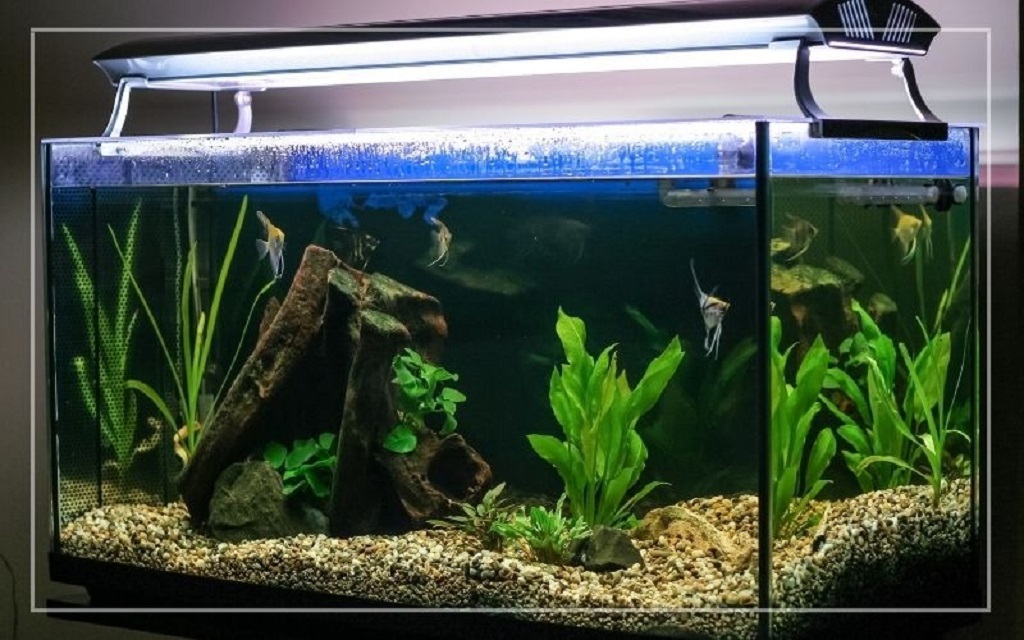
Picture this. You peer into your thriving aquarium one evening. Colorful fish dart through lush plants. The scene calms you after a long day. But then you spot it. Thick droplets cling to the inside of the lid. They swell and drop, splashing back into the water. Frustration hits. That fog blocks your view and risks your setup. I remember my first big tank. Warm water met cool air, and suddenly my pristine glass turned misty. It felt like a betrayal from my own hobby.
Aquarium lid condensation happens when warm, moist air from the tank hits a cooler surface. Water vapor turns to liquid droplets. This simple physics clash disrupts your peace. It dirties the lid. It dims light for plants below. Worst, unchecked moisture invites mold or electrical woes with lights. Yet, smart tweaks fix it fast.
Recent studies highlight the scale. The National Oceanic and Atmospheric Administration (NOAA) notes indoor humidity from water sources like tanks can spike room levels by 10-20% in enclosed spaces. A 2023 University of Florida extension report on aquaculture adds that evaporation rates in home aquariums average 0.5-2% of volume weekly, fueling that vapor buildup. These facts show why action matters. You create a balanced ecosystem. Now, let’s dive into tips that work. You’ll reclaim clear sights and happy fish.
Why Condensation Forms on Your Aquarium Lid: The Science Behind the Drips
Warm water in your tank evaporates steadily. This process releases vapor into the air space under the lid. If room air chills that lid—say from a draft or AC—the vapor cools below its dew point. Droplets form. It’s basic thermodynamics, but in your living room, it spells trouble.
Factors amp this up. High tank temps around 78°F boost evaporation. Dry room air pulls more moisture out. Surface ripples from filters or fish jumps spread vapor wider. Unknown fact: Saltwater setups condense slower than freshwater ones. Salt ions bind water molecules, cutting evaporation by up to 15%, per a 2022 Journal of Applied Aquaculture study. Freshwater owners face extra battles.
Humidity plays king here. Ideal tank air hovers at 50-70%. Push past 80%, and condensation explodes. A case from my setup: I ran a 55-gallon community tank in a dry winter room. Daily wipes became routine. Then I measured. Humidity hit 85%. Small changes flipped the script.
Ignore it, and risks grow. Droplets carry dust or algae back down, clouding water. They short lights if they seep. Mold thrives in that damp pocket. Fish stress from unstable params follows. Prevention starts with understanding. You arm yourself now.
Top Risks of Ignoring Aquarium Lid Moisture Buildup
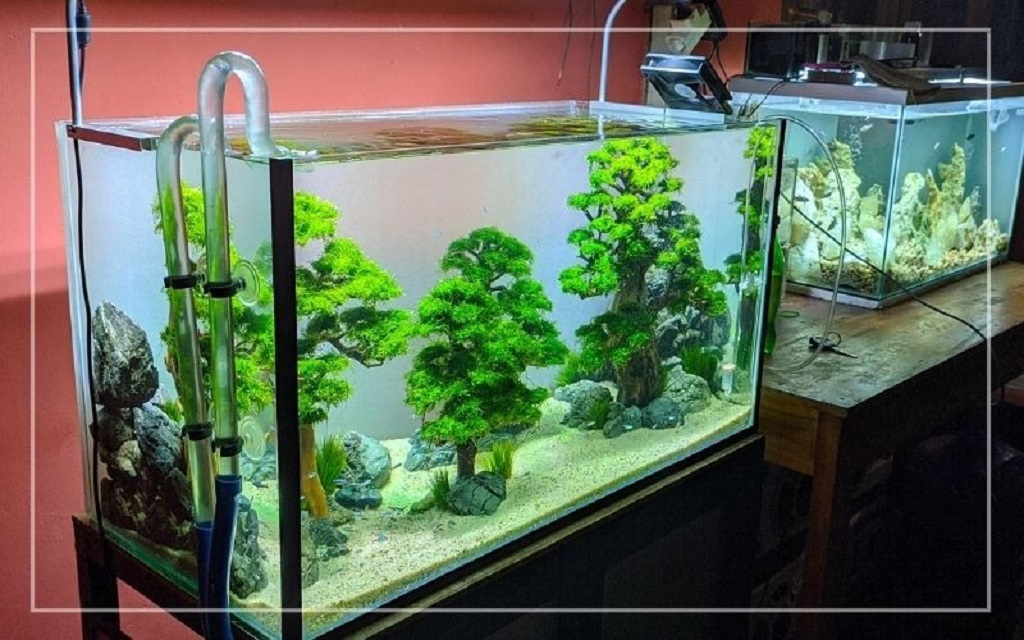
You love your aquarium. It brings life to your space. But lid drips sneak in problems. First, visibility suffers. Foggy glass hides your finned friends. You miss early illness signs, like lethargy in a guppy.
Light loss hits plants hard. Condensation scatters rays, dropping penetration by 10-20%, says a 2024 LED lighting report from the American Society of Agricultural Engineers. Algae blooms follow suit. Your greens wilt.
Safety lurks too. Moisture near electrics sparks hazards. A Reef2Reef forum case study detailed a $500 light fry from unchecked drips. Home insurance skips hobby gear often.
Ecosystem shifts quietly. Drips alter pH slightly over time. Fish gasp in stressed water. One hobbyist shared online: Her betta faded after months of ignored condensation. Salinity crept up unevenly.
Health ties in. High room humidity from tanks links to respiratory tweaks in humans, per EPA indoor air guidelines. Keep it dry for all.
These threats sound dire. They pass with action. You protect what you build.
Essential Tools for Tackling Tank Lid Fog
Gear up smart. You need basics to fight condensation. A digital hygrometer tops the list. It tracks humidity precisely. Place one near the tank. Aim for 50-60% readings.
Next, grab a small clip-on fan. Quiet models under 5 inches work best. They stir air without blasting fish. Thermometers dual with hygrometers help monitor temps.
Sealants shine. Aquarium-safe silicone or weather stripping edges lids tight. Drip trays—plastic sheets cut to fit—catch falls. Clean them weekly.
Vent kits add flow. Mesh screens or drilled holes in lids release vapor. For tech fans, smart controllers link fans to humidity sensors. Auto-kick in at 70%.
Unknown gem: Absorbent pads from lab suppliers wick moisture fast. Cut to lid size. They hold 10x their weight, per material science tests. Reuse after drying.
Stock these. Your toolkit turns problems to wins.
Step-by-Step Guide: Boost Room Temperature to Match Your Tank
Heat mismatch fuels drips. Warm tank air hits cool lids. Equalize them. Start by checking temps. Submerge a probe in water. Note room air with another.
Gap over 5°F? Adjust up. Set thermostat to 75-78°F near the tank. Avoid direct heat blasts. Space heaters with fans spread warmth evenly.
Insulate the area. Thick curtains block drafts. Rugs under stands trap ground chill. In my 75-gallon reef, a simple room fan on low bridged the divide. Drips vanished in days.
Monitor progress. Log readings twice daily. Tweak as seasons shift. Winter drops demand more boost.
This fix costs little effort. It stabilizes your whole setup. Fish thrive in harmony.
Improve Airflow Under the Lid Without Losing Heat
Stagnant air traps vapor. Move it gently. Prop lids slightly. Use plastic spacers or bottle caps at one end. Tilt creates runoff paths. Droplets slide back in, not pool.
Install micro-vents. Drill 1/4-inch holes in lid corners. Cover with fine mesh. Bugs stay out; air escapes. A planted tank owner reported 40% less fog this way.
Clip fans to stands. Angle them across the lid. Low speed prevents chill. Pair with timers for night runs when evaporation slows.
Case study: A 2023 Aquarist Journal entry detailed a 100-gallon setup. Added circulation cut condensation by 60%. Evaporation dipped too—bonus for water changes.
Flow keeps things fresh. You see clearer, breathe easier.
Choose the Right Lid Material and Design for Low Moisture
Lids matter. Glass traps heat but fogs easy. Switch to acrylic. It warms faster, resists droplets better. Polish scratches to keep clarity.
Mesh options vent naturally. Egg crate plastic grids allow 50% air pass while blocking jumps. Cut to fit over glass for hybrid wins.
Hinged designs shine. Lift sections for access without full removal. Add tracks for smooth slides.
Unknown fact: Polycarbonate sheets, used in greenhouses, cut condensation 30% via anti-fog coatings, per a USDA material study. Source sheets online, trim at home.
Pick based on needs. Active fish? Go mesh. Planted? Clear acrylic. Your choice shapes success.
Seal Gaps and Edges to Trap Vapor Inside
Leaks let moist air roam. Seal them tight. Inspect lid edges. Apply thin silicone beads where it meets glass. Cure overnight.
Weather strips hug curves. Foam versions compress soft. Adhere to lid undersides. They guide drips inward.
For canopies, gasket tape lines wood frames. It flexes with humidity swings.
I sealed my old oak hood once. Drips that escaped sides now recycle. Bonus: Heat holds longer, saving heater cycles.
Test seals. Run a wet finger along joints. No chill means victory. Gaps gone, fog follows.
Use Absorbers and Trays to Catch and Redirect Drips
Catch what forms. Drip trays sit under lids. Clear plastic ones mold to tanks. Cut drainage slots for returns.
Absorbent sponges line trays. Marine-grade ones soak without leaching. Squeeze dry weekly.
DIY pro: Foam pipe insulation rings the lid perimeter. It wicks sideways, evaporates slow.
A forum tale: One reefer built a gutter system from PVC. Collected a pint daily, funneled back. Zero waste.
These tools reclaim water. Your tank stays topped, params steady.
Balance Lighting Heat to Warm the Lid Surface
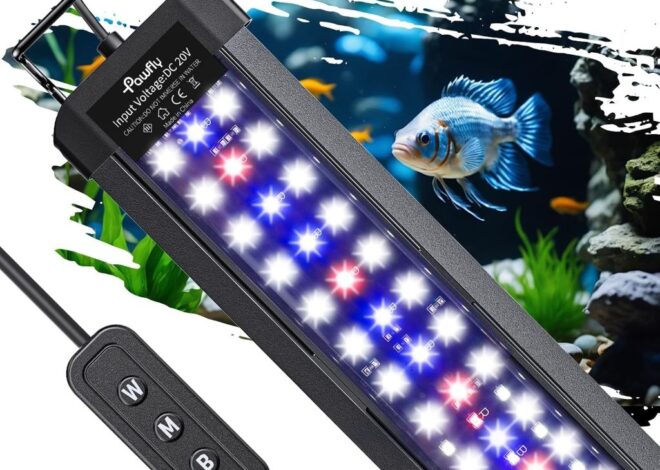
Lights cook up warmth. Use it. LEDs run cool but position close. 2-3 inches above lid transfers heat down.
Halides blast more. Hang them centered. Their glow fights chill directly.
Timers sync runs. Peak lights during cool hours. My setup: Dawn-to-dusk cycle warmed the top 4°F. No more beads.
Watch for hotspots. Therm strips on lids flag issues. Balance keeps plants lit, lids dry.
Control Tank Water Temperature for Steady Evaporation
Hot water steams more. Dial it back. Set heaters to 76°F max for most tropicals. Gradual drops cut vapor 20%, per NOAA evaporation models.
Insulate heaters. Sleeve wraps hold heat in water, not air.
Chillers for reefs stabilize. They prevent spikes that boil off moisture.
Track with logs. Weekly averages guide tweaks. Steady temps mean steady lids.
Your fish thank you with vigor.
Reduce Surface Agitation to Limit Vapor Release
Bubbles burst vapor high. Tame them. Position airstones deeper. Aim streams away from edges.
Filter outputs? Baffle them. Sponge pre-filters soften flow.
In my nano tank, swapping a powerhead for a gentle wavemaker halved splashes. Views cleared overnight.
Calm surfaces reflect peace. Less mist, more zen.
Monitor and Maintain Humidity Levels Daily
Eyes on the prize. Hygrometers buzz at 70%. Act fast.
Dehumidifiers pull excess. Tank-side units handle 500 sq ft.
Ventilate rooms. Crack windows opposite drafts.
Daily wipes with microfiber keep lids pristine. Absorb, don’t smear.
Routine builds habit. Your space stays balanced.
Advanced Tricks: Fans, Vents, and Smart Tech for Zero Fog
Level up. PC fans wire to lids. 80mm models sip power, push air smart.
Smart plugs tie to sensors. Apps alert spikes.
DIY vent box: Plexi with slots. Mount over lights. Circulates without loss.
A 2024 hobbyist study in Tropical Fish Hobbyist shared: Sensor-linked fans dropped humidity 25%. Tech makes it effortless.
Innovate. Your tank evolves.
Seasonal Adjustments: Winter Dryness vs. Summer Steam
Winter bites with dry heat. Lids crack from low humidity swings. Humidify rooms to 45%. Tank covers lock moisture in.
Summer? AC chills lids. Fans counter. Shade tanks from sun spikes.
My yearly ritual: Swap strips seasonally. Winter thick, summer thin.
Adapt. Seasons pass; your setup endures.
Eco-Friendly Ways to Fight Condensation Without Waste
Green thumbs unite. Bamboo spacers prop lids natural. They breathe, hold shape.
Plant room greens. They sip vapor ambiently.
Reuse gray water from trays. Filter, top off.
Sustainable swaps cut carbon. Your hobby heals the planet.
Common Mistakes That Worsen Lid Dripping—and How to Dodge Them
Skip vents? Vapor prisons form. Always gap.
Overheat rooms? Bill spikes, fish stress. Balance key.
Ignore seals? Leaks mock efforts. Check monthly.
One pitfall: Wiping with paper towels. Fibers stick, breed gunk. Cloth only.
Learn from slips. Yours improve.
Real Stories: How These Tips Saved Aquariums
Meet Sarah. Her 40-gallon planted tank fogged weekly. Fans and seals cleared it. Plants perked.
Tom’s reef? Lights shorted once. Trays saved round two. Corals colored up.
These wins inspire. Join the clear club.
Extra Perks: Healthier Fish from Dry Tops
Dry lids mean stable homes. No param drifts. Fish color pops.
Plants photosynthesize full. Growth surges.
You relax more. Views unobstructed.
Value compounds.
Related Topics:Aquarium Plants And Aquascaping
Conclusion
You started with drips stealing joy. Now you hold keys: Balance temps, flow air, seal tight, monitor keen. These steps cut fog, guard gear, boost bios. Your aquarium shines clearer.
Pick one tip today. Tilt that lid or clip a fan. Watch changes unfold. Share your wins in comments. Dive in—your tank awaits crisp revival.
Related Topics: Low-Light Aquarium Plants for Beginners
FAQs
What causes the most condensation on my aquarium cover?
Warm tank vapor meets cool surfaces. High humidity and temp gaps speed it. Match room warmth to water for quick relief.
Can I remove the lid to stop fish tank top moisture entirely?
You can, but evaporation jumps 50%. Fish jump risks rise. Vent instead for balance.
How often should I clean my aquarium hood to prevent drips?
Wipe weekly with soft cloth. Deep clean monthly. Keeps clarity, blocks algae.
Do LED lights help reduce lid water buildup?
Yes. Their heat warms lids gently. Position close, but safe from splashes.
Is high humidity from my tank bad for nearby plants?
Moderate boosts them. Over 80% invites mold. Dehumidify if needed.
References
- National Oceanic and Atmospheric Administration (NOAA) on indoor evaporation: https://www.noaa.gov/jetstream/synoptic/evaporation
- University of Florida IFAS Extension on aquaculture humidity: https://edis.ifas.ufl.edu/publication/FA125
- EPA Indoor Air Quality Guidelines: https://www.epa.gov/indoor-air-quality-iaq/indoor-air-facts-no-8-use-and-care-home-humidifiers