How to Choose the Best UV Reef Aquarium Filter for Cleaner Water
Maintaining a thriving reef aquarium requires more than just beautiful corals and fish. Water quality is the foundation of a healthy tank, and one of the most effective tools for achieving crystal-clear water is a UV reef aquarium filter. These filters use ultraviolet light to eliminate harmful microorganisms, algae, and bacteria, ensuring your aquatic environment remains clean and safe. With so many options available, choosing the right UV filter can feel overwhelming. This guide will help you understand how UV filters work, what to look for, and how to select the best one for your reef aquarium.
Why a UV Reef Aquarium Filter is Essential for Your Tank
A UV reef aquarium filter is a powerful tool for any saltwater setup. It uses ultraviolet light to destroy free-floating bacteria, algae, and protozoa, which can cause cloudy water and harm your fish and corals. According to recent studies, UV filters can dramatically improve water clarity by neutralizing algae and fine particulate matter, making them especially useful for reef tanks where aesthetics matter. Additionally, UV filters work alongside your existing filtration system to support overall water quality and fish health. For anyone looking to enhance their tank’s cleanliness, a UV reef aquarium filter is a worthwhile investment.
How UV Filters Work to Clean Your Aquarium Water
UV filters use a special ultraviolet lamp to expose water to UV-C light as it flows through the filter. This light damages the DNA of microorganisms like algae, bacteria, and parasites, preventing them from reproducing and effectively killing them. The process is quick and efficient, especially when the water flows at the right rate. UV filters are particularly effective at controlling green water algae, which can quickly turn your tank into a murky mess. By breaking down these harmful organisms, UV filters help maintain a balanced and healthy aquatic environment.
Key Factors to Consider When Choosing a UV Filter
Tank Size and Flow Rate
The size of your tank and the flow rate of the UV filter are the most important factors to consider. A UV filter must be powerful enough to handle the volume of water in your aquarium. As a general rule, choose a UV filter rated for a tank size slightly larger than your own. For example, if you have a 75-gallon tank, opt for a filter designed for 100 gallons. Additionally, the flow rate should match your tank’s needs. A flow rate that is too high can reduce the filter’s effectiveness, while a flow rate that is too low may not provide enough water turnover.
UV Bulb Wattage and Strength
The wattage of the UV bulb determines how effectively the filter can neutralize microorganisms. Higher wattage bulbs are more powerful and can handle larger tanks or heavier bioloads. For reef tanks, experts recommend using a UV filter with a wattage rating between 30,000 to 45,000 µW/cm². This range ensures the filter can effectively target and eliminate harmful organisms without disrupting the beneficial bacteria in your tank.
Type of UV Filter: Inline vs. Hang-On-Back (HOB)
UV filters come in different types, including inline and hang-on-back (HOB) models. Inline UV filters are installed directly into your aquarium’s plumbing system, making them ideal for larger setups with sumps or canister filters. They are typically more powerful and efficient but require more space and installation effort. HOB UV filters, on the other hand, are easier to install and maintain, making them a great choice for smaller tanks or beginners. However, they may not be as powerful as inline models.
Ease of Maintenance and Bulb Replacement
Regular maintenance is crucial for keeping your UV filter running efficiently. Look for models with easy-to-access UV bulbs and simple cleaning procedures. Most UV bulbs need replacement every 6 to 12 months, depending on usage. Choose a filter with a clear indicator for bulb replacement or a built-in timer to remind you when it’s time for a change. Additionally, consider filters with self-cleaning features or removable sleeves for easy maintenance.
Personal Experience: The Difference a UV Filter Makes
When I first set up my reef aquarium, I struggled with persistent green water algae. No matter how often I performed water changes or adjusted my lighting, the algae kept coming back. After researching and consulting with experienced aquarists, I decided to install a UV filter. Within days, the water became noticeably clearer, and the algae blooms disappeared. This experience taught me the value of investing in a quality UV filter to maintain a healthy and visually appealing tank.
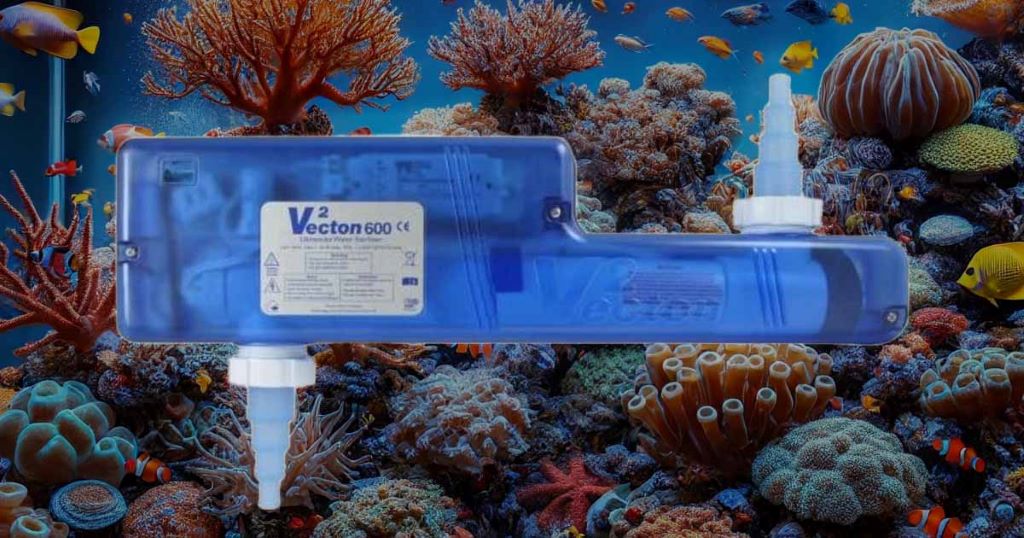
Top UV Reef Aquarium Filter Recommendations
Best for Small Tanks
For small reef tanks (under 50 gallons), compact UV filters like the Coralife Turbo-Twist UV Sterilizer are excellent choices. These filters are designed to fit in tight spaces and provide efficient water clarification without taking up too much room. Look for models with adjustable flow rates and easy-to-replace bulbs for convenience.
Best for Mid-Sized Tanks
Mid-sized tanks (50 to 100 gallons) benefit from UV filters like the Aqua UV Classic series. These filters offer a balance of performance and affordability, with features like high-quality UV bulbs and durable construction. They are also known for their ease of maintenance and long-lasting performance.
Best for Large Tanks
For large tanks (over 100 gallons), high-capacity UV filters like the Pentair Aquatics UV Sterilizer are ideal. These filters are designed to handle heavy bioloads and provide superior water clarification. They often include advanced features like self-cleaning systems and quiet operation, making them a top choice for serious reef keepers.
Common Mistakes to Avoid When Using a UV Filter
Choosing the Wrong Size
One of the most common mistakes is selecting a UV filter that is too small for the tank. An undersized filter will struggle to keep up with the volume of water, leading to poor performance. Always choose a filter rated for a tank size larger than your own to ensure optimal results.
Incorrect Flow Rate
The flow rate of your UV filter is crucial for its effectiveness. A flow rate that is too high can reduce the time water spends exposed to UV light, making the filter less effective. Conversely, a flow rate that is too low may not provide enough water turnover. Follow the manufacturer’s recommendations for flow rate to achieve the best results.
Neglecting Maintenance
Regular maintenance is essential for keeping your UV filter running efficiently. Neglecting to clean the filter or replace the UV bulb can lead to reduced performance and even equipment failure. Set a schedule for cleaning and inspecting your filter to ensure it continues to operate at its best.
Ignoring Water Parameters
Changes in water parameters, such as pH or salinity, can affect the performance of your UV filter. Test your water regularly to ensure a stable environment for your filter to work effectively. Additionally, monitor your tank for signs of stress in your corals or fish after installing a UV filter.
FAQs About UV Reef Aquarium Filters
Do I need a UV filter for my reef tank?
While a UV filter is not absolutely necessary, it is highly beneficial for maintaining water clarity and reducing harmful microorganisms. Many successful reef tanks run without UV filters, but they can be a valuable addition if you struggle with algae or waterborne pests.
How often should I replace the UV bulb?
Most UV bulbs need replacement every 6 to 12 months, depending on usage. Always follow the manufacturer’s recommendations for bulb replacement to ensure your filter remains effective.
Can a UV filter harm my corals or fish?
When used correctly, UV filters are safe for corals and fish. However, it’s important to monitor your tank after installation to ensure there are no adverse effects. If you notice any signs of stress, adjust the flow rate or consult an expert.
What is the difference between a UV clarifier and a UV sterilizer?
UV clarifiers are designed to control algae and improve water clarity, while UV sterilizers are more powerful and can eliminate a wider range of microorganisms, including bacteria and parasites. For reef tanks, a UV sterilizer is often the better choice due to its broader effectiveness.
How do I know if my UV filter is working properly?
A properly functioning UV filter will result in clearer water and reduced algae growth. If you notice persistent cloudiness or algae blooms, it may be time to check the bulb or adjust the flow rate.
Conclusion
Choosing the best UV reef aquarium filter is a critical step in maintaining a healthy and beautiful reef tank. By considering factors like tank size, flow rate, UV bulb strength, and ease of maintenance, you can select a filter that meets your needs and keeps your water crystal clear. Remember, a quality UV filter is an investment in the long-term success of your aquarium, ensuring your corals and fish thrive in a clean and stable environment.
Call to Action: Have you used a UV filter in your reef aquarium? Share your experiences or ask questions in the comments below! Don’t forget to share this article with fellow reef keepers who might find it helpful.