How to Use Reef Adhesive for Safe and Secure Coral Placement
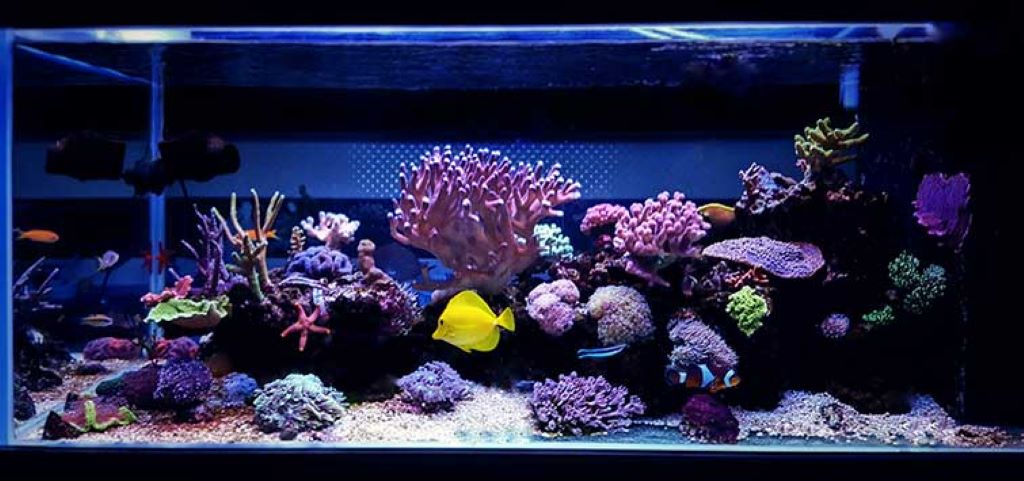
Creating a stunning reef aquarium is about more than just selecting beautiful corals and fish. It’s also about how you place and secure those corals in your tank. Using the right reef adhesive ensures your corals stay in place, grow properly, and contribute to a thriving underwater ecosystem. Whether you’re a beginner or an experienced aquarist, knowing how to use reef adhesive safely and effectively is essential. This guide will walk you through everything you need to know to achieve secure coral placement and a visually appealing aquascape.
Why Reef Adhesive is Essential for Coral Placement
Reef adhesive is a must-have tool for any reef aquarium enthusiast. It allows you to attach coral frags to rocks or other surfaces, ensuring they stay in place as they grow. Without a reliable adhesive, corals can shift, fall, or even get damaged, leading to stress or poor growth. According to recent surveys, over 80% of reef aquarium enthusiasts use cyanoacrylate gel for attaching coral frags, making it the most popular choice for its ease of use and effectiveness. Using the right reef adhesive not only keeps your corals secure but also helps maintain a clean and organized tank.
Types of Reef Adhesive: Which One Should You Use?
Cyanoacrylate-Based Adhesives
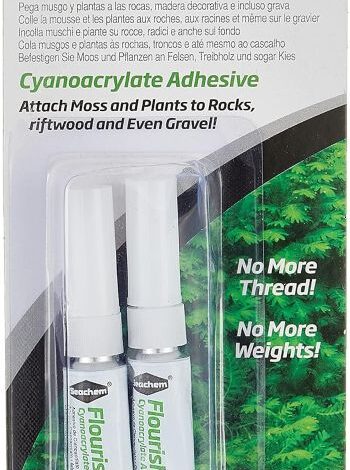
Cyanoacrylate-based adhesives, commonly known as super glue or reef glue, are the most widely used in reef aquariums. These adhesives cure quickly, even underwater, making them ideal for attaching coral frags to rocks or other surfaces. The gel form is especially popular because it’s easier to control and less likely to run or drip. Look for products labeled as “reef-safe” or “aquarium-safe,” and ensure the main ingredient is ethyl cyanoacrylate. This type of adhesive is trusted by aquarists for its strong bond and safety for aquatic life.
Epoxy Putty
Epoxy putty is another excellent option for securing corals, especially for larger projects like building rock structures or attaching heavy corals. Epoxy putty typically comes in two parts that you mix together before application. It takes longer to cure (usually 24-48 hours) but provides a strong, long-lasting bond. This makes it perfect for projects that require more working time or need extra strength. Epoxy putty is also reef-safe and can be used underwater once fully cured.
Silicone Adhesives
Silicone adhesives are less common for coral placement but are useful for bonding larger rocks or creating custom aquascapes. They are not ideal for attaching small coral frags because they take longer to cure and can be messy to work with. However, silicone is a great choice for sealing gaps or creating permanent structures in your tank. Always choose 100% silicone products labeled as aquarium-safe to avoid any harmful chemicals.
Step-by-Step Guide to Using Reef Adhesive Safely
Preparing Your Corals and Surfaces
Before applying any adhesive, prepare your corals and the surfaces you’ll be attaching them to. Clean the surfaces of any algae, debris, or loose material to ensure a strong bond. If you’re using dry rock, make sure it’s completely dry before applying epoxy putty. For cyanoacrylate adhesives, you can apply them directly to wet or dry surfaces, but ensure the coral frag is clean and free of mucus or debris.
Applying Cyanoacrylate Adhesive
Cyanoacrylate adhesive is easy to use and sets quickly. Here’s how to apply it:
- Cut the Tip: If using a tube, cut the tip at a 45-degree angle to create a small opening for precise application.
- Apply a Small Amount: Place a small drop of adhesive on the base of the coral frag or the rock where you want to attach it.
- Press Firmly: Hold the coral frag in place for 20-30 seconds to allow the adhesive to bond. Avoid moving the coral for at least a minute to ensure a strong hold.
- Check for Excess: Wipe away any excess adhesive with a damp cloth or paper towel before it cures.
Using Epoxy Putty for Larger Projects
Epoxy putty is ideal for larger projects, such as building rock structures or attaching heavy corals. Follow these steps for best results:
- Mix the Putty: Knead equal parts of the two components together until you have a uniform color.
- Apply to Surfaces: Press the putty onto the surfaces you want to bond. You can shape it as needed to create a secure hold.
- Hold in Place: Support the coral or rock structure for a few minutes to ensure it stays in position while the putty begins to cure.
- Allow to Cure: Let the putty cure for 24-48 hours before moving or disturbing the structure.
Silicone Adhesive for Permanent Structures
Silicone adhesives are best for creating permanent structures or sealing gaps in your aquascape. Here’s how to use them:
- Apply a Thin Layer: Use a caulking gun to apply a thin, even layer of silicone to the surfaces you want to bond.
- Press Together: Firmly press the surfaces together and hold them in place for a few minutes.
- Allow to Cure: Let the silicone cure for at least 24 hours before adding water or disturbing the structure.
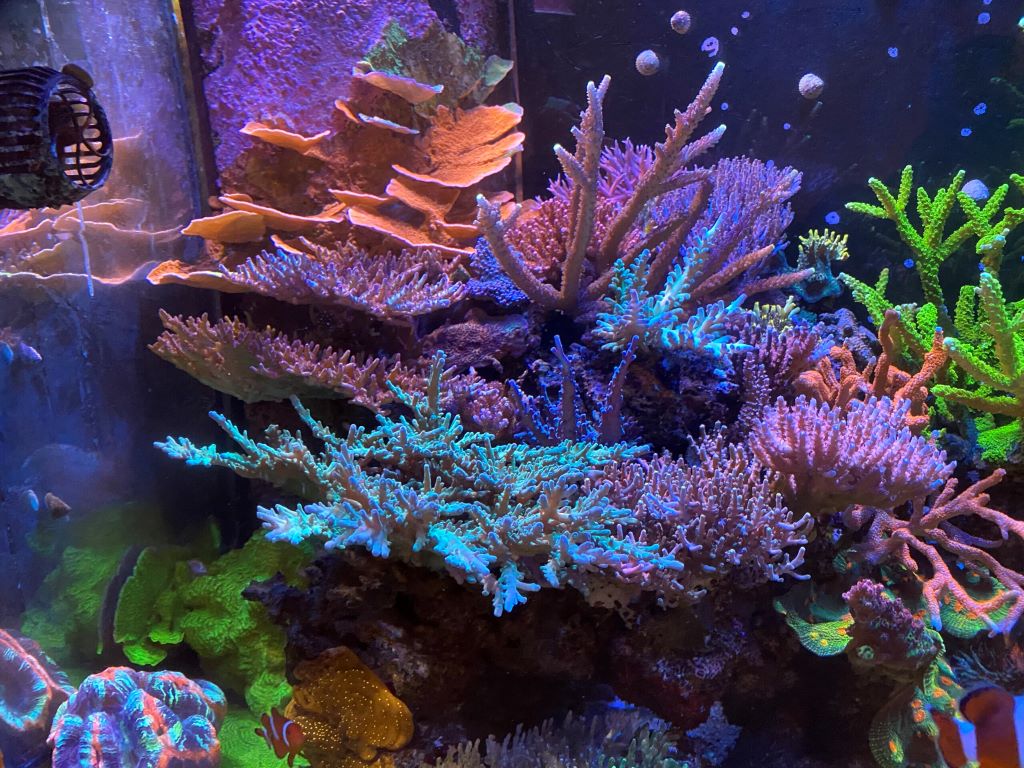
Personal Experience: Learning the Hard Way
When I first started my reef aquarium, I made the mistake of using a generic super glue to attach my coral frags. Within days, the bond weakened, and several frags fell off, causing stress and damage. After researching and consulting with experienced aquarists, I switched to a high-quality cyanoacrylate gel designed specifically for reef tanks. The difference was immediate—my corals stayed securely in place, and my tank looked more organized and professional. This experience taught me the importance of using the right adhesive for the job.
Safety Tips for Using Reef Adhesive
Avoid Harmful Chemicals
Not all adhesives are safe for reef aquariums. Avoid products containing solvents, dyes, or additives that can leach into the water and harm your corals and fish. Always check the label for ingredients and opt for adhesives specifically labeled as “reef-safe” or “aquarium-safe.”
Use in a Well-Ventilated Area
Some adhesives, especially cyanoacrylate and epoxy, can release fumes during application. Work in a well-ventilated area to avoid inhaling these fumes, which can be irritating to your lungs and eyes.
Wear Protective Gear
When handling adhesives, wear gloves to protect your skin from irritation. If you’re using epoxy putty, consider wearing eye protection to prevent accidental contact with your eyes.
Monitor Your Tank After Application
After applying any adhesive, monitor your tank for the next 24 hours. Look for signs of stress in your corals or fish, such as discoloration, closed polyps, or unusual behavior. If you notice any issues, perform a water test to check for changes in water parameters.
Common Mistakes to Avoid When Using Reef Adhesive
Using Too Much Adhesive
Applying too much adhesive can create a messy bond and may even harm your corals. A small drop of cyanoacrylate or a thin layer of epoxy is usually enough to secure your corals. Excess adhesive can also leach into the water, affecting water quality.
Not Allowing Enough Cure Time
Rushing the curing process can lead to weak bonds and failed attachments. Always follow the manufacturer’s instructions for cure times. For cyanoacrylate, this is usually just a few seconds, while epoxy and silicone may require 24-48 hours.
Applying Adhesive to Dirty Surfaces
Dirty or wet surfaces can prevent the adhesive from bonding properly. Always clean the surfaces before applying any adhesive to ensure a strong, lasting hold.
Ignoring Water Parameters
Changes in water parameters, such as pH or salinity, can affect the curing process of some adhesives. Test your water before and after applying adhesive to ensure a stable environment for your corals.
FAQs About Reef Adhesive
Is reef adhesive safe for all types of corals?
Yes, reef adhesive is generally safe for all types of corals, including SPS, LPS, and soft corals. However, always use adhesives labeled as “reef-safe” and monitor your corals after application to ensure they are not stressed.
Can I use regular super glue in my reef tank?
No, regular super glue often contains additives that can be harmful to your aquarium. Always use a cyanoacrylate adhesive specifically labeled as reef-safe or aquarium-safe.
How long does reef adhesive take to cure?
Cyanoacrylate adhesives cure almost instantly (within seconds), while epoxy putty and silicone adhesives can take 24-48 hours to fully cure.
Can I remove coral attached with reef adhesive?
Yes, you can remove coral attached with reef adhesive, but it may require careful cutting or prying. Cyanoacrylate bonds can be brittle and may break with gentle pressure, while epoxy and silicone bonds are stronger and may require more effort to remove.
What should I do if my coral doesn’t stick?
If your coral doesn’t stick, clean the surfaces and reapply the adhesive. Ensure you’re using the right type of adhesive for the material and allowing enough time for the adhesive to cure.
Conclusion
Using reef adhesive is a simple yet crucial part of maintaining a healthy and beautiful reef aquarium. By choosing the right type of adhesive and following best practices for application, you can ensure your corals stay securely in place and thrive. Whether you’re attaching small frags or building large rock structures, the right adhesive makes all the difference in creating a stunning and stable underwater environment.
Call to Action: Have you used reef adhesive in your aquarium? Share your experiences or ask questions in the comments below! Don’t forget to share this article with fellow reef keepers who might find it helpful.