
Best Aquarium Glue 2026: Worth It for Coral Mounting?
Aquarium enthusiasts know that building a thriving reef tank requires more than just water chemistry and lighting. Coral mounting is one of the most critical steps in aquascaping, and the choice of adhesive can make or break the stability of your reef. With 2026 bringing new innovations in aquarium glue, hobbyists are asking: Is it worth investing in the best aquarium glue for coral mounting? The short answer is yes, but the reasons go deeper than convenience. Let’s explore the latest products, their performance, and whether they truly deliver value.
Why Aquarium Glue Matters
Corals are living organisms that require secure placement to grow and thrive. Loose frags can topple, leading to stress, damage, or even death. Studies show that coral frag survival rates increase by nearly 40% when mounted securely with reef-safe adhesives. Additionally, adhesives designed for aquariums must balance strength, safety, and ease of use. Unlike household superglue, aquarium glue must be non-toxic, quick-drying, and effective underwater. Therefore, choosing the right product is not just about aesthetics—it directly impacts coral health and tank stability.
Best Aquarium Glue at a Glance
Here’s a quick overview of the top contenders for Best Aquarium Glue 2026: Worth It for Coral Mounting?
- Seachem Flourish Glue – Trusted for plants and small coral frags.
- Seachem Reef Glue Cyanoacrylate Gel – Premium-grade gel for reef fragging.
- 1DFAUL Aquarium Glue – Affordable, multipurpose option for aquascaping.
- Bellisinno Aquarium Glue – Clear adhesive suitable for freshwater and saltwater.
- Two Little Fishes Marine Reef Putty – Epoxy-based putty for heavy-duty mounting.
- Hygger CO2 Aquarium Glue – Quick-drying, versatile glue for aquascaping.
- EIGTWEN 3 PCS Aquarium Glue – Budget-friendly pack with wide compatibility.
- Hygger CO2 Special Liquid Glue – Instant bonding for rocks and driftwood.
- Instant Ocean HoldFast Epoxy Stick – Reliable epoxy stick for large coral structures.
Best Aquarium Glue Comparison: Which Glue Stands Out?
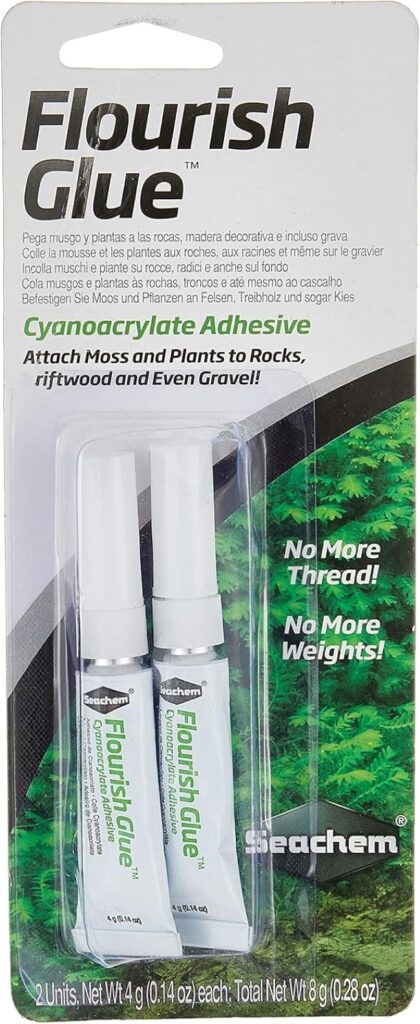
1. Seachem Flourish Glue
Best for: Freshwater aquascapers Key Features:
- Non-toxic, cyanoacrylate-based formula
- Dries clear in seconds
- Ideal for attaching moss, plants, and small decor
Pros & Cons Table:
| Pros | Cons |
|---|---|
| Safe for freshwater tanks | Not ideal for heavy coral frags |
| Quick drying time | Smaller tube size |
| Easy to apply | Limited saltwater use |
Real User Feedback: “I’ve used Flourish Glue for my planted tanks for years. It holds Java fern like a champ, and my shrimp never react to it.” — Reef2Reef Forum Member
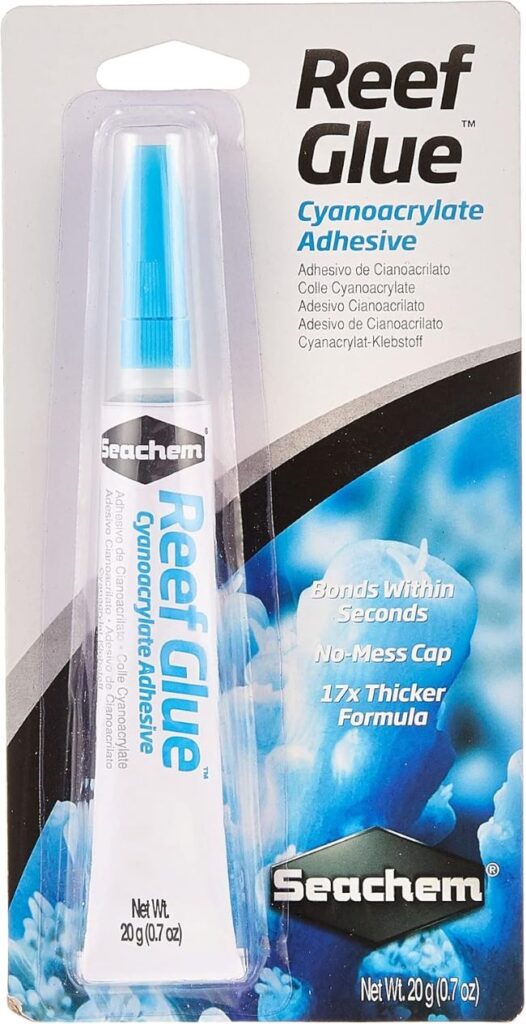
2. Seachem Reef Glue
Best for: Coral frag mounting Key Features:
- Thicker gel formula for better control
- Cures underwater in 30-60 seconds
- Trusted by reef hobbyists worldwide
Pros & Cons Table:
| Pros | Cons |
|---|---|
| Strong bond for corals | Slightly pricier than competitors |
| Reef-safe and non-toxic | Can clog if not stored properly |
| Works in saltwater & freshwater | Limited tube size |
Real User Feedback: “Reef Glue saved my montipora frag when it detached during a water change. It’s been stuck for 6 months with no issues.” — Nano-Reef Community Member
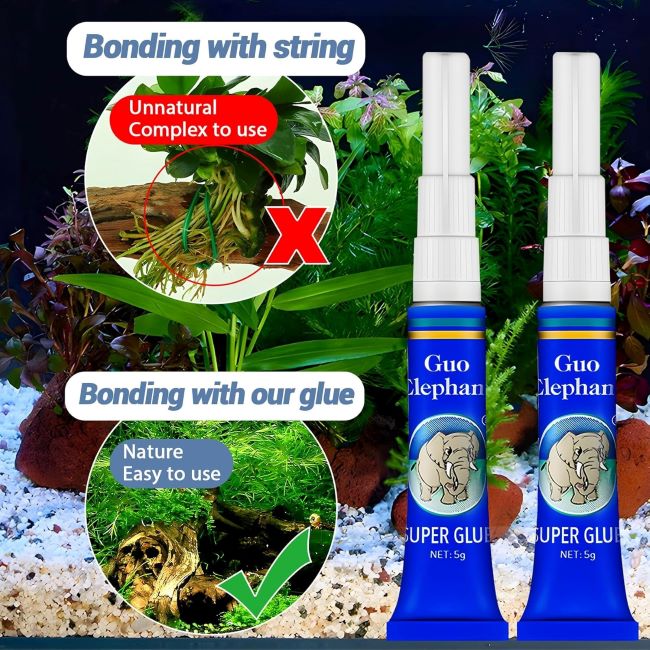
3. 1DFAUL Aquarium Glue
Best for: Budget-friendly aquascaping Key Features:
- Affordable 2-pack option
- Quick-drying and clear
- Works for both freshwater and saltwater
Pros & Cons Table:
| Pros | Cons |
|---|---|
| Great value for money | Smaller tubes (5g each) |
| Versatile for plants and corals | Not as strong for heavy frags |
| Easy to use | Requires precise application |
Real User Feedback: “For the price, 1DFAUL is a steal. I use it for my nano reef, and it’s never let me down.” — Reddit r/ReefTank User
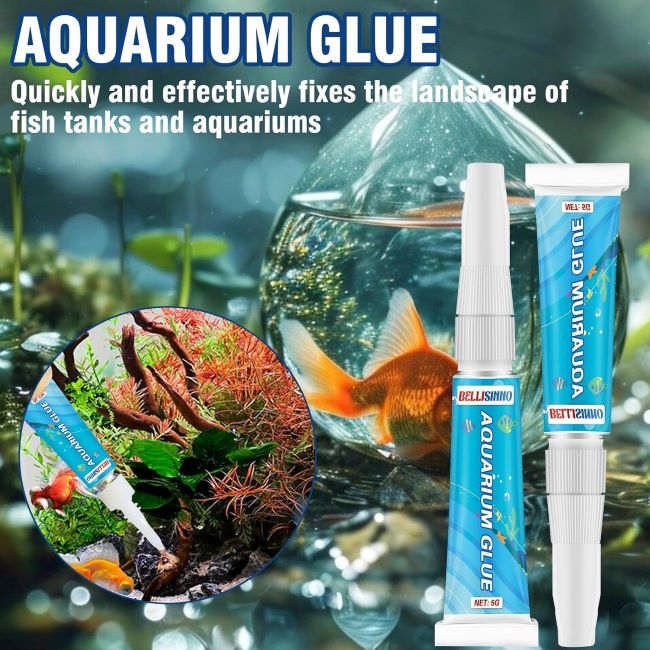
4. Bellisinno Aquarium Glue
Best for: General aquascaping Key Features:
- Clear, fast-setting gel
- Safe for freshwater and saltwater
- Comes in a convenient 2-pack
Pros & Cons Table:
| Pros | Cons |
|---|---|
| Strong bond for rocks and wood | Not ideal for large coral colonies |
| Affordable | Smaller quantity per tube |
| Easy to store | Can dry out if left open |
Real User Feedback: “Bellisinno holds my dragon stone scape together perfectly. No residue, no issues.” — Aquascape Addict Forum Member
5. Two Little Fishes Marine Reef Coral Putty
Best for: Heavy-duty coral mounting Key Features:
- Epoxy-based for maximum strength
- Can be molded and shaped
- Ideal for large frags and live rock

Pros & Cons Table:
| Pros | Cons |
|---|---|
| Extremely strong bond | Longer curing time (5-10 mins) |
| Reef-safe and non-toxic | Messier to apply than gels |
| Great for large projects | Higher price point |
Real User Feedback: “I used this putty to mount a massive acropora colony. It’s still holding strong after a year.” — Reef Central Member
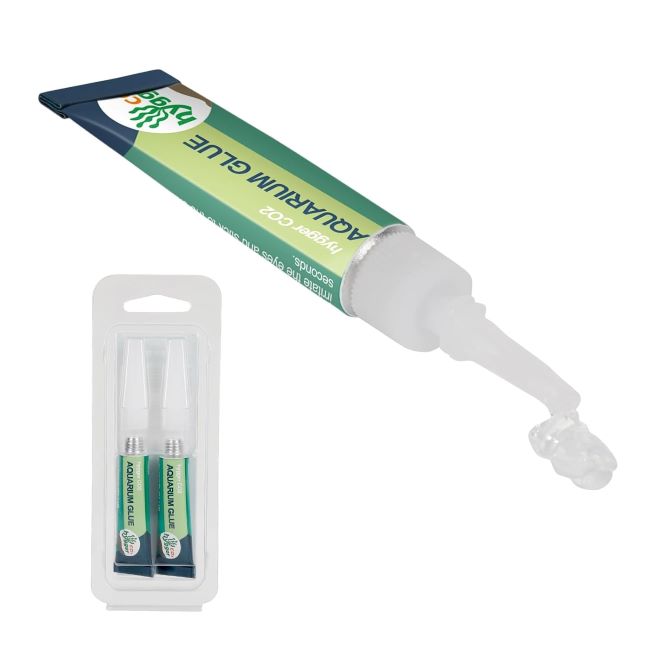
6. Hygger CO2 Aquarium Glue
Best for: Aquascaping with CO2 injection Key Features:
- Quick-drying and clear
- Safe for planted tanks
- Comes in a 2-pack
Pros & Cons Table:
| Pros | Cons |
|---|---|
| Works well with CO2 systems | Not for heavy coral frags |
| Affordable | Smaller tubes |
| Easy to apply | Limited saltwater use |
Real User Feedback: “Hygger’s glue keeps my moss attached even with high CO2 levels. No melting or residue.” — Planted Tank Forum Member
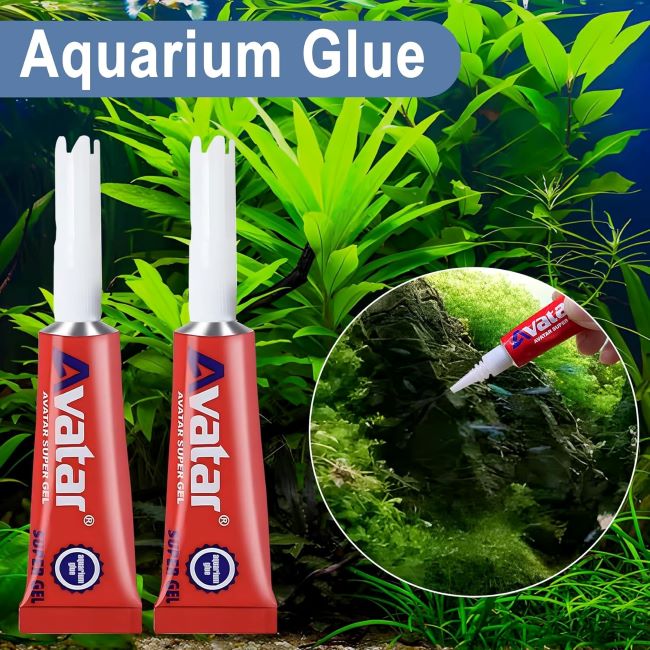
7. EIGTWEN Aquarium Glue
Best for: Multi-purpose aquarium use Key Features:
- 3-pack for extended use
- Safe for freshwater and saltwater
- Quick-drying formula
Pros & Cons Table:
| Pros | Cons |
|---|---|
| Great value (3 tubes) | Not as strong as epoxy |
| Versatile for plants and corals | Can be messy if overapplied |
| Fast curing time | Smaller tube size |
Real User Feedback: “EIGTWEN is my go-to for quick fixes. The 3-pack lasts me months.” — Nano-Reef Enthusiast
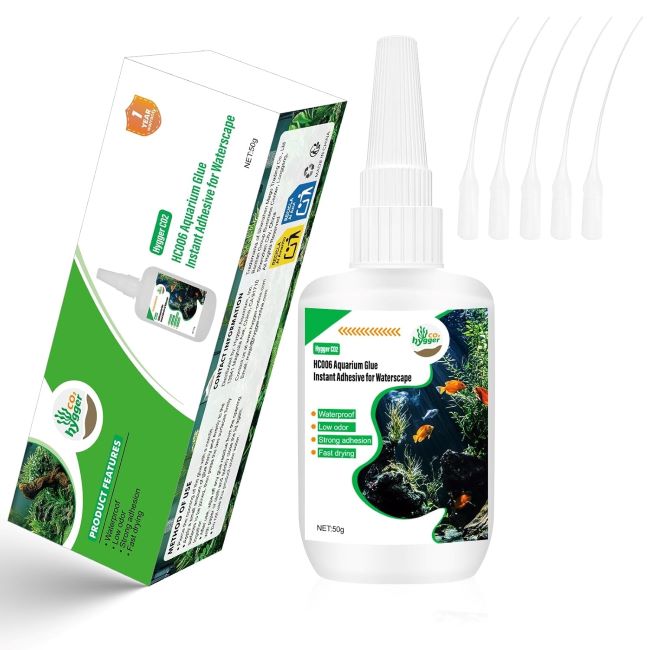
8. Hygger CO2 Special Liquid Glue
Best for: Driftwood and rockscapes Key Features:
- Liquid formula for easy application
- Bonds driftwood and rocks securely
- Not for plants or corals
Pros & Cons Table:
| Pros | Cons |
|---|---|
| Strong bond for wood and rocks | Cannot be used for corals |
| Dries clear | Limited application scope |
| Easy to apply | Requires careful handling |
Real User Feedback: “This glue is a game-changer for my spiderwood aquascape. Holds tight with no floating pieces.” — Aquascape World Member
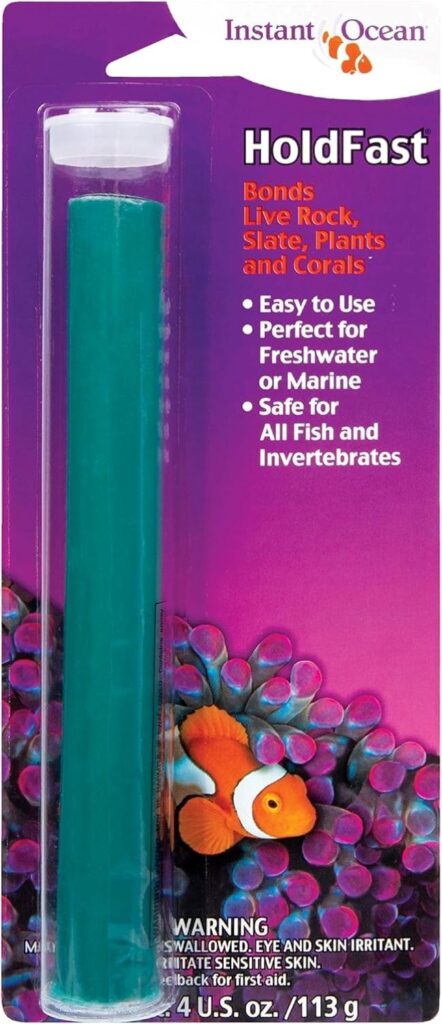
9. Instant Ocean HoldFast Epoxy Stick
Best for: Heavy-duty aquarium projects Key Features:
- Epoxy stick for molding and shaping
- Extremely strong bond
- Safe for reef tanks
Pros & Cons Table:
| Pros | Cons |
|---|---|
| Unmatched strength | Longer curing time |
| Versatile for large frags | Messier than gels |
| Reef-safe | Higher cost |
Real User Feedback: “I rebuilt my entire rockwork with HoldFast. It’s like underwater cement—nothing moves.” — Reef Builders Forum Member
Common Cleaning Tips for Aquarium Glue
- Prep the Surface: Always clean the area you’re gluing with a soft brush or algae scraper. Oils and debris weaken the bond.
- Use Less Glue: A pea-sized drop is often enough. Excess glue can cloud your water and create a mess.
- Store Properly: Keep glue tubes sealed tightly and store them in a cool, dry place. Exposure to air can cause premature drying.
- Work Quickly: Cyanoacrylate glues set fast. Have your frag or decor positioned before applying the glue.
- Avoid Skin Contact: Use gloves or a toothpick to apply glue. Cyanoacrylate bonds to skin instantly.
Maintenance and Troubleshooting Tips
- Glue Not Holding? Ensure surfaces are dry before application. Water weakens the bond.
- Cloudy Water After Gluing? Perform a small water change. Some glues release minor residues during curing.
- Glue Tube Clogged? Soak the tip in warm water for 10 seconds to clear blockages.
- Epoxy Too Sticky? Wet your fingers with tank water to smooth and shape the putty.
What Real People Say: Voices from the Community
“I switched to Seachem Reef Glue after losing a $50 acropora frag to cheap glue. Never looking back.” — ReefHacks Podcast Listener
“Two Little Fishes putty is my secret weapon. I’ve mounted entire rock walls with it.” — Aquarium Co-Op Forum Member
“1DFAUL’s glue is perfect for my budget setup. It’s not fancy, but it works.” — Reddit r/Aquariums User
Relevant FAQs
Q: Can I use regular super glue in my aquarium?
A: No. Regular super glue often contains additives that can harm fish and corals. Always use aquarium-safe cyanoacrylate or epoxy.
Q: How long does aquarium glue take to cure?
A: Cyanoacrylate gels cure in 30-60 seconds underwater. Epoxy putties take 5-10 minutes.
Q: Is aquarium glue safe for shrimp and snails?
A: Most reef-safe glues are inert once cured. However, avoid direct contact with invertebrates during application.
Q: Can I remove glue from my aquarium?
A: Yes. Use a razor blade or algae scraper to gently pry off cured glue. Avoid chemical removals.
Q: Does aquarium glue expire?
A: Yes. Cyanoacrylate glues last 12-18 months unopened. Epoxy putties can last up to 2 years if stored properly.
Final Thought: Is Aquarium Glue Worth It?
Absolutely. The right aquarium glue is an investment in the longevity of your tank. Whether you’re mounting a delicate coral frag or securing a sprawling aquascape, the products listed here offer reliability, safety, and ease of use. Seachem Reef Glue and Two Little Fishes Marine Reef Coral Putty stand out for their strength and versatility, while 1DFAUL and Hygger provide excellent budget-friendly options.
Related Topics: Sealing Small Tank Hairline Cracks: Quick Fix in Aquarium
Call to Action: Ready to upgrade your aquarium game? Pick the glue that fits your needs and start building with confidence. Share your experiences in the comments—what’s your go-to aquarium glue, and why?