Best Reef Salt for Aquarium Picks for Crystal Clear Water
Reef aquariums depend on stable water chemistry more than most hobbyists expect. A study published by the National Oceanic and Atmospheric Administration notes that coral health declines rapidly when salinity and mineral balance shift even slightly. Meanwhile, research from the University of Florida Extension highlights that consistent salt mix quality plays a direct role in coral growth and fish stress levels.
That reality makes reef salt one of the most important choices in any marine setup. The right mix supports stable alkalinity, trace elements, and clarity without constant adjustment. The wrong one often leads to cloudy water, algae swings, or slow coral recovery. This guide explores practical, real world experiences with several widely used reef salt for aquarium, including a full aquarium kit for beginners.
A Quick Overview of The Best Reef Salt for Aquarium Picks for Crystal Clear Water
Here are the standout reef salt for aquarium worth considering:
- Instant Ocean Reef Crystals Reef Salt For 50 Gallons
- Instant Ocean Reef Crystals Reef Salt For 160 Gallons
- Instant Ocean Aquarium Salt Nitrate and Phosphate Free Makes 50 Gallons
- Instant Ocean Reef Crystals Reef Salt Marine Salt Mix
- Red Sea Salt Mix For Marine Aquariums Makes 55 Gallons
- Instant Ocean Sea Salt Mix Makes 160 Gallons
- Instant Ocean Aquarium Salt Nitrate and Phosphate Free Marine Salt Mix
- Red Sea Salt Mix For Marine Aquariums Makes 175 Gallons
- Coralife BioCube Marine Aquarium Kit 32 Gallon
Best Reef Salt for Aquarium Picks for Crystal Clear Water of 2026
Each reef salt for aquarium below reflects different tank sizes, reef demands, and maintenance styles. The experiences focus on mixing behavior, water stability, and everyday usability.
Instant Ocean Reef Crystals Reef Salt For 50 Gallons
Compact reef mix for smaller tanks

This mix feels tailored for nano and mid sized reef tanks where consistency matters more than volume. The granules dissolve quickly with moderate circulation, usually producing clear water within a few hours. Many hobbyists appreciate the elevated calcium and trace minerals, which help soft corals and beginner LPS species maintain growth without heavy supplementation.
The smaller batch size makes it easy to measure accurately during weekly water changes. It suits hobbyists who run regular maintenance routines and prefer predictable mixing behavior. However, heavily stocked SPS tanks may still require targeted dosing to fine tune parameters.
Troubleshooting remains simple. Occasional residue in mixing containers usually disappears with better water flow or slower pouring. Storage in sealed containers helps prevent moisture clumping.
User Review
Rahim K.
I run a 20 gallon reef and found this salt reliable. It mixes clean and my corals open faster after water changes. The smaller box also helps avoid humidity issues.
Key Features
• Balanced mineral profile supports coral color and steady growth without heavy dosing
• 50 gallon yield size simplifies portion control during weekly water changes
• Fast dissolving crystals reduce waiting time before adding water to tank
• Added vitamins and trace elements help fish recover from minor stress events
• Beginner friendly mixing behavior lowers risk of cloudy batches
Pros and Cons
| Pros | Cons |
| Consistent mixing clarity | Limited for large tanks |
| Good trace element balance | Slight residue occasionally |
| Easy storage size | May need SPS dosing |
Instant Ocean Reef Crystals Reef Salt For 160 Gallons
High volume reef stability

This larger box suits reef keepers managing medium to large systems or multiple tanks. The formulation mirrors the smaller version but offers cost effective bulk mixing. Many users note stable alkalinity readings across repeated batches, which reduces daily parameter chasing.
It performs especially well for mixed reefs with moderate coral density. The crystals dissolve best with heated RO water and strong circulation. Large water change sessions benefit from the consistent chemistry across batches.
On the downside, the large packaging requires dry storage space. Beginners sometimes struggle with measuring large amounts accurately, so using a scale helps avoid salinity swings.
User Review
Sadia M.
I maintain two tanks and this box lasts months. Parameters stay stable and corals respond well after each change.
Key Features
• Large 160 gallon capacity supports frequent maintenance without constant repurchasing
• Enhanced calcium levels help sustain skeletal coral growth
• Reliable alkalinity stability reduces frequent parameter adjustments
• Bulk packaging convenience ideal for multi tank setups
• Compatible with automated mixing stations simplifies reef workflows
Pros and Cons
| Pros | Cons |
| Cost effective bulk option | Needs storage space |
| Stable repeated parameters | Measuring can be tricky |
| Good for mixing stations | Heavy packaging weight |
Instant Ocean Aquarium Salt Nitrate and Phosphate Free Makes 50 Gallons
Fish focused marine mix
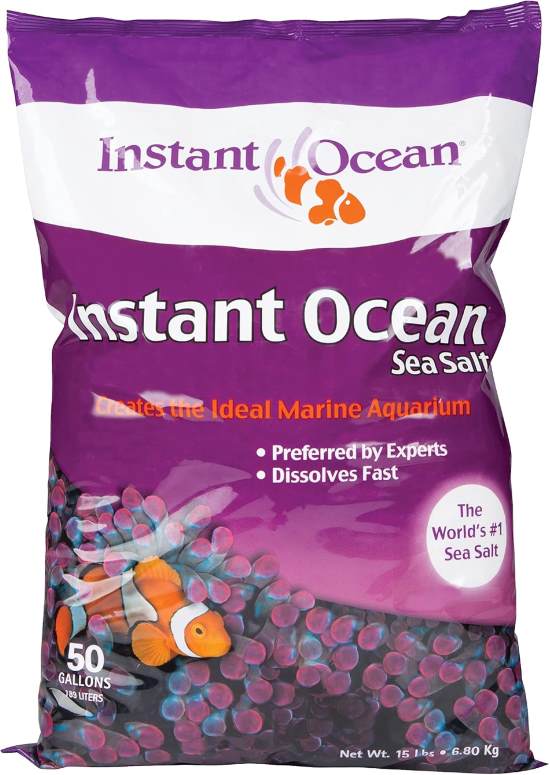
This mix targets fish only systems and quarantine tanks more than coral heavy reefs. The nitrate and phosphate free formulation helps keep nuisance algae under control, especially during new tank cycles. It dissolves quickly and produces clear water with minimal residue.
In real use, hobbyists often rely on it for hospital tanks, fish only displays, or emergency water preparation. Reef keepers may still use it in mixed systems but will likely supplement calcium and magnesium separately.
Maintenance remains straightforward. Regular stirring and warm RO water prevent minor precipitation. It may not suit coral dominated systems without additional additives.
User Review
Tanvir H.
I use this for quarantine tanks and it mixes fast. Water stays clear and fish show less stress after transfers.
Key Features
• Nitrate and phosphate free blend helps reduce early algae issues
• Quick dissolving granules enable fast emergency water preparation
• 50 gallon size works well for quarantine or backup mixing
• Stable salinity results support fish acclimation routines
• Flexible use across setups from fish only tanks to hospital systems
Pros and Cons
| Pros | Cons |
| Clean fish safe formulation | Limited coral mineral levels |
| Fast emergency mixing | Requires reef supplementation |
| Clear water appearance | Not ideal for SPS |
Instant Ocean Reef Crystals Reef Salt Marine Salt Mix
Widely used reef staple

This version often appears in larger buckets and serves as a staple in many reef setups. It delivers consistent chemistry and predictable mixing behavior, which explains its popularity among long term hobbyists. Corals typically respond with improved polyp extension after water changes.
The mix suits mixed reefs, frag tanks, and systems with moderate coral density. It dissolves best with strong water flow and benefits from overnight mixing to reach full clarity. Some users report slight film buildup in mixing containers, though it rarely affects tank performance.
User Review
Faisal R.
I have used this mix for years. Parameters stay predictable and corals recover quickly after changes.
Key Features
• Proven reef formulation trusted across diverse tank setups
• High trace element content supports coral coloration and health
• Flexible packaging options accommodate different maintenance routines
• Stable salinity consistency improves long term tank predictability
• Suitable for frag systems helps maintain coral recovery
Pros and Cons
| Pros | Cons |
| Long term proven reliability | Mixing film occasionally |
| Good coral response | Needs strong circulation |
| Flexible packaging sizes | Overnight mixing preferred |
Red Sea Salt Mix For Marine Aquariums Makes 55 Gallons
Natural evaporation derived mix

Red Sea salt stands out for its origin from natural seawater evaporation. Many hobbyists notice stable parameters that mirror ocean conditions, especially in fish only or soft coral systems. The mix dissolves cleanly with moderate agitation and produces a natural clarity.
It suits beginners exploring reef setups and aquarists who prefer balanced baseline chemistry without elevated mineral levels. However, SPS dominant tanks often need additional supplementation to reach aggressive growth targets.
User Review
Mithila S.
I switched to Red Sea for my soft coral tank and found water stability improved. Mixing feels clean and predictable.
Key Features
• Natural seawater base creates familiar ocean like chemistry
• Balanced baseline parameters support soft coral and fish health
• 55 gallon capacity fits routine water change schedules
• Clean dissolving texture reduces mixing residue concerns
• Reliable packaging quality maintains dryness during storage
Pros and Cons
| Pros | Cons |
| Natural mineral balance | Lower reef mineral levels |
| Clean mixing experience | May need SPS dosing |
| Beginner friendly chemistry | Smaller capacity volume |
Instant Ocean Sea Salt Mix Makes 160 Gallons
General purpose marine salt

This mix focuses on versatility rather than reef specific enrichment. It works well for fish only systems, live rock setups, and beginner marine aquariums. Mixing remains straightforward, usually reaching clarity within hours.
Reef keepers sometimes use it for water change blending or fish quarantine. Coral growth may require additional dosing, especially for demanding species. The large volume supports frequent maintenance routines across larger aquariums.
User Review
Javed A.
I run a fish only tank and this salt stays consistent. Mixing is easy and water stays clear.
Key Features
• General marine formulation suits fish only and beginner setups
• Large 160 gallon yield supports regular maintenance cycles
• Predictable salinity control simplifies water change routines
• Quick dissolving crystals reduce preparation time
• Versatile application range from quarantine to display tanks
Pros and Cons
| Pros | Cons |
| Reliable fish only performance | Limited coral support |
| Easy mixing routine | Requires reef additives |
| Large maintenance capacity | Basic mineral profile |
Instant Ocean Aquarium Salt Nitrate and Phosphate Free Marine Salt Mix
Flexible multi use marine salt

This version expands on the nitrate and phosphate free formula with broader packaging options. Hobbyists often rely on it for quarantine, cycling tanks, and fish focused displays. The mixing experience remains fast and predictable with clear results.
It suits aquarists who maintain backup water supplies or frequently set up temporary tanks. Coral keepers may find the mineral levels too basic for long term reef growth.
User Review
Nabila T.
I keep this salt for emergency mixing. It dissolves quickly and keeps fish stable during transfers.
Key Features
• Clean low nutrient formulation reduces algae risks in new tanks
• Flexible packaging sizes support varied maintenance routines
• Quick mixing response helpful for unexpected water changes
• Stable fish safe chemistry improves acclimation success
• Easy storage behavior resists clumping when sealed
Pros and Cons
| Pros | Cons |
| Good emergency salt option | Not reef focused |
| Low nutrient formulation | Requires mineral dosing |
| Quick clear mixing | Basic trace elements |
Red Sea Salt Mix For Marine Aquariums Makes 175 Gallons
Bulk natural salt solution
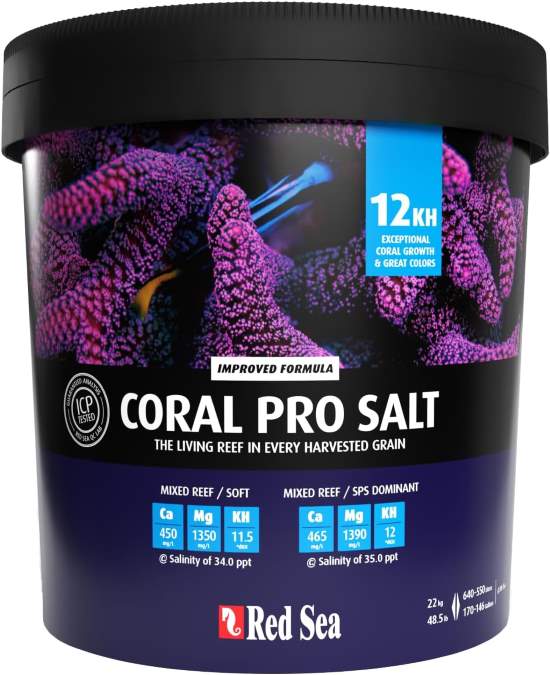
This large Red Sea box provides the same natural seawater chemistry but in bulk form. It suits large aquariums, public displays, and hobbyists running automated water change systems. Mixing remains smooth with minimal residue when proper circulation is used.
The balanced baseline chemistry helps maintain stable fish health and soft coral growth. Advanced reef keepers often pair it with targeted supplements for demanding coral species.
User Review
Mahmud P.
I run a 120 gallon system and appreciate the consistency of this salt. Mixing remains predictable across large batches.
Key Features
• Large 175 gallon capacity supports high volume water change routines
• Natural evaporation process creates ocean like parameter balance
• Stable baseline chemistry improves fish and soft coral resilience
• Bulk packaging durability protects salt from humidity exposure
• Compatible with mixing stations streamlines reef maintenance
Pros and Cons
| Pros | Cons |
| Natural chemistry consistency | Needs reef supplementation |
| Good for large tanks | Heavy storage container |
| Predictable mixing results | Moderate coral mineral levels |
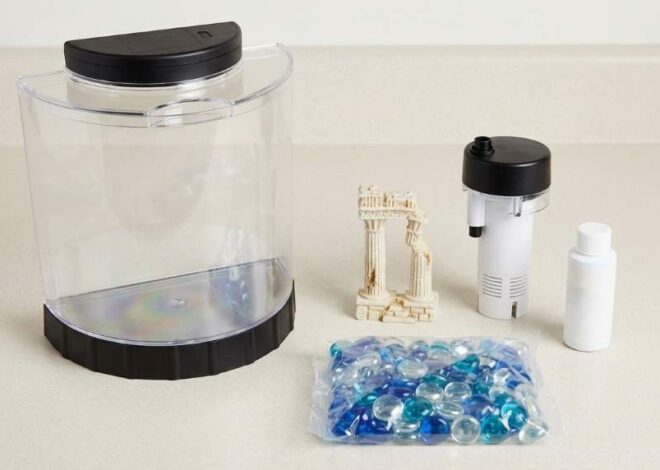
Coralife BioCube Marine Aquarium Kit 32 Gallon
All in one reef ready system
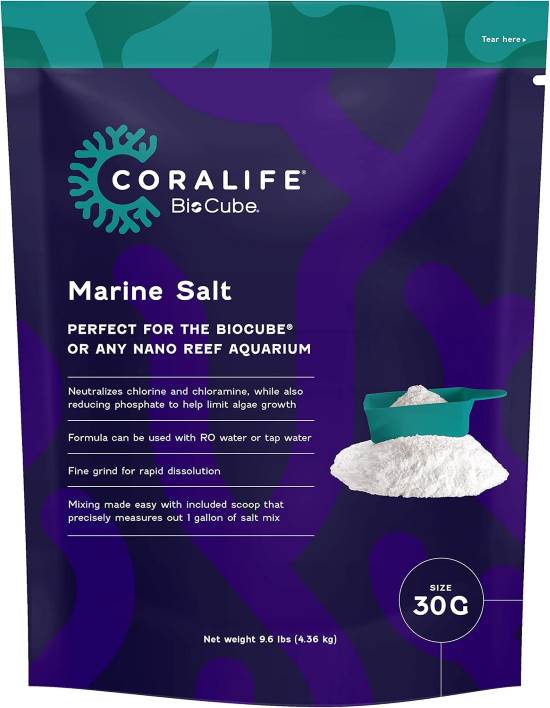
While not a salt mix, this aquarium kit often appears alongside reef salt purchases because it serves as a beginner friendly marine platform. The integrated filtration, lighting, and compact footprint make it approachable for new hobbyists exploring reef setups.
In daily use, the enclosed design simplifies maintenance and reduces evaporation swings. Pairing it with quality reef salt helps maintain stable parameters. The tank suits nano reef keepers, apartment dwellers, and hobbyists testing coral keeping for the first time.
However, experienced reef keepers may find the lighting and filtration limiting for advanced coral species. Upgrades often become necessary over time.
User Review
Arif C.
I started my reef journey with this tank. It feels simple to manage and pairs well with standard reef salts.
Key Features
• 32 gallon compact capacity fits small living spaces without sacrificing reef potential
• Integrated filtration system simplifies setup and reduces equipment clutter
• Built in lighting solution supports beginner coral species
• User friendly maintenance access makes cleaning routines easier
• Stable enclosed design minimizes evaporation swings
Pros and Cons
| Pros | Cons |
| Beginner friendly reef setup | Limited advanced lighting |
| Compact all in one design | Upgrade needs over time |
| Easy maintenance workflow | Space constraints for equipment |
The Best Reef Salt for Aquarium Buying Guide
What Actually Matters Before Choosing
Core performance factors
Salt mixes differ in alkalinity, calcium, and magnesium levels. These parameters directly affect coral skeleton formation and fish stress tolerance. Many buyers assume all salts create identical seawater, yet minor variations influence coral growth speed and algae stability. Choosing a mix aligned with tank goals reduces constant dosing and parameter swings.
Material quality and long term durability
The purity of raw salt and trace elements affects long term tank health. Lower quality mixes sometimes introduce impurities that fuel algae blooms. Buyers often overlook manufacturing consistency, but stable production batches improve predictable water chemistry and reduce troubleshooting over months of use.
Usability considerations
Mixing behavior shapes everyday experience. Fast dissolving salts shorten preparation time and lower the risk of cloudy water. Hobbyists sometimes focus only on chemistry and ignore mixing convenience, yet difficult mixing routines often lead to rushed water changes and inconsistent maintenance habits.
Maintenance demands
Different salts require different supplementation strategies. Reef enriched mixes may reduce dosing, while basic marine salts need added calcium or magnesium. Buyers frequently misunderstand this trade off and blame salt quality rather than supplementation gaps. Understanding maintenance expectations leads to smoother long term ownership.
Environmental compatibility
Tank type, coral density, and filtration method influence salt choice. High nutrient systems may benefit from low phosphate formulas, while SPS heavy reefs often require enriched mineral blends. Matching salt chemistry to tank conditions prevents unnecessary parameter adjustments.
Safety considerations
Stable salinity and impurity control protect fish from osmotic stress. Sudden salinity shifts during water changes can weaken immune response. Buyers sometimes underestimate the need for accurate mixing measurements, yet consistent salinity remains one of the strongest predictors of fish health.
Related:
Sumpless Saltwater Aquariums: Benefits & Drawbacks You Need to Know
Affordable Best Reef Aquarium Test Kit That Delivers Results
Common Buyer Mistakes
Many hobbyists assume the most expensive salt guarantees better coral growth. In practice, tank stability and maintenance routine matter more than brand prestige. Evaluating chemistry targets and mixing consistency produces better results.
Another common mistake involves ignoring storage conditions. Salt exposed to humidity clumps and alters mineral distribution, which leads to inconsistent batches. Airtight containers maintain predictable chemistry.
Some buyers switch salts frequently hoping to fix tank issues. This approach often causes parameter swings that stress corals. Gradual transitions and consistent routines typically produce better outcomes.
A frequent misunderstanding centers on mixing time. Hobbyists sometimes add freshly mixed water immediately, which can introduce unstable chemistry. Allowing proper mixing and aeration stabilizes parameters before use.
Many beginners also overlook testing. Assuming label values match tank readings leads to hidden imbalances. Regular alkalinity and calcium testing confirms whether supplementation remains necessary.
How to Match Products to Specific Needs
Casual hobbyists with fish only tanks often benefit from general marine salts. These mixes simplify maintenance and reduce unnecessary supplementation. The focus remains on stable salinity and clear water rather than aggressive coral growth.
Mixed reef keepers typically prefer enriched reef salts that balance calcium and trace elements. These formulas support coral health while keeping dosing manageable. They work well for hobbyists who maintain weekly water change schedules.
Nano reef owners need smaller packaging and predictable mixing behavior. Compact salt boxes reduce waste and make measurement easier during frequent water changes.
Budget conscious aquarists managing large systems may prioritize bulk packaging. Larger boxes lower per batch effort and integrate smoothly with automated mixing stations.
Advanced reef keepers running SPS dominant tanks often evaluate parameter targets rather than brand alone. They choose salts that align with dosing strategies and reactor setups, focusing on consistency across batches.
Conclusion
Reef salt shapes nearly every aspect of marine aquarium stability, from coral growth to fish resilience. Some mixes prioritize enriched minerals for reef systems, while others focus on clean baseline chemistry for fish only setups. Bulk packaging benefits large tanks, whereas smaller boxes simplify nano reef maintenance.
Choosing the right reef salt for aquarium depends on tank size, coral density, and how much supplementation you are comfortable managing. Consistency often matters more than brand switching. Evaluate mixing behavior, parameter targets, and maintenance expectations before settling on a routine.
With the right salt and steady maintenance habits, achieving clear water and stable reef conditions becomes far more predictable.
FAQs
How often should reef salt be used for water changes
Most reef tanks benefit from weekly or biweekly water changes depending on stocking levels.
Can fish only tanks use reef salt
Yes, though general marine salt often provides sufficient mineral levels for fish only setups.
Why does salt mix sometimes leave residue
Residue usually comes from precipitation during mixing and improves with better circulation.
Should reef salt be mixed overnight
Allowing several hours or overnight mixing helps stabilize chemistry before use.
Does reef salt expire
Salt remains usable long term when stored dry and sealed from humidity.