

Best Aquarium Floating Plants: Top Picks for a Vibrant Tank
Imagine peering into your aquarium and seeing a lush, green canopy swaying gently on the water’s surface, providing shade, oxygen, and a natural hideout for your fish. Floating aquarium plants can transform your tank into a thriving aquatic ecosystem, blending beauty with function. Whether you’re a beginner aquarist or a seasoned aquascaper, these plants offer a low-maintenance way to enhance water quality, control algae, and create a stunning aquascape. In this guide, we’ll explore the best floating aquarium plants, review top products, weigh their pros and cons, and answer common questions to help you choose the perfect plants for your tank.
Why Choose Floating Aquarium Plants?
Floating plants are a game-changer for any aquarium. Unlike rooted plants, they require no substrate, making them easy to add to any tank setup. They absorb nutrients directly from the water column, acting as a biological filter to reduce nitrates and fish waste. This helps maintain water quality and curb algae growth. Their roots provide shelter for fish fry and shy species like bettas, while their leaves create shade, mimicking natural habitats. Plus, their aesthetic appeal—think vibrant lily pads or delicate aquatic ferns—adds a wild, natural vibe to your tank.
However, floating plants aren’t without challenges. Their fast growth can overtake a tank if not managed, potentially blocking light for submerged plants or clogging filters. Some species, like duckweed, are notoriously hard to remove once established. Understanding their care needs, such as lighting and nutrient levels, is key to keeping them thriving without overwhelming your aquatic ecosystem.
Top Floating Aquarium Plants: In-Depth Product Reviews
Below, we dive into detailed reviews of top-rated floating aquarium plants and a related accessory, assessing their features, benefits, and drawbacks based on user feedback and product specifications.
Red Root Floater (Phyllanthus Fluitans) by Aquarigram
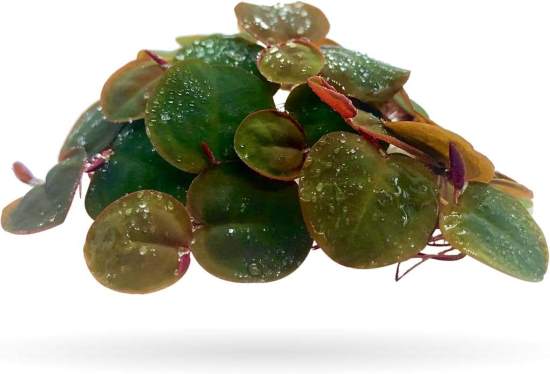
Red Root Floaters are a striking addition to any aquarium, known for their vivid red roots and small, round leaves that turn reddish under intense light. Native to South American rivers, these plants are perfect for aquarists seeking both beauty and function. They thrive in moderate to high lighting (8–12 hours daily) and benefit from nutrient-rich water, making them ideal for tanks with fish producing ammonia. Their rapid growth helps control nutrient levels, reducing algae and improving water quality.
Pros:
- Vibrant red roots add unique color to aquascapes.
- Fast growth absorbs excess nitrates, aiding water filtration.
- Provides excellent cover for fish fry and shrimp.
- Adapts well to high-humidity tanks with lids.
Cons:
- Requires strong lighting to maintain red coloration.
- Can grow too quickly, needing regular pruning.
- Sensitive to low iron levels, which may cause yellowing.
Best For: Aquarists with well-lit tanks looking for a colorful, low-maintenance floater that enhances water quality.
Amazon Frogbit and Water Spangles Combo by Aquatic Discounts
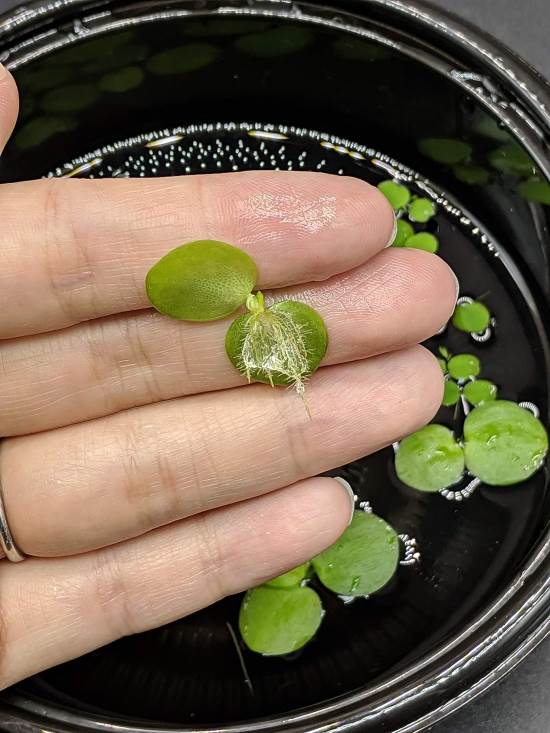
This combo pack includes Amazon Frogbit (Limnobium laevigatum) and Water Spangles (Salvinia minima), offering variety for aquarists wanting diverse floating plants. Amazon Frogbit features broad, clover-like leaves and short roots, providing shade without crowding fish. Water Spangles have tiny, textured leaves with long roots, ideal for nutrient control. Both are beginner-friendly, thriving in moderate light and slow-moving water, making them suitable for betta fish tanks or small aquariums.
Pros:
- Two species in one pack add visual variety.
- Easy to maintain, perfect for beginners.
- Effective at reducing nitrates and preventing algae blooms.
- Short roots of Frogbit minimize interference with fish.
Cons:
- Water Spangles’ long roots may tangle in deeper tanks.
- Can block light for submerged plants if not trimmed.
- Some users report small plant sizes upon delivery.
Best For: Beginners or aquarists with small tanks seeking low-maintenance, nutrient-absorbing floaters.
30 Red Root Floater (Phyllanthus Fluitans) by Greenpro
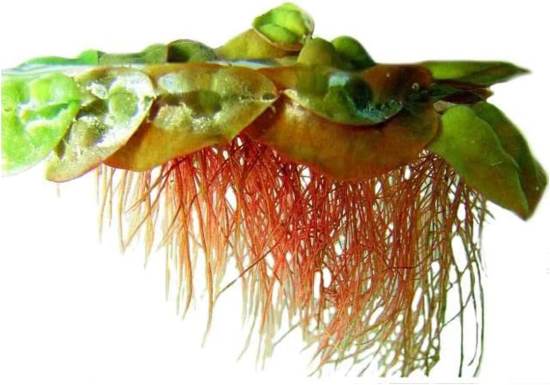
This generous portion of Red Root Floaters offers a robust start for aquarists looking to cover their tank’s surface. These plants excel in high-light environments, where their leaves and roots develop a deep red hue, adding a dramatic flair to aquascapes. They’re excellent for nutrient control, absorbing excess nitrates and phosphates, and their dense root systems provide a haven for shrimp and fish fry. Regular pruning is needed to manage their fast growth.
Pros:
- Large quantity ensures quick surface coverage.
- Deep red roots create a stunning visual effect.
- Improves water quality by absorbing nutrients.
- Ideal for shrimp tanks due to dense roots.
Cons:
- High light requirements may not suit all setups.
- Rapid growth demands frequent maintenance.
- May arrive with some yellowing from shipping stress.
Best For: Experienced aquarists with high-light tanks wanting a vibrant, nutrient-absorbing plant.
HOZOE Floating Plant Holder
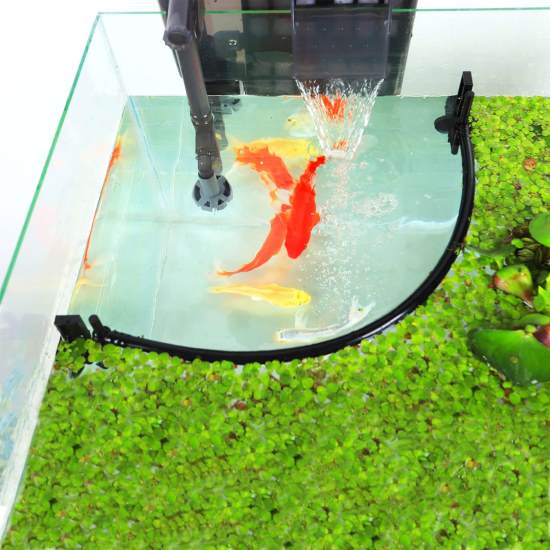
The HOZOE Floating Plant Holder is an adjustable, frameless accessory designed to contain floating plants like Water Lettuce or Amazon Frogbit, preventing them from clogging filters or scattering in high-flow tanks. Made of durable plastic, it floats on the water’s surface and allows roots to hang freely, maintaining the plants’ natural function while keeping them organized. It’s especially useful for tanks with sponge filters or strong currents.
Pros:
- Keeps floaters contained, reducing filter clogs.
- Adjustable design fits various tank sizes.
- Allows natural root growth for nutrient absorption.
- Enhances tank organization and aesthetics.
Cons:
- Not a plant, so it doesn’t contribute to water quality.
- May not hold very small plants like duckweed effectively.
- Adds an artificial element to natural aquascapes.
Best For: Aquarists with high-flow tanks needing to manage floating plants.
Amazon Frogbit (Limnobium Laevigatum) by Aquarigram
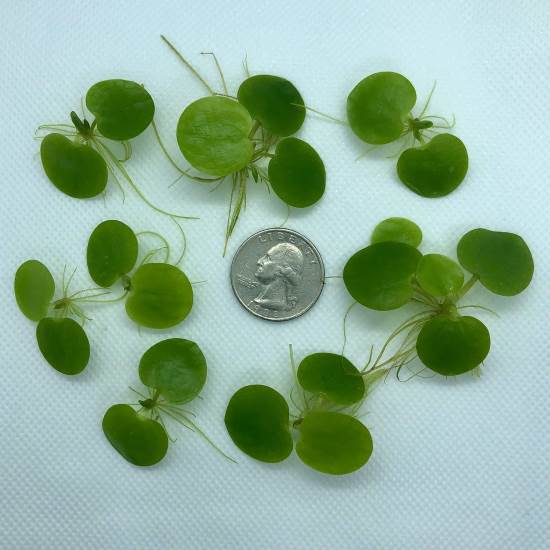
Another excellent Amazon Frogbit option, this product from Aquarigram includes healthy plants with 18+ leaves, ensuring quick establishment in your tank. Its broad leaves provide ample shade, making it a favorite for betta fish and other species that prefer dim lighting. The plant’s moderate growth and easy propagation make it a low-maintenance choice for aquarists of all levels, while its nutrient uptake helps maintain a clean water column.
Pros:
- Healthy, mature plants for immediate impact.
- Provides shade and shelter for fish.
- Easy to propagate and maintain.
- Effective at controlling algae through nutrient absorption.
Cons:
- May not thrive in low-light or high-flow conditions.
- Requires regular thinning to avoid overcrowding.
- Some users report minor shipping stress.
Best For: Aquarists wanting a reliable, attractive floater for betta or fry tanks.
Marineland Bamboo for Aquariums and Terrariums
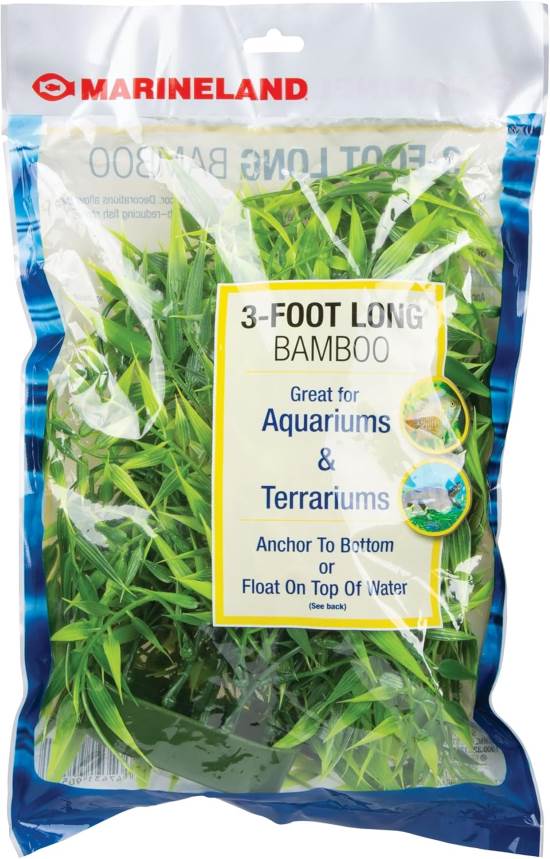
While not a live plant, Marineland Bamboo offers a floating alternative for aquarists seeking low-maintenance decor. This 3-foot artificial bamboo floats on the water’s surface, providing shade and hiding spots similar to live floaters. It’s ideal for tanks where live plants are impractical, such as those with low light or herbivorous fish that eat plants. Easy to clean and durable, it’s a hassle-free option for aesthetic appeal.
Pros:
- No maintenance or lighting requirements.
- Durable and reusable, unlike live plants.
- Provides shade and cover for fish.
- Ideal for tanks with plant-eating fish.
Cons:
- Lacks biological benefits like nutrient control.
- Artificial look may not suit natural aquascapes.
- Limited to decorative function only.
Best For: Beginners or aquarists with low-light tanks or plant-eating fish.
Benefits of Floating Aquarium Plants
Floating plants bring a host of advantages to your tank, making them a must-have for any aquarist:
- Water Quality Improvement: Plants like Red Root Floaters and Amazon Frogbit act as natural filters, absorbing nitrates and phosphates from fish waste, reducing the need for frequent water changes.
- Algae Control: By consuming nutrients and blocking light, floaters like Water Spangles prevent algae blooms, keeping your tank clear.
- Shelter and Safety: Dense roots from plants like Water Lettuce offer hiding spots for fish fry and shy species, reducing stress.
- Aesthetic Appeal: From the lily pad-like leaves of Amazon Frogbit to the red hues of Phyllanthus Fluitans, these plants create a natural, vibrant look.
- Oxygenation: Floaters oxygenate the water, supporting a healthy aquatic ecosystem.
- Low Maintenance: No substrate or CO2 injection needed, making them beginner-friendly.
Challenges of Floating Aquarium Plants
Despite their benefits, floating plants come with some drawbacks:
- Rapid Growth: Species like duckweed and Water Sprite can cover the tank surface, blocking light and crowding fish.
- Filter Clogs: Small plants like Azolla Filiculoides may get sucked into filters, requiring regular cleaning.
- Light Competition: Dense floaters like Water Hyacinth can starve submerged plants of light, affecting their growth.
- Invasive Potential: Some plants, like Water Lettuce, are restricted in certain areas due to their invasive nature.
- Maintenance Needs: Fast growers like Salvinia Minima require frequent pruning to prevent overgrowth.
Care Tips for Floating Aquarium Plants
To keep your floating plants thriving, follow these tips:
- Lighting: Provide 8–12 hours of moderate to high light for most floaters. Red Root Floaters need intense light for vibrant color.
- Nutrient Levels: Use liquid fertilizers if your tank lacks fish to provide ammonia or nitrates. Monitor water parameters to avoid nutrient deficiencies.
- Pruning: Regularly trim excess growth to prevent overcrowding and ensure light reaches submerged plants.
- Water Flow: Most floaters, like Amazon Frogbit, prefer slow-moving water. Use a floating planter like the HOZOE holder in high-flow tanks.
- Quarantine: Quarantine new plants for two weeks to prevent pests or diseases from entering your tank.
- Temperature: Maintain water temperature between 68–82°F for most species, such as Water Wisteria or Ceratopteris thalicroides.
Choosing the Right Floating Plants for Your Tank
Selecting the best floating plants depends on your tank’s conditions and goals:
- For Beginners: Amazon Frogbit, Water Lettuce, and Java Moss are low-maintenance and thrive in various conditions.
- For Color: Red Root Floaters and Azolla Caroliniana offer vibrant red hues under high light.
- For Small Tanks: Duckweed or Salvinia Cucullata are ideal due to their tiny size and fast growth.
- For Shrimp or Fry: Plants with dense roots, like Water Sprite or Floating Christmas Moss, provide excellent cover.
- For Algae Control: Water Spangles and Water Fern excel at nutrient uptake, keeping algae at bay.
- For Aesthetics: Ludwigia Sedioides or Nymphoides Aquatica create a stunning, lily pad-like effect.
Floating Plants and Aquascaping
Floating plants are a favorite among aquascapers, including the legendary Takashi Amano, for their ability to create a natural, jungle-like look. They add depth and texture, especially when paired with mid-ground and background plants like Amazon Sword or Anubias. For a balanced aquascape, combine floaters with emergent plants or attachable species like Riccia Fluitans on driftwood. Use a floating planter to keep plants organized and enhance the visual flow.
Environmental Impact and Pond Ecology
Floating plants aren’t just for aquariums—they play a vital role in pond ecology. Species like Water Hyacinth and Water Lily stabilize pond bottoms by reducing nutrient runoff, while their roots support microbial life. However, their invasive nature means they must be managed carefully to avoid disrupting local ecosystems. Always check local regulations before adding plants like Azolla Filiculoides to outdoor ponds.
FAQs
Why Do My Floating Plants Keep Dying?
Floating plants may die due to insufficient light, nutrient deficiencies, or poor water parameters. Ensure 8–12 hours of moderate to high light, add liquid fertilizer if needed, and maintain stable water temperature (68–82°F). Quarantine new plants to avoid pests.
Can Floating Plants Grow in Low-Light Tanks?
Some floaters, like Java Moss and Water Sprite, tolerate low light, but most, like Red Root Floaters, need moderate to high light to thrive. Consider artificial bamboo or low-light plants for dim setups.
How Do I Prevent Floating Plants from Clogging My Filter?
Use a floating plant holder, like the HOZOE model, to contain plants like duckweed or Salvinia Natans. Regularly clean filters and reduce water flow to minimize plant debris.
Are Floating Plants Safe for All Fish?
Most floating plants are safe, providing shelter for fish like bettas or fry. However, herbivorous fish may eat plants like duckweed. Use artificial options like Marineland Bamboo for such tanks.
How Can I Control the Growth of Floating Plants?
Regularly prune excess growth and remove runners to prevent overcrowding. Use a floating planter to isolate plants like Water Lettuce or Ceratopteris Cornuta, ensuring they don’t block light or space.
Conclusion
Floating aquarium plants like Amazon Frogbit, Red Root Floaters, and Water Spangles are more than just decor—they’re natural filters, oxygenators, and shelters that elevate your tank’s health and beauty. Whether you’re aiming for a vibrant aquascape or a safe haven for fish fry, these plants offer unmatched benefits with minimal effort. Choose the right species for your tank’s lighting, size, and fish, and don’t forget accessories like the HOZOE Floating Plant Holder to keep things tidy.
Ready to transform your aquarium? Pick one of the reviewed plants, like the Aquarigram Red Root Floater or Aquarium Plant Center’s Amazon Frogbit, and start building your dream aquascape today! Share your favorite floating plants or ask for care tips in the comments below—we’d love to hear about your tank!