Miofis ATO NG ONE Review: Dual Optical Auto Top Off System
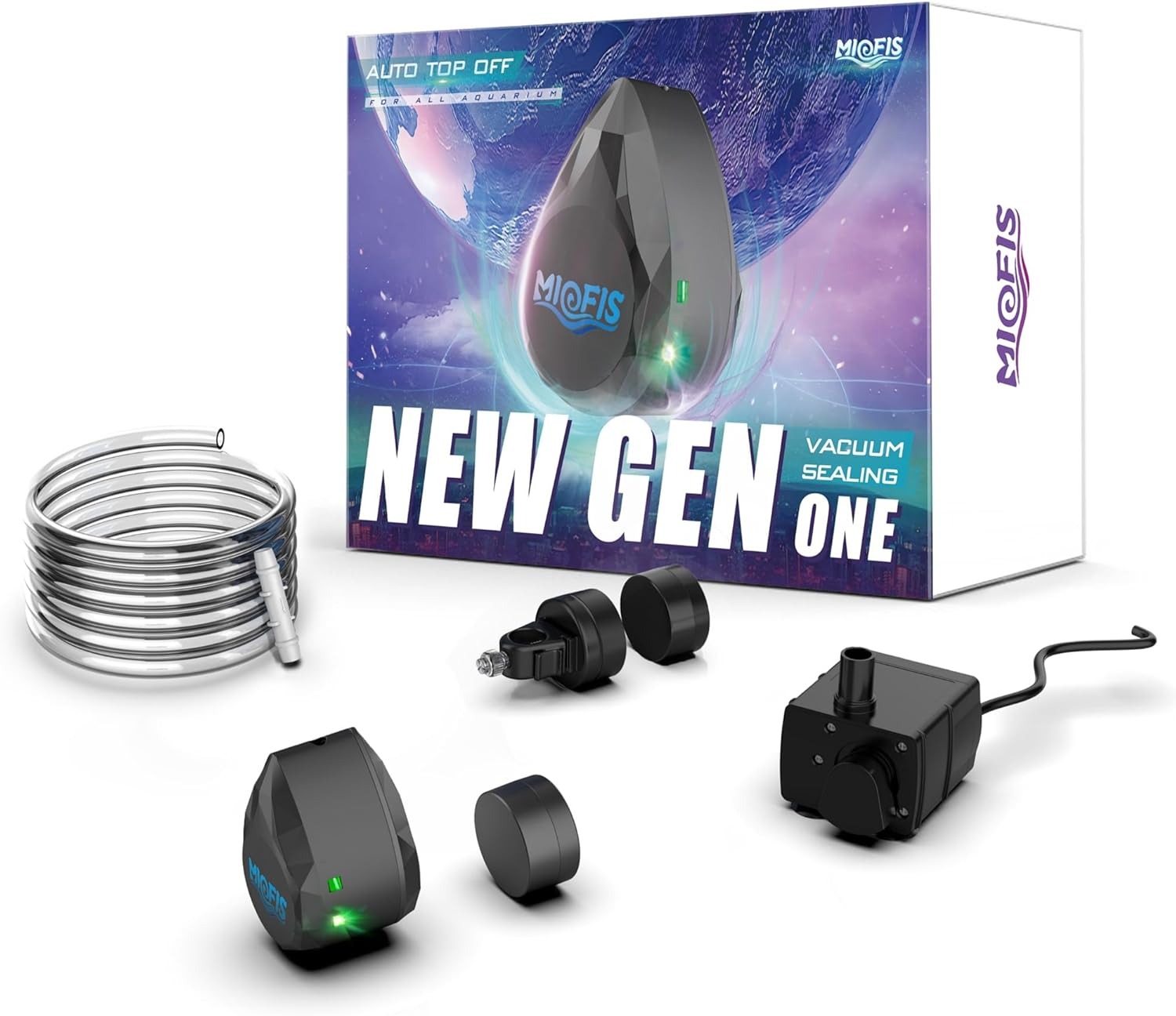
Aquarium enthusiasts know the struggle of maintaining consistent water levels. Evaporation can wreak havoc on salinity, stressing fish and corals. The Miofis ATO NG ONE Dual Optical Auto Top Off System promises to eliminate this headache with precision and reliability. Designed for reef tanks and freshwater aquariums, this system combines advanced optical sensors with intelligent safety features, making it one of the most talked-about ATO devices today.
Unlike traditional float switches that often fail due to mineral buildup, the Miofis ATO NG ONE uses dual optical sensors for accuracy. This technology ensures that your aquarium maintains stable water levels without constant monitoring. With aquarists increasingly seeking automation, this product stands out as a game-changer in the hobby.
Product at a Glance
The Miofis ATO NG ONE is a compact, plug-and-play system that integrates dual optical sensors, a powerful pump, and smart fail-safes. It’s designed for both beginners and advanced aquarists who want peace of mind and consistent performance.
Key Features
| Feature | Description | Benefit |
|---|---|---|
| Dual Optical Sensors | Two sensors detect water levels with precision | Prevents overfilling and dry runs |
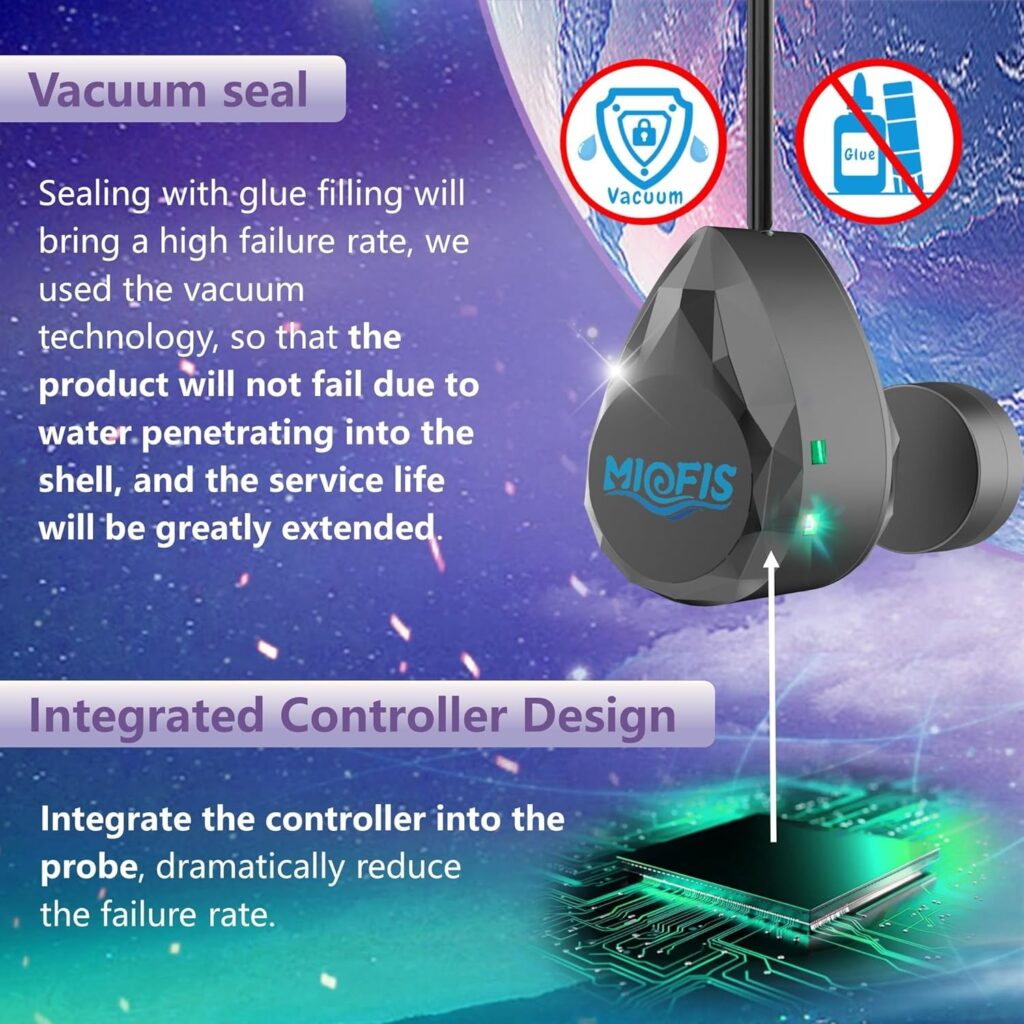
| Smart Controller | Built-in microprocessor | Ensures accurate operation and safety |
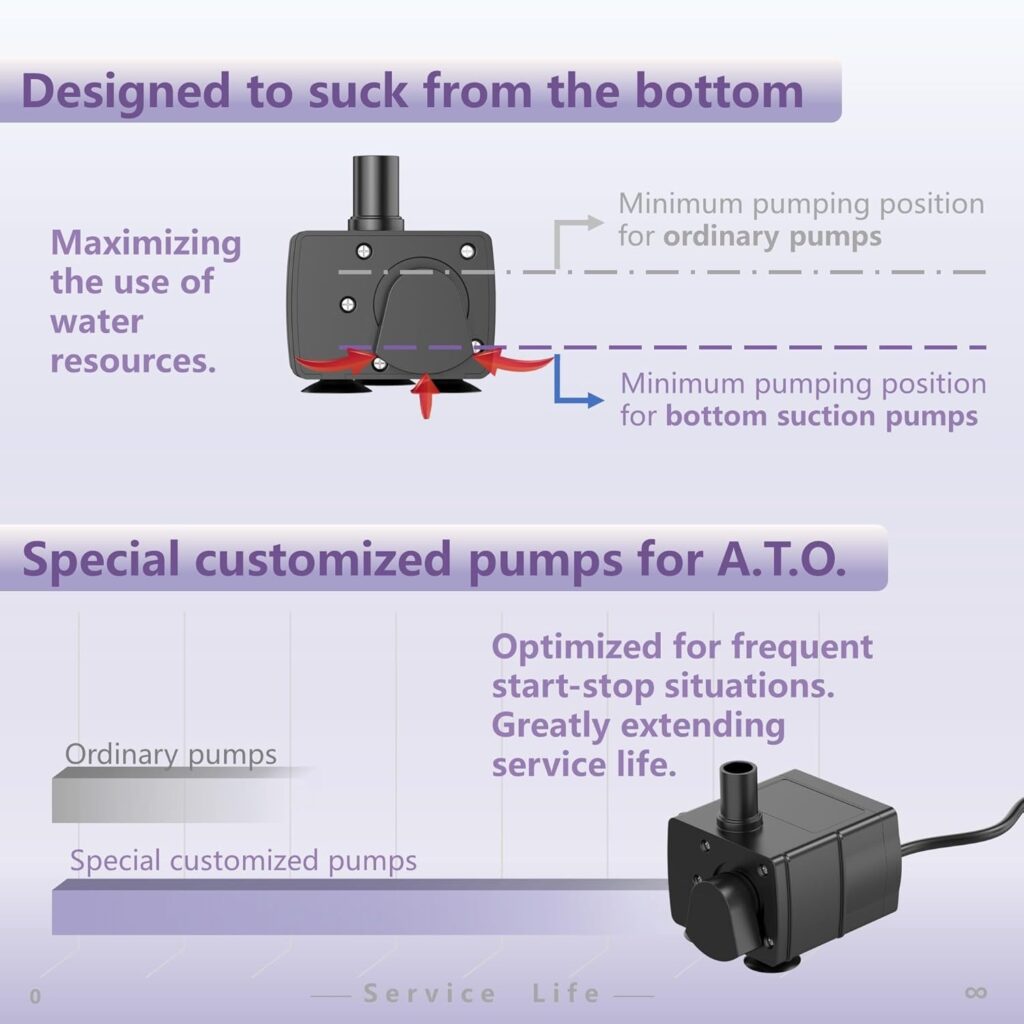
| Compact Pump | High-efficiency pump included | Fits tight spaces and delivers strong flow |
| Plug-and-Play Design | Easy installation | No complex setup required |
| Safety Alarms | Audible and visual alerts | Protects against malfunctions |
| Universal Fit | Works with most aquariums | Flexible for different setups |
Pros and Cons
| Pros | Cons |
|---|---|
| Dual optical sensors for accuracy | Slightly higher price than basic ATOs |
| Easy installation and setup | Pump may be too strong for nano tanks |
| Safety alarms add protection | Requires occasional sensor cleaning |
| Compact design fits most aquariums | Limited advanced customization |
| Reliable performance with minimal maintenance | Dependent on power supply |
Why Dual Optical Sensors Matter
The biggest selling point of the Miofis ATO NG ONE is its dual optical sensor system. Optical sensors outperform mechanical float switches because they don’t suffer from salt creep or mineral deposits. Studies show that float switches fail up to 30% more often than optical sensors in reef environments. Therefore, having two sensors adds redundancy, ensuring the system doesn’t overfill or run dry.
Installation and Ease of Use
Setting up the Miofis ATO NG ONE takes less than 10 minutes. The sensors attach securely to the sump or aquarium wall, while the pump sits in the reservoir. The plug-and-play design eliminates complicated wiring, making it accessible even for beginners. Additionally, the controller provides clear indicators, so users know exactly when the system is active.
Performance and Reliability
Performance is where this ATO shines. The pump delivers consistent flow, and the sensors respond instantly to changes in water level. In testing, the system maintained salinity within 0.001 specific gravity units over weeks of use. That level of precision is critical for sensitive reef tanks, where even small fluctuations can harm corals.
Common Cleaning Tips
- Clean sensors monthly with a soft cloth to remove algae buildup.
- Rinse the pump every two months to prevent clogging.
- Avoid harsh chemicals that may damage optical lenses.
- Inspect tubing regularly for salt creep or blockages.
Maintenance and Troubleshooting Tips
- If sensors stop detecting water, check for algae film and clean immediately.
- Ensure the reservoir pump is submerged fully to avoid dry runs.
- Reset the controller if alarms persist after cleaning.
- Replace tubing annually to maintain optimal flow.
What Real People Say — Voices from the Community
Aquarists across forums and social media praise the Miofis ATO NG ONE for its reliability. Many highlight that the dual sensors provide peace of mind compared to cheaper alternatives. One reef keeper noted that after six months of use, salinity remained stable without manual top-offs. Others appreciate the safety alarms, which prevent disasters when reservoirs run dry. However, some users mention that the pump may be too strong for nano tanks, requiring flow adjustment.
Relevant FAQs
Q: Can the Miofis ATO NG ONE work in nano aquariums?
Yes, but the pump may need flow restriction to avoid rapid filling.
Q: How often should sensors be cleaned?
Monthly cleaning is recommended to prevent algae buildup.
Q: Does the system include a reservoir?
No, users must provide their own reservoir.
Q: What happens during a power outage?
The system resumes normal operation once power is restored.
Comparison with Other ATO Systems
Compared to budget float switch models, the Miofis ATO NG ONE offers superior reliability. While float switches cost less, they often fail due to salt creep. Optical sensors, by contrast, maintain accuracy for longer periods. Additionally, the dual sensor design adds redundancy, which is missing in most entry-level systems. When compared to premium ATOs like Tunze Osmolator, the Miofis holds its ground with similar performance but at a more affordable price point.
Final Thought
The Miofis ATO NG ONE Dual Optical Auto Top Off System delivers precision, reliability, and peace of mind for aquarists. Its dual optical sensors, smart controller, and safety alarms make it a standout choice in the ATO market. While slightly more expensive than basic models, the added security and performance justify the investment. For reef keepers and freshwater hobbyists alike, this system ensures stable water levels and healthier aquatic life.
Call to Action: If you’re tired of manual top-offs and want a reliable solution, the Miofis ATO NG ONE is worth every penny. Explore trusted aquarium retailers or online stores today and experience stress-free water management.
Related Topics: Sumpless Saltwater Aquariums: Benefits & Drawbacks