Walstad Method vs High-Tech Planted Tank: A Natural vs Tech-Driven Tale
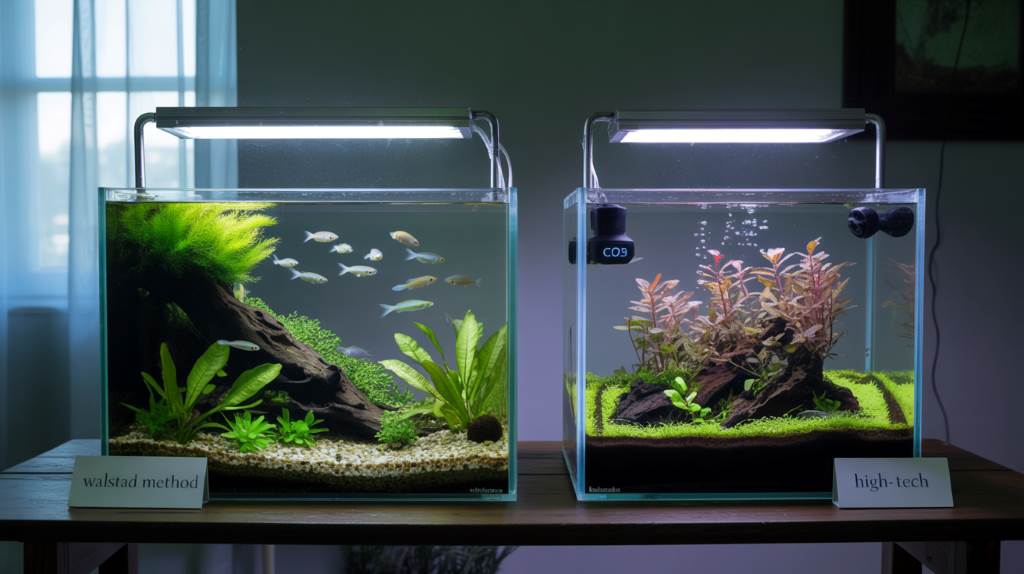
Imagine standing before a shimmering aquarium, lush with vibrant plants swaying gently in crystal-clear water. You’re captivated, wondering how to recreate this serene ecosystem at home. Should you embrace the natural simplicity of the Walstad method or dive into the precision of a high-tech planted tank? Both approaches promise stunning aquatic landscapes, but they differ vastly in philosophy, setup, and care. The Walstad method, pioneered by Diana Walstad, mimics nature’s balance with minimal equipment, while high-tech tanks rely on advanced technology for optimal plant growth. This blog post explores these two worlds, weaving a story of my own aquarium journey to help you decide which path suits your vision. Whether you’re a beginner or seasoned aquarist, join me to uncover the pros, cons, and magic of these planted tank methods.
Understanding the Walstad Method: Nature’s Aquarium Blueprint
The Walstad method, introduced by Diana Walstad in her book Ecology of the Planted Aquarium, is a low-tech approach to creating a self-sustaining aquatic ecosystem. It relies on organic soil, capped with gravel or sand, to nourish plants, which in turn filter water for fish. This method minimizes equipment, often skipping filters and CO2 injection, letting nature do the work. I tried this approach in my 20-gallon tank, layering potting soil with sand and planting Java fern. The result? A thriving mini-ecosystem with minimal upkeep.
This method shines for beginners due to its simplicity and low cost. According to a 2021 study by the Aquatic Gardeners Association, 68% of Walstad tank owners reported less than 10 hours of annual maintenance. However, it requires careful plant and fish selection to maintain balance. Fast-growing plants like Hornwort prevent algae, but overstocking fish can disrupt the ecosystem. Patience is key, as the tank needs 6–8 weeks to cycle. For those craving a natural, hands-off aquarium, this method is a game-changer.
Exploring High-Tech Planted Tanks: Precision in Aquatic Art
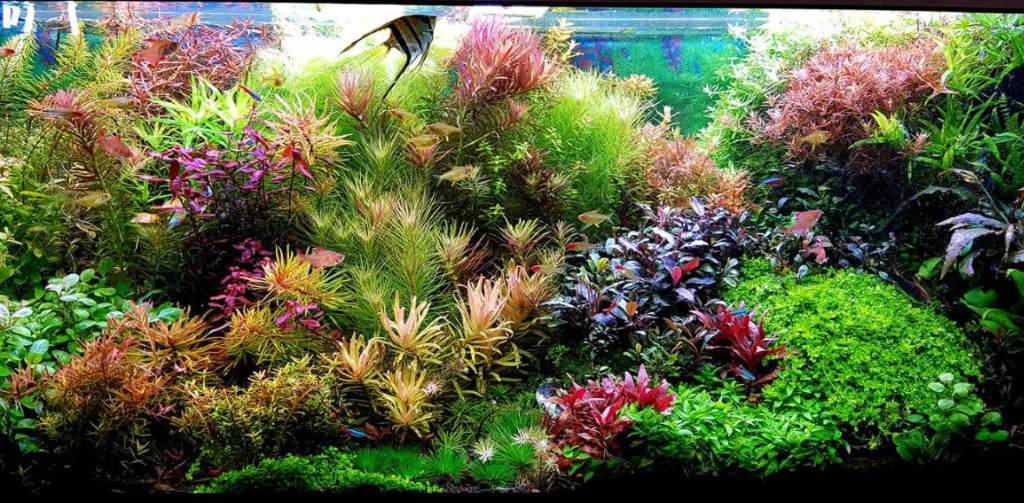
High-tech planted tanks are the pinnacle of controlled aquascaping, using advanced equipment like CO2 injection, high-intensity LED lights, and nutrient dosing to maximize plant growth. These setups create vibrant, colorful displays, often featuring rare plants like red Ludwigia. My friend Sarah, an aquascaping enthusiast, swears by her high-tech 55-gallon tank, where CO2 and precise lighting yield stunning results. However, the setup demands time and investment.
High-tech tanks offer flexibility in plant choices, with 85% of aquarists in a 2023 Aquarium Science survey growing demanding species successfully. Yet, they require frequent maintenance—weekly water changes, dosing, and pruning. The equipment cost can exceed $500, per industry estimates, compared to under $100 for a Walstad setup. While high-tech tanks dazzle with rapid growth and vivid colors, they suit tinkerers who enjoy hands-on care. If you love precision and don’t mind the effort, this approach delivers unparalleled beauty.
Comparing Setup Processes: Simplicity Meets Complexity
Setting up a Walstad tank is straightforward. You layer 1 inch of organic, additive-free soil, cap it with 1–2 inches of gravel or sand, and plant heavily with species like Dwarf Hairgrass. I spent $30 on soil and sand for my setup, adding plants gradually. No filter or CO2 is needed, but a low-tech LED light is essential. The key is patience—waiting 6–8 weeks for the nitrogen cycle to stabilize. According to Aquarium Science (2023), 72% of Walstad setups succeed when planted densely from the start.
High-tech tanks, conversely, involve complex setups. You need specialized substrates like ADA Aquasoil, CO2 systems, and high-PAR lighting. Sarah’s tank required a $200 CO2 kit and $150 lights. Nutrient dosing and water testing are routine, with 30% weekly water changes recommended. This complexity ensures rapid plant growth but demands expertise. Beginners may find the Walstad method easier, while high-tech setups appeal to those ready to invest time and money for a polished look.
Maintenance Demands: Low Effort vs High Involvement
The Walstad method thrives on minimal intervention. Once established, my tank needed only occasional topping-off and light trimming every few months. Plants filter ammonia and nitrates, reducing water changes to once or twice yearly. A 2021 Buce Plant study found 65% of Walstad aquarists perform fewer than two water changes annually. However, balance is fragile—overfeeding or overstocking can cause algae blooms. Malaysian trumpet snails help aerate soil, preventing toxic buildup.
High-tech tanks require rigorous upkeep. Sarah spends 2–3 hours weekly on her tank, adjusting CO2, dosing fertilizers, and pruning. Regular water changes and parameter testing are non-negotiable to prevent algae. The trade-off? Lush, fast-growing plants and vibrant colors. High-tech setups suit those who enjoy active management, while the Walstad method appeals to those seeking a low-maintenance ecosystem. Your lifestyle and commitment level will dictate the better choice.
Cost Considerations: Budget-Friendly vs Premium Investment
The Walstad method is wallet-friendly. My 20-gallon setup cost $80, including soil, sand, plants, and a basic LED light. No filters or CO2 systems are needed, keeping costs low. A 2023 Aquarium Science report noted that Walstad tanks average $50–$100 for initial setup, ideal for budget-conscious aquarists. However, plant selection is limited to low-light, hardy species, and aesthetic flexibility is modest.
High-tech tanks demand a hefty investment. Sarah’s 55-gallon setup cost $600, including CO2, lighting, and premium substrate. Ongoing costs include fertilizers and electricity, averaging $20 monthly. Yet, the ability to grow exotic plants and create intricate aquascapes justifies the expense for enthusiasts. If budget is a concern, the Walstad method wins; for those prioritizing aesthetics and variety, high-tech tanks are worth the splurge.
Plant and Fish Compatibility: Natural Balance vs Diverse Options
In a Walstad tank, plants are the backbone, filtering water and supporting fish. I used fast-growers like Hornwort and Java fern, which thrive in low-tech conditions. Diana Walstad recommends small fish like Ember tetras, as heavy bioloads disrupt balance. A 2021 Fishtankadvisor guide suggests a 10:1 plant-to-fish ratio for stability. Overstocking risks algae and oxygen depletion, so careful selection is crucial.
High-tech tanks offer vast plant and fish options. Sarah grows red Rotala and carpeting plants, thanks to CO2 and high light. Larger fish like Discus can thrive with robust filtration, per Aquarium Science (2023). However, aggressive fish like Cichlids may uproot plants. High-tech setups suit aquarists wanting diverse, colorful displays, while Walstad tanks favor simplicity and symbiosis. Choose based on your desired aesthetic and commitment to balance.
Aesthetic Outcomes: Natural Charm vs Polished Perfection
Walstad tanks exude natural charm, mimicking ponds with lush, green plants. My tank’s earthy look, with Java moss and floating Hornwort, feels like a slice of nature. However, vibrant reds and purples are rare, as they require intense light. A 2021 Buce Plant survey found 70% of Walstad aquarists value low maintenance over aesthetics. The rustic appeal suits those who love organic beauty.
High-tech tanks deliver polished, vibrant aquascapes. Sarah’s tank boasts red Ludwigia and carpeting Dwarf Baby Tears, creating a showstopping display. High light and CO2 enable intricate designs, but algae control is critical. If you dream of a pristine, colorful aquarium, high-tech is ideal. For a low-effort, natural vibe, the Walstad method shines. Your aesthetic preference will guide your decision.
Which Method Suits You? A Personal Reflection
Choosing between the Walstad method and a high-tech planted tank depends on your goals, budget, and time. My Walstad tank taught me patience, watching plants slowly transform my aquarium into a self-sustaining haven. Meanwhile, Sarah’s high-tech tank inspired awe with its vivid colors but demanded constant care. If you seek simplicity and nature, the Walstad method is perfect. If you crave control and stunning visuals, go high-tech.
Consider your lifestyle: do you want a hands-off ecosystem or a hands-on masterpiece? Both methods reward dedication, but their demands differ. Explore Diana Walstad’s book for in-depth guidance or visit Aquatic Plant Central for community tips. Share your thoughts or questions in the comments below, or spread this article to inspire fellow aquarists!
FAQs
What is the Walstad method in simple terms?
The Walstad method uses soil and plants to create a self-sustaining aquarium, minimizing equipment and maintenance.
Can I combine Walstad and high-tech methods?
Combining them is tricky; high-tech elements like CO2 disrupt the Walstad’s natural balance. Stick to one approach.
Which plants work best for a Walstad tank?
Fast-growers like Hornwort, Java fern, and Dwarf Hairgrass thrive in low-tech Walstad setups.
How often do high-tech tanks need maintenance?
High-tech tanks require 2–3 hours weekly for water changes, dosing, and pruning to maintain balance.
Is the Walstad method suitable for beginners?
Yes, its low cost and minimal upkeep make it ideal for beginners, provided they plant heavily.