How to Choose the Best Aquarium Gravel for Your Fish Tank
Setting up a fish tank is an exciting journey, but choosing the right aquarium gravel can feel overwhelming. The substrate you pick does more than just decorate your tank—it impacts water quality, fish health, and even plant growth. As someone who has kept aquariums for over a decade, I’ve learned that the right gravel makes all the difference. Whether you’re a beginner or a seasoned hobbyist, this guide will help you select the best aquarium gravel for your needs.
Why Aquarium Gravel Matters
Aquarium gravel isn’t just for looks. It plays a crucial role in maintaining a healthy environment for your fish. Gravel provides a surface for beneficial bacteria to grow, which helps break down waste and keep water clean. According to recent studies, substrates like gravel and sand significantly improve water quality by supporting nitrifying bacteria, which convert harmful ammonia into less toxic compounds. This means cleaner water and happier fish.
Additionally, gravel offers a natural habitat for bottom-dwelling species, such as catfish and loaches, who love to sift through it. For planted tanks, the right gravel can anchor roots and provide essential nutrients. When I first started, I used a cheap, colored gravel that leached dyes into the water, causing stress for my fish. Since switching to natural, inert gravel, my tank has thrived.
If you’re looking for affordable and reliable options, consider checking out aquarium gravel that suits both your budget and your fish’s needs.
Types of Aquarium Gravel
Natural Gravel
Natural gravel is sourced from riverbeds and quarries, offering a variety of colors and textures. It’s a popular choice because it’s inert, meaning it won’t alter your water chemistry. This type of gravel is ideal for most freshwater tanks and is easy to clean. I’ve found that natural gravel blends seamlessly with live plants, creating a more realistic and aesthetically pleasing environment.
Colored Gravel
Colored gravel is often made from materials like dolomite, which can raise the pH and hardness of your water. While it adds a vibrant touch to your tank, it’s important to choose colors that won’t harm your fish. For example, African cichlids thrive in harder water, so colored gravel can be a great match for them. However, if you have soft-water species like tetras, it’s best to avoid gravel that alters water parameters.
Plant-Specific Gravel
For planted tanks, plant-specific gravel is designed to support root growth and provide nutrients. These substrates often contain minerals that encourage healthy plant development. I’ve used Aqueon’s shrimp and plant formula in my planted tanks, and the results have been fantastic—lush greenery and minimal algae issues.
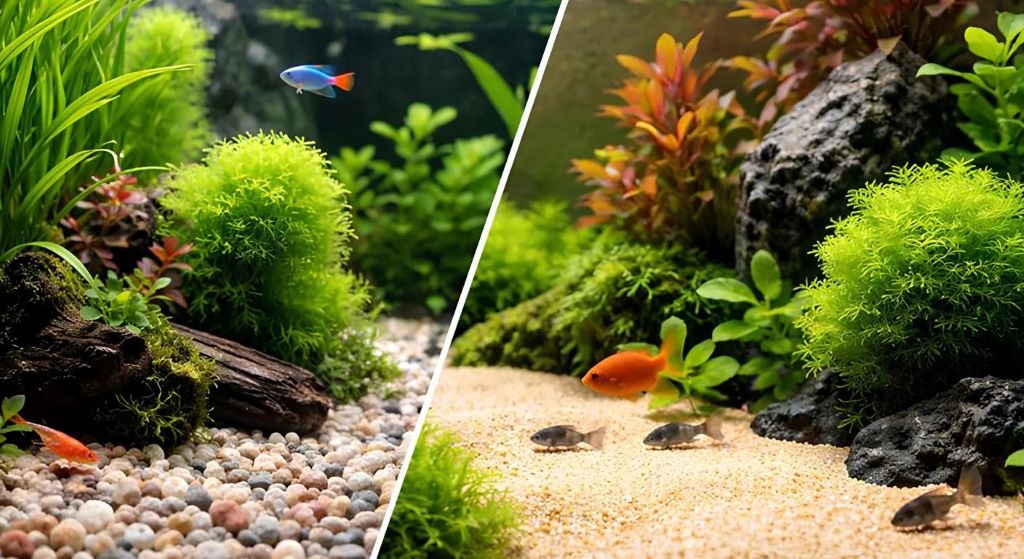
How to Choose the Right Gravel for Your Fish
Consider Your Fish Species
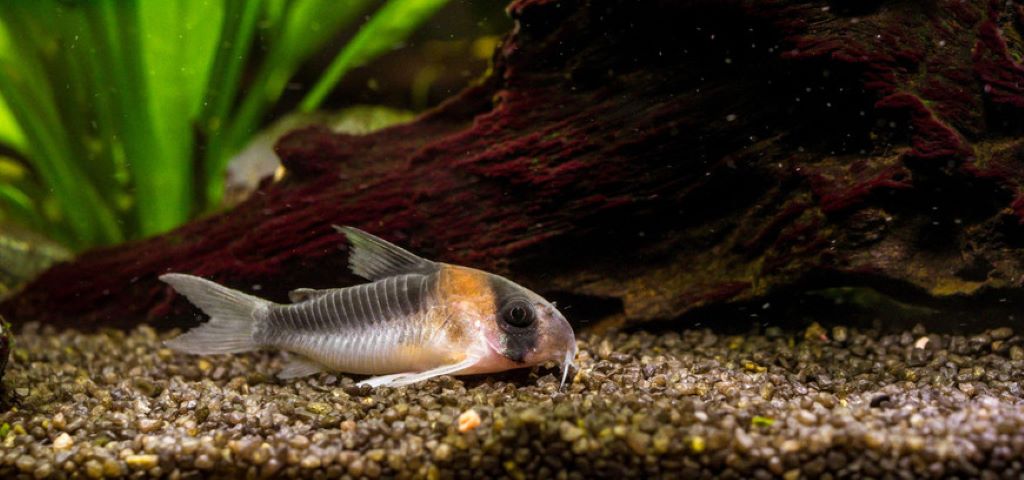
Different fish have different needs. Bottom-dwellers, like corydoras catfish, prefer fine, smooth gravel that won’t damage their delicate barbels. On the other hand, larger fish, such as goldfish, need larger gravel particles to prevent accidental ingestion. Always research the specific requirements of your fish before making a decision.
Tank Size and Depth
The size of your tank determines how much gravel you’ll need. A general rule is to aim for a depth of 1-2 inches. Too little gravel won’t support plant roots or beneficial bacteria, while too much can trap waste and create dead spots. Use an online substrate calculator to determine the right amount for your tank.
Water Chemistry
Some gravel types can affect water pH and hardness. For example, crushed coral raises pH, making it suitable for saltwater or African cichlid tanks. If you have sensitive species, opt for inert gravel that won’t alter your water parameters.
How to Clean and Maintain Aquarium Gravel
Regular Cleaning
Gravel should be cleaned at least once a month using a gravel vacuum. This removes debris and prevents the buildup of harmful waste. I’ve found that regular maintenance keeps my tank looking pristine and my fish healthy. Avoid over-cleaning, as it can disrupt the beneficial bacteria colony.
Deep Cleaning
Every few months, perform a deep clean by removing the gravel and rinsing it thoroughly. Use dechlorinated water to avoid harming your fish. I recommend doing this during water changes to minimize stress on your aquatic pets.
Common Mistakes to Avoid
Using Unwashed Gravel
Always rinse new gravel before adding it to your tank. Dust and debris can cloud your water and harm your fish. I learned this the hard way when I skipped this step and ended up with a murky tank for days.
Choosing the Wrong Size
Gravel that’s too small can compact and reduce water flow, while gravel that’s too large can trap waste. Aim for a medium size (3-5mm) for most setups.
Ignoring Fish Preferences
Not all fish are comfortable with gravel. Some species, like certain types of loaches, prefer sand. Always consider your fish’s natural habitat when choosing a substrate.
FAQs
What’s the best gravel for a planted tank?
Plant-specific gravel, such as Aqueon’s shrimp and plant formula, is ideal. It supports root growth and provides essential nutrients for healthy plants.
How often should I clean my aquarium gravel?
Clean your gravel at least once a month using a gravel vacuum. Deep cleaning can be done every few months.
Can I use garden gravel in my aquarium?
No, garden gravel may contain sharp edges or harmful substances. Always use aquarium-specific gravel to ensure safety.
Does gravel affect water pH?
Yes, certain types of gravel, like crushed coral or dolomite, can raise pH. If you need stable water parameters, choose inert gravel.
How much gravel do I need for my tank?
Aim for a depth of 1-2 inches. Use an online substrate calculator to determine the exact amount based on your tank’s dimensions.
Conclusion
Choosing the right aquarium gravel is essential for creating a healthy and beautiful fish tank. By considering your fish species, tank size, and water chemistry, you can select a substrate that enhances both aesthetics and functionality. Remember, regular maintenance is key to keeping your gravel—and your fish—happy and healthy.
Have you tried a specific type of gravel in your tank? Share your experiences in the comments below! And if you found this guide helpful, don’t forget to share it with fellow aquarium enthusiasts.