How to Choose the Best Reef Aquarium Sand for a Natural Ecosystem
Creating a thriving reef aquarium is about more than just adding water, coral, and fish. It’s about recreating a slice of the ocean’s natural ecosystem in your home. One of the most important yet often overlooked components of a successful reef aquarium is the sand. The right sand not only enhances the aesthetic appeal of your tank but also plays a crucial role in maintaining water quality, supporting beneficial bacteria, and providing a natural environment for your marine life.
In this guide, you’ll learn how to choose the best reef aquarium sand for a natural ecosystem. We’ll cover everything from understanding the role of sand in your aquarium to selecting the right type, grain size, and depth. By the end, you’ll be equipped with the knowledge to create a healthy and visually stunning reef environment.
Why the Right Sand Matters for Your Reef Aquarium
The sand in your reef aquarium is more than just a decorative element—it’s a vital part of your tank’s ecosystem. Sand provides a surface for beneficial bacteria to colonize, which helps break down waste and maintain water quality. According to a study published in the journal Aquaculture, the substrate in an aquarium plays a significant role in nitrogen cycling, which is essential for removing harmful toxins like ammonia and nitrite.
Additionally, sand offers a natural habitat for burrowing organisms like shrimp, snails, and certain types of fish. It also helps stabilize the pH and alkalinity levels in your tank, which are critical for coral health and growth. Poor-quality or improperly chosen sand can lead to issues like poor water circulation, anaerobic pockets, and even the death of your marine life.
Understanding the Role of Sand in a Reef Aquarium
Sand serves several important functions in a reef aquarium:
Biological Filtration
Sand acts as a biological filter by providing a large surface area for beneficial bacteria to grow. These bacteria break down organic waste, such as uneaten food and fish waste, into less harmful compounds. This process, known as the nitrogen cycle, is essential for maintaining a healthy and stable aquarium environment.
Natural Habitat
Many marine organisms, including certain types of fish, shrimp, and snails, rely on sand for burrowing, hiding, and foraging. A natural sand bed mimics the ocean floor, providing a familiar and comfortable environment for your aquarium inhabitants.
pH and Alkalinity Buffering
Certain types of sand, such as aragonite, help buffer the pH and alkalinity levels in your aquarium. This is particularly important for reef tanks, where stable pH and alkalinity are crucial for coral growth and health. Aragonite sand slowly dissolves over time, releasing calcium and carbonate, which help maintain these critical water parameters.
Aesthetic Appeal
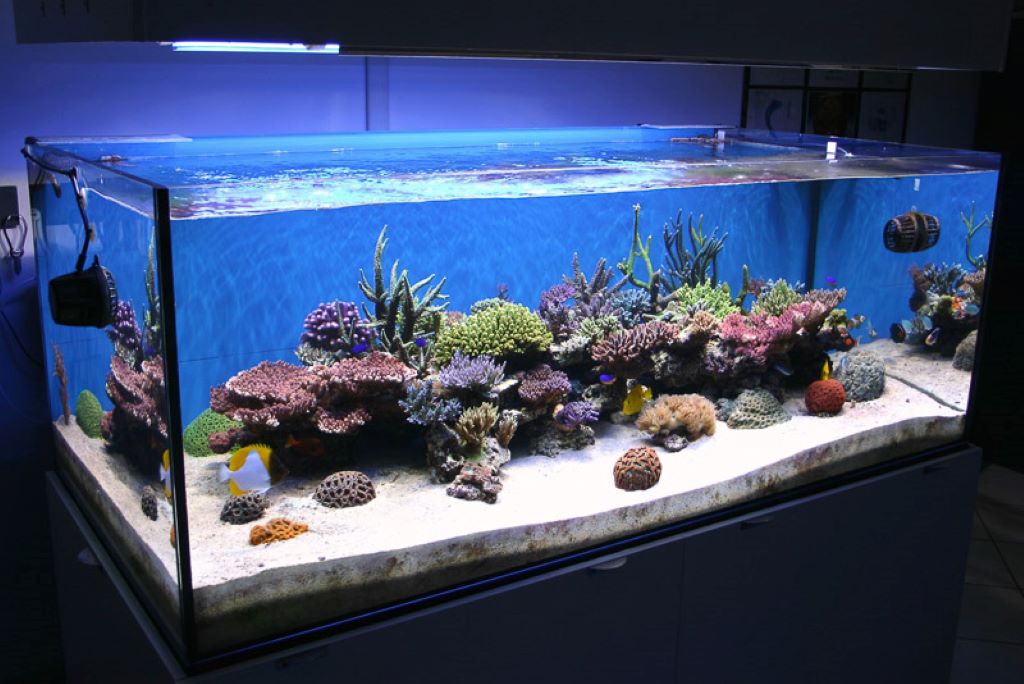
Sand also enhances the visual appeal of your aquarium, creating a natural and realistic ocean floor. The color, grain size, and depth of your sand can dramatically influence the overall look of your tank, making it more enjoyable to observe and maintain.
Types of Reef Aquarium Sand
Not all sand is created equal, and choosing the right type is essential for the health and success of your reef aquarium. Here are the most common types of sand used in reef tanks:
Aragonite Sand
Aragonite sand is the most popular choice for reef aquariums due to its ability to buffer pH and alkalinity. Made from crushed coral and shells, aragonite sand slowly dissolves in your aquarium, releasing calcium and carbonate, which help maintain stable water parameters. This makes it ideal for reef tanks with coral and other invertebrates that require high calcium levels.
Aragonite sand is available in a variety of grain sizes, from fine to coarse, allowing you to customize the look and function of your sand bed. It’s also naturally white or light-colored, which can enhance the brightness and vibrancy of your aquarium.
Crushed Coral
Crushed coral is another popular substrate for reef aquariums. Like aragonite, it helps buffer pH and alkalinity, making it a good choice for tanks with coral and invertebrates. Crushed coral is typically coarser than aragonite sand, which can improve water flow and reduce the risk of anaerobic pockets.
However, crushed coral can be more abrasive and may not be as comfortable for burrowing organisms. It’s also less visually appealing than finer sands, so it’s often used as a base layer or mixed with other types of sand.
Silica-Free Sand
Silica-free sand is a good option for aquariums where pH and alkalinity buffering are not a priority. This type of sand is typically made from natural quartz or other inert materials, which do not dissolve or alter water chemistry. Silica-free sand is often used in fish-only tanks or tanks with low-demand coral.
While silica-free sand does not provide the buffering benefits of aragonite or crushed coral, it is still effective for biological filtration and creating a natural habitat for your aquarium inhabitants.
Live Sand
Live sand is sand that has been harvested from natural reef environments and contains beneficial bacteria, microorganisms, and even small invertebrates. Adding live sand to your aquarium can help jumpstart the nitrogen cycle and establish a healthy biological filter more quickly.
Live sand is available in various types, including aragonite and silica-free options. It’s a great choice for both beginners and experienced hobbyists looking to create a more natural and balanced ecosystem in their tank.
Key Features to Consider When Choosing Reef Aquarium Sand
When selecting sand for your reef aquarium, consider the following key features to ensure you create a healthy and natural environment:
Grain Size
The grain size of your sand influences both its function and aesthetic appeal. Fine sand, with grain sizes of 0.5 to 1 mm, creates a smooth and natural look, but it can compact easily, leading to anaerobic pockets. Coarse sand, with grain sizes of 1 to 3 mm, allows for better water flow and reduces the risk of compaction.
For most reef aquariums, a grain size of 1 to 2 mm offers a good balance between aesthetics and functionality. This size is fine enough to create a natural look while still allowing for adequate water flow and oxygenation.
Depth of the Sand Bed
The depth of your sand bed affects its ability to support biological filtration and provide a habitat for burrowing organisms. A sand bed that is too shallow may not provide enough surface area for beneficial bacteria, while a bed that is too deep can lead to anaerobic pockets and poor water circulation.
For most reef aquariums, a sand bed depth of 1 to 2 inches is recommended. This depth provides enough surface area for biological filtration while minimizing the risk of anaerobic zones. If you plan to keep burrowing organisms, a deeper sand bed of 3 to 4 inches may be more appropriate.
Color and Aesthetics
The color of your sand can influence the overall look of your aquarium. White or light-colored sands, such as aragonite, reflect light and create a bright, vibrant environment. Darker sands, such as black or gray, can create a more dramatic and natural look, especially in tanks with darker coral and rockwork.
Consider the color scheme of your aquarium when choosing sand. Light-colored sands are ideal for tanks with bright coral and fish, while darker sands can complement tanks with more subdued or natural coloration.
Source and Quality
The source and quality of your sand are also important considerations. Avoid using sand from unknown or untrusted sources, as it may contain contaminants, silica, or other harmful substances. Opt for sand specifically designed for reef aquariums, which has been cleaned and processed to remove impurities.
If you choose live sand, ensure it comes from a reputable supplier to avoid introducing pests or harmful organisms into your aquarium.
How to Choose the Right Sand for Your Reef Aquarium
Selecting the right sand for your reef aquarium depends on several factors, including the type of tank you have, the inhabitants you plan to keep, and your personal preferences. Here are some tips to help you make the best choice:
Consider Your Tank Type
The type of reef aquarium you have will influence the type of sand you need. For example:
- Reef Tanks with Coral: Aragonite or crushed coral sand is ideal for reef tanks with coral, as it helps buffer pH and alkalinity.
- Fish-Only Tanks: Silica-free sand is a good option for fish-only tanks, where pH and alkalinity buffering are less critical.
- Nano Reef Tanks: Fine sand is often preferred for nano reef tanks, as it creates a more natural look and supports a diverse range of microorganisms.
Think About Your Inhabitants
The types of organisms you plan to keep will also influence your sand choice. If you have burrowing fish or invertebrates, such as gobies, shrimp, or snails, opt for a finer sand with a deeper bed to provide a suitable habitat. For tanks with mostly coral and sessile invertebrates, a shallower sand bed with coarser grains may be more appropriate.
Match Your Aesthetic Preferences
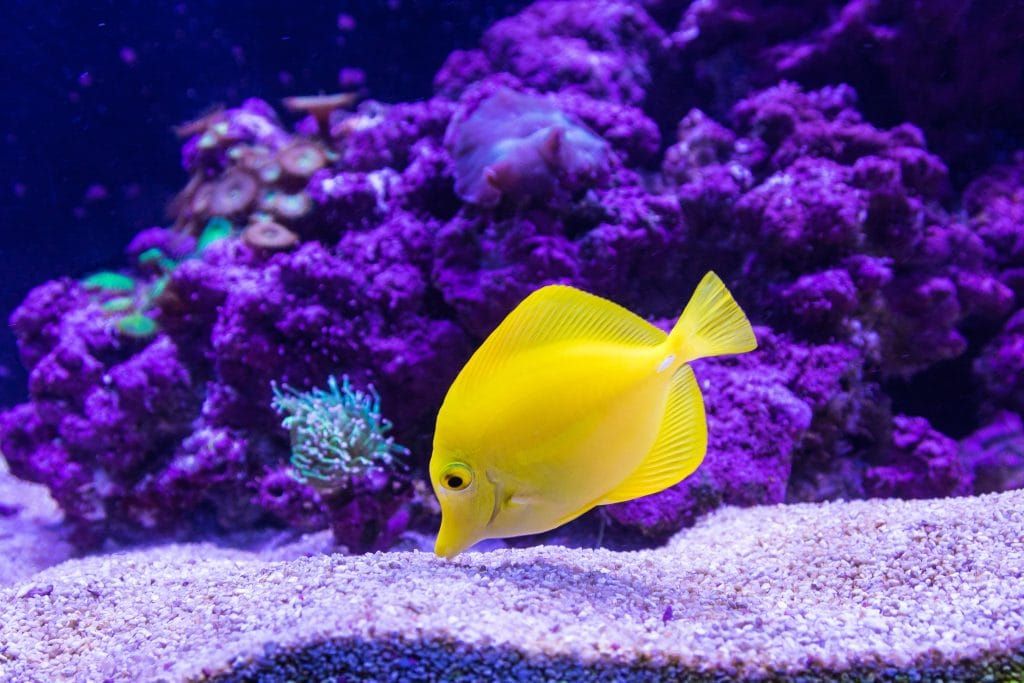
Your sand should complement the overall look and feel of your aquarium. Consider the color and texture of your sand in relation to your tank’s theme. For example, a bright white aragonite sand can create a Caribbean-like environment, while a darker sand can mimic the appearance of a deeper ocean floor.
Plan for Maintenance
Consider the maintenance requirements of your sand. Fine sands may require more frequent stirring or siphoning to prevent compaction and anaerobic pockets, while coarser sands are easier to maintain but may not provide the same aesthetic appeal.
Personal Experience: Finding the Perfect Sand for My Reef Aquarium
When I first set up my reef aquarium, I made the mistake of choosing sand based solely on its appearance. I opted for a fine, white sand that looked beautiful but quickly compacted, leading to poor water circulation and anaerobic pockets. My coral began to suffer, and I noticed an increase in algae growth.
Determined to improve the health of my aquarium, I switched to a coarser aragonite sand with a depth of about 2 inches. The difference was remarkable. The new sand allowed for better water flow, reduced the risk of anaerobic zones, and helped stabilize the pH and alkalinity levels in my tank. My coral began to thrive, displaying vibrant colors and steady growth.
This experience taught me the importance of choosing sand based on function as well as aesthetics. A quality sand bed not only enhances the appearance of your aquarium but also supports the health and well-being of your marine life.
Tips for Maintaining Your Reef Aquarium Sand
Proper maintenance of your reef aquarium sand is essential for ensuring its longevity and performance. Here are some tips to keep your sand bed healthy and functional:
- Stir the Sand Regularly: Use a sand-sifting organism, such as a sand-sifting starfish or a small powerhead, to stir the sand and prevent compaction. This helps maintain oxygen levels and prevents the formation of anaerobic pockets.
- Siphon Debris: During water changes, use a siphon to remove debris and waste that has accumulated on the sand bed. Avoid disturbing the sand too deeply, as this can release trapped waste and harmful gases.
- Avoid Overcleaning: While it’s important to keep your sand clean, avoid overcleaning, as this can disrupt the beneficial bacteria and microorganisms that live in the sand bed.
- Monitor Water Parameters: Regularly test your water for pH, alkalinity, ammonia, nitrite, and nitrate levels. This will help you detect any issues related to your sand bed and take corrective action as needed.
By taking proper care of your reef aquarium sand, you’ll ensure it continues to support a healthy and thriving ecosystem for your coral and fish.
Frequently Asked Questions
What is the best type of sand for a reef aquarium?
The best type of sand for a reef aquarium depends on your specific needs. Aragonite sand is the most popular choice due to its ability to buffer pH and alkalinity, making it ideal for reef tanks with coral. Crushed coral and live sand are also good options, depending on your tank type and inhabitants.
How deep should the sand bed be in a reef aquarium?
For most reef aquariums, a sand bed depth of 1 to 2 inches is recommended. This depth provides enough surface area for biological filtration while minimizing the risk of anaerobic zones. For tanks with burrowing organisms, a deeper sand bed of 3 to 4 inches may be more appropriate.
Can I use regular play sand in my reef aquarium?
No, regular play sand is not suitable for reef aquariums. It often contains silica and other contaminants that can harm your marine life and disrupt water chemistry. Always use sand specifically designed for reef aquariums.
How often should I clean my reef aquarium sand?
You should stir your sand bed regularly to prevent compaction and siphon debris during water changes. Avoid overcleaning, as this can disrupt the beneficial bacteria and microorganisms in the sand. Aim to clean your sand bed during your regular maintenance routine, typically every 2 to 4 weeks.
What is live sand, and do I need it for my reef aquarium?
Live sand is sand that contains beneficial bacteria, microorganisms, and small invertebrates, harvested from natural reef environments. While live sand is not strictly necessary, it can help jumpstart the nitrogen cycle and establish a healthy biological filter more quickly. It’s a great option for both beginners and experienced hobbyists looking to create a more natural ecosystem.
Conclusion
Choosing the best reef aquarium sand is essential for creating a natural and thriving ecosystem in your tank. By understanding the role of sand, selecting the right type and grain size, and maintaining your sand bed properly, you can create a healthy and visually stunning environment for your coral and fish.
A quality sand bed not only enhances the aesthetic appeal of your aquarium but also supports biological filtration, stabilizes water parameters, and provides a natural habitat for your marine life. Whether you’re a beginner or an experienced hobbyist, investing in the right sand will help you achieve the vibrant and thriving reef aquarium of your dreams.
Now that you’re equipped with the knowledge to choose the perfect reef aquarium sand, it’s time to create your own underwater paradise!
What’s your favorite type of reef aquarium sand? Share your experiences or ask any questions in the comments below!