How to Find Essential Reef Aquarium Supplies for Beginners and Experts
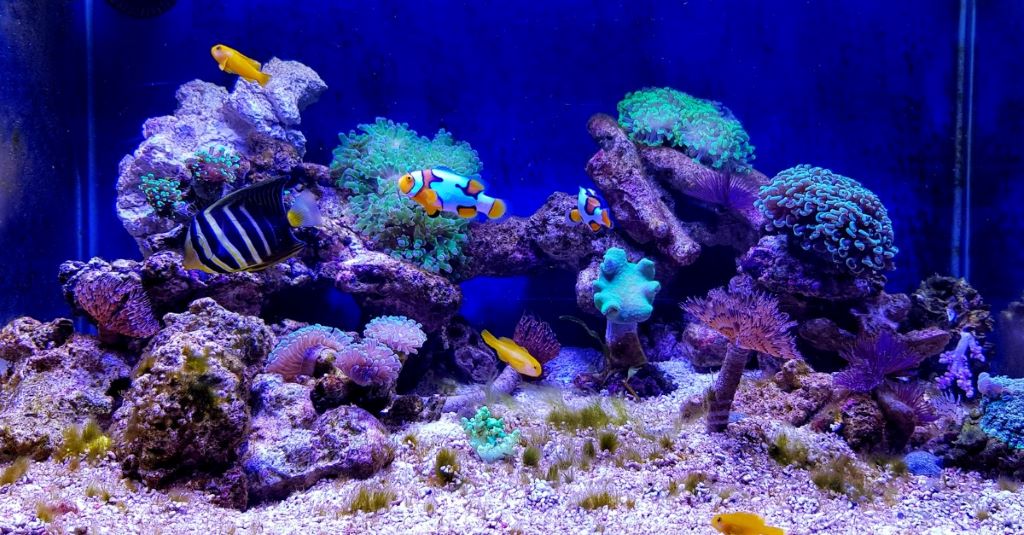
Setting up a reef aquarium is an exciting journey that brings the beauty and diversity of the ocean into your home. Whether you’re a beginner or an experienced hobbyist, having the right supplies is crucial for creating a thriving and visually stunning reef ecosystem. From tanks and filtration systems to lighting and water testing kits, each component plays a vital role in maintaining the health and vibrancy of your aquarium.
In this guide, you’ll learn how to find essential reef aquarium supplies for both beginners and experts. We’ll cover everything from selecting the right tank and equipment to understanding the importance of water quality and maintenance. By the end, you’ll be equipped with the knowledge to create a successful and enjoyable reef aquarium experience.
Why Quality Supplies Matter for Your Reef Aquarium
Investing in high-quality reef aquarium supplies is essential for the health and longevity of your tank. Poor-quality equipment can lead to a range of issues, including unstable water parameters, equipment failures, and even the loss of marine life. According to a survey conducted by the Marine Aquarium Societies of North America (MASNA), over 60% of reef aquarium failures are attributed to inadequate equipment or improper maintenance.
Quality supplies not only ensure the well-being of your coral and fish but also make the hobby more enjoyable and less stressful. For example, a reliable filtration system helps maintain water quality, while a high-quality lighting system promotes coral growth and vibrant colors. Additionally, durable and efficient equipment can save you money in the long run by reducing the need for frequent replacements and repairs.
Essential Reef Aquarium Supplies for Beginners
If you’re new to the reef aquarium hobby, starting with the right supplies will set you up for success. Here are the essential items you’ll need to get started:
Aquarium Tank
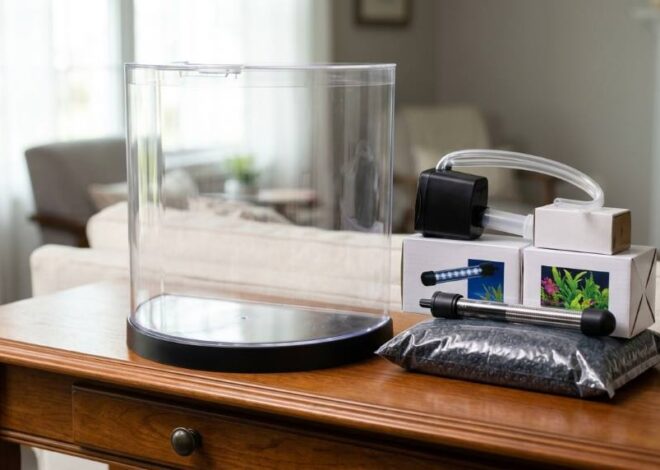
The aquarium tank is the foundation of your reef ecosystem. For beginners, a tank size of 20 to 50 gallons is recommended, as it provides enough space for a variety of coral and fish while being manageable in terms of maintenance. Larger tanks are more stable and forgiving of mistakes, making them ideal for those new to the hobby.
When selecting a tank, consider the following:
- Material: Glass tanks are durable and scratch-resistant, while acrylic tanks are lighter and offer better clarity. However, acrylic tanks can scratch more easily and may require additional support for larger sizes.
- Shape: Rectangular tanks are the most common and provide ample surface area for gas exchange. Bow-front and cylindrical tanks can add a unique aesthetic but may have limited space for equipment and coral placement.
- Stand and Support: Ensure your tank is placed on a sturdy, level stand designed to support the weight of the aquarium, water, and equipment.
Filtration System
A reliable filtration system is crucial for maintaining water quality and the health of your reef aquarium. There are several types of filtration to consider:
- Mechanical Filtration: Removes debris and particulate matter from the water. This is typically achieved using filter socks, sponges, or protein skimmers.
- Biological Filtration: Uses beneficial bacteria to break down harmful waste products like ammonia and nitrite. Live rock, bio-balls, and specialized filter media are common biological filtration methods.
- Chemical Filtration: Removes dissolved waste and toxins using activated carbon, phosphate removers, or other chemical media.
For beginners, a hang-on-back (HOB) filter or a canister filter combined with a protein skimmer is a good starting point. These systems are relatively easy to set up and maintain, providing effective mechanical, biological, and chemical filtration.
Lighting
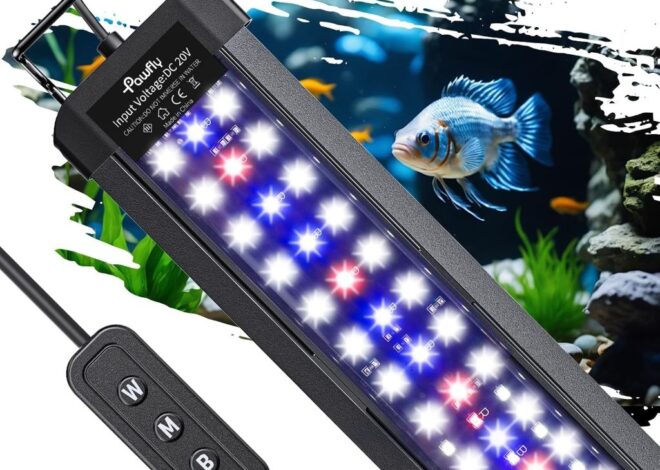
Proper lighting is essential for the growth and health of your coral. As a beginner, opt for an LED lighting system designed specifically for reef aquariums. LED lights are energy-efficient, customizable, and provide the full spectrum of light needed for coral photosynthesis. Look for lights with adjustable intensity and color settings to mimic natural lighting conditions.
Heater and Thermometer
Maintaining a stable water temperature is critical for the health of your coral and fish. Most reef aquariums require a temperature range of 75 to 80 degrees Fahrenheit. A submersible aquarium heater with a built-in thermostat is a reliable choice for beginners. Additionally, use a digital thermometer to monitor the water temperature accurately.
Water Testing Kits
Regular water testing is essential for maintaining a healthy reef aquarium. Test kits allow you to monitor key water parameters, including:
- Ammonia
- Nitrite
- Nitrate
- pH
- Alkalinity
- Calcium
- Phosphate
For beginners, a comprehensive test kit that includes tests for ammonia, nitrite, nitrate, and pH is a good starting point. As you gain experience, you can expand your testing to include additional parameters like alkalinity, calcium, and phosphate.
Live Rock and Substrate
Live rock and substrate form the foundation of a reef ecosystem, providing surfaces for beneficial bacteria to grow and corals to attach. This natural structure supports biological filtration while creating essential hiding places for fish and invertebrates.
For beginners, a combination of live rock and aragonite sand substrate is recommended. Aragonite sand helps buffer the water, maintaining stable pH and alkalinity levels.
Salt Mix and Hydrometer
Maintaining the correct salinity level is crucial for the health of your reef aquarium. A hydrometer or refractometer is used to measure the salinity of your aquarium water. For most reef tanks, a salinity level of 1.024 to 1.026 specific gravity is ideal.
Use a high-quality salt mix designed for reef aquariums to ensure your water contains the necessary minerals and trace elements for coral growth.
Advanced Reef Aquarium Supplies for Experts
For experienced reef hobbyists, advanced supplies can enhance the health, beauty, and functionality of your aquarium. Here are some items to consider:
High-Quality Protein Skimmer
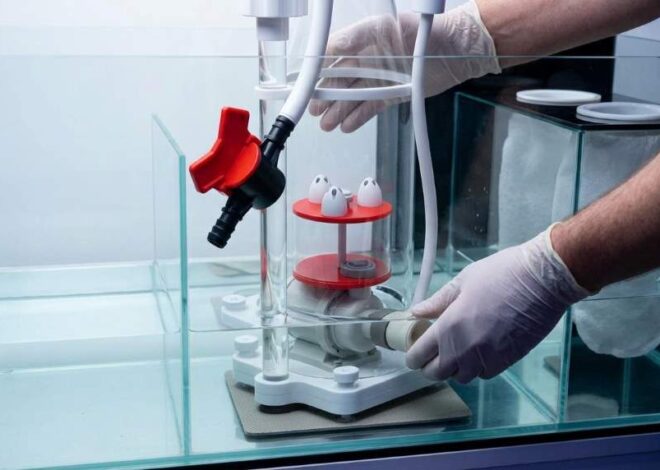
A protein skimmer is an essential piece of equipment for advanced reef aquariums. It removes organic waste before it breaks down into harmful compounds like ammonia and nitrate. High-quality protein skimmers are more efficient and require less maintenance than basic models, making them a worthwhile investment for experienced hobbyists.
Automated Dosing System
An automated dosing system helps maintain stable water parameters by automatically adding supplements like calcium, alkalinity, and magnesium. This is particularly useful for advanced reef tanks with high-demand coral, such as SPS (Small Polyp Stony) corals.
Advanced Lighting Systems
Experienced hobbyists may opt for advanced lighting systems, such as high-end LED fixtures or hybrid systems that combine LED and T5 fluorescent lights. These systems offer greater customization, allowing you to fine-tune the light spectrum and intensity for optimal coral growth and coloration.
Controller and Monitoring Systems
Aquarium controllers and monitoring systems provide real-time data on water parameters, equipment status, and environmental conditions. These systems can alert you to potential issues, such as temperature fluctuations or equipment failures, allowing you to take corrective action before problems arise.
Refugium
A refugium is a separate compartment or tank connected to your main aquarium, designed to cultivate macroalgae and provide a safe haven for beneficial organisms like copepods and amphipods. A refugium helps improve water quality by exporting nutrients and providing a natural food source for your aquarium inhabitants.
Chiller
For reef aquariums in warmer climates or those with high-intensity lighting, a chiller may be necessary to maintain a stable water temperature. Chillers help prevent temperature spikes, which can stress coral and fish and lead to issues like coral bleaching.
How to Choose the Right Supplies for Your Reef Aquarium
Selecting the right supplies for your reef aquarium depends on several factors, including your experience level, budget, and the specific needs of your tank. Here are some tips to help you make the best choices:
Assess Your Experience Level
Beginners should focus on essential supplies that are easy to use and maintain. As you gain experience, you can gradually upgrade to more advanced equipment that offers greater control and customization.
Set a Budget
Reef aquarium supplies vary widely in price, from affordable basic equipment to high-end, specialized gear. Set a budget that balances your needs and financial constraints, keeping in mind that investing in quality supplies can save you money in the long run.
Research and Compare
Before making a purchase, research different brands and models to compare their features, performance, and price. Read reviews from other hobbyists and consult with experts to get recommendations based on your specific needs.
Consider Your Tank Size and Type
The size and type of your aquarium will influence the supplies you need. Larger tanks require more powerful equipment, such as filtration systems and lighting, while smaller tanks may need more precise control over water parameters.
Plan for Future Growth
As your reef aquarium matures, your needs may change. Consider supplies that offer room for growth, such as modular filtration systems or upgradeable lighting fixtures. This will allow you to expand and enhance your aquarium as your skills and interests evolve.
Personal Experience: Building My Dream Reef Aquarium
When I first set up my reef aquarium, I made the mistake of cutting corners on supplies to save money. I purchased a basic filtration system and inexpensive lighting, thinking it would be sufficient for my small tank. However, I quickly noticed that my coral wasn’t thriving as I had hoped. The colors were dull, and growth was slow.
Determined to improve the health of my aquarium, I invested in a high-quality protein skimmer, an advanced LED lighting system, and an automated dosing system. The difference was remarkable. My coral began to display vibrant colors, and growth accelerated significantly. I also noticed a reduction in algae and an overall improvement in water quality.
This experience taught me the importance of investing in quality reef aquarium supplies. While it may require a larger upfront investment, the long-term benefits in terms of coral health, water quality, and enjoyment are well worth it.
Tips for Maintaining Your Reef Aquarium Supplies
Proper maintenance of your reef aquarium supplies is essential for ensuring their longevity and performance. Here are some tips to keep your equipment in top condition:
- Regular Cleaning: Clean your filtration system, protein skimmer, and other equipment regularly to remove debris and prevent clogs. Use a soft brush or cloth and avoid harsh chemicals that can damage the equipment.
- Calibration and Testing: Calibrate and test your monitoring equipment, such as thermometers and hydrometers, to ensure accurate readings. Replace batteries and sensors as needed.
- Inspect for Wear and Tear: Regularly inspect your equipment for signs of wear and tear, such as cracks, leaks, or frayed wires. Replace or repair any damaged components promptly.
- Follow Manufacturer Guidelines: Adhere to the manufacturer’s guidelines for maintenance, replacement intervals, and usage. This will help you get the most out of your equipment and avoid potential issues.
By taking proper care of your reef aquarium supplies, you’ll ensure they continue to provide a healthy and thriving environment for your coral and fish.
Frequently Asked Questions
What are the essential supplies for a beginner reef aquarium?
The essential supplies for a beginner reef aquarium include an aquarium tank, filtration system, lighting, heater, thermometer, water testing kits, live rock, substrate, and a salt mix with a hydrometer. These items provide the foundation for a healthy and thriving reef ecosystem.
How often should I test the water in my reef aquarium?
For a beginner reef aquarium, test the water at least once a week for key parameters like ammonia, nitrite, nitrate, and pH. As your tank matures, you can reduce the frequency to bi-weekly or monthly, depending on the stability of your water parameters.
Can I use tap water in my reef aquarium?
No, tap water is not suitable for reef aquariums due to its high levels of chlorine, chloramine, and other contaminants. Use reverse osmosis (RO) or reverse osmosis/deionization (RO/DI) water to mix with your salt mix, ensuring a clean and safe environment for your coral and fish.
What is the best type of lighting for a reef aquarium?
The best type of lighting for a reef aquarium depends on your specific needs and budget. LED lights are the most popular choice due to their energy efficiency, customizable spectrum, and long lifespan. However, metal halide and T5 fluorescent lights are also good options, depending on your tank size and coral type.
How do I choose the right size tank for my reef aquarium?
The right size tank for your reef aquarium depends on your experience level, budget, and available space. For beginners, a tank size of 20 to 50 gallons is recommended, as it provides enough space for a variety of coral and fish while being manageable in terms of maintenance. Larger tanks offer greater stability and are ideal for experienced hobbyists.
Conclusion
Finding the right reef aquarium supplies is essential for creating a vibrant and healthy reef ecosystem. Whether you’re a beginner or an experienced hobbyist, investing in quality equipment will enhance the health and beauty of your aquarium and make the hobby more enjoyable and rewarding.
From essential supplies like tanks, filtration systems, and lighting to advanced equipment like protein skimmers and automated dosing systems, each component plays a vital role in maintaining the well-being of your coral and fish. By understanding your specific needs and researching the best options, you can create a stunning and thriving reef aquarium that brings the beauty of the ocean into your home.
Now that you’re equipped with the knowledge to find essential reef aquarium supplies, it’s time to start building your dream reef tank!
What are your favorite reef aquarium supplies? Share your experiences or ask any questions in the comments below!