Best Affordable Aquarium Heaters in Florida (FL) – What Keeps Water Perfectly Balanced?
Florida’s tropical climate can turn your aquarium into a sauna in no time, making a reliable heater just as crucial as a cooling system. While many focus on chilling their tanks during scorching summers, maintaining a consistent temperature year-round is the real challenge. The best affordable aquarium heaters in Florida (FL) don’t just warm the water—they keep it perfectly balanced, ensuring your fish, plants, and corals thrive regardless of seasonal swings. With humidity levels soaring and indoor temperatures fluctuating, a subpar heater can spell disaster for sensitive species. So, which models actually deliver stability without draining your wallet?
We’ve sifted through the noise to bring you the most dependable, budget-friendly heaters that Florida aquarists swear by. Whether you’re a beginner with a 20-gallon freshwater tank or a seasoned hobbyist managing a 200-gallon reef, the right heater can make all the difference.
Product at a Glance
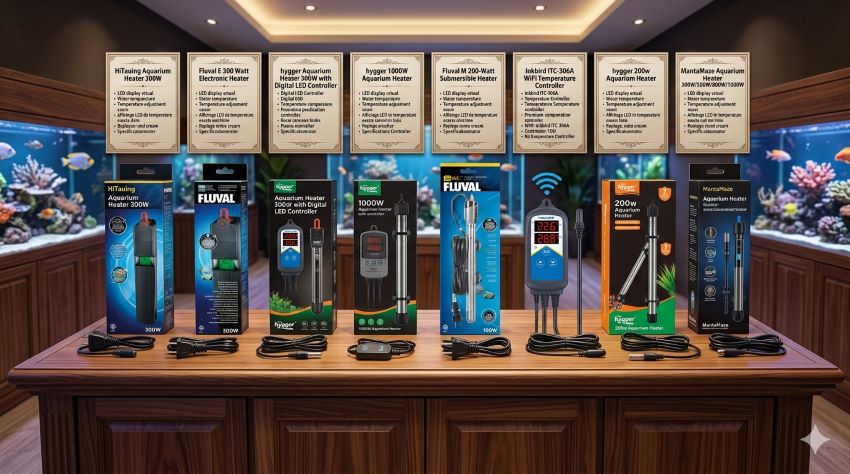
Here’s a snapshot of the top affordable aquarium heaters that keep Florida tanks stable and thriving:
- HiTauing Aquarium Heater, 300W
- Fluval E 300 Watt Electronic Heater
- hygger Aquarium Heater, 300W/500W/800W/1000W
- hygger Aquarium Heater, 300W/500W/800W/1000W (Intelligent Alarm Model)
- Fluval M 200-Watt Submersible Aquarium Heater
- Inkbird ITC-306A WiFi Temperature Controller
- hygger 200W Aquarium Heater
- MantaMaze Aquarium Heater, 300W/500W/800W/1000W
1. HiTauing Aquarium Heater, 300W
Why It’s Best: The HiTauing Aquarium Heater is a standout for its advanced safety features and precise temperature control. With a digital LED display and five layers of protection—including over-temperature and dry-run safeguards—it’s ideal for aquarists who prioritize reliability. The 300W model is perfect for 40-75 gallon tanks, and its 8.2-foot cord offers flexible placement. This heater ensures your water stays at the perfect temperature, even during Florida’s unpredictable weather swings.
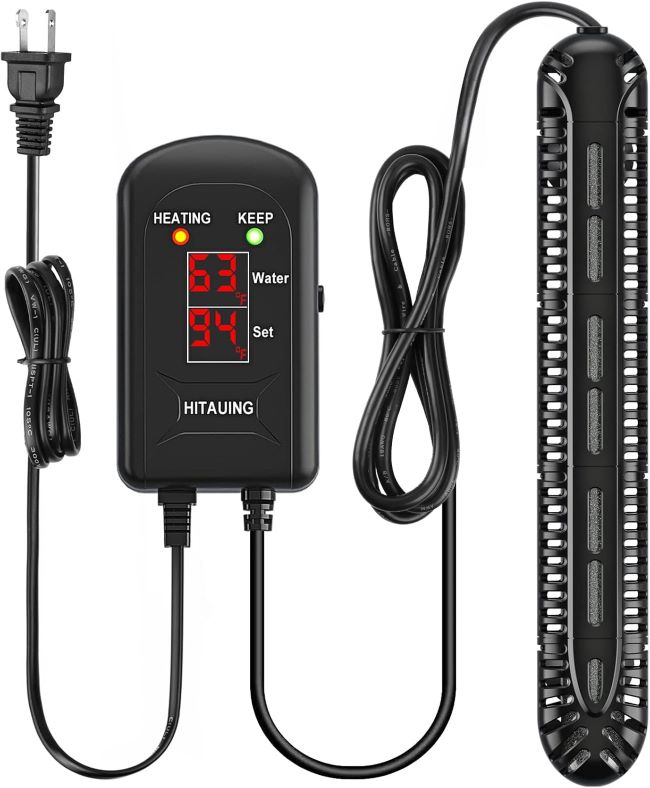
Key Features Table:
| Feature | Details |
|---|---|
| Power | 300W |
| Tank Capacity | 40-75 gallons |
| Display | LED digital display |
| Safety Features | 5-layer protection (over-temperature, dry-run, etc.) |
| Cord Length | 8.2 feet |
| Mounting | 2 suction cups for secure placement |
| Temperature Range | Adjustable for precise control |
Pros & Cons Table:
| Pros | Cons |
|---|---|
| Advanced safety features | Slightly bulkier design |
| Precise digital temperature control | LED display may be too bright for some |
| Long cord for flexible placement | Limited to mid-sized tanks |
| Durable and reliable | Requires occasional calibration |
2. Fluval E 300 Watt Electronic Heater
Why It’s Best: The Fluval E Electronic Heater is a favorite among Florida aquarists for its sleek design and intelligent temperature control. Its digital display allows for easy adjustments, and its dual temperature sensors ensure accuracy within ±0.5°F. The 300W model is ideal for tanks up to 100 gallons, making it a versatile choice for both beginners and experienced hobbyists. Additionally, its compact size and easy-to-read display make it a user-friendly option.
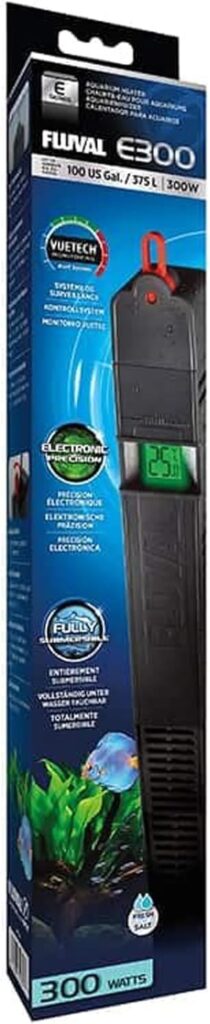
Key Features Table:
| Feature | Details |
|---|---|
| Power | 300W |
| Tank Capacity | Up to 100 gallons |
| Display | Digital display with dual sensors |
| Accuracy | ±0.5°F precision |
| Safety Features | Automatic shut-off if water temperature exceeds set point |
| Design | Sleek, compact, and easy to hide |
Pros & Cons Table:
| Pros | Cons |
|---|---|
| Highly accurate temperature control | Higher price point compared to basic heaters |
| Dual sensors for reliability | Digital display may require occasional recalibration |
| Compact and easy to hide | Limited to larger tanks |
3. hygger Aquarium Heater, 300W/500W/800W/1000W
Why It’s Best: The hygger Aquarium Heater is a powerhouse with intelligent features that make it a top pick for Florida tanks. Its digital LED controller allows for precise temperature adjustments, and its automatic shut-off system kicks in if the heater is out of water or overheating. Available in multiple wattages (300W to 1000W), it’s suitable for tanks ranging from 30 to 240 gallons. This heater is perfect for aquarists who want a balance of affordability and advanced functionality.
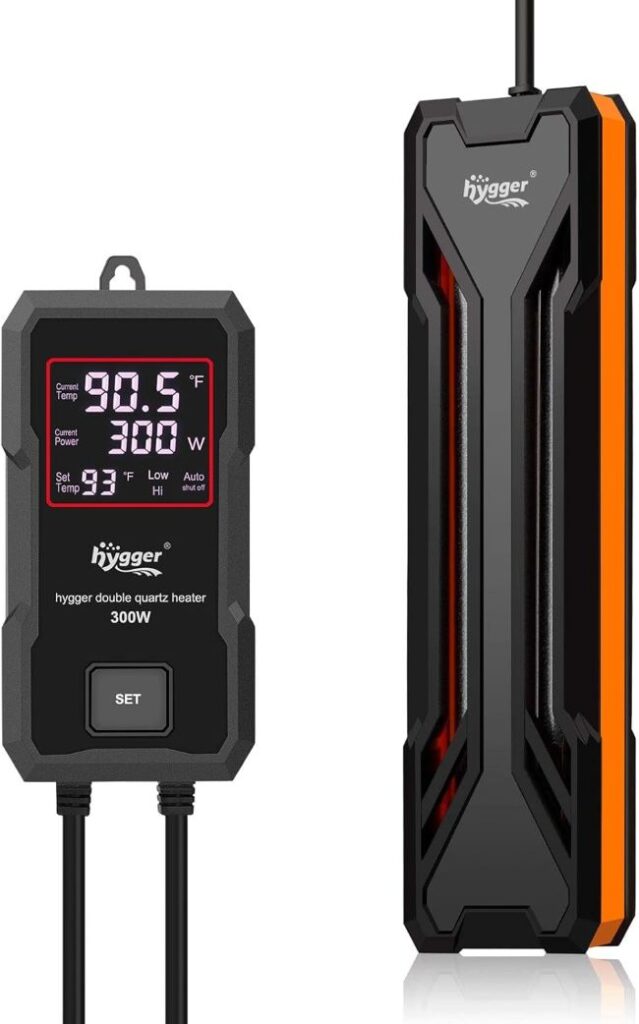
Key Features Table:
| Feature | Details |
|---|---|
| Power Options | 300W, 500W, 800W, 1000W |
| Tank Capacity | 30-240 gallons (depending on wattage) |
| Display | Digital LED controller |
| Safety Features | Automatic shut-off for dry-run and overheating |
| Temperature Range | Adjustable with precise control |
| Material | Quartz glass for durability |
Pros & Cons Table:
| Pros | Cons |
|---|---|
| Multiple wattage options | Larger models can be bulky |
| Intelligent safety features | LED display may not be as bright in sunlight |
| Suitable for a wide range of tank sizes | Requires regular maintenance |
4. hygger Aquarium Heater, 300W/500W/800W/1000W (Intelligent Alarm Model)
Why It’s Best: This version of the hygger Aquarium Heater takes safety a step further with an over-temperature alarm. If the water temperature exceeds your set parameters, the alarm sounds, alerting you to potential issues before they become critical. It’s an excellent choice for aquarists who want extra peace of mind, especially in Florida’s fluctuating indoor climates. The 1000W model is ideal for large tanks up to 240 gallons.
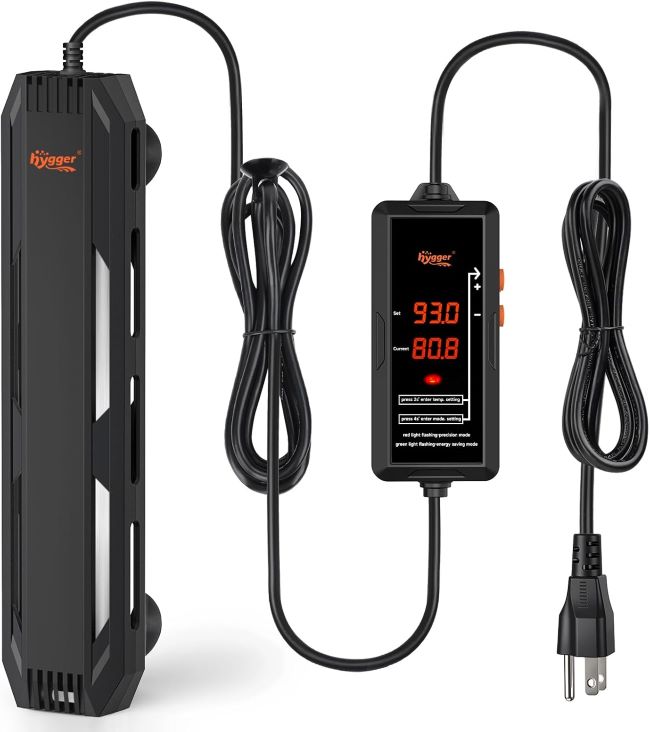
Key Features Table:
| Feature | Details |
|---|---|
| Power Options | 300W, 500W, 800W, 1000W |
| Tank Capacity | Up to 240 gallons (1000W model) |
| Safety Features | Over-temperature alarm and automatic shut-off |
| Display | Digital temperature controller |
| Material | Quartz glass for durability |
| Temperature Range | Adjustable with high precision |
Pros & Cons Table:
| Pros | Cons |
|---|---|
| Over-temperature alarm for added safety | Alarm may be too loud for some users |
| High wattage options for large tanks | Larger models take up more space |
| Precise temperature control | Requires occasional calibration |
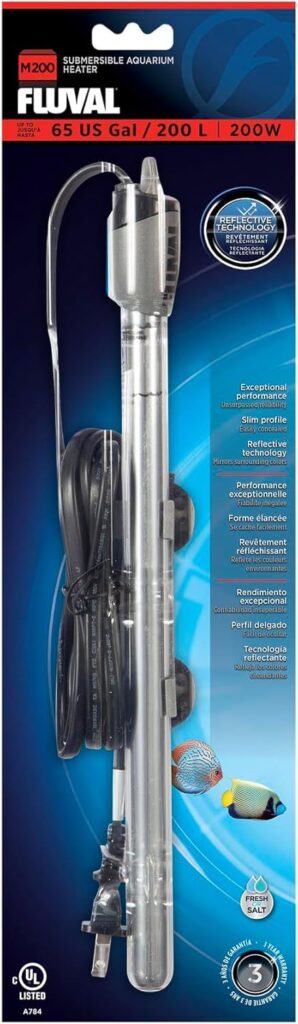
5. Fluval M 200-Watt Submersible Aquarium Heater
Why It’s Best: The Fluval M Submersible Heater is a compact yet powerful option for smaller tanks. Its Mirror Technology ensures even heat distribution, preventing hot spots that can stress your aquatic life. The 200W model is perfect for tanks up to 65 gallons, making it ideal for Florida hobbyists with limited space. Its slim design allows it to blend seamlessly into your aquascape.
Key Features Table:
| Feature | Details |
|---|---|
| Power | 200W |
| Tank Capacity | Up to 65 gallons |
| Technology | Mirror Technology for even heat distribution |
| Safety Features | Automatic shut-off if overheating |
| Design | Slim and compact |
| Material | High-quality glass for durability |
Pros & Cons Table:
| Pros | Cons |
|---|---|
| Even heat distribution | Limited to smaller tanks |
| Compact and easy to hide | No digital display |
| Durable and reliable | Requires manual temperature adjustments |
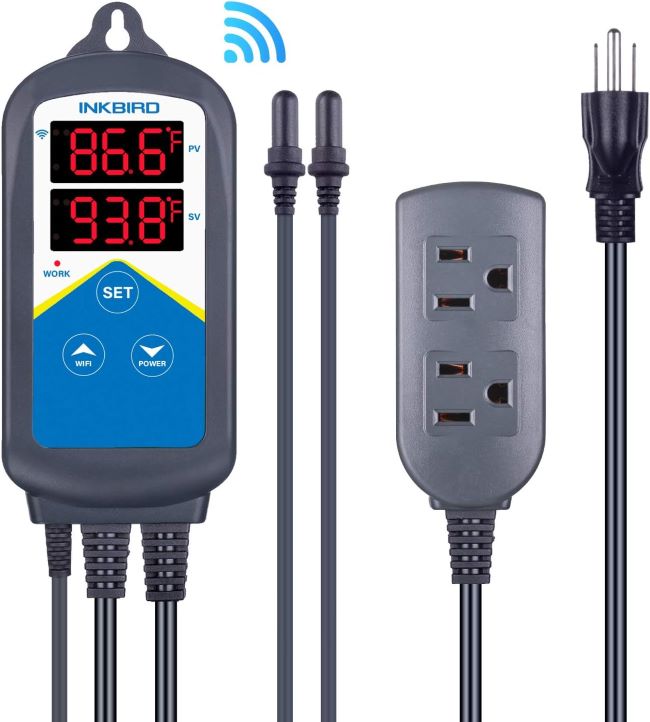
6. Inkbird ITC-306A WiFi Temperature Controller
Why It’s Best: The Inkbird ITC-306A WiFi Temperature Controller is a game-changer for tech-savvy aquarists. This device allows you to monitor and control your aquarium’s temperature remotely via a smartphone app. It works with most aquarium heaters (up to 1200W) and includes dual probes for added accuracy. For Florida aquarists who travel frequently or want to keep a close eye on their tanks, this controller offers unparalleled convenience and peace of mind.
Key Features Table:
| Feature | Details |
|---|---|
| Connectivity | WiFi-enabled with smartphone app control |
| Power Capacity | Up to 1200W |
| Probes | Dual probes for precision |
| Safety Features | Over-temperature protection and alerts |
| Compatibility | Works with most aquarium heaters |
| Display | Digital display with easy-to-read interface |
Pros & Cons Table:
| Pros | Cons |
|---|---|
| Remote monitoring and control | Requires WiFi connection |
| Dual probes for accuracy | Higher price point |
| Works with most heaters | App may have occasional connectivity issues |
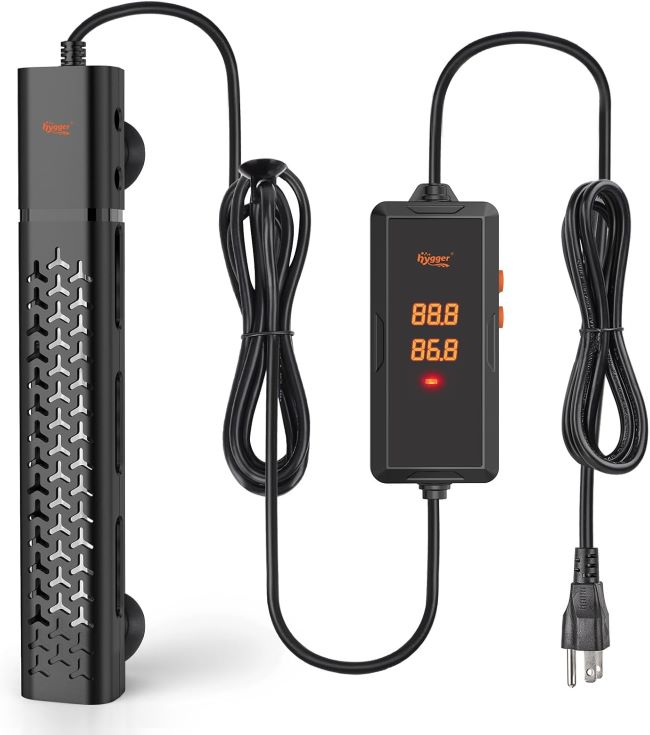
7. hygger 200W Aquarium Heater
Why It’s Best: The hygger 200W Aquarium Heater is a budget-friendly option that doesn’t skimp on features. Its intelligent temperature control system automatically stops heating when the water reaches the desired temperature, preventing overheating. It’s ideal for 20-40 gallon tanks and is a great choice for beginners or those with smaller setups. The compact design and easy-to-use controls make it a hassle-free addition to any aquarium.
Key Features Table:
| Feature | Details |
|---|---|
| Power | 200W |
| Tank Capacity | 20-40 gallons |
| Safety Features | Automatic stop heating when temperature is reached |
| Design | Compact and submersible |
| Material | Quartz glass for durability |
| Temperature Range | Adjustable for precise control |
Pros & Cons Table:
| Pros | Cons |
|---|---|
| Affordable price point | Limited to smaller tanks |
| Intelligent temperature control | No digital display |
| Compact and easy to install | Requires manual adjustments |
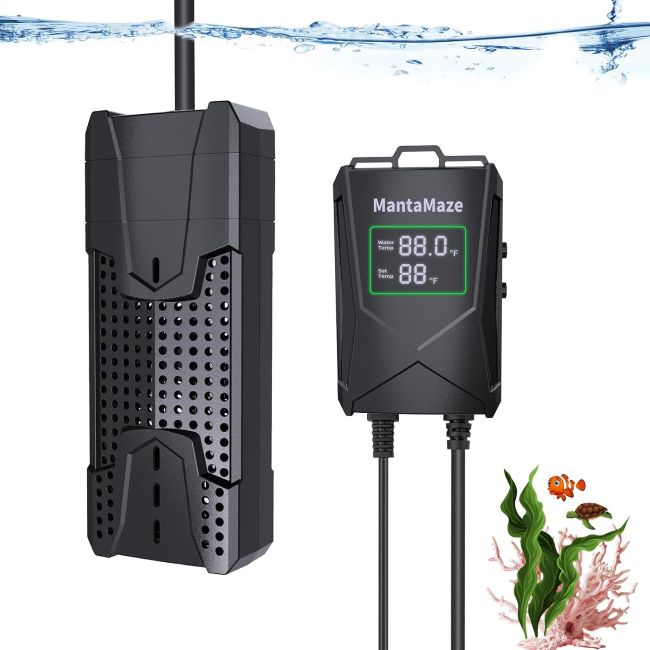
8. MantaMaze Aquarium Heater, 300W/500W/800W/1000W
Why It’s Best: The MantaMaze Aquarium Heater is designed for both freshwater and saltwater tanks, making it a versatile choice for Florida aquarists. Its intelligent system automatically stops heating when the water reaches the desired temperature or if the heater is out of water. Available in multiple wattages (300W to 1000W), it’s suitable for tanks ranging from 20 to 300 gallons. The heater’s durable quartz glass and corrosion-resistant materials ensure long-lasting performance.
Key Features Table:
| Feature | Details |
|---|---|
| Power Options | 300W, 500W, 800W, 1000W |
| Tank Capacity | 20-300 gallons (depending on wattage) |
| Safety Features | Automatic stop heating for dry-run and overheating |
| Material | Quartz glass and corrosion-resistant materials |
| Compatibility | Freshwater and saltwater tanks |
| Temperature Range | Adjustable with precise control |
Pros & Cons Table:
| Pros | Cons |
|---|---|
| Suitable for a wide range of tank sizes | Larger models can be bulky |
| Works for both freshwater and saltwater | Requires regular maintenance |
| Durable and corrosion-resistant | No digital display in some models |
Common Cleaning Tips for Aquarium Heaters
Keeping your aquarium heater clean ensures it operates efficiently and lasts longer. Here’s how to maintain it:
- Regular Inspection: Check your heater weekly for algae, mineral deposits, or corrosion. These can insulate the heating element, reducing its effectiveness.
- Gentle Cleaning: Use a soft sponge or cloth to wipe down the heater. Avoid abrasive materials that could scratch the glass or damage the heating element.
- Vinegar Soak for Mineral Deposits: If your heater has stubborn mineral buildup, soak it in a 50/50 mix of white vinegar and water for 15-20 minutes. Rinse thoroughly before reinstalling.
- Avoid Chemicals: Never use soap, bleach, or other harsh chemicals to clean your heater, as residues can harm your aquatic life.
Maintenance and Troubleshooting Tips
Even the best heaters can encounter issues. Here’s how to troubleshoot common problems:
- Heater Not Turning On: Check the power source and ensure the heater is properly plugged in. If it still doesn’t work, test the outlet with another device to rule out electrical issues.
- Inconsistent Temperature: Recalibrate the heater’s thermostat if your tank’s temperature fluctuates. Ensure the heater is fully submersed and placed near a water flow source for even distribution.
- Heater Stuck On: If the heater won’t turn off, unplug it immediately to prevent overheating. Check for a faulty thermostat or damaged wiring, and replace the heater if necessary.
- Algae or Mineral Buildup: Clean the heater as described above. If the issue persists, consider reducing the lighting in your tank to minimize algae growth.
- Leaking or Cracked Heater: Replace the heater immediately. A damaged heater can pose a serious electrical hazard.
What Real People Say — Voices from the Community
Hearing from fellow Florida aquarists can provide valuable insights into how these heaters perform in real-world conditions. Here’s what some hobbyists have to share:
- HiTauing Aquarium Heater: “I’ve been using the HiTauing heater in my 55-gallon freshwater tank for over a year now. The digital display is super accurate, and the safety features give me peace of mind. It’s handled Florida’s humidity and temperature swings like a champ.” – Carlos, Miami
- Fluval E 300 Watt Electronic Heater: “The Fluval E heater is a game-changer. The dual sensors ensure my reef tank stays at a consistent 78°F, which is critical for my corals. It’s a bit pricier, but the precision is worth it.” – Jessica, Tampa
- hygger Aquarium Heater (300W): “I love the hygger heater for my 40-gallon planted tank. The automatic shut-off feature saved me when my water level dropped during a power outage. It’s reliable and easy to use.” – Mark, Orlando
- Inkbird ITC-306A WiFi Temperature Controller: “The Inkbird controller has been a lifesaver. I travel a lot for work, and being able to monitor my tank’s temperature from my phone is incredible. I paired it with a hygger heater, and it’s been flawless.” – Sarah, Jacksonville
- Fluval M 200-Watt Submersible Heater: “Perfect for my 30-gallon betta tank. The Mirror Technology keeps the heat even, and the compact design fits perfectly in my planted setup. No complaints here!” – David, Tallahassee
- MantaMaze Aquarium Heater (500W): “I use the MantaMaze in my 75-gallon saltwater tank. It’s durable, easy to install, and keeps my water at a steady 76°F. The automatic shut-off gives me confidence that my tank is safe, even if I forget to check on it.” – Emily, Fort Lauderdale
Related Topics:
Relevant FAQs
1. What wattage heater do I need for my tank?
A general rule of thumb is 3-5 watts per gallon of water. For example, a 50-gallon tank would require a 150-250W heater. However, consider your room’s ambient temperature—warmer climates like Florida’s may need a slightly higher wattage.
2. Can I use multiple heaters in one tank?
Yes, using two smaller heaters instead of one large one can provide more even heating and redundancy. If one fails, the other can maintain the temperature until you notice and address the issue.
3. Where should I place my aquarium heater?
Place the heater near a water flow source, such as a filter outlet, to ensure even heat distribution. Avoid placing it near decorations or substrate where heat can get trapped.
4. How do I know if my heater is working properly?
Use a separate aquarium thermometer to monitor the water temperature. If the heater is functioning correctly, the temperature should remain stable within ±1°F of your set point.
5. Are submersible heaters better than hang-on-back heaters?
Submersible heaters are generally more efficient and accurate because they are fully immersed in the water. Hang-on-back heaters can be less precise and may not distribute heat as evenly.
6. Can I leave my aquarium heater plugged in all the time?
Yes, aquarium heaters are designed to run continuously. Their thermostats automatically turn the heating element on and off as needed to maintain the set temperature.
7. What should I do if my heater breaks?
Unplug the heater immediately and replace it as soon as possible. A broken heater can either fail to heat the water or, worse, overheat it, both of which can be deadly for your aquatic life.
8. Do I need a heater for a cold-water tank?
If your tank is in a room where the temperature consistently stays within the ideal range for your cold-water species (e.g., 60-70°F for goldfish), you may not need a heater. However, a heater can still be useful for maintaining stability during temperature fluctuations.
Final Thought
Choosing the best affordable aquarium heater in Florida (FL) is about more than just keeping your water warm—it’s about creating a stable, thriving environment for your aquatic life. Whether you opt for the advanced safety of the HiTauing heater, the precision of the Fluval E, or the smart technology of the Inkbird WiFi controller, each of these models offers unique benefits to suit different needs and budgets.
Don’t let Florida’s unpredictable climate compromise the health of your tank. Invest in a quality heater today, and enjoy the peace of mind that comes with knowing your aquatic ecosystem is in good hands. Your fish, plants, and corals will thank you for it!