How to Choose the Best Reef Aquarium Light for Vibrant Coral Health
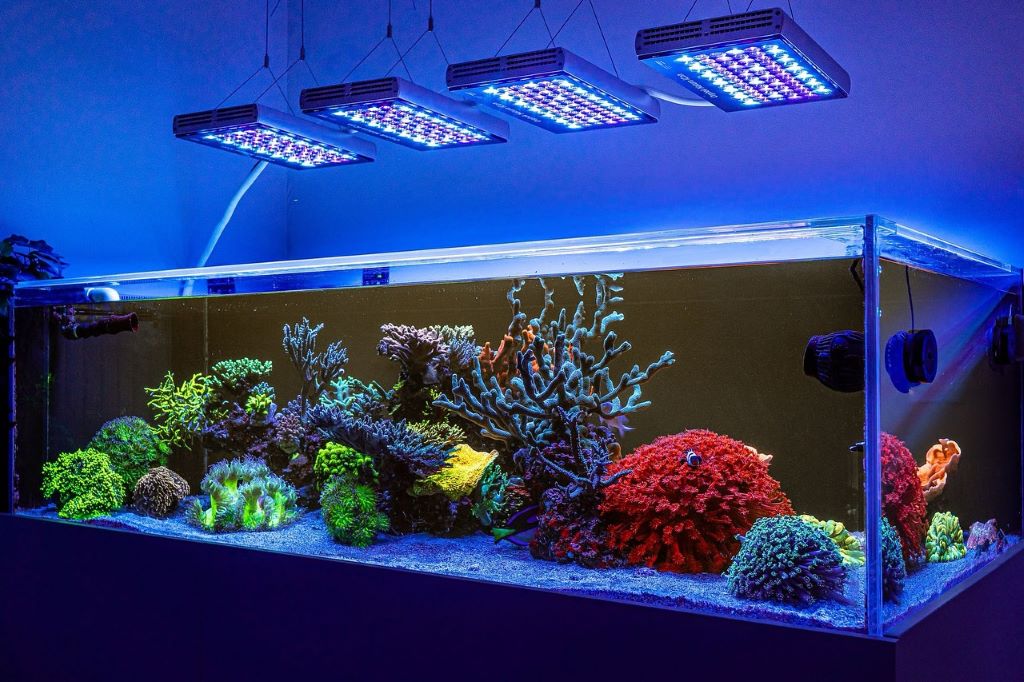
Creating a thriving reef aquarium is a rewarding experience that brings the beauty of the ocean into your home. However, one of the most critical factors in maintaining a healthy reef tank is proper lighting. Coral, the foundation of any reef ecosystem, relies on light for photosynthesis and growth. Without the right lighting, your coral may lose its vibrant colors, grow poorly, or even die.
In this guide, you’ll learn how to choose the best reef aquarium light for vibrant coral health. We’ll cover everything from understanding the role of light in coral growth to selecting the right type, spectrum, and intensity of lighting. By the end, you’ll be equipped with the knowledge to create a stunning and healthy reef aquarium.
Why Proper Lighting is Essential for Coral Health
Coral is not just a beautiful addition to your aquarium—it’s a living organism that relies on light for survival. Coral contains symbiotic algae called zooxanthellae, which use light to produce energy through photosynthesis. This energy is then shared with the coral, helping it grow and thrive. According to a study published in the journal Coral Reefs, proper lighting is crucial for maintaining the health and color of coral, as it directly impacts the photosynthesis process and the overall well-being of the coral.
Inadequate or improper lighting can lead to a range of issues, including poor coral growth, loss of color, and even coral bleaching. Coral bleaching occurs when coral expels its zooxanthellae due to stress, often caused by changes in light intensity or spectrum. This can result in the coral turning white and becoming more susceptible to disease and death.
Understanding the Role of Light Spectrum in Coral Growth
The light spectrum plays a crucial role in coral health and growth. Coral requires a broad spectrum of light, including blue, red, green, and violet wavelengths, to thrive. Each wavelength supports different aspects of coral health:
- Blue Light (400-500 nm): Essential for photosynthesis and promoting coral growth. Blue light penetrates water more deeply than other wavelengths, making it ideal for reef aquariums.
- Red Light (600-700 nm): Supports the growth of zooxanthellae and enhances coral coloration. Red light is less penetrating but is important for overall coral health.
- Green Light (500-600 nm): While not as critical as blue or red light, green light can enhance the visual appeal of your aquarium and support some aspects of coral growth.
- Violet/UV Light (380-430 nm): Promotes fluorescence in coral, creating a stunning visual effect and supporting certain biological processes.
A well-balanced light spectrum that mimics natural sunlight is ideal for promoting vibrant coral health. Many modern reef aquarium lights are designed to provide a full spectrum of light, allowing you to customize the intensity and color to suit your coral’s needs.
Types of Reef Aquarium Lights
There are several types of reef aquarium lights available, each with its own advantages and disadvantages. Understanding the different types will help you choose the best option for your reef tank.
LED Lights
LED (Light Emitting Diode) lights are the most popular choice for reef aquariums due to their energy efficiency, customizable spectrum, and long lifespan. LED lights are available in a wide range of colors and intensities, allowing you to create the perfect lighting environment for your coral. They also produce less heat than other types of lights, reducing the risk of overheating your aquarium.
One of the biggest advantages of LED lights is their ability to simulate natural lighting conditions, including sunrise, sunset, and moonlight. This can help create a more natural and stress-free environment for your coral and fish. Additionally, LED lights are highly energy-efficient, which can save you money on electricity costs over time.
Metal Halide Lights
Metal halide lights have been a staple in the reef aquarium hobby for many years. They provide a high-intensity light that is excellent for promoting coral growth and coloration. Metal halide lights produce a broad spectrum of light, including blue and red wavelengths, which are essential for coral health.
However, metal halide lights have some drawbacks. They produce a significant amount of heat, which can increase the temperature of your aquarium and require additional cooling. They also consume more energy than LED lights and have a shorter lifespan, requiring more frequent bulb replacements.
T5 Fluorescent Lights
T5 fluorescent lights are another popular option for reef aquariums. They are energy-efficient, produce less heat than metal halide lights, and provide a good spectrum of light for coral growth. T5 lights are available in a variety of colors, allowing you to customize the lighting environment for your reef tank.
One of the advantages of T5 lights is their affordability. They are generally less expensive than LED or metal halide lights, making them a good option for beginners or those on a budget. However, T5 lights may not provide the same level of intensity or customization as LED or metal halide lights.
Hybrid Lighting Systems
Hybrid lighting systems combine different types of lights, such as LED and T5, to provide a balanced and customizable lighting environment. These systems allow you to take advantage of the benefits of each type of light, creating an optimal environment for coral growth and coloration.
Hybrid systems are often used in larger or more advanced reef aquariums, where precise control over lighting conditions is desired. They can be more expensive and complex to set up, but they offer unparalleled customization and performance.
Key Features to Consider When Choosing a Reef Aquarium Light
When selecting a reef aquarium light, consider the following key features to ensure you get the best performance and value:
Light Spectrum
As mentioned earlier, the light spectrum is crucial for coral health. Look for lights that provide a full spectrum of light, including blue, red, green, and violet wavelengths. Many modern reef lights offer customizable spectrums, allowing you to adjust the color and intensity to suit your coral’s needs.
Light Intensity
The intensity of your reef light is another important factor to consider. Coral requires a certain level of light intensity to thrive, but too much intensity can cause stress and bleaching. The ideal intensity depends on the type of coral you have and the depth of your aquarium.
- Low Light Coral: Soft corals and some LPS (Large Polyp Stony) corals require lower light intensity.
- Medium Light Coral: Most LPS and some SPS (Small Polyp Stony) corals thrive under medium light intensity.
- High Light Coral: SPS corals and clams require high light intensity to thrive.
Programmable Features
Many modern reef lights come with programmable features that allow you to simulate natural lighting conditions. This includes the ability to create custom light schedules, simulate sunrise and sunset, and even mimic moonlight. Programmable features can help create a more natural and stress-free environment for your coral and fish.
Energy Efficiency
Energy efficiency is an important consideration, especially if you plan to run your reef light for extended periods. LED lights are the most energy-efficient option, consuming less power and producing less heat than metal halide or T5 lights. This can save you money on electricity costs and reduce the need for additional cooling.
Cooling System
Reef aquarium lights can produce a significant amount of heat, which can increase the temperature of your aquarium. Look for lights with built-in cooling systems, such as fans or heat sinks, to help dissipate heat and maintain a stable temperature in your tank.
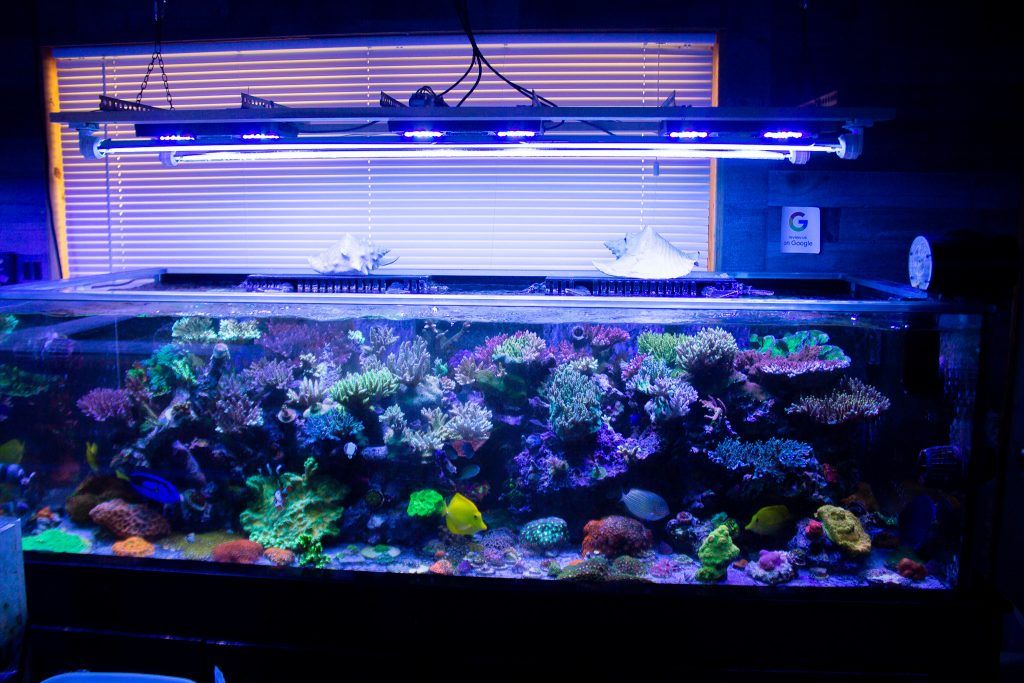
How to Choose the Right Reef Aquarium Light for Your Tank
Choosing the right reef aquarium light depends on several factors, including the size of your tank, the type of coral you have, and your budget. Here are some tips to help you make the best choice:
Consider the Size of Your Tank
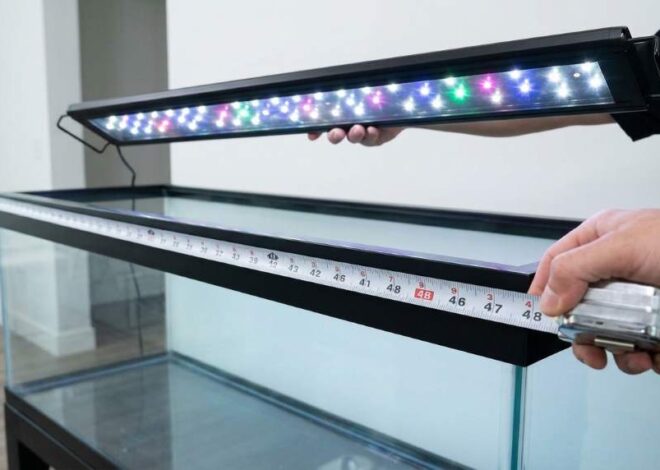
The size of your aquarium will influence the type and number of lights you need. Larger tanks require more powerful lights or multiple light fixtures to ensure even coverage. Measure the length, width, and depth of your tank to determine the appropriate lighting setup.
Determine the Type of Coral You Have
Different types of coral have different lighting requirements. Soft corals and LPS corals generally require lower light intensity, while SPS corals and clams need high light intensity. Consider the types of coral in your tank and choose a light that provides the appropriate spectrum and intensity.
Set a Budget
Reef aquarium lights vary widely in price, from affordable T5 fluorescent lights to high-end LED systems. Set a budget that balances your needs and financial constraints. Remember that investing in a high-quality light can save you money in the long run by reducing energy costs and improving coral health.
Research and Compare
Before making a purchase, research different types of reef lights and compare their features, performance, and price. Read reviews from other reef hobbyists and consult with experts to get recommendations based on your specific needs.
Personal Experience: Finding the Perfect Reef Aquarium Light
When I first set up my reef aquarium, I underestimated the importance of proper lighting. I started with a basic T5 fluorescent light, thinking it would be sufficient for my small tank. However, I quickly noticed that my coral wasn’t thriving as I had hoped. The colors were dull, and growth was slow.
Determined to improve the health of my coral, I invested in a high-quality LED reef light with a customizable spectrum and programmable features. The difference was immediate. My coral began to show vibrant colors, and growth accelerated significantly. I was also able to simulate natural lighting conditions, creating a more dynamic and visually appealing environment in my tank.
This experience taught me the importance of choosing the right reef aquarium light. A quality light not only enhances the health and appearance of your coral but also creates a more enjoyable and rewarding aquarium experience.
Tips for Maintaining Your Reef Aquarium Light
To extend the life of your reef aquarium light and maintain its performance, follow these maintenance tips:
- Clean your light regularly to remove dust, salt creep, and algae buildup. Use a soft cloth and a mild cleaning solution to avoid damaging the light.
- Replace bulbs or LEDs as recommended by the manufacturer. Over time, the intensity and spectrum of light can degrade, affecting coral health.
- Monitor the temperature of your aquarium and ensure your light’s cooling system is functioning properly. Excessive heat can stress your coral and fish.
- Adjust the light schedule and intensity as needed to accommodate changes in your tank, such as the addition of new coral or fish.
By taking proper care of your reef aquarium light, you’ll ensure it continues to provide the optimal lighting environment for your coral.
Frequently Asked Questions
What is the best type of light for a reef aquarium?
The best type of light for a reef aquarium depends on your specific needs and budget. LED lights are the most popular choice due to their energy efficiency, customizable spectrum, and long lifespan. However, metal halide and T5 fluorescent lights are also good options, depending on your tank size and coral type.
How long should I run my reef aquarium light each day?
Most reef aquariums require 8 to 12 hours of light per day, depending on the type of coral and the intensity of the light. Use a timer or programmable feature to create a consistent light schedule that mimics natural daylight cycles.
Can I use a regular aquarium light for a reef tank?
No, regular aquarium lights are not suitable for reef tanks. Coral requires a specific spectrum and intensity of light to thrive, which is not provided by standard aquarium lights. Invest in a light specifically designed for reef aquariums to ensure the health and growth of your coral.
How do I know if my coral is getting enough light?
Signs that your coral is getting enough light include vibrant colors, steady growth, and extended polyps. If your coral appears dull, grows slowly, or retracts its polyps, it may not be receiving adequate light. Adjust the intensity or spectrum of your light as needed.
How often should I replace my reef aquarium light?
The lifespan of a reef aquarium light depends on the type of light and how well it is maintained. LED lights can last up to 5 years or more, while metal halide and T5 bulbs typically need to be replaced every 6 to 12 months. Follow the manufacturer’s recommendations for replacement intervals.
Conclusion
Choosing the best reef aquarium light is essential for creating a vibrant and healthy reef ecosystem. By understanding the role of light in coral growth, selecting the right type and spectrum of light, and considering key features like intensity and programmability, you can create an optimal environment for your coral to thrive.
A high-quality reef light not only enhances the health and appearance of your coral but also creates a stunning and dynamic aquarium that you can enjoy for years to come. Whether you’re a beginner or an experienced hobbyist, investing in the right reef aquarium light will help you achieve the vibrant and thriving reef tank of your dreams.
Now that you’re equipped with the knowledge to choose the perfect reef aquarium light, it’s time to create your own underwater paradise!
What’s your favorite reef aquarium light? Share your experiences or ask any questions in the comments below!