
LED vs Fluorescent Aquarium Lighting – Pros And Cons
Aquarium lighting is more than just aesthetic—it’s essential for the health of your aquatic life. Choosing between LED and fluorescent lighting can impact your fish, plants, energy bills, and long-term maintenance. The debate over LED vs Fluorescent Aquarium Lighting – Pros And Cons has been heating up among hobbyists and professionals alike. This guide will break down each option, giving you the knowledge you need to make the smartest lighting decision for your tank.
Understanding the Basics
Fluorescent lights have been the go-to option for decades. They include compact fluorescents (CFLs) and T5 or T8 tubes. These bulbs emit bright, wide-spectrum light that’s especially useful for planted tanks.
LED lights, on the other hand, are newer to the aquarium scene but have gained rapid popularity. These light-emitting diodes are energy-efficient, highly customizable, and long-lasting.
So, what separates these two? Let’s break it down.
Energy Efficiency and Cost
When it comes to energy consumption, LEDs dominate the race. Studies by the U.S. Department of Energy have shown that LEDs use 75% less energy and last up to 25 times longer than incandescent lighting, and significantly more than fluorescents. Although initial costs for LED systems can be higher, the long-term savings on electricity and bulb replacements tip the scale heavily in their favor.
Fluorescents are cheaper upfront. A decent T5 fixture will cost less than a mid-range LED setup. However, fluorescents typically require replacement every 6–12 months to maintain peak performance, which adds recurring expenses.
Logic-backed verdict: LEDs win on long-term cost-efficiency and sustainability.
Lifespan and Maintenance
LED lights can last up to 50,000 hours, depending on the brand and use. That means years of consistent lighting without replacements. Compare that with fluorescent bulbs, which degrade in intensity after about 6–12 months. This fading light output can harm plant growth and fish behavior if not monitored.
Additionally, fluorescent systems often require ballasts and other components prone to wear. Maintenance becomes more frequent, especially in humid aquarium environments where corrosion is an issue.
With LEDs, the sealed units resist moisture better, and there’s virtually no heat generated at the bulb level, reducing risk to delicate ecosystems.
Expert insight: Less maintenance means more time enjoying your tank and less time troubleshooting equipment.
Light Quality and Spectrum Options
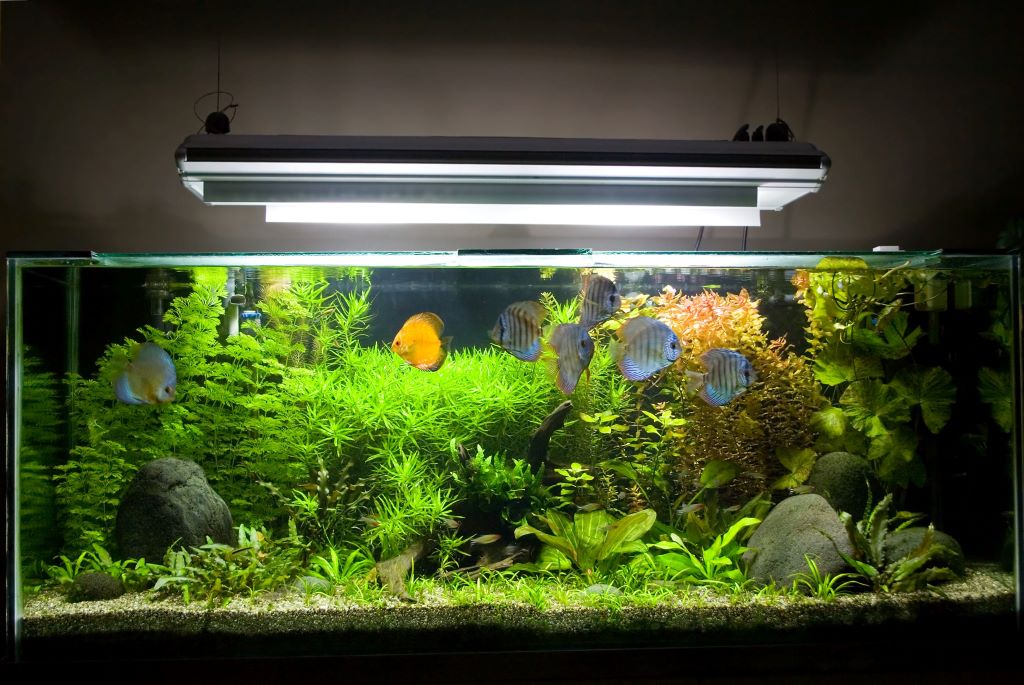
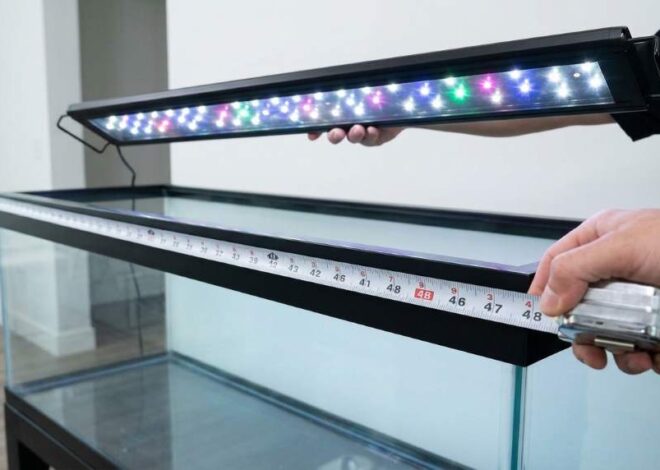
The quality of light directly impacts aquatic plants and corals. LEDs offer full-spectrum lighting and even allow for programmable settings, such as dawn, dusk, and moonlight simulations. This customization can help mimic natural conditions and promote healthier aquatic life.
Fluorescent lighting can also offer full-spectrum options, but it lacks the dynamic control LEDs provide. Most fluorescents produce a fixed intensity and color temperature, making fine-tuning your lighting setup more difficult.
For planted tanks or reef aquariums, spectrum flexibility is crucial. LED fixtures like the Fluval Plant 3.0 or Current USA Satellite Plus let you adjust red, blue, and white ratios to boost plant photosynthesis or coral coloration.
Logical takeaway: LED lights give more control over the aquatic environment, leading to better tank health.
Heat Emission
One of the major drawbacks of fluorescent lighting is heat production. These lights can increase water temperature, particularly in smaller or enclosed tanks. This rise in heat can stress sensitive species and lead to the need for cooling fans or chillers.
LEDs run much cooler. Their low heat output ensures that they don’t affect the tank temperature, helping maintain a stable aquatic climate. Less heat also means a reduced risk of algae blooms, which thrive in warmer waters.
Stat-supported logic: Lower heat equals more stable tank conditions and less equipment needed.
Eco-Friendliness
LEDs are clearly the greener choice. They contain no mercury, unlike fluorescent bulbs, which are considered hazardous waste. Improper disposal of fluorescents can leak toxins into the environment.
Additionally, fewer replacements mean fewer resources consumed over time. If you’re building a sustainable aquarium, LED lights align better with an eco-conscious lifestyle.
Environmental perspective: LEDs reduce your carbon footprint while supporting healthier aquatic ecosystems.
Aesthetic and Design Flexibility
Modern LED systems offer sleek designs that integrate smoothly into any tank setup. Many come with wireless controls, timers, and remote access apps. These features allow you to fine-tune your lighting schedule and appearance without touching a switch.
Fluorescent fixtures tend to be bulkier and less elegant. They often require more space, which can limit your aquascaping and hood options.
Practical view: LEDs enhance both form and function, offering a cleaner, more modern aesthetic.
The Counterpoints
Despite the dominance of LEDs, there are still some advantages to fluorescent lighting. For beginners or those on a tight budget, fluorescents remain a viable option. They’re readily available, easy to install, and still offer decent performance for low-tech tanks.
Also, certain species of aquatic life accustomed to older setups may respond better to the light quality from fluorescents. And in very large aquariums, replacing a few tubes may be cheaper than overhauling an entire LED grid.
Balanced judgment: Fluorescents can work well in specific scenarios, especially with budget or compatibility considerations.
Aquarium Hacks: Maintenance Tips And Problem-Solving Strategies
FAQs About LED vs Fluorescent Aquarium Lighting – Pros And Cons
- Which is better for planted tanks, LED or fluorescent?
LEDs are better due to customizable spectrums that boost plant photosynthesis and reduce algae growth. - Are LED lights too strong for fish?
No, most LED fixtures offer adjustable brightness to ensure comfort for sensitive species. - How often should fluorescent bulbs be replaced?
Typically every 6–12 months, even if they appear to work, as their light spectrum degrades over time. - Do LED lights promote algae?
Not inherently. Algae issues usually result from poor nutrient balance, not just lighting. - Are LEDs more expensive upfront?
Yes, but the investment pays off with energy savings, durability, and minimal maintenance. - Can I mix LED and fluorescent lighting?
It’s possible, but managing different spectrums and heat outputs can be tricky. - Do LEDs offer UV light for coral growth?
Many advanced LED systems include UV and actinic spectrums beneficial for coral health and coloration.
Final Thought
Choosing the right lighting isn’t just about brightness—it’s about fostering a thriving aquatic ecosystem. When weighing LED vs Fluorescent Aquarium Lighting – Pros And Cons, LEDs clearly outshine fluorescents in nearly every category, from energy efficiency and lifespan to environmental impact and customization.
However, budget constraints or specific tank needs may still justify fluorescent options in select cases. Whether you’re cultivating a lush planted tank, maintaining a coral reef, or simply lighting a community setup, understanding your lighting’s impact helps you make smarter, more sustainable decisions.
For more details, visit trusted resources like Aquarium Co-Op and Reef Builders for community insights and technical comparisons.
Let your lighting choice empower your aquatic life—not hold it back.
Read More: