How To Choose the Right Aquarium Heater for Stable Fish Tank Temperature
Keeping a fish tank thriving goes beyond just feeding your fish and cleaning the water. One of the most critical yet often overlooked aspects is maintaining a stable water temperature. Fish, like all living creatures, rely on a consistent environment to stay healthy. A sudden drop or spike in temperature can stress them, weaken their immune system, and even lead to illness or death.
I remember my first attempt at setting up a tropical fish tank. I skipped the aquarium heater setup, thinking my room’s ambient temperature would suffice. Within a week, my vibrant guppies became sluggish, and their colors faded. It was a harsh lesson, but it taught me the importance of investing in the right aquarium heater. If you’re new to fish keeping or looking to upgrade, this guide will help you choose the best heater for your tank.
Why a Stable Temperature Matters for Your Fish Tank
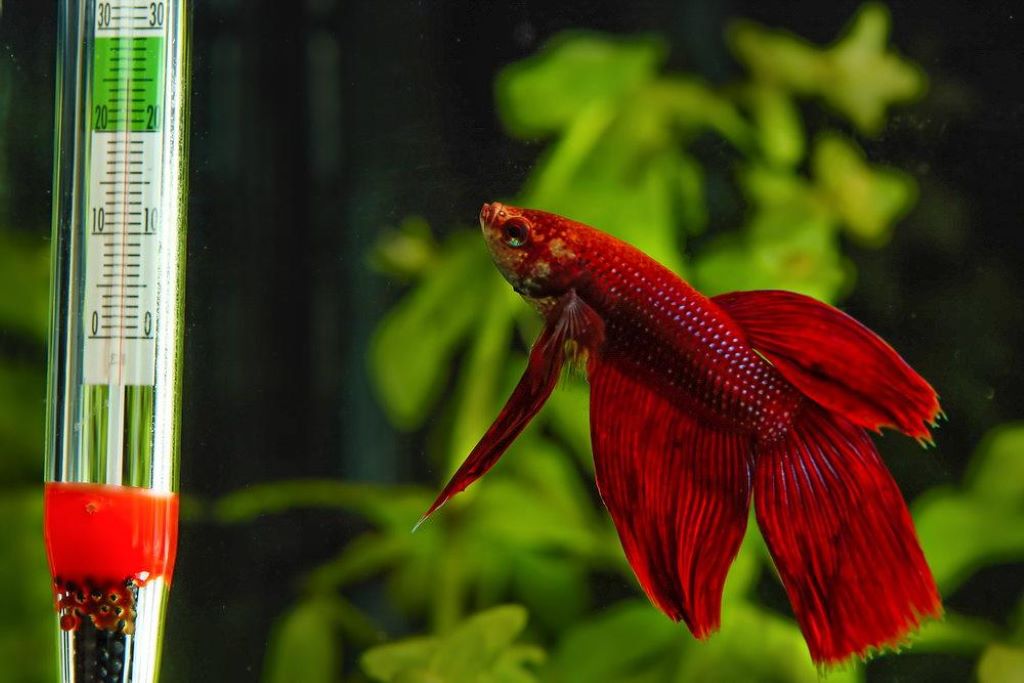
Fish are ectothermic, meaning they rely on their environment to regulate their body temperature. Unlike mammals, they cannot produce their own heat. Therefore, the water temperature directly impacts their metabolism, digestion, and overall well-being. For example, tropical fish like bettas and angelfish thrive in temperatures between 75°F and 80°F (24°C–27°C). If the water drops below this range, their metabolic rate slows down, making them more susceptible to diseases.
According to a study published in the Journal of Fish Biology, temperature fluctuations can cause chronic stress in fish, leading to reduced growth rates and increased mortality. Even a 2–3°F (1–2°C) change can disrupt their biological rhythms. This is why an aquarium heater setup is not just a luxury but a necessity for most fish keepers. Without it, you risk creating an unstable environment that can harm your aquatic pets.
Additionally, temperature stability is crucial for breeding. Many fish species require specific temperature ranges to trigger spawning. For instance, discus fish need temperatures around 82–86°F (28–30°C) to breed successfully. A reliable heater ensures these conditions are met consistently.
Types of Aquarium Heaters: Pros and Cons
Not all aquarium heaters are created equal. Understanding the different types will help you make an informed decision based on your tank size, fish species, and budget. Here’s a breakdown of the most common options:
1. Submersible Heaters
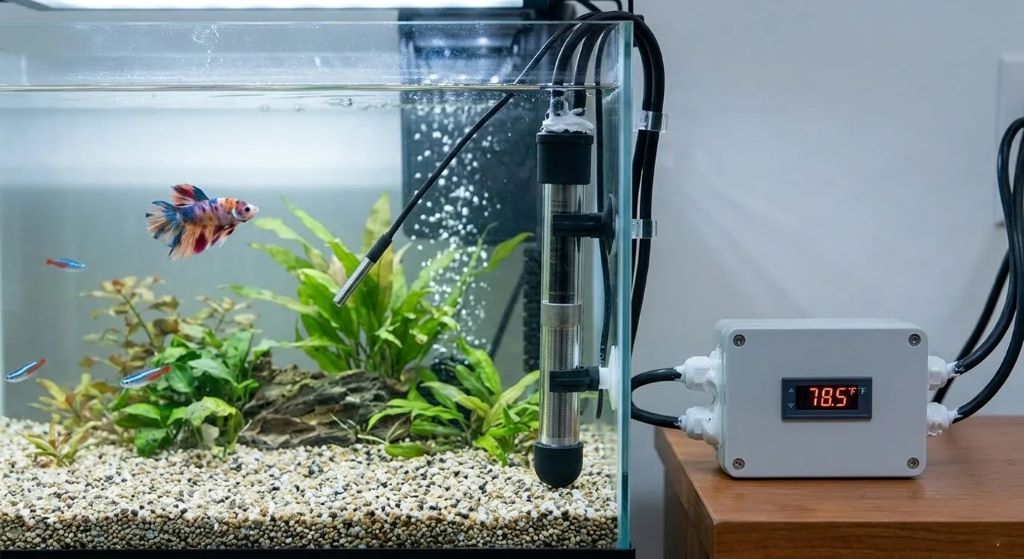
Submersible heaters are the most popular choice among fish keepers. They are fully waterproof and can be placed vertically or horizontally inside the tank. These heaters come with a thermostat that allows you to set and maintain a specific temperature. They are ideal for both freshwater and saltwater tanks and are available in various wattages to suit different tank sizes.
Pros:
- Easy to install and use
- Accurate temperature control
- Suitable for most tank sizes
Cons:
- Can be bulky and take up space in the tank
- May require a separate controller for larger tanks
2. Hang-On-Back Heaters
Hang-on-back (HOB) heaters are designed to hang on the back of the tank, with the heating element submerged in the water. They are a good option for smaller tanks or for fish keepers who prefer a cleaner look inside the tank.
Pros:
- Space-saving design
- Easy to monitor and adjust
- Good for small to medium-sized tanks
Cons:
- Less effective for larger tanks
- Can be less accurate in temperature control
3. Inline Heaters
Inline heaters are installed in the filtration system, heating the water as it passes through. They are a great choice for larger tanks or for fish keepers who want a hidden heating solution.
Pros:
- Out of sight, maintaining a clean tank aesthetic
- Efficient for large tanks
- Can be used with canister filters
Cons:
- More complex to install
- Requires compatible filtration system
4. Heating Cables
Heating cables are placed under the substrate and provide gentle, even heating from the bottom of the tank. They are often used in planted tanks or for species that prefer warmer substrate temperatures.
Pros:
- Even heat distribution
- Ideal for planted tanks
- Hidden from view
Cons:
- More difficult to install and replace
- Not suitable for all tank setups
How to Determine the Right Wattage for Your Tank
Choosing the correct wattage for your aquarium heater is crucial for maintaining a stable temperature. The general rule of thumb is to use 2.5 to 5 watts of heating power per gallon of water. For example, a 20-gallon tank would require a heater between 50 and 100 watts. However, this can vary based on factors like room temperature, tank insulation, and the type of fish you keep.
If your home is particularly cold, you may need a higher wattage heater to compensate for heat loss. Conversely, if your room is warm, a lower wattage may suffice. It’s always better to err on the side of caution and choose a slightly higher wattage than you think you need. This ensures your heater can handle temperature drops without struggling.
For larger tanks (50 gallons or more), consider using two smaller heaters instead of one large one. This approach provides more even heating and a backup in case one heater fails. Additionally, it’s easier to maintain a consistent temperature in a large tank with multiple heaters.
Here’s a quick reference table for wattage based on tank size:
| Tank Size (Gallons) | Recommended Wattage |
|---|---|
| 5–10 | 25–50W |
| 10–20 | 50–100W |
| 20–40 | 75–150W |
| 40–60 | 150–200W |
| 60+ | 200W+ (or multiple heaters) |
Key Features to Look for in an Aquarium Heater
Not all heaters are built the same. When shopping for an aquarium heater, there are several key features to consider to ensure you’re getting a reliable and safe product.
1. Adjustable Thermostat
An adjustable thermostat allows you to set the exact temperature you need for your fish. Look for heaters with a clear temperature display and easy-to-use controls. Digital thermostats are often more accurate than analog ones and can provide more precise temperature control.
2. Safety Features
Safety should be your top priority. Choose a heater with the following safety features:
- Automatic shut-off: Turns off the heater if the water level drops too low or if the heater overheats.
- Shatterproof construction: Prevents the heater from breaking and potentially harming your fish.
- Overheat protection: Ensures the heater doesn’t overheat and damage itself or the tank.
3. Durability and Build Quality
Aquarium heaters are an investment, so you want one that will last. Look for heaters made from high-quality materials like titanium or quartz glass. Titanium heaters are particularly durable and resistant to corrosion, making them ideal for saltwater tanks.
4. Ease of Installation and Use
A good heater should be easy to install and use. Submersible heaters are generally the easiest to set up, as they can be placed directly in the tank. Hang-on-back heaters are also user-friendly but may require more frequent monitoring.
5. Brand Reputation and Reviews
Before making a purchase, do some research on the brand and read reviews from other fish keepers. Brands with a strong reputation for quality and customer service are more likely to provide a reliable product. Websites like Amazon and specialized aquarium forums can be great resources for honest reviews.
Common Mistakes to Avoid When Choosing an Aquarium Heater
Even experienced fish keepers can make mistakes when selecting an aquarium heater. Here are some common pitfalls to avoid:
1. Choosing the Wrong Wattage
As mentioned earlier, wattage is critical. A heater that’s too weak won’t be able to maintain the desired temperature, while one that’s too strong can overheat the tank. Always calculate the wattage based on your tank size and room temperature.
2. Ignoring the Tank’s Environment
The location of your tank can affect the heater’s performance. If your tank is near a window or in a drafty area, it may lose heat more quickly, requiring a more powerful heater. Conversely, if your tank is in a warm room, you may not need as much heating power.
3. Skipping the Thermometer
A heater is only as good as your ability to monitor the temperature. Always use a reliable aquarium thermometer to keep an eye on the water temperature. Digital thermometers are more accurate than analog ones and can provide real-time readings.
4. Not Considering the Heater’s Placement
Where you place the heater in the tank can impact its effectiveness. For submersible heaters, place them near the filter to ensure even heat distribution. Avoid placing the heater near decorations or plants, as this can obstruct water flow and lead to uneven heating.
5. Overlooking the Heater’s Lifespan
Aquarium heaters don’t last forever. Most have a lifespan of 2–5 years, depending on the quality and usage. If your heater is old or showing signs of wear, it’s time to replace it. A failing heater can lead to temperature swings, which can be harmful to your fish.
Step-by-Step Guide to Installing Your Aquarium Heater
Installing an aquarium heater is a straightforward process, but it’s important to do it correctly to ensure safety and effectiveness. Follow these steps for a hassle-free setup:
Step 1: Unbox and Inspect the Heater
Before installation, unbox your heater and inspect it for any visible damage. Check the power cord for fraying or exposed wires. If you notice any issues, contact the manufacturer for a replacement.
Step 2: Rinse the Heater
Rinse the heater under lukewarm water to remove any dust or debris. Avoid using soap or detergents, as these can leave residues that may harm your fish.
Step 3: Position the Heater
For submersible heaters, place the heater vertically near the filter for optimal water flow. For hang-on-back heaters, attach it to the back of the tank according to the manufacturer’s instructions. Ensure the heating element is fully submerged in the water.
Step 4: Set the Temperature
Plug in the heater and set the thermostat to your desired temperature. Start with a slightly lower temperature and gradually increase it to avoid shocking your fish. Use a thermometer to monitor the water temperature and adjust the heater as needed.
Step 5: Monitor and Adjust
After installation, keep a close eye on the water temperature for the first 24 hours. Make any necessary adjustments to the heater to achieve the desired temperature. Once the temperature is stable, check it regularly to ensure everything is working correctly.
Maintaining Your Aquarium Heater for Longevity
A well-maintained aquarium heater can last for years, providing consistent and reliable performance. Here are some tips to keep your heater in top condition:
1. Regular Cleaning
Algae and mineral deposits can build up on the heater over time, reducing its efficiency. Clean the heater every few months using a soft brush or cloth. Avoid using abrasive materials, as these can scratch the heater’s surface.
2. Check for Damage
Inspect your heater regularly for signs of wear or damage. Look for cracks in the glass, frayed cords, or corrosion on the heating element. If you notice any issues, replace the heater immediately.
3. Test the Thermostat
Periodically test your heater’s thermostat to ensure it’s working accurately. You can do this by setting the thermostat to a specific temperature and using a thermometer to verify the water temperature matches the setting.
4. Avoid Overloading the Outlet
Aquarium heaters draw a significant amount of power. Avoid plugging multiple heaters or other high-wattage devices into the same outlet to prevent overloading and potential electrical hazards.
5. Replace Old Heaters
As mentioned earlier, aquarium heaters have a limited lifespan. If your heater is more than a few years old or showing signs of wear, it’s best to replace it proactively. A failing heater can lead to temperature swings, which can stress or harm your fish.
Troubleshooting Common Aquarium Heater Problems
Even with proper care, aquarium heaters can sometimes encounter issues. Here’s how to troubleshoot some common problems:
1. Heater Not Turning On
If your heater isn’t turning on, make sure it’s properly plugged in and the outlet is working, then check the power cord for damage, and if everything looks fine, the internal components may be faulty and the heater might need replacement.
2. Heater Not Heating Enough
If your heater is running but not reaching the desired temperature, it may be underpowered for your tank size. Check the wattage and ensure it’s appropriate for your tank. If the wattage is correct, the issue may be with the thermostat. Try recalibrating or replacing the thermostat.
3. Heater Overheating
An overheating heater can be dangerous for your fish and the tank. If you notice the water temperature rising above the set point, unplug the heater immediately. Check for any obstructions around the heater that may be trapping heat. If the problem persists, the heater may be faulty and should be replaced.
4. Temperature Fluctuations
If your heater is causing temperature swings, it may be due to a faulty thermostat or an inappropriate wattage. Ensure the heater is the right size for your tank and that the thermostat is functioning correctly. If the issue continues, consider upgrading to a more reliable heater.
5. Heater Leaking or Cracked
A leaking or cracked heater is a serious safety hazard. If you notice any water inside the heater or cracks in the glass, unplug it immediately and replace it. Do not attempt to repair a damaged heater, as this can lead to electrical shocks or fires.
Best Aquarium Heaters for Different Tank Sizes
With so many options on the market, choosing the right aquarium heater can be overwhelming. Here are some top recommendations based on tank size and budget:
1. Small Tanks (5–10 Gallons)
For small tanks, a compact and reliable heater is key. The Aqueon Preset Heater is a great option, offering a preset temperature of 78°F, which is ideal for most tropical fish. It’s affordable, easy to use, and comes with a shatterproof design.
2. Medium Tanks (20–40 Gallons)
For medium-sized tanks, the Eheim Jager Aquarium Heater is a popular choice. It features an adjustable thermostat, precise temperature control, and a durable glass construction. It’s also fully submersible and comes with a 3-year warranty.
3. Large Tanks (50+ Gallons)
For larger tanks, consider the Fluval E Electronic Heater. This heater offers digital temperature control, a large LCD display, and dual temperature sensors for accurate readings. It’s also equipped with safety features like automatic shut-off and overheat protection.
4. Budget-Friendly Option
If you’re on a budget, the Tetra HT Submersible Heater is a solid choice. It’s affordable, easy to install, and comes with an adjustable thermostat. While it may not have all the bells and whistles of higher-end models, it’s a reliable option for beginners.
The Role of Aquarium Heaters in Different Fish Species
Different fish species have different temperature requirements. Understanding the needs of your fish will help you choose the right heater and maintain a suitable environment.
1. Tropical Fish
Tropical fish, such as bettas, guppies, and angelfish, require warmer water temperatures between 75°F and 80°F (24°C–27°C). A reliable aquarium heater is essential for keeping these fish healthy and active.
2. Coldwater Fish
Coldwater fish, like goldfish and white cloud mountain minnows, prefer cooler temperatures between 60°F and 70°F (15°C–21°C). In most cases, a heater isn’t necessary for these fish unless your home is particularly cold. However, a heater can still be useful for maintaining a consistent temperature.
3. Marine Fish
Marine fish, such as clownfish and tangs, require stable temperatures between 76°F and 80°F (24°C–27°C). Saltwater tanks often require more precise temperature control, so investing in a high-quality heater with a digital thermostat is recommended.
4. Planted Tanks
Planted tanks can benefit from a heater, especially if you’re growing tropical plants like Amazon swords or Java ferns. These plants thrive in temperatures between 72°F and 82°F (22°C–28°C). A heating cable can be a great option for planted tanks, as it provides gentle, even heating from the substrate.
Energy Efficiency and Cost Considerations
Running an aquarium heater can add to your electricity bill, but there are ways to minimize the cost. Here are some tips for improving energy efficiency:
1. Insulate Your Tank
A well-insulated tank retains heat more effectively, reducing the workload on your heater. Use a tank lid to prevent heat loss through evaporation, and consider adding a background or foam board to the back and sides of the tank.
2. Choose an Energy-Efficient Heater
Some heaters are more energy-efficient than others. Look for models with a high efficiency rating and features like automatic shut-off, which can help reduce energy consumption.
3. Use a Timer or Smart Plug
If your home’s temperature fluctuates significantly between day and night, consider using a timer or smart plug to control your heater. This allows you to adjust the heating schedule based on your needs, potentially saving energy.
4. Monitor Your Electricity Usage
Keep an eye on your electricity bill to see how much your aquarium heater is costing you. If you notice a significant increase, it may be time to upgrade to a more efficient model or improve your tank’s insulation.
Safety Tips for Using Aquarium Heaters
Safety should always be a top priority when using aquarium heaters. Here are some essential tips to keep your fish and your home safe:
1. Use a Ground Fault Circuit Interrupter (GFCI)
A GFCI outlet can protect against electrical shocks by cutting off power if a fault is detected. Always plug your aquarium heater into a GFCI outlet to reduce the risk of electrical accidents.
2. Keep the Heater Submerged
Most aquarium heaters are designed to be fully submerged in water. If the water level drops and the heater is exposed to air, it can overheat and crack. Always ensure the heater is fully submerged, and use a water level indicator if necessary.
3. Avoid DIY Repairs
If your heater is damaged or not working properly, do not attempt to repair it yourself. Aquarium heaters involve electrical components and water, which can be a dangerous combination. Always replace a faulty heater with a new one.
4. Keep Cords Away from Water
Ensure that the power cord for your heater is kept away from the water to prevent electrical shocks. Use cord clips or ties to secure the cord and keep it out of the tank.
5. Regularly Inspect the Heater
As mentioned earlier, regularly inspect your heater for signs of wear or damage. Replace it immediately if you notice any issues.
Conclusion
Choosing the right aquarium heater is essential for maintaining a stable and healthy environment for your fish. From understanding the importance of temperature stability to selecting the right type and wattage, there’s a lot to consider. By following the guidelines in this article, you can make an informed decision and ensure your fish thrive in their new home.
Remember, a reliable heater is an investment in the health and happiness of your aquatic pets. Don’t cut corners—choose a high-quality heater that meets your tank’s needs and provides the safety features you require.
Have you had any experiences with aquarium heaters? Share your stories or tips in the comments below! If you found this guide helpful, don’t forget to share it with fellow fish keepers. Happy fish keeping!
FAQs
What size aquarium heater do I need for a 20-gallon tank?
For a 20-gallon tank, a heater with a wattage between 50 and 100 watts is recommended. This will provide enough power to maintain a stable temperature without overheating the tank.
Can I use two heaters in my aquarium?
Yes, using two heaters in a large tank can provide more even heating and act as a backup in case one heater fails. Just ensure the combined wattage is appropriate for your tank size.
How do I know if my aquarium heater is working?
Use a reliable aquarium thermometer to monitor the water temperature. If the temperature remains stable and matches the setting on your heater, it’s working correctly. If not, check for issues like damage or a faulty thermostat.
Are submersible heaters better than hang-on-back heaters?
Submersible heaters are generally more accurate and efficient, as they are fully submerged in the water. However, hang-on-back heaters can be a good option for smaller tanks or for fish keepers who prefer a cleaner look.
How often should I replace my aquarium heater?
Aquarium heaters typically last between 2 and 5 years, depending on the quality and usage. If your heater is old or showing signs of wear, it’s best to replace it proactively to avoid temperature swings or safety hazards.