How To Keep Aquarium Water Cool Using Fish Tank Cooling Fans
Keeping your aquarium water at the right temperature is crucial for the health and happiness of your fish. When the water gets too warm, it can stress your fish, reduce oxygen levels, and even lead to disease or death. Many aquarium owners struggle with overheating, especially during the hot summer months or in warm climates. Fortunately, using a fish tank cooling fan is one of the simplest and most effective ways to maintain a stable, cool environment for your aquatic pets.
I remember the first time I noticed my fish gasping at the surface of the water. The room temperature had risen due to a heatwave, and my aquarium’s water temperature had climbed to a dangerous 84°F (28.9°C). After some quick research, I decided to try an aquarium cooling fan. Within hours, the water temperature dropped to a safer 78°F (25.6°C), and my fish were back to swimming happily. This experience taught me the importance of having a reliable cooling solution in place.
In this guide, I’ll walk you through everything you need to know about using fish tank cooling fans to keep your aquarium water cool and your fish healthy.
Why Is It Important to Keep Aquarium Water Cool?
Fish are ectothermic, meaning they rely on their environment to regulate their body temperature. When the water in your aquarium gets too warm, it can have serious consequences for your fish and the overall ecosystem of the tank. Here’s why maintaining a cool temperature is so important:
First, warm water holds less oxygen than cool water. According to a study published in the Journal of Fish Biology, dissolved oxygen levels can drop by as much as 20% when water temperature increases by just 10°F (5.6°C). This can lead to oxygen deprivation, causing your fish to gasp at the surface and suffer from stress or even suffocation.
Additionally, high temperatures can accelerate the metabolism of your fish. While this might sound like a good thing, it actually means your fish will consume more oxygen and produce more waste. This can lead to a buildup of ammonia and nitrites in the water, which are toxic to fish. A study by the American Fisheries Society found that fish exposed to elevated temperatures for prolonged periods are more susceptible to diseases and infections.
Finally, warm water can disrupt the balance of beneficial bacteria in your aquarium. These bacteria are responsible for breaking down waste and maintaining water quality. When the temperature rises, the bacteria can become less efficient, leading to poor water conditions.
Therefore, keeping your aquarium water cool is not just about comfort—it’s about survival.

How Do Aquarium Cooling Fans Work?
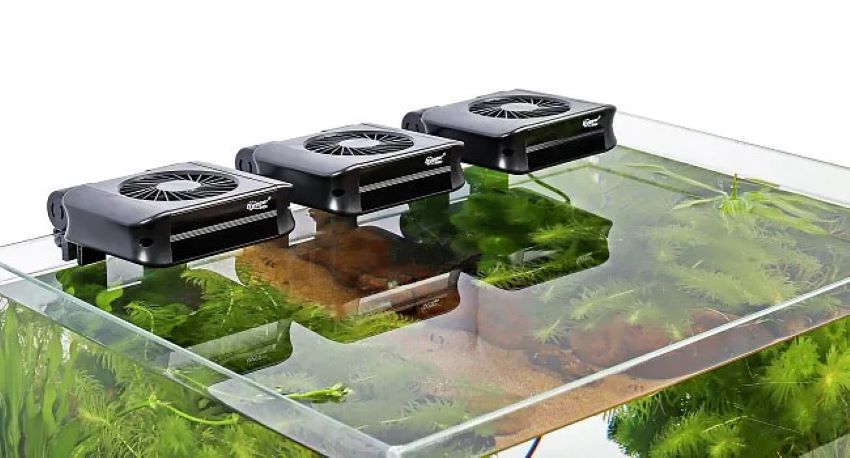
Aquarium cooling fans are designed to lower the water temperature by increasing evaporation. As water evaporates, it takes heat with it, effectively cooling the remaining water in the tank. These fans blow air across the surface of the water, speeding up the evaporation process and helping to maintain a stable temperature.
Most aquarium cooling fans are simple to install and use. They typically consist of one or more small fans that sit on top of the aquarium or are mounted nearby. The fans are often equipped with adjustable speeds, allowing you to control the rate of cooling. Some models also come with built-in thermostats, which automatically turn the fan on or off based on the water temperature.
One of the biggest advantages of using a cooling fan is its energy efficiency. Unlike chillers, which can consume a lot of electricity, cooling fans use very little power. According to a comparison study by Aquarium Advice, cooling fans can reduce water temperature by 2–5°F (1.1–2.8°C) and cost just pennies a day to run. This makes them an affordable and eco-friendly option for aquarium owners.
However, it’s important to note that cooling fans work best in environments with low humidity. In highly humid conditions, the evaporation process slows down, reducing the fan’s effectiveness. Additionally, you’ll need to top off your aquarium regularly to replace the water lost through evaporation.
Benefits of Using an Aquarium Cooling Fan
Using an aquarium cooling fan offers several benefits beyond just lowering the water temperature. Here are some of the key advantages:
- Cost-Effective Cooling: Compared to other cooling methods like chillers, cooling fans are much more affordable. They are also cheaper to run, making them a budget-friendly option for aquarium owners.
- Easy to Install and Use: Most cooling fans are plug-and-play devices. You simply place them on or near your aquarium, plug them in, and adjust the settings as needed. There’s no complex setup or maintenance required.
- Energy Efficient: Cooling fans consume very little electricity, making them an energy-efficient choice. This not only saves you money but also reduces your carbon footprint.
- Improves Water Oxygenation: By increasing surface agitation, cooling fans help to improve oxygen exchange between the water and the air. This is especially beneficial in warm water, where oxygen levels are naturally lower.
- Versatile: Cooling fans can be used on a variety of aquarium sizes and types, from small freshwater tanks to large saltwater setups. They are also suitable for use with both open and closed-top aquariums.
In my own experience, using a cooling fan has not only helped me maintain a stable temperature but has also improved the overall health of my aquarium. My fish are more active, and the water quality has never been better.
How to Choose the Right Aquarium Cooling Fan
Not all aquarium cooling fans are created equal. To get the best results, you’ll need to choose a fan that’s suited to your specific needs. Here are some factors to consider when selecting a cooling fan for your aquarium:
First, think about the size of your aquarium. Larger tanks will require more powerful fans to achieve the same cooling effect. As a general rule, you’ll need about 1–2 cubic feet per minute (CFM) of airflow for every 10 gallons of water. For example, a 50-gallon tank would need a fan with a flow rate of 5–10 CFM.
Next, consider the noise level of the fan. Some models can be quite loud, which can be disruptive if your aquarium is in a living area. Look for fans that are specifically designed to operate quietly, especially if noise is a concern for you.
Another important factor is the fan’s adjustability. Fans with multiple speed settings allow you to fine-tune the cooling effect based on the current water temperature. Some advanced models even come with built-in thermostats, which automatically adjust the fan speed to maintain a consistent temperature.
Finally, think about the build quality and durability of the fan. Since cooling fans are exposed to moisture, it’s important to choose a model that’s resistant to rust and corrosion. Look for fans made from high-quality materials like stainless steel or plastic.
Step-by-Step Guide to Installing an Aquarium Cooling Fan
Installing an aquarium cooling fan is a straightforward process, but there are a few key steps you’ll need to follow to ensure it works effectively. Here’s a step-by-step guide to help you get started:
- Position the Fan: Place the fan on top of your aquarium or mount it nearby. The fan should be positioned so that it blows air directly across the surface of the water. This will maximize evaporation and cooling.
- Adjust the Angle: If your fan has an adjustable angle, tilt it so that the airflow is directed toward the water’s surface. This will help to create ripples on the water, increasing the surface area for evaporation.
- Plug in the Fan: Connect the fan to a power source. If your fan has a speed control, start with the lowest setting and gradually increase it as needed.
- Monitor the Temperature: Use a reliable aquarium thermometer to keep an eye on the water temperature. Aim to maintain a temperature that’s appropriate for the type of fish you keep. For most tropical fish, this is between 75–80°F (23.9–26.7°C).
- Top Off the Water: As the water evaporates, you’ll need to add more to keep the water level stable. Use dechlorinated water that matches the temperature and chemistry of your aquarium.
- Maintain the Fan: Regularly clean the fan blades and housing to prevent dust buildup, which can reduce its efficiency. Also, check for any signs of wear or corrosion, especially if the fan is exposed to moisture.
By following these steps, you can ensure that your cooling fan operates at peak efficiency and keeps your aquarium water at the ideal temperature.
Common Mistakes to Avoid When Using Aquarium Cooling Fans
While aquarium cooling fans are a great way to lower water temperature, there are some common mistakes that aquarium owners make when using them. Avoiding these pitfalls will help you get the most out of your cooling fan and keep your fish healthy.
One of the most common mistakes is placing the fan too far away from the water’s surface. If the fan isn’t blowing air directly across the water, it won’t be effective at cooling. Make sure the fan is positioned close enough to create ripples on the surface.
Another mistake is using a fan that’s too small for the aquarium. A small fan might not provide enough airflow to cool a large tank effectively. Always choose a fan that’s appropriately sized for your aquarium.
Additionally, some aquarium owners forget to top off the water regularly. As the water evaporates, the water level in the tank will drop, which can expose heaters, filters, or other equipment. Make it a habit to check the water level daily and add more as needed.
Finally, avoid running the fan continuously at high speeds. This can cause excessive evaporation and temperature fluctuations, which can stress your fish. Instead, use the fan as needed to maintain a stable temperature.
Alternative Methods to Keep Aquarium Water Cool
While aquarium cooling fans are a highly effective way to lower water temperature, they’re not the only option. Here are some alternative methods you can use to keep your aquarium cool:
- Use a Chiller: Aquarium chillers are devices that actively cool the water using a refrigeration system. They are more expensive than cooling fans but can provide precise temperature control, making them ideal for large or sensitive aquariums.
- Increase Surface Agitation: If you don’t have a cooling fan, you can increase surface agitation by adjusting the flow of your filter or adding an air stone. This will improve oxygen exchange and help to cool the water slightly.
- Turn Off Unnecessary Lights: Aquarium lights can generate a lot of heat. Turning them off when not in use can help to reduce the water temperature. Consider using LED lights, which produce less heat than traditional fluorescent or incandescent bulbs.
- Move the Aquarium: If possible, move your aquarium to a cooler location in your home. Avoid placing it near windows, heaters, or other sources of heat.
- Use Frozen Water Bottles: In an emergency, you can float a frozen water bottle in the aquarium to temporarily lower the temperature. However, this method is not a long-term solution and should be used sparingly.
Each of these methods has its own pros and cons, so choose the one that best fits your needs and budget.
Maintenance Tips for Your Aquarium Cooling Fan
To ensure your aquarium cooling fan continues to work effectively, regular maintenance is key. Here are some tips to keep your fan in top condition:
- Clean the Fan Regularly: Dust and debris can accumulate on the fan blades and housing, reducing its efficiency. Clean the fan every few weeks using a soft brush or cloth.
- Check for Wear and Tear: Inspect the fan for any signs of damage, such as cracked blades or rusted parts. Replace any worn or damaged components to prevent further issues.
- Lubricate Moving Parts: If your fan has moving parts, such as bearings, lubricate them periodically to ensure smooth operation. Use a lubricant that’s safe for use around aquariums.
- Store Properly When Not in Use: If you’re not using the fan year-round, store it in a dry, cool place to prevent damage. Make sure it’s clean and dry before storing it away.
By following these maintenance tips, you can extend the life of your cooling fan and keep it running efficiently for years to come.
FAQs
How much can an aquarium cooling fan lower the water temperature?
An aquarium cooling fan can typically lower the water temperature by 2–5°F (1.1–2.8°C), depending on factors like the fan’s power, the size of the aquarium, and the ambient temperature and humidity levels.
Can I use a regular fan instead of an aquarium cooling fan?
While a regular fan can provide some cooling, it’s not as effective as a fan specifically designed for aquariums. Aquarium cooling fans are built to handle moisture and are optimized for maximum airflow across the water’s surface.
How often should I clean my aquarium cooling fan?
It’s a good idea to clean your aquarium cooling fan every 2–4 weeks to prevent dust buildup and maintain optimal performance. If you notice a decrease in airflow or efficiency, clean it immediately.
Will an aquarium cooling fan work in a humid environment?
Aquarium cooling fans are less effective in highly humid environments because the evaporation process slows down. However, they can still provide some cooling, especially if combined with other methods like increasing surface agitation.
Are aquarium cooling fans safe for all types of fish?
Yes, aquarium cooling fans are safe for all types of fish as long as the water temperature remains within the appropriate range for the species you keep. Always monitor the temperature to ensure it stays within the ideal range for your fish.
Conclusion
Keeping your aquarium water cool is essential for the health and well-being of your fish. An aquarium cooling fan is a simple, cost-effective, and energy-efficient way to maintain a stable temperature in your tank. By understanding how these fans work, choosing the right model, and following best practices for installation and maintenance, you can create a comfortable and safe environment for your aquatic pets.
From my own experience, investing in a quality cooling fan has been a game-changer for my aquarium. Not only has it helped me avoid the stress of overheating, but it has also improved the overall health and vitality of my fish. I encourage you to give it a try and see the difference it can make in your own setup.
If you found this guide helpful, please share it with fellow aquarium enthusiasts or leave a comment below with your own tips and experiences. Let’s work together to keep our fish happy and healthy!