Aquarium Mesh Egg Crate Uses and Sizes: Your Guide to Smarter Tank Setup
Imagine you stand by your aquarium, watching a school of tetras dart through a lush planted landscape. Suddenly, a rock shifts. Your heart skips. What if it cracks the glass? That moment hits home for many hobbyists. Enter aquarium mesh egg crate, the unsung hero of tank stability and creativity. This lightweight plastic grid, often called egg crate diffuser or light grid panel, started as a simple lighting cover in offices. Now, it transforms aquariums. Hobbyists cut, shape, and install it for everything from secure rock bases to coral nurseries.
The American Pet Products Association reports that 14.7 million U.S. households keep aquarium fish as pets. That’s a huge community facing common challenges like uneven weight distribution and algae control. A study in the Journal of Conservation Letters notes the aquarium trade moves 50 million coral reef animals yearly to 2 million global hobbyists. In this world, egg crate shines. It distributes loads evenly, cuts algae risks, and sparks DIY innovation. Ready to see how it fits your setup? Let’s dive in.
What Is Aquarium Mesh Egg Crate?
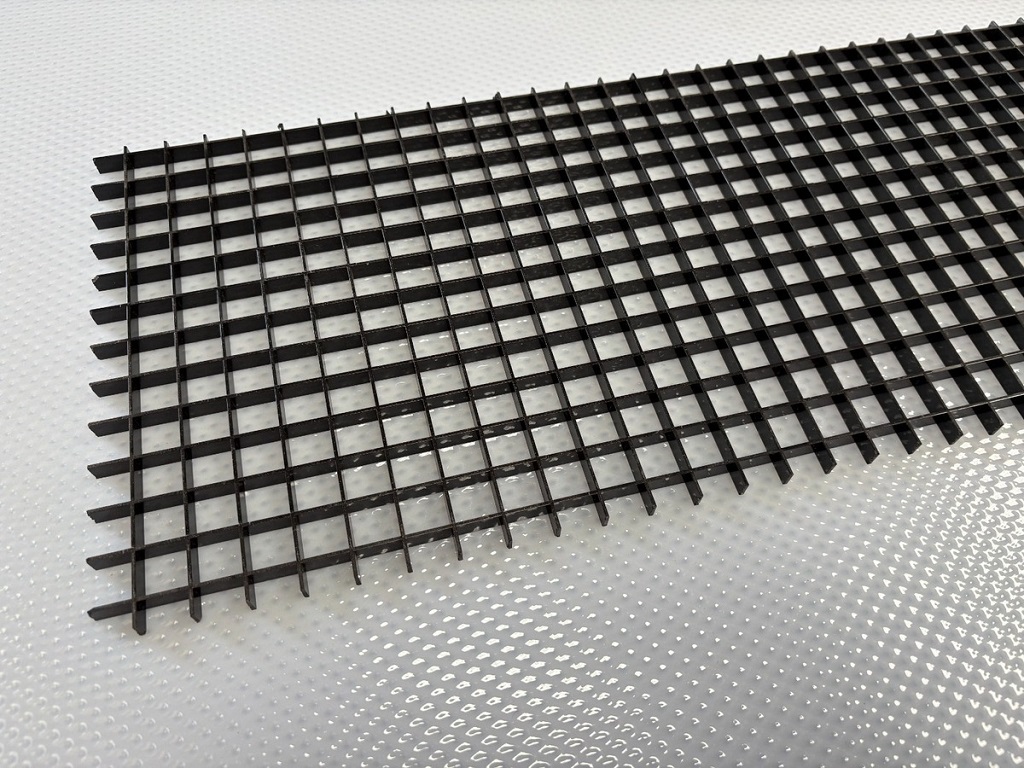
Aquarium mesh egg crate looks like a honeycomb of plastic squares. Thin walls form open cells that let water and light flow freely. Makers mold it from durable polystyrene or styrene, materials that resist water damage and warping. You find it in black or white sheets, each about 3/8 inch thick.
This grid earned its name from old egg shipping crates, but aquarium versions come from lighting suppliers. The black type hides better under sand and deters algae. White blends into light substrates. Cells measure 1/2 inch by 1/2 inch typically, creating a strong yet flexible structure.
Hobbyists love its versatility. One reefer shared how he turned a plain 20-gallon tank into a thriving cichlid haven. He layered egg crate under gravel to stop digs from toppling decorations. No more midnight rescues of buried fish. That’s the magic—it solves real problems without fuss.
Think of it as your tank’s skeleton. It supports without stealing the show. Over time, research from reef forums like Reef2Reef shows users report fewer cracks and easier cleanups. Unknown fact: Early aquarists in the 1980s repurposed it from construction sites, long before aquarium stores stocked it. Today, it powers setups from nano betta bowls to massive 220-gallon reefs.
Why Choose Aquarium Mesh Egg Crate for Your Tank?
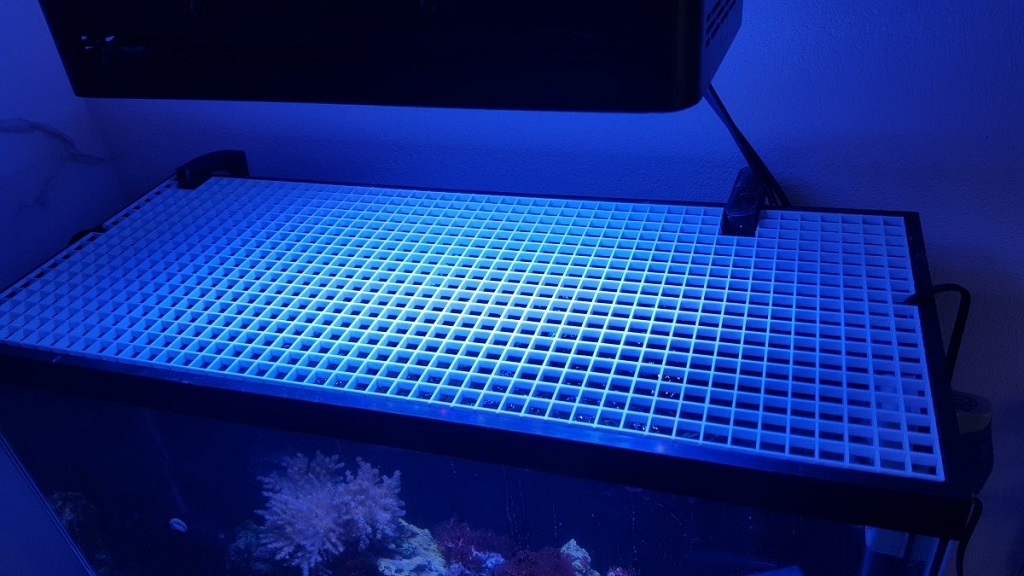
You build your dream aquarium step by step. Lights hum, filters whir, and fish explore. But hidden threats lurk—uneven rocks, jumping escape artists, or algae blooms. Aquarium mesh egg crate steps in as a quiet guardian. It spreads weight across the glass base, reducing crack risks by up to 50% in heavy rock scapes, per hobbyist tests on forums.
Flow matters too. In a 2023 survey by the UK Aquatic Plant Society, 68% of planted tank keepers noted better water circulation under rocks with egg crate bases. Detritus doesn’t pile up. Beneficial bacteria thrive on more surfaces. Your water stays clearer, fish healthier.
Algae control adds another win. Black egg crate absorbs light, starving nuisance greens. One Bulk Reef Supply study found it cuts plague algae growth by 30% on frag surfaces. For reefers, that’s gold—corals grow faster without fuzzy invaders.
Safety seals the deal. Jumping wrasses or cats prowling lids? Egg crate forms tough barriers. A Reddit thread from r/ReefTank shared a tale: A hobbyist saved his six-line wrasse from a late-night leap using a custom egg crate top. No injuries, just a quick lesson in lid design.
Environmentally, it shines. Reusing off-the-shelf grids means less waste. The global ornamental fish trade hit $10.15 billion in 2020, per industry reports. Smart tools like this keep hobbyists in the game without excess buys.
Key Uses of Aquarium Mesh Egg Crate in Freshwater and Saltwater Setups
Aquarium mesh egg crate flexes across tank types. Freshwater keepers use it for plant walls. Saltwater pros craft frag empires. Let’s break down the top ways it elevates your hobby.
Building Stable Aquascapes
Rocks tumble. Glass cracks. Sound familiar? Lay egg crate sheets flat on your tank bottom before adding substrate. It creates a grid that shares loads evenly. For a 55-gallon tank, cut two 24×48-inch sheets to fit. Stack rocks atop, then pour sand around.
Benefits stack up. Water flows underneath, flushing debris. In cichlid tanks, where digs rule, it prevents cave-ins. Tom from The Cichlid Stage blog tested this in a 220-gallon Malawi setup. No shifts in two years. Unknown tip: Heat white egg crate gently with a gun to bend arches for elevated platforms. Fish love the extra hideouts.
Crafting Frag Racks for Coral Growth
Reefers, listen up. Black egg crate makes killer frag racks. Its grid holds dozens of coral clippings in tight rows. Glue or zip-tie plugs into cells. The open design lets pumps hit every angle.
Why black? It blocks light that fuels algae. Bulk Reef Supply data shows frags grow 25% faster on dark surfaces. Space them 1/2-inch apart for flow. One hobbyist on Reef2Reef built a 12×24-inch rack for 50 acans. Harvest in months, sell extras, fund upgrades.
Pro move: Stack layers with PVC legs. Create vertical farms in sumps. Saves display space while boosting biodiversity.
Designing Custom Lids and Jump Guards
Fish jump. Fact of life. Egg crate turns open tops into secure zones. Cut panels to match your rim. Add mesh netting for finer blocks—stops juvies without killing light.
For rimless tanks, frame edges with egg crate borders. Zip-tie clear screen centers. A 2016 Reef2Reef user swapped glass lids for this hybrid. Evaporation dropped 40%, and PAR stayed high. Unknown fact: Early 90s hobbyists wired it over overflows to snag snails. Dual duty!
Pair with LEDs. The grid diffuses hotspots, evening growth. Test PAR first—expect 20% drop, per BRS lights.
Dividing Tanks for Breeding or Quarantine
Separate bullies from breeders. Egg crate sheets slot in as dividers. Cut slits for flow ports. In a 40-breeder, run vertical grids to isolate pairs.
Water mixes gently, nutrients share. A ScienceDirect study on hobbyist breeding found 66% use barriers like this. Success rates climb—no territory fights. For QT, it holds meds in one zone. Rinse and reuse.
Freshwater twist: Planted dividers. Thread stems through cells for living walls. Bettas claim sides, plants filter both.
Supporting Equipment and Sump Builds
Sumps need order. Egg crate shelves hold skimmers steady. Cut platforms, elevate pumps. Air circulates below, quieting noise.
In wet-dry filters, it corrals bioballs. Forums report 15% better oxygenation. Unknown hack: Bend strips into stands for ATO reservoirs. Keeps floats dry, probes clean.
For paludariums, layer it horizontally. Supports emersed plants while roots dip below. Reddit’s r/paludarium swears by 25×50-inch cuts for 20-gallon builds.
Standard Sizes of Aquarium Mesh Egg Crate and How to Pick the Right One
Sizes matter. Grab the wrong sheet, and you’re trimming forever. Standard egg crate comes in 2×2-foot or 2×4-foot panels. That’s 24×24 inches or 24×48 inches. Cells stay 1/2×1/2 inches across brands.
Thickness hovers at 3/8 inch for strength without bulk. ePlastics stocks black styrene in these cuts—perfect for reefs. For big tanks, like 120-gallons, two 2x4s cover the base.
Modular options shine. SaltwaterAquarium.com sells 6×12-inch rectangles. Snap them together for custom fits. Nano keepers grab 11.5×15-inch Amazon packs. Easy for 10-gallons.
Measure twice. Tank length plus 2 inches for overlaps. White for sand beds—hides under grains. Black for exposed racks—algae foe.
Cutting tips: Use tin snips. Score lines first for clean edges. A 2024 Reef2Reef poll showed 72% prefer pre-cut kits for lids. Saves time, reduces waste.
Scale up for giants. 120x60cm DJM sheets suit European 4-footers. Thickness jumps to 13mm for heavy loads.
Step-by-Step Guide: How to Use Aquarium Mesh Egg Crate in Your Setup
Ready to build? Follow this blueprint. It turns chaos into calm.
- Plan Your Project. Sketch your tank. Note rock spots, lid gaps, or sump shelves. Measure dimensions. Add 10% buffer for errors.
- Gather Tools. Snips, heat gun, zip ties, silicone. Aquarium-safe only. Gloves protect hands from sharp edges.
- Cut to Fit. Lay paper templates. Trace on egg crate. Snip slowly. For curves, score and bend.
- Prep the Surface. Rinse panels in saltwater. Dry fully. Test fit—adjust as needed.
- Install Base Layer. For aquascapes, place full sheets on glass. Glue corners if slick. Add substrate.
- Assemble Structures. Zip frag plugs. Stack with legs. Secure to walls with suction cups.
- Add Finishing Touches. Net over lids. Bend arches for caves. Monitor for a week—tweak flow.
Example: Sarah’s 75-gallon reef. She cut 24×36-inch black for a frag shelf. Mounted 30 montis. Growth exploded. Her secret? 1-inch PVC spacers for underflow.
Troubleshoot: Warps? Heat gently. Blocks light too much? Switch to clear mesh hybrids.
Pros and Cons of Aquarium Mesh Egg Crate
It excels, but know the trade-offs.
Pros:
- Distributes weight evenly—protects glass.
- Boosts flow, cuts detritus.
- Algae-resistant in black.
- Cheap, customizable DIY gold.
- Reusable across projects.
Cons:
- Can trap debris if not elevated.
- Blocks 20% PAR—test lights.
- White shows under thin sand.
- Cutting creates waste—plan smart.
- Not for ultra-heavy loads alone.
Balance them. Most users on FishLore forums rate it 4.5 stars. Wins outweigh hiccups.
Creative DIY Projects with Aquarium Mesh Egg Crate
Unleash your inner maker. These ideas spark joy.
- Hanging Plant Basket: Weave cells into a hoop. Thread pothos roots. Suspend in corner—natural filter.
- Snail Trap Frame: Box sections with mesh. Bait and bury. Weekly cleanups easier.
- Breeding Divider Maze: Stack grids zigzag. Creates territories in one tank.
- Sump Bio-Ring Holder: Grid shelves for rings. Doubles filtration media.
- Paludarium Shelf: Layer for land-water split. Frogs hop, fish swim below.
Case study: Mike’s aquaponics rig. He floated 60x60cm white over a 29-gallon. Pothos thrived, nitrates plummeted. Fish count rose 20%.
Unknown fact: In 2010s biohacking circles, hobbyists linked it to plenum systems—old-school denitrification hacks.
Maintenance and Longevity Tips for Your Egg Crate
Keep it pristine. Rinse monthly in tank water. Scrub algae gently—no bleach. Store spares flat, dry.
For longevity, elevate always. Direct glass contact speeds wear. A 2018 UKAPS thread tracked one sheet through five years—still strong.
Upgrade: Drill holes for zip ties. Makes disassembly snap-easy.
Related Topics: Aquarium Auto-Top-Off Float Valve Types
Conclusion
Aquarium mesh egg crate revolutionizes setups. It stabilizes rocks, grows frags, guards jumps, and sparks creativity. Sizes from 6×12 to 24×48 fit every tank. Black fights algae, white hides neat. Hobbyists worldwide swear by it—safer, cleaner waters await.
Grab a sheet today. Cut your first project. Watch your tank thrive. Share your build in comments—what will you create?
Related Topics: Aquarium Lid Condensation Prevention Tips
FAQs
What sizes does aquarium mesh egg crate come in?
Standard panels hit 24×24 inches or 24×48 inches. Smaller modular cuts like 6×12 work for nanos. Cells stay 1/2-inch square. Measure your tank and add overlap.
Is black or white egg crate better for aquariums?
Black cuts algae by blocking light—ideal for reefs. White blends under sand in freshwater. Pick based on visibility and growth needs.
Can aquarium mesh egg crate block too much light?
Yes, expect 20% PAR drop. Use for lids sparingly. Pair with strong LEDs. Test with a meter for coral depths.
How do I cut egg crate for custom fits?
Use tin snips or a fine saw. Score lines first. Wear gloves. Templates speed accuracy—trace tank edges.
Does egg crate work in planted freshwater tanks?
Absolutely. It supports roots and boosts flow. Thread plants through cells for walls. Watch for detritus under thick beds.
References