How to Choose the Best Aquarium UV Sterilizer for Clear and Healthy Water
Every aquarium hobbyist dreams of crystal-clear water and thriving, healthy fish. However, maintaining a balanced and clean environment can be a challenge, especially when dealing with algae blooms, harmful bacteria, or persistent cloudiness. One of the most effective tools for achieving pristine water is an aquarium UV sterilizer. This device uses ultraviolet light to eliminate algae, bacteria, and parasites, resulting in a healthier and more visually appealing tank.
But not all UV sterilizers are created equal. Choosing the right one depends on your tank size, the type of aquatic life you keep, and your specific water quality issues. Whether you’re a beginner or an experienced aquarist, understanding how UV sterilizers work and what to look for will help you make an informed decision.
If you’re searching for the best aquarium UV sterilizer to keep your water clear and your fish healthy, this guide will walk you through everything you need to know.
Why Use a UV Sterilizer in Your Aquarium?
UV sterilizers are powerful tools for maintaining water clarity and health. They work by exposing water to ultraviolet light, which damages the DNA of algae, bacteria, and parasites, rendering them unable to reproduce. According to a 2023 study published in the Journal of Aquatic Animal Health, UV sterilization can reduce harmful bacteria and algae in aquarium water by up to 90% when used correctly.
The benefits of using a UV sterilizer include:
- Clearer Water: UV sterilizers effectively combat green water algae, which can turn your tank murky and unsightly.
- Healthier Fish: By eliminating harmful bacteria and parasites, UV sterilizers reduce the risk of disease and stress in your fish.
- Reduced Maintenance: With fewer algae and bacteria, you’ll spend less time cleaning your tank and performing water changes.
- Improved Water Quality: UV sterilizers help maintain balanced water parameters by reducing organic waste and preventing harmful microbial blooms.
I first turned to a UV sterilizer when my 55-gallon tank was plagued by persistent green water algae. No matter how often I performed water changes or adjusted my lighting, the algae kept returning. After installing a UV sterilizer, the water cleared up within days, and my fish became more active and vibrant. It was a game-changer for my tank’s health and appearance.
How UV Sterilizers Work
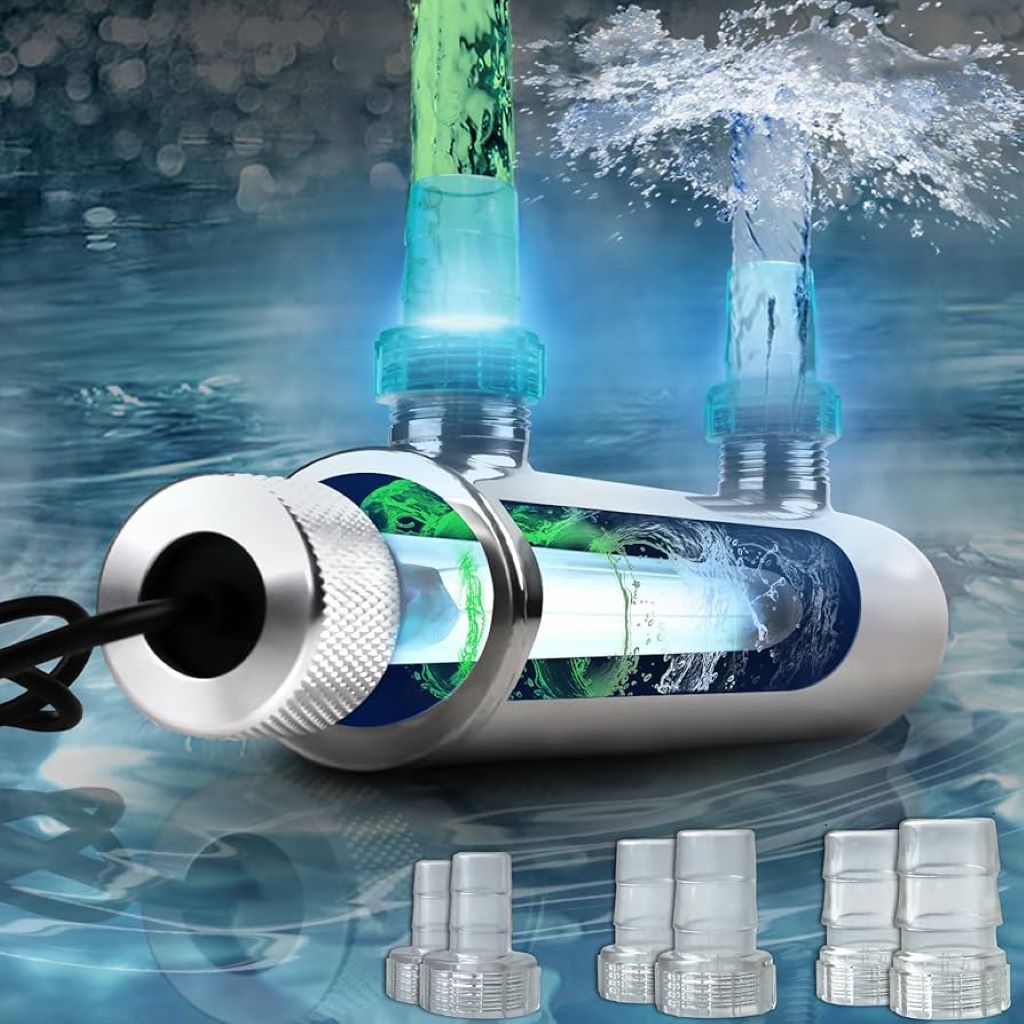
UV sterilizers use ultraviolet (UV-C) light to disrupt the cellular structure of microorganisms. As water flows through the sterilizer, it’s exposed to the UV light, which damages the DNA of algae, bacteria, and parasites. This prevents them from reproducing and eventually kills them off.
The process is simple but highly effective:
- Water Flow: Water is pumped through the UV sterilizer, where it’s exposed to the UV light.
- UV Exposure: The UV light damages the DNA of microorganisms, rendering them harmless.
- Return to Tank: The sterilized water flows back into the aquarium, free of harmful algae and bacteria.
UV sterilizers are particularly effective against:
- Green Water Algae: Single-celled algae that cause water to turn green and cloudy.
- Bacteria: Harmful bacteria that can cause disease and stress in fish.
- Parasites: External parasites like ich and velvet, which can be devastating to fish populations.
However, UV sterilizers are not a cure-all. They don’t remove physical debris or waste from the water, so they should be used alongside a good filtration system and regular maintenance.
Types of UV Sterilizers
1. Hang-On UV Sterilizers
Hang-on UV sterilizers are designed to attach to the back or side of your aquarium. They’re easy to install and ideal for smaller tanks or as a supplementary unit in larger setups. Hang-on sterilizers typically have a built-in pump that draws water from the tank, exposes it to UV light, and returns it to the aquarium.
- Best for: Small to medium tanks (up to 55 gallons) or as a secondary unit in larger tanks.
- Pros: Easy to install, compact, and affordable.
- Cons: Limited flow rate and UV exposure time compared to in-line models.
2. In-Line UV Sterilizers
In-line UV sterilizers are installed directly into your aquarium’s filtration system, usually between the filter and the return pump. They offer higher flow rates and more consistent UV exposure, making them ideal for larger tanks or heavily stocked aquariums.
- Best for: Medium to large tanks (55 gallons and up) or tanks with high bioloads.
- Pros: Higher flow rates, more effective sterilization, and seamless integration with existing filtration.
- Cons: More complex installation and higher cost.
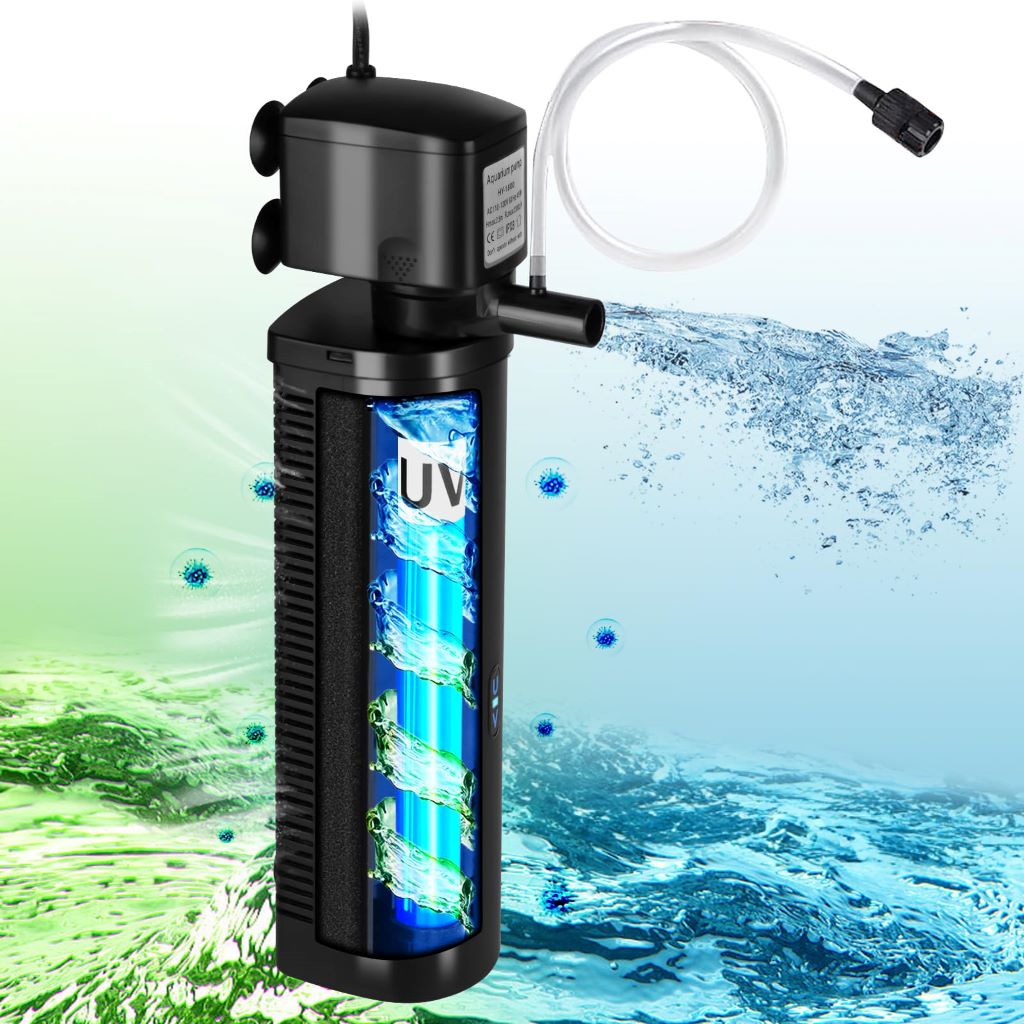
3. Submersible UV Sterilizers
Submersible UV sterilizers are placed directly inside the aquarium or sump. They’re compact and easy to use but may not be as powerful as hang-on or in-line models. Submersible sterilizers are best for small tanks or as a temporary solution.
- Best for: Small tanks (under 20 gallons) or temporary use.
- Pros: Compact, easy to install, and affordable.
- Cons: Limited power and effectiveness compared to other types.
4. Canister Filter UV Sterilizers
Some canister filters come with built-in UV sterilizers, combining mechanical, chemical, and UV filtration in one unit. These are convenient for larger tanks or setups where space is limited.
- Best for: Large tanks or setups with limited space for separate equipment.
- Pros: All-in-one filtration and sterilization, space-saving.
- Cons: Higher cost and more complex maintenance.
Key Features to Look For
1. UV Bulb Wattage
The wattage of the UV bulb determines its effectiveness. As a general rule, you need 8–10 watts of UV power for every 50 gallons of water. For example, a 55-gallon tank would require a 9–11 watt UV sterilizer. Higher wattage bulbs are more effective but also consume more energy.
2. Flow Rate
The flow rate of the UV sterilizer determines how long water is exposed to the UV light. A slower flow rate allows for more thorough sterilization, while a faster flow rate may reduce effectiveness. Look for a sterilizer with an adjustable flow rate or one that matches your tank’s turnover rate.
3. Bulb Life
UV bulbs lose their effectiveness over time and should be replaced every 6–12 months, even if they still light up. Some sterilizers come with indicators that alert you when it’s time to replace the bulb.
4. Ease of Installation
Choose a UV sterilizer that’s easy to install and maintain. Hang-on models are the simplest to set up, while in-line models require plumbing into your filtration system. Submersible models are easy to place but may not be as powerful.
5. Durability and Build Quality
Look for a UV sterilizer made from high-quality materials that can withstand the demands of an aquarium environment. Avoid cheap plastic models that may leak or degrade over time.
6. Safety Features
Some UV sterilizers come with safety features like automatic shut-off if the unit overheats or if the bulb fails. These features can help prevent accidents and prolong the life of your sterilizer.
7. Brand Reputation
Stick to reputable brands known for their quality and reliability. Brands like AquaTop, Green Killing Machine, and Coralife are popular among aquarists for their performance and durability.
How to Choose the Right UV Sterilizer for Your Tank
1. Determine Your Tank Size
The size of your tank is the most important factor in choosing a UV sterilizer. Use the general rule of 8–10 watts per 50 gallons to determine the appropriate wattage for your sterilizer. For example:
- 10–20 gallons: 5–8 watts
- 20–55 gallons: 8–11 watts
- 55–100 gallons: 11–18 watts
- 100+ gallons: 18+ watts
2. Consider Your Tank’s Bioload
Tanks with a high bioload (lots of fish or heavy feeding) require more powerful UV sterilizers. If your tank is heavily stocked, opt for a higher wattage bulb or an in-line model for better performance.
3. Match the Flow Rate
The flow rate of your UV sterilizer should match your tank’s turnover rate. For example, if your filter turns over 200 gallons per hour (GPH), your UV sterilizer should have a similar flow rate to ensure adequate exposure time.
4. Choose the Right Type
Select a UV sterilizer type that fits your setup and needs:
- Hang-on: Best for small to medium tanks or as a supplementary unit.
- In-line: Ideal for larger tanks or setups with high bioloads.
- Submersible: Good for small tanks or temporary use.
- Canister Filter: Convenient for larger tanks with limited space.
5. Check for Compatibility
Ensure the UV sterilizer is compatible with your existing filtration system. In-line models require plumbing, while hang-on models need a secure attachment to the tank. Submersible models should fit comfortably in your tank or sump.
6. Budget for Maintenance
UV sterilizers require regular maintenance, including bulb replacement and cleaning. Factor in the cost of replacement bulbs and any additional accessories when choosing a model.
How to Install and Maintain Your UV Sterilizer
Installation
- Read the Manual: Follow the manufacturer’s instructions for installation and safety guidelines.
- Position the Sterilizer: Place the sterilizer where it will receive adequate water flow. For hang-on models, attach it securely to the tank. For in-line models, plumb it into your filtration system.
- Connect the Power: Plug in the sterilizer and ensure the UV bulb is functioning.
- Test the Flow: Adjust the flow rate if necessary to ensure proper exposure time.
Maintenance
- Replace the Bulb: UV bulbs lose effectiveness over time and should be replaced every 6–12 months.
- Clean the Quartz Sleeve: The quartz sleeve that houses the UV bulb can become coated with algae or mineral deposits. Clean it regularly with a soft cloth and vinegar to maintain efficiency.
- Check for Leaks: Inspect the sterilizer for leaks or cracks, especially if it’s a hang-on or submersible model.
- Monitor Performance: Keep an eye on your water clarity and fish health. If algae or cloudiness returns, it may be time to replace the bulb or adjust the flow rate.
Common Mistakes to Avoid
1. Choosing the Wrong Wattage
A UV sterilizer with insufficient wattage won’t effectively sterilize your water. Always match the wattage to your tank size and bioload.
2. Skipping Maintenance
Failing to replace the UV bulb or clean the quartz sleeve reduces the sterilizer’s effectiveness. Follow the manufacturer’s maintenance guidelines to keep your unit running efficiently.
3. Ignoring Flow Rate
A flow rate that’s too fast reduces the water’s exposure to UV light, while a flow rate that’s too slow can cause overheating. Adjust the flow rate to match your tank’s turnover and the sterilizer’s capacity.
4. Using a UV Sterilizer as a Standalone Solution
UV sterilizers are not a replacement for filtration or regular maintenance. They should be used alongside a good filtration system and routine water changes.
5. Placing the Sterilizer in Direct Sunlight
UV bulbs can degrade faster when exposed to direct sunlight. Place your sterilizer in a shaded area to prolong the bulb’s life.
FAQs About Aquarium UV Sterilizers
How long does it take for a UV sterilizer to clear green water?
A UV sterilizer can begin clearing green water within 24–48 hours, but it may take up to a week for full results, depending on the severity of the algae bloom.
Can a UV sterilizer kill beneficial bacteria?
UV sterilizers primarily target free-floating algae and bacteria in the water column. Beneficial bacteria that colonize your filter media and substrate are largely unaffected.
Do I need a UV sterilizer if I have a good filter?
While a good filter is essential, a UV sterilizer provides additional benefits by eliminating algae and harmful microorganisms that filters can’t remove. They work best together.
How often should I replace the UV bulb?
Replace the UV bulb every 6–12 months, even if it still lights up. UV bulbs lose their effectiveness over time, even if they appear to be working.
Can I use a UV sterilizer in a saltwater aquarium?
Yes, UV sterilizers are safe and effective for both freshwater and saltwater aquariums. They’re particularly useful in reef tanks for controlling algae and parasites.
Conclusion
Choosing the best aquarium UV sterilizer for clear and healthy water is a game-changer for any aquarium hobbyist. By understanding how UV sterilizers work, selecting the right type and size for your tank, and maintaining your unit properly, you can enjoy a cleaner, healthier, and more vibrant aquarium.
The right UV sterilizer not only improves water clarity but also reduces stress on your fish and minimizes maintenance. Share your favorite tips for maintaining crystal-clear water or ask questions in the comments below—let’s help each other create the best possible environment for our aquatic friends!