
How to Select the Right Reef Aquarium Salt for Optimal Water Chemistry
Creating a thriving reef aquarium is a labor of love that requires careful attention to every detail, especially water chemistry. One of the most critical components of a successful reef tank is the salt mix you use. The right reef aquarium salt not only maintains the health and vibrancy of your coral and fish but also ensures stable water parameters, which are essential for a balanced ecosystem.
In this guide, you’ll learn how to select the right reef aquarium salt for optimal water chemistry. We’ll cover everything from understanding the role of salt in your aquarium to comparing different types of salt mixes and their benefits. By the end, you’ll have the knowledge to make an informed decision and create a healthy, thriving reef environment.
Why the Right Salt Mix Matters for Your Reef Aquarium
The salt mix you choose for your reef aquarium plays a pivotal role in maintaining water chemistry and the overall health of your marine life. Coral, fish, and invertebrates rely on specific levels of minerals, trace elements, and salinity to thrive. According to a study published in the journal Aquaculture Research, improper salinity and mineral levels can lead to stress, poor growth, and even death in marine organisms.
A high-quality reef aquarium salt mix provides the essential elements needed for coral growth, such as calcium, magnesium, and strontium. It also helps buffer pH and alkalinity, which are critical for preventing coral bleaching and maintaining vibrant colors. Poor-quality salt mixes can lead to unstable water parameters, algae outbreaks, and a decline in the health of your aquarium inhabitants.
Understanding the Role of Salt in Reef Aquariums
Salt in a reef aquarium serves several essential functions:
Maintaining Salinity
Salinity is a measure of the salt concentration in your aquarium water. Most reef aquariums require a salinity level of 1.024 to 1.026 specific gravity, which mimics the natural seawater environment. Proper salinity is crucial for osmoregulation—the process by which marine organisms maintain the balance of water and salts in their bodies.
Providing Essential Minerals
Reef aquarium salt mixes contain essential minerals like calcium, magnesium, and strontium, which are vital for coral growth and skeletal development. Calcium, in particular, is necessary for coral to build its skeleton, while magnesium helps stabilize calcium and alkalinity levels.
Buffering pH and Alkalinity
Many reef salt mixes contain buffers that help maintain stable pH and alkalinity levels. Alkalinity is a measure of the water’s ability to resist changes in pH, and it’s critical for coral health. A salt mix with proper buffering capacity helps prevent pH swings, which can stress or even kill your coral and fish.
Supporting Biological Processes
Salt mixes also provide trace elements that support various biological processes in your aquarium. These elements are essential for the health of your coral, fish, and beneficial bacteria, which play a role in breaking down waste and maintaining water quality.
Types of Reef Aquarium Salt Mixes
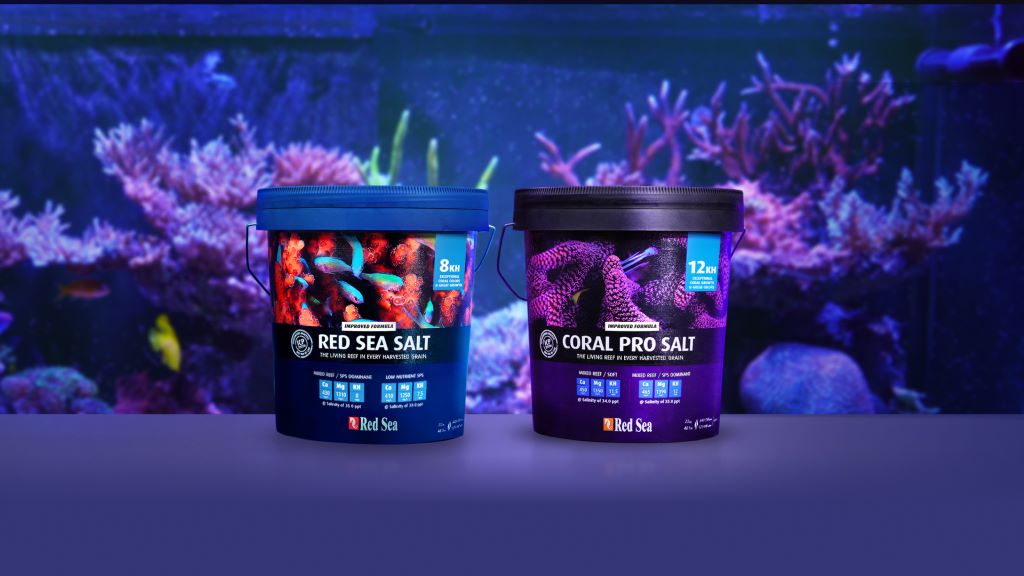
Not all reef aquarium salt mixes are created equal. Different types of salt mixes are designed to meet the specific needs of various reef aquariums. Here are the most common types:
Standard Reef Salt Mixes
Standard reef salt mixes are designed for general use in reef aquariums. They provide a balanced blend of essential minerals and trace elements, making them suitable for a wide range of coral and fish. These mixes are a good choice for beginners and experienced hobbyists alike, as they offer a reliable and consistent performance.
Standard reef salt mixes typically contain:
- Calcium: 350–450 ppm
- Magnesium: 1200–1400 ppm
- Alkalinity: 7–12 dKH
High-Calcium Reef Salt Mixes
High-calcium reef salt mixes are formulated for aquariums with high-demand coral, such as SPS (Small Polyp Stony) corals. These corals require higher levels of calcium to support their rapid growth and skeletal development. High-calcium mixes typically contain elevated levels of calcium and alkalinity, which help maintain stable water parameters in tanks with fast-growing coral.
High-calcium reef salt mixes usually provide:
- Calcium: 450–550 ppm
- Magnesium: 1300–1500 ppm
- Alkalinity: 9–14 dKH
Natural Seawater Salt Mixes
Natural seawater salt mixes are designed to replicate the mineral composition of natural seawater. These mixes are ideal for hobbyists who want to create a more natural and balanced environment in their aquarium. Natural seawater mixes often contain a broader range of trace elements, which can benefit the overall health and coloration of your coral and fish.
Low-Nutrient Reef Salt Mixes
Low-nutrient reef salt mixes are formulated to minimize the introduction of phosphates and nitrates, which can contribute to algae growth. These mixes are ideal for aquariums where nutrient control is a priority, such as tanks with sensitive coral or those prone to algae outbreaks. Low-nutrient mixes often contain lower levels of organic compounds and are designed to support ultra-low nutrient systems (ULNS).
Key Features to Consider When Choosing Reef Aquarium Salt
When selecting a reef aquarium salt mix, consider the following key features to ensure you create an optimal environment for your marine life:
Mineral Content
The mineral content of your salt mix is one of the most important factors to consider. Look for a mix that provides balanced levels of calcium, magnesium, and alkalinity, as these are critical for coral growth and health. The ideal levels are:
- Calcium: 350–550 ppm
- Magnesium: 1200–1500 ppm
- Alkalinity: 7–14 dKH
Additionally, ensure the mix contains essential trace elements, such as strontium, potassium, and iodine, which support various biological processes in your aquarium.
Purity and Quality
The purity and quality of your salt mix are also crucial. Avoid mixes that contain impurities, such as heavy metals or excessive phosphates and nitrates, as these can harm your marine life and contribute to algae growth. Opt for high-quality salt mixes from reputable brands that undergo rigorous testing and quality control.
Dissolution Rate
The dissolution rate of your salt mix refers to how quickly and completely it dissolves in water. A fast-dissolving mix is more convenient and reduces the risk of undissolved particles settling in your aquarium. Look for salt mixes that dissolve quickly and leave minimal residue.
Buffering Capacity
The buffering capacity of your salt mix determines its ability to maintain stable pH and alkalinity levels. A mix with strong buffering capacity helps prevent pH swings, which can stress your coral and fish. Choose a salt mix with a buffering capacity that matches the needs of your aquarium, especially if you have high-demand coral or sensitive inhabitants.
Cost and Value
While cost is an important consideration, it’s essential to balance price with quality. Cheaper salt mixes may save you money upfront but can lead to issues like unstable water parameters, poor coral health, and increased maintenance costs. Invest in a high-quality salt mix that offers the best value for your budget and the needs of your aquarium.
How to Choose the Right Salt Mix for Your Reef Aquarium
Selecting the right salt mix for your reef aquarium depends on several factors, including the type of coral and fish you keep, your tank size, and your maintenance routine. Here are some tips to help you make the best choice:
Consider Your Tank Type
The type of reef aquarium you have will influence the salt mix you need. For example:
- General Reef Tanks: A standard reef salt mix is suitable for most reef tanks with a mix of coral and fish.
- SPS-Dominated Tanks: High-calcium reef salt mixes are ideal for tanks with a high population of SPS coral, which require elevated calcium and alkalinity levels.
- Low-Nutrient Systems: Low-nutrient reef salt mixes are best for tanks where nutrient control is a priority, such as those prone to algae outbreaks.
Match Your Coral’s Needs
Different types of coral have varying requirements for calcium, magnesium, and alkalinity. Research the specific needs of the coral in your tank and choose a salt mix that provides the appropriate levels of these essential elements. For example, SPS coral requires higher calcium and alkalinity levels, while soft coral and LPS coral may thrive with standard levels.
Evaluate Your Maintenance Routine
Your maintenance routine can also influence your choice of salt mix. If you perform frequent water changes, a standard reef salt mix may be sufficient to maintain stable water parameters. However, if you have a less frequent maintenance schedule, a high-calcium or buffered salt mix can help keep your water chemistry balanced between water changes.
Test and Monitor Water Parameters
Regularly test your water parameters, including salinity, calcium, magnesium, and alkalinity, to ensure your salt mix is meeting the needs of your aquarium. Use a high-quality test kit or digital monitor to track these parameters and make adjustments as needed. If you notice consistent imbalances, consider switching to a different salt mix that better suits your tank’s requirements.
Personal Experience: Finding the Perfect Salt Mix for My Reef Aquarium
When I first set up my reef aquarium, I made the mistake of choosing a salt mix based solely on cost. I opted for a budget-friendly option, thinking it would be sufficient for my small tank. However, I quickly noticed that my coral wasn’t thriving as I had hoped. The colors were dull, and growth was slow. After testing my water, I realized that the calcium and alkalinity levels were consistently low, despite regular water changes.
Determined to improve the health of my aquarium, I switched to a high-quality, high-calcium reef salt mix. The difference was remarkable. My coral began to display vibrant colors, and growth accelerated significantly. I also noticed a reduction in algae and an overall improvement in water quality. This experience taught me the importance of investing in a quality salt mix that meets the specific needs of my aquarium.
Since then, I’ve experimented with different salt mixes and found that a balanced, high-calcium mix works best for my SPS-dominated tank. This experience reinforced the importance of choosing the right salt mix for optimal water chemistry and coral health.
Tips for Using and Storing Reef Aquarium Salt
Proper use and storage of your reef aquarium salt are essential for maintaining its quality and effectiveness. Here are some tips to help you get the most out of your salt mix:
- Follow Mixing Instructions: Always follow the manufacturer’s instructions for mixing your salt with water. Use reverse osmosis (RO) or reverse osmosis/deionization (RO/DI) water to avoid introducing contaminants into your aquarium.
- Mix Thoroughly: Ensure your salt mix dissolves completely before adding it to your aquarium. Use a powerhead or pump to circulate the water and speed up the dissolution process.
- Store Properly: Keep your salt mix in a cool, dry place, away from moisture and direct sunlight. Use an airtight container to prevent clumping and contamination.
- Check Expiration Dates: Some salt mixes have a shelf life, so check the expiration date before use. Expired salt mixes may not dissolve properly or provide the intended benefits.
- Test Water Parameters: After mixing your salt water, test the salinity, calcium, magnesium, and alkalinity levels to ensure they meet the needs of your aquarium. Adjust as necessary before adding the water to your tank.
By following these tips, you’ll ensure your reef aquarium salt remains effective and supports a healthy and thriving ecosystem.
Frequently Asked Questions
What is the best reef aquarium salt mix for beginners?
For beginners, a standard reef salt mix is a great choice. These mixes provide a balanced blend of essential minerals and trace elements, making them suitable for a wide range of coral and fish. Look for a reputable brand with consistent performance and positive reviews.
How often should I change the water in my reef aquarium?
Most reef aquariums require weekly or bi-weekly water changes of 10–20% to maintain stable water parameters. The frequency and volume of water changes depend on your tank size, stocking level, and the specific needs of your coral and fish.
Can I use table salt in my reef aquarium?
No, table salt is not suitable for reef aquariums. It lacks the essential minerals and trace elements required for coral health and can introduce harmful additives, such as anti-caking agents, into your aquarium. Always use a salt mix specifically designed for reef aquariums.
How do I know if my salt mix is working properly?
You can determine if your salt mix is working properly by regularly testing your water parameters, including salinity, calcium, magnesium, and alkalinity. If these parameters remain stable and within the ideal ranges for your coral and fish, your salt mix is likely performing well. If you notice consistent imbalances, consider switching to a different salt mix.
What should I do if my salinity levels are too high or too low?
If your salinity levels are too high, perform a water change with fresh RO or RO/DI water to dilute the salt concentration. If salinity levels are too low, add more salt mix to your water during a water change. Always test your salinity levels after making adjustments and aim for a specific gravity of 1.024 to 1.026.
Conclusion
Selecting the right reef aquarium salt is essential for maintaining optimal water chemistry and creating a thriving reef ecosystem. By understanding the role of salt in your aquarium, comparing different types of salt mixes, and considering key features like mineral content and buffering capacity, you can choose a salt mix that supports the health and vibrancy of your coral and fish.
A high-quality reef aquarium salt not only enhances the appearance of your aquarium but also promotes stable water parameters, reduces stress on your marine life, and creates a more enjoyable and rewarding hobby experience. Whether you’re a beginner or an experienced hobbyist, investing in the right salt mix will help you achieve the vibrant and thriving reef tank of your dreams.
Now that you’re equipped with the knowledge to select the perfect reef aquarium salt, it’s time to create your own underwater paradise!
What’s your favorite reef aquarium salt mix? Share your experiences or ask any questions in the comments below!