How to Use AAwipes 8-in-1 Aquarium Test Kit
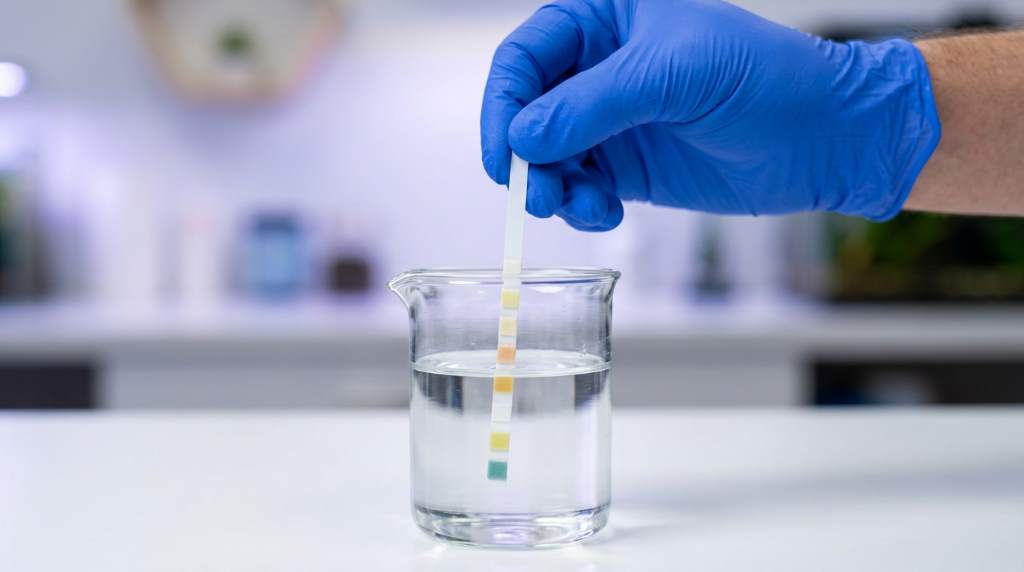
Use the AAwipes 8-in-1 Aquarium Test Kit by dipping one test strip into aquarium water, waiting for the recommended time, and comparing the colors with the included chart. Accurate testing helps you monitor water quality, protect fish health, and fix problems before they become serious.
Healthy aquarium water directly affects fish survival, growth, and appearance. Studies estimate that poor water quality contributes to most preventable aquarium fish health problems. Learning how to use the AAwipes 8-in-1 aquarium test kit correctly makes routine maintenance easier and more reliable. This guide explains every step clearly while helping you understand your results with confidence.
Why Regular Aquarium Water Testing Matters
Fish constantly produce waste that changes water chemistry over time. Beneficial bacteria also affect important water parameters during biological filtration.
Regular testing detects harmful changes before fish show visible signs of stress. Therefore, you can correct water conditions before expensive losses happen.
Stable water chemistry supports stronger immune systems and healthier aquatic plants. Consistent testing also improves breeding success for many freshwater species.

What the AAwipes 8-in-1 Aquarium Test Kit Measures
The kit measures eight important water parameters using a single testing strip. This saves time while providing a broad picture of aquarium health.
- pH
- General Hardness (GH)
- Carbonate Hardness (KH)
- Nitrate (NO3)
- Nitrite (NO2)
- Chlorine (Cl2)
- Total Alkalinity
- Additional hardness or mineral indicator depending on the kit version
Each parameter plays a different role in maintaining a balanced aquatic environment. Together, they help identify developing water quality problems quickly.
Items You Need Before Testing
Prepare everything before opening the test strip container. This prevents unnecessary delays during the testing process.
- AAwipes 8-in-1 Aquarium Test Kit
- Clean aquarium water sample or direct tank access
- Timer or stopwatch
- Good natural or bright white lighting
- Notebook or digital record
Always keep your hands clean before handling testing materials. Moisture inside the container can damage unused strips.
How to Use AAwipes 8-in-1 Aquarium Test Kit Step by Step
Step 1: Collect a Water Sample
Collect water from the middle section of the aquarium whenever possible. Avoid surface water because it may produce inconsistent readings.
Alternatively, test directly inside the aquarium if the instructions allow that method. Follow the manufacturer recommendations carefully every time.
Step 2: Remove One Test Strip
Open the container only when you are ready to begin testing. Immediately close the lid after removing one strip.
Never touch the colored testing pads with your fingers. Skin oils may interfere with accurate chemical reactions.
Step 3: Dip the Strip Correctly
Completely immerse the testing pads into the water for the recommended duration. Remove the strip smoothly without shaking excessively.
Hold the strip horizontally while the chemical reactions develop. This prevents colors from mixing between testing pads.
Step 4: Wait the Required Time
Use a timer instead of estimating the waiting period manually. Even small timing differences can affect final color development.
Keep the strip away from direct sunlight during this waiting period. Stable lighting produces easier color comparisons.
Step 5: Compare the Colors
Match every testing pad with the printed color chart carefully. Compare colors under bright white lighting whenever possible.
Record each reading immediately after comparison. Tracking results helps identify long term water quality trends.
Understanding Your Test Results
pH Level
The pH value measures water acidity or alkalinity. Most community freshwater fish prefer stable pH rather than constant adjustment.
Ammonia Awareness
Although this strip does not directly measure ammonia, dangerous ammonia often appears alongside nitrite problems. Therefore, additional ammonia testing remains valuable during cycling.
Nitrite Reading
Nitrite should remain at zero in established aquariums. Elevated nitrite indicates incomplete biological filtration or system disruption.
Nitrate Reading
Nitrate gradually increases as waste breaks down inside the aquarium. Regular water changes usually maintain safe nitrate concentrations.
General Hardness and Carbonate Hardness
GH measures dissolved minerals that support fish and plant health. KH stabilizes pH by buffering natural acid fluctuations.
Chlorine Detection
Tap water often contains chlorine for public water treatment. Always remove chlorine before adding fresh water to your aquarium.
Recommended Testing Schedule
Testing frequency depends on aquarium age, livestock, and maintenance habits. However, consistent routines produce more reliable long term results.
- New aquariums: Test every day during cycling.
- Established aquariums: Test weekly.
- After water changes: Test within twenty four hours.
- After adding fish: Test every few days.
- During illness: Test immediately and repeat frequently.
Common Mistakes to Avoid
Several simple mistakes reduce testing accuracy significantly. Fortunately, avoiding them requires only careful preparation.
- Using expired test strips
- Touching testing pads directly
- Reading results too early
- Reading results too late
- Leaving the container open
- Ignoring previous test records
- Testing under poor lighting
Tips for More Accurate Results
Store the kit inside a cool, dry location throughout the year. Excessive humidity shortens strip lifespan considerably.
Keep a maintenance journal for every aquarium you own. Historical records often reveal patterns before visible problems develop.
Test water at approximately the same time each week. Consistent timing improves result comparisons over many months.
Replace the kit after the expiration date passes. Fresh strips always deliver more dependable readings.
When You Should Take Immediate Action
Sudden fish gasping, cloudy water, or unusual odors require immediate testing. Rapid diagnosis prevents many aquarium emergencies.
Perform partial water changes whenever dangerous readings appear consistently. Continue testing until every parameter returns to stable levels.
Consult reliable aquarium care resources if unusual readings continue despite maintenance. Persistent issues sometimes require equipment inspection or filtration upgrades.
Conclusion
The AAwipes 8-in-1 Aquarium Test Kit provides a quick and practical way to monitor essential water conditions. Following the correct testing procedure ensures consistent results while protecting fish and aquatic plants.
Begin a regular testing routine today and record every result carefully. Consistent monitoring helps you maintain a healthier aquarium with greater confidence.
Frequently Asked Questions
How often should I use the AAwipes 8-in-1 Aquarium Test Kit?
Most established aquariums benefit from testing once every week.
Can beginners use this aquarium test kit?
Yes, the simple strip design makes it suitable for beginners.
Should I test water before adding new fish?
Yes, always confirm stable water parameters before introducing new fish.
How should I store unused test strips?
Keep them sealed inside their original container in a cool, dry place.
What should I do if the results look abnormal?
Retest the water, perform appropriate maintenance, and confirm the readings before making major changes.