
Best Fluval Plant and Shrimp Stratum in Washington (WA): Why Aquascaping Enthusiasts Are Choosing This Substrate
Washington’s aquascaping community grows faster every year, and one substrate keeps dominating tank builds across Seattle, Spokane, and Tacoma fish clubs. The Fluval Plant and Shrimp Stratum has quietly become the go-to choice for hobbyists who refuse to settle for weak plant growth or murky water.
Local fish stores across Washington report steady demand for volcanic-based substrates, and Fluval Stratum leads that category consistently. However, not every substrate delivers on its promises once submerged in a real tank. This review examines whether the Fluval Plant and Shrimp Stratum truly earns its reputation among Washington’s growing aquascaping community, using real feedback and honest analysis.
Product At A Glance:
Fluval Plant and Shrimp Stratum
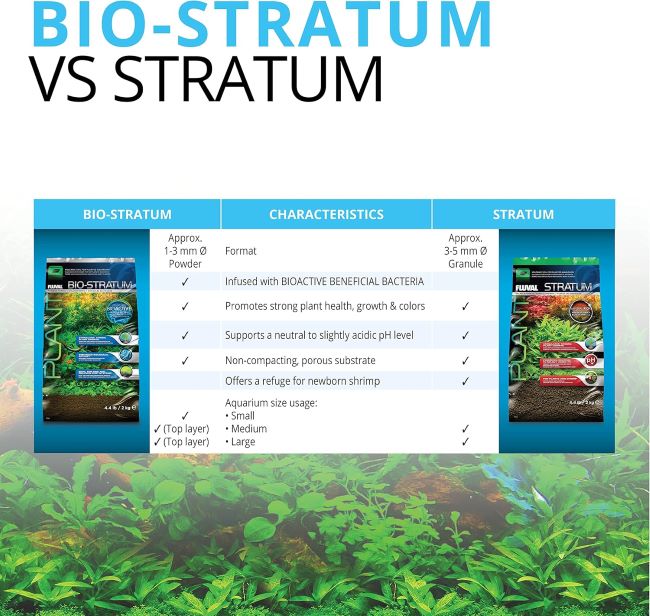
This substrate originates from the mineral-rich foothills of Japan’s Mount Aso Volcano, according to Fluval’s official product description. That volcanic origin gives the granules a naturally porous structure, which supports rapid colonization of beneficial nitrifying bacteria. Additionally, the substrate maintains a neutral to slightly acidic pH, ideal for the tropical plants, fish, and shrimp species common in Washington’s home aquariums.
Petco’s customer review summary confirms the substrate initially darkens tank water, though it clears within a day or two without harming fish. Meanwhile, granule sizes between 3 and 5 millimeters accommodate plants with larger root systems, according to BRS Fresh’s product breakdown. That size range lets Stratum work as either a standalone substrate or a bottom layer beneath other aquascaping materials, giving Washington hobbyists real flexibility for different tank designs.
Key Features Table
| Feature | Detail |
|---|---|
| Origin | Mount Aso Volcano region, Japan |
| Granule size | Approximately 3 to 5 millimeters |
| Available sizes | 4.4 lbs, 8.8 lbs, and 17.6 lbs bags |
| pH effect | Neutral to slightly acidic |
| Structure | Lightweight, porous, non-compacting |
| Bacteria support | Encourages nitrifying bacteria colonization |
| Shrimp benefit | Provides shelter for newborn shrimp |
| Water clarity | Prevents long-term discoloration |
| Compatible use | Freshwater planted tanks and shrimp tanks |
| Recommended depth | 2 to 3 inches for healthy root development |
Pros & Cons Table
| Pros | Cons |
|---|---|
| Porous structure supports strong root development | Water turns cloudy or black during initial setup |
| Naturally maintains ideal pH for plants and shrimp | Higher price point than basic gravel substrates |
| Protects newborn shrimp from larger tank predators | Rinsing incorrectly can cause ongoing cloudiness |
| Prevents long-term water discoloration from driftwood | Granules can compact slightly without regular maintenance |
| Multiple bag sizes fit different tank dimensions | Calculating exact coverage requires careful measurement |
| Trusted brand reputation across the aquascaping community | Some users report dust settling despite dust-free claims |
Why Washington Aquascapers Choose This Substrate
Washington’s aquascaping scene leans heavily toward planted tanks, thanks to a strong community of hobbyists inspired by Pacific Northwest nature. Consequently, substrate choice becomes one of the most debated decisions in any new tank build. The Fluval Plant and Shrimp Stratum answers that debate directly, since its porous granules let plant roots spread easily while accessing key nutrients.
However, first-time users often panic when their water turns dark or slightly black after adding the substrate. Petco’s review summary confirms this reaction is completely normal and clears within a day or two. Therefore, patience matters more than immediate visual results during the first week of a new tank setup. Washington hobbyists who understand this timeline avoid unnecessary water changes that can actually disrupt the substrate’s natural settling process.
Local shrimp keepers particularly value the substrate’s protective structure. Newborn shrimp instinctively burrow into porous granules, avoiding predation until they mature enough to explore openly. Additionally, many Washington aquascapers pair this substrate with driftwood, since Stratum actively controls the tannin discoloration driftwood typically introduces. That combination creates clearer water without sacrificing the natural, forest-inspired aesthetic many local hobbyists prefer for their tank designs.
Common Cleaning Tips
Proper cleaning during setup and maintenance protects both your substrate and your tank’s biological balance.
- Avoid heavy rinsing before adding the substrate, since light dust settles naturally over time.
- Use a gentle water stream when filling the tank to prevent stirring up granules.
- Vacuum debris carefully above the substrate surface, avoiding deep disturbance of the granules.
- Remove uneaten food promptly to prevent decomposition within the porous structure.
- Trim dying plant matter regularly, since decaying leaves can cloud water quickly.
- Perform partial water changes weekly rather than disturbing the substrate directly.
Excessive rinsing before setup often causes more harm than good, since it can strip beneficial dust that settles naturally within days.
Maintenance and Troubleshooting Tips
Long-term substrate health depends on a few consistent habits throughout the life of your tank.
- Avoid stirring the substrate deeply during routine maintenance, since disruption releases trapped debris.
- Monitor pH levels periodically, since Stratum naturally shifts water toward slightly acidic conditions.
- Add root tabs occasionally for heavy root-feeding plants needing extra nutrients.
- Watch for compaction over time, gently loosening surface layers if water flow seems restricted.
- Address persistent cloudiness by checking filtration strength rather than replacing the substrate entirely.
- Combine Stratum with balanced lighting and CO2 systems for optimal plant growth results.
If cloudiness persists beyond the first week, check your filter’s flow rate before assuming the substrate caused the issue. Most lingering haze traces back to filtration, not the granules themselves.
What Real People Say — Voices from the Community
Genuine hobbyist feedback reveals patterns that manufacturer descriptions rarely capture. One Petco reviewer confirmed the initial water discoloration, reassuring other buyers that clarity returns within a day or so. Another shopper specifically praised the substrate for live-bearing fish tanks, citing strong plant establishment early on. A third reviewer described rinsing the substrate against instructions, then dealing with prolonged cloudiness afterward, which highlights how closely following setup guidance matters.
AquaCave’s product page features a buyer who called the substrate expensive but worthwhile, citing consistently healthy plant growth. Community discussion boards echo this sentiment often, with hobbyists comparing coverage calculations for different tank sizes before committing to a bag size. Washington aquascaping forums frequently reference similar experiences, noting that patience during the first week separates successful setups from frustrated ones.
Relevant FAQs
Is the Fluval Plant and Shrimp Stratum good for Washington’s colder tap water?
Yes, the substrate’s pH-balancing properties help stabilize water regardless of regional tap conditions.
Why does my water turn black after adding this substrate?
That reaction is normal and temporary, clearing naturally within a day or two.
How much substrate do I need for my tank?
Calculate coverage using your tank’s length, width, and desired depth in inches.
Can this substrate support both plants and shrimp together?
Yes, its porous structure and pH balance suit planted tanks with resident shrimp colonies.
Should I rinse the substrate before adding it to my tank?
Avoid heavy rinsing, since manufacturer guidance recommends minimal washing before use.
How often should I replace the substrate?
Most hobbyists never fully replace it, since Stratum remains effective for years with basic care.
Final Thought
Washington’s aquascaping community values substrates that deliver real plant growth without constant guesswork. The Fluval Plant and Shrimp Stratum earns its strong local reputation through porous granules, balanced pH support, and genuine shrimp-friendly design. It costs more than basic gravel, and first-time users may need a little patience while the initial cloudiness clears after setup. However, for hobbyists creating thriving planted aquariums or dedicated shrimp colonies, this substrate delivers reliable, long-term performance that’s well worth the investment. To complete your aquascape, select the Best Aquarium Rocks for Aquascaping, which explores how to choose rocks that complement nutrient-rich substrates, creating a natural, visually appealing environment that supports healthy plant growth and aquatic life.
If you are ready to build a thriving planted tank without fighting weak growth or murky water, this substrate deserves a spot in your setup. Pick up a bag from your local Washington fish store, and watch your aquascape transform within weeks.